
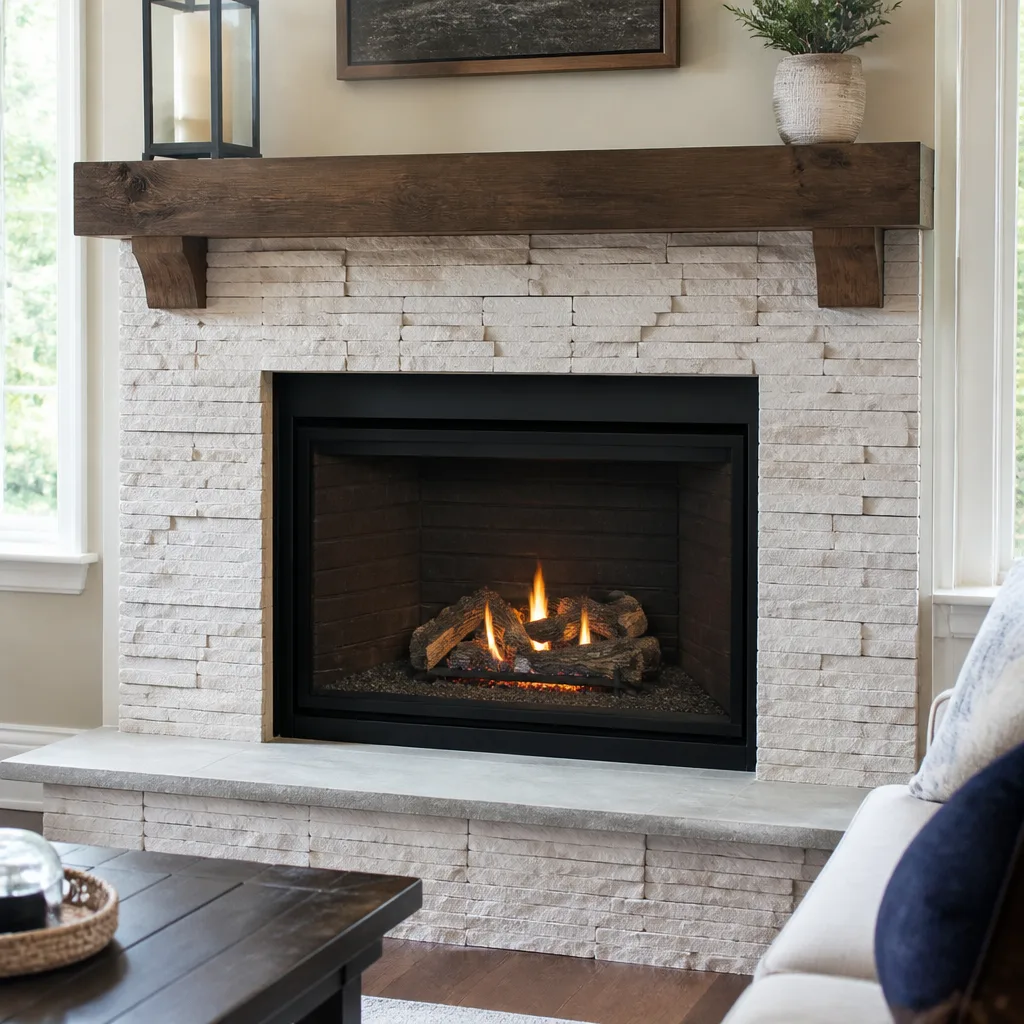
 Gas fireplace service
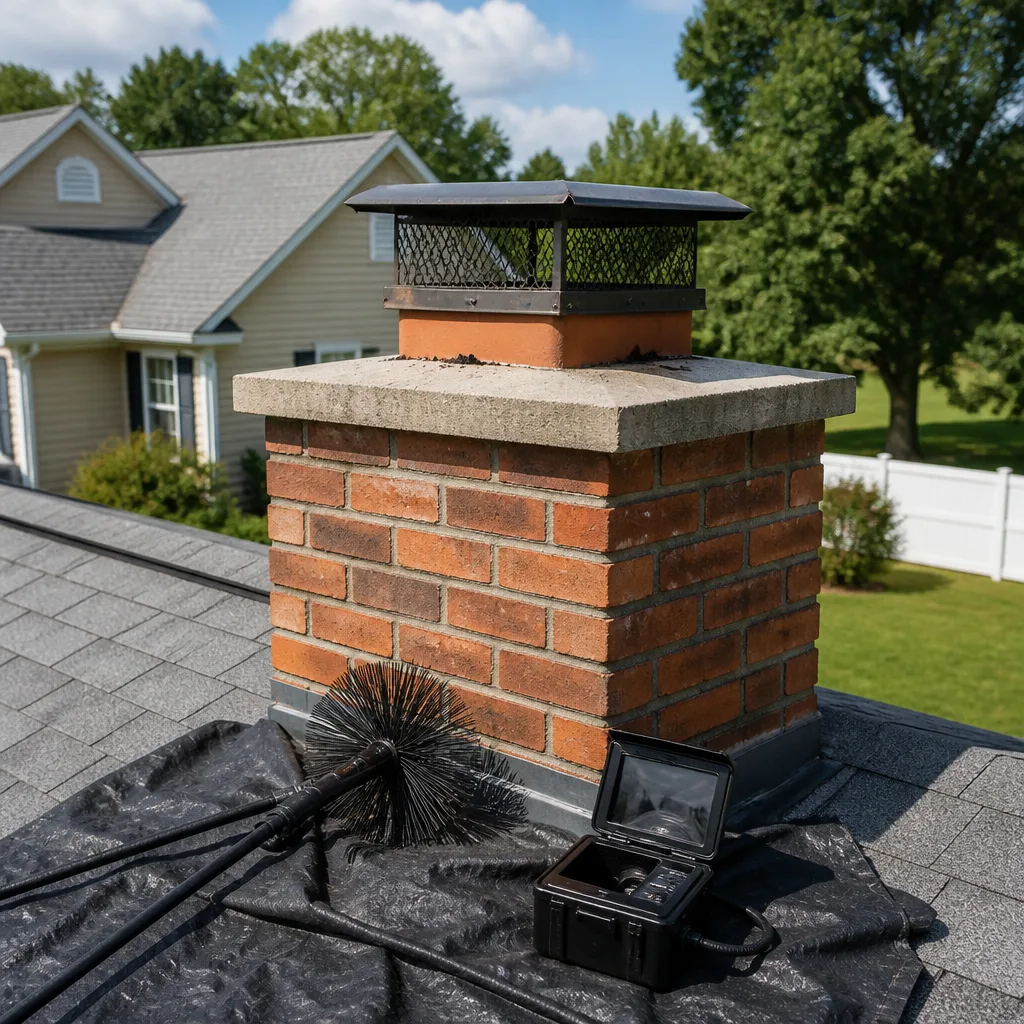 Sweep & inspection
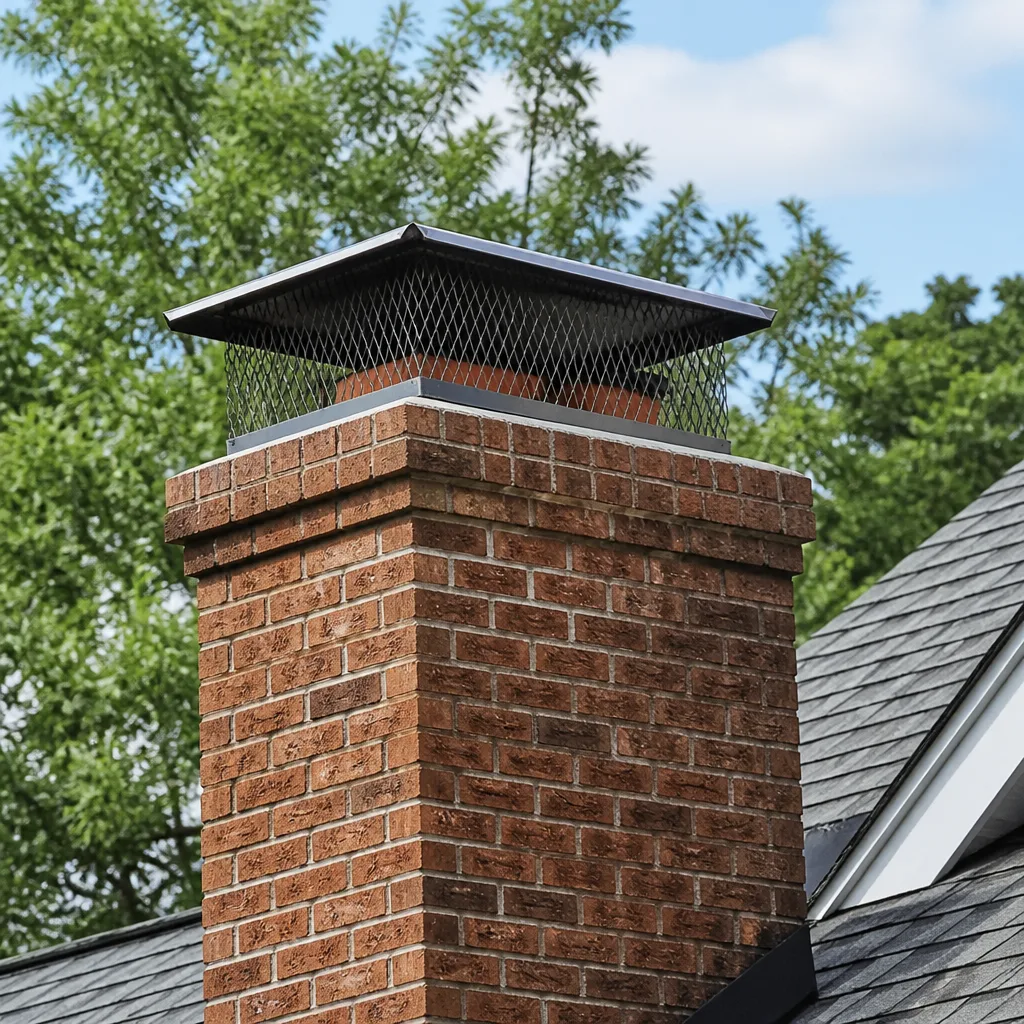 Caps & crowns
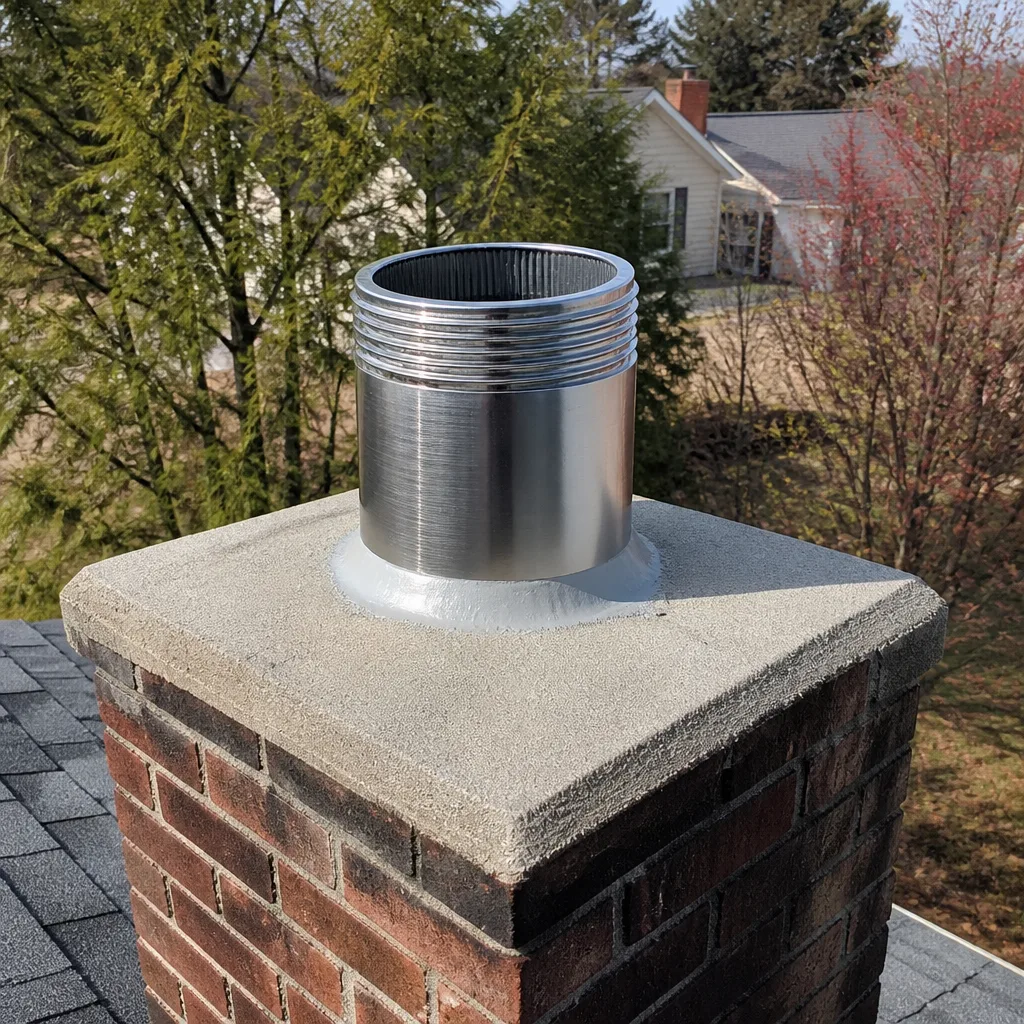 Flue relining
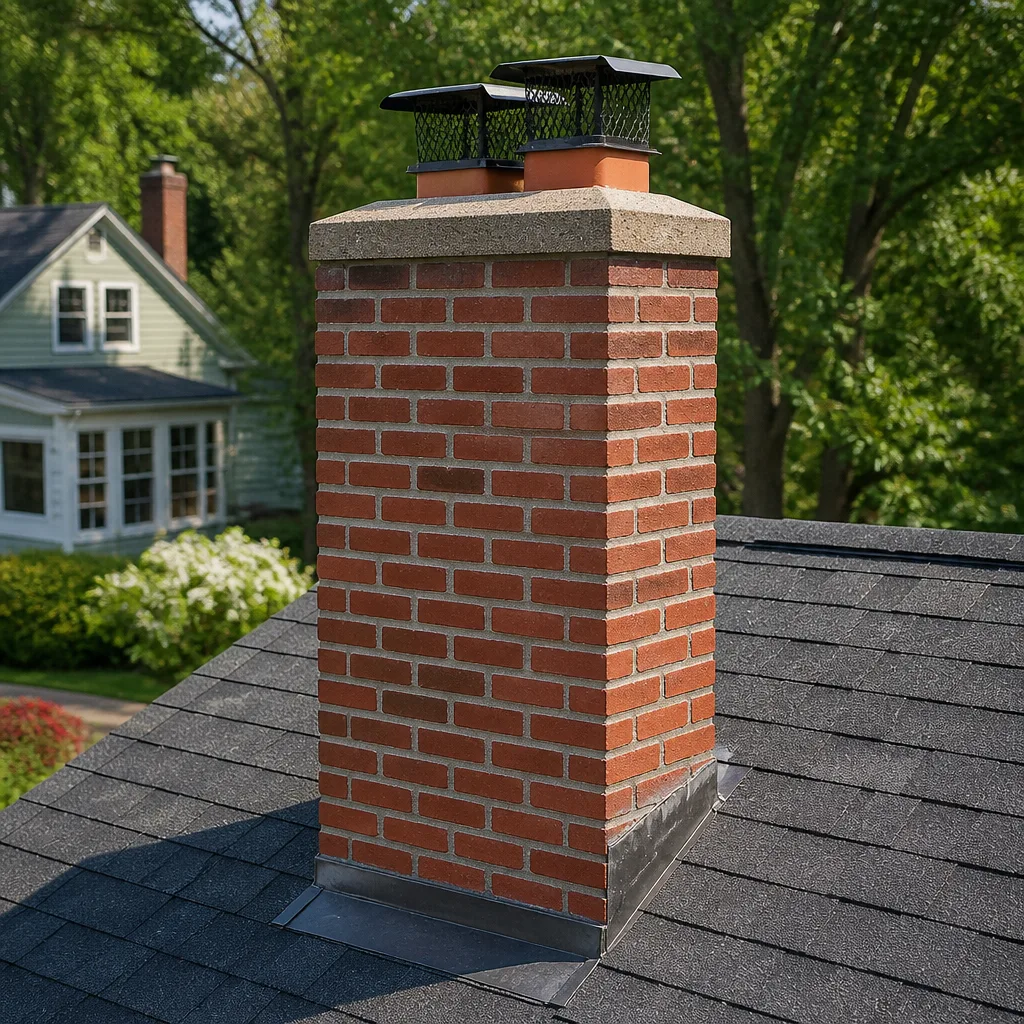 Masonry repair
Level 1 sweep and inspection to the NFPA 211 annual standard - flue, crown, cap, and flashing checked and photographed
Chimney sweep logs do not sweep chimneys. They loosen some creosote - which then falls where a brush and vacuum still have to collect it.
Why Energy Corridor Homeowners Choose HeatShield Chimney Cleaning
We provide independent HeatShield chimney cleaning and repair service in Energy Corridor, TX. HeatShield is a flue resurfacing system applied to the inside of a damaged clay tile flue, not a sweep-and-go product, so the work starts with a proper inspection of the flue’s geometry and venting before anything gets touched. We handle that diagnosis, the cleanup, the resurfacing, and the fireplace work that goes with it, all under one roof.
HeatShield is a liner system, and it fails in specific ways when it’s applied wrong or when water gets behind it. You’ll read about those below, because most homeowners in Energy Corridor have never had it explained to them. As an independent HeatShield service provider, we’re not affiliated with or authorized by HeatShield. We just know the product well. Call (844) 625-7014 for a free estimate.
Key Takeaways
- HeatShield is a flue resurfacing system for structurally intact clay tile flues, not a full reliner replacement.
- We’re an independent HeatShield service provider, not a dealer or factory-authorized shop.
- Most HeatShield failures we see in Energy Corridor trace back to surface prep or a failing crown letting moisture in.
- We document what we find with photos before and after, so you can see what changed.
- Our technicians have up to 11 years of experience.
Why Trust Chimney Sweep Energy Corridor for Your HeatShield Chimney Cleaning?
The technicians who handle our HeatShield work know the product as a system, not a product name on a brochure. They understand how the ceramic-glass fiber wrap goes onto a clay tile flue, what the bonding surface needs to look like before the wrap goes down, and how the wrap interacts with the flue’s geometry at offsets and misaligned joints. That’s the difference between a HeatShield job that holds and one that fails its first inspection.
We use quality parts that fit HeatShield equipment. We don’t claim to stock OEM or genuine HeatShield components, and we’re not a HeatShield dealer. What we do is choose the right materials for the application and stand behind the work so the system can perform the way it’s rated to. That means proper preparation before the wrap goes on, correct bond at the top and bottom terminations, and a crown and flashing check afterward so moisture doesn’t undo the repair.
Older clay tile flues in Energy Corridor present their own set of challenges. The tile joints don’t always line up perfectly, and the flue profile can shift at offsets. Our technicians read those conditions before recommending HeatShield at all. If the flue is structurally sound and only the liner surface is compromised, a re-wrap is often the right call. If tiles are displaced or the flue is collapsing, we’ll tell you that too, and recommend full relining or rebuilding instead. You get the honest answer, not the sale.
Our technicians have up to 11 years of experience working on chimney systems in the Energy Corridor area. That’s experience with the actual product and the actual conditions here, not generic sweep work with a HeatShield label on it.
Styles & brands we work with
- Sweep & inspection
- Caps & crowns
- Flue relining
- Masonry repair
- Gas fireplace service
Common HeatShield Chimney Cleaning Problems We Fix in Energy Corridor
HeatShield problems tend to follow a handful of patterns. Here’s what we see most often in Energy Corridor, and why it happens.
- Wrap delamination at flue offsets. The HeatShield wrap can lift away from the tile where the flue changes direction at an offset or where tile joints don’t line up. This usually comes down to inadequate surface prep before the wrap went on, or moisture getting in before the material fully cured. When the wrap delaminates, the original clay joint gets exposed to moisture and creosote, and that’s where bigger problems start.
- Cracking and spalling where the crown is failing. If the chimney crown is cracked or the flashing is pulling away, water runs down behind the liner. The HeatShield surface can’t hold up under that steady moisture, so it cracks and flakes. This is one of the most common HeatShield failures we see in Energy Corridor homes, because the exterior crowns out here take a beating from Gulf Coast sun and the occasional hard freeze.
- Loose liner section at the top or bottom termination. If the bond isn’t solid at the flue’s top or bottom, a section of the HeatShield wrap can come loose and rattle, or worse, restrict draft. You might hear it or you might just notice the fireplace pulling poorly. Either way, it needs a look before the loose section shifts further.
- Wrap applied over an oversized or damaged flue without resizing. HeatShield applied over a flue that’s too big or already damaged without proper resizing will fail inspection due to inadequate clearance or draft. This is a case where the product was the right idea but the wrong application, and the fix is to bring the flue back into spec before the wrap goes back on.
- Mud-dauber and bird nests sitting on a HeatShield surface. The wrap doesn’t stop nesting, so flues that sit for a couple of years can collect nests and debris on top of the liner. That debris traps moisture against the wrap and blocks the flue. Most of the “smells musty” calls we get in Energy Corridor trace back to this and a failed crown together, not heavy creosote, because most of these fireplaces see a few decorative burns a year and then sit through Houston’s humid summers.
The classic local pattern here says a lot. A homeowner in a 1980s Energy Corridor subdivision notices a sulfur-like odor on humid days and a slight draft puffing at the firebox. A Level 2 camera inspection typically reveals a HeatShield-wrapped flue where the wrap has debonded at a tile offset, exposing the original clay joint to moisture and creosote. The usual fix is a focused re-wrap of the failed section after cleaning the flue back to sound substrate, followed by a crown and flashing check. A qualified local pro will document the flue’s condition before and after with photos so the homeowner understands why the failure happened.
HeatShield Parts & Our Repair-vs-Replace Approach
HeatShield repairs use the genuine HeatShield ceramic-glass fiber wrap and the bonding agents designed to work with it. Aftermarket substitutes compromise the UL listing and void the system’s rated performance. We don’t claim to stock OEM or genuine HeatShield parts, and we’re not a HeatShield dealer. What we do is source the right materials for the job and install them correctly.
The repair-or-replace call comes down to the flue itself. If the existing flue is structurally sound and only the liner surface is compromised, a HeatShield re-wrap is often the right call, and it saves a lot of money over a full reline. If tiles are displaced, missing, or the flue is collapsing, a wrap won’t hold no matter how well it’s applied. That’s when we recommend full relining or rebuilding, and we tell you why. You shouldn’t have to guess which recommendation you’re getting.
We document what we find with photos at every stage. If a HeatShield repair can safely wait a season, we’ll tell you that too. Call (844) 625-7014 for a free estimate.
Our HeatShield Service Process – Step by Step
- 1
Diagnosis. We start with a Level 2 inspection using a camera so we can see the full flue, including the HeatShield surface, the tile joints, and the terminations. We check the flue’s geometry, any offsets, and how the combustion appliance vents. We also look at the crown and flashing from outside, because that’s where a lot of moisture problems start.
- 2
Repair or install. If the wrap has failed, we clean the flue back to sound substrate and re-wrap the failed section with the genuine HeatShield ceramic-glass fiber wrap. If it’s a fresh install, we prep the surface first, because prep is what the bond depends on. We don’t cut that step.
- 3
Test. After the wrap cures, we check draft and clearances to confirm the flue performs the way it should. We check the top and bottom terminations for a solid bond. If the crown or flashing needs work, that gets addressed before we close out, so water doesn’t undo what we just did.
- 4
Warranty. We walk you through what’s covered and what isn’t. We don’t state service guarantees or response-time promises, so we won’t invent one here. What we can tell you is that warranty-safe practice means using the right materials and documenting what we found and what we did.
See the difference
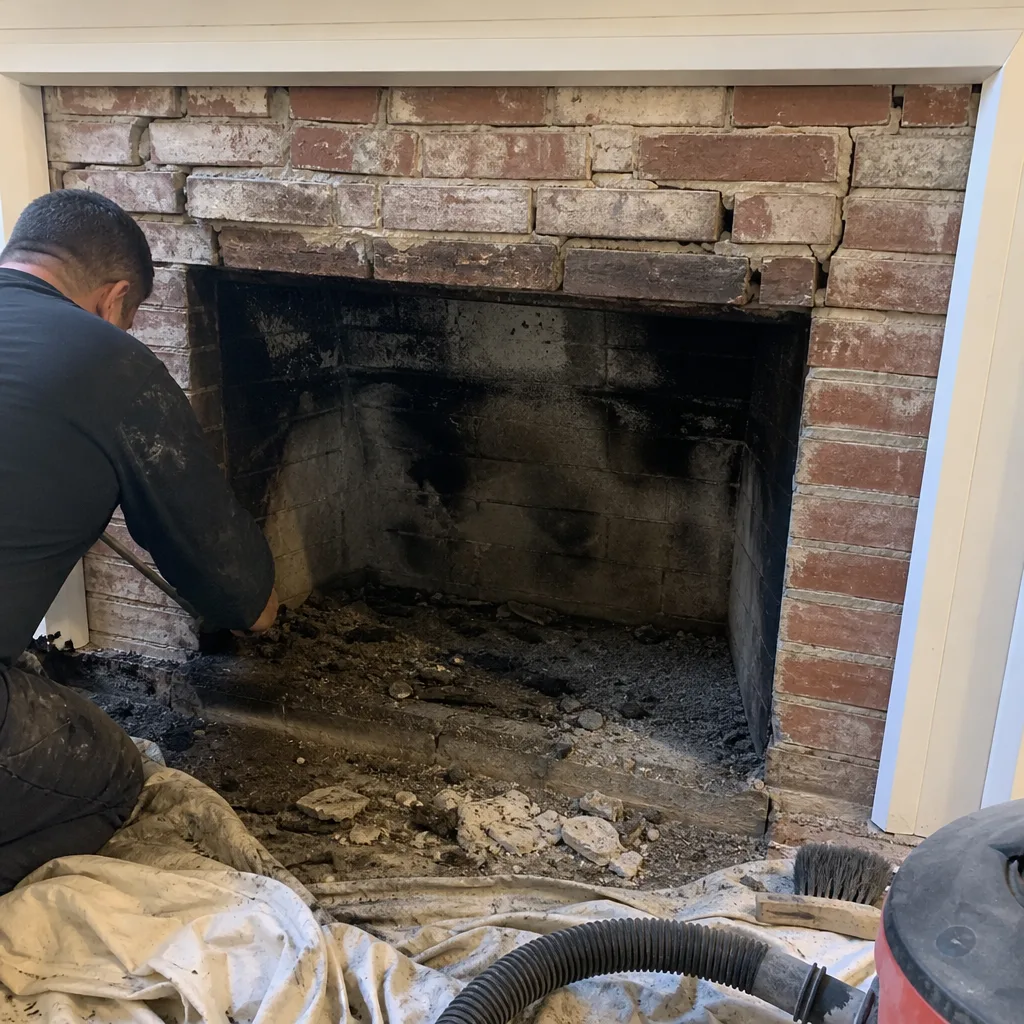 Before
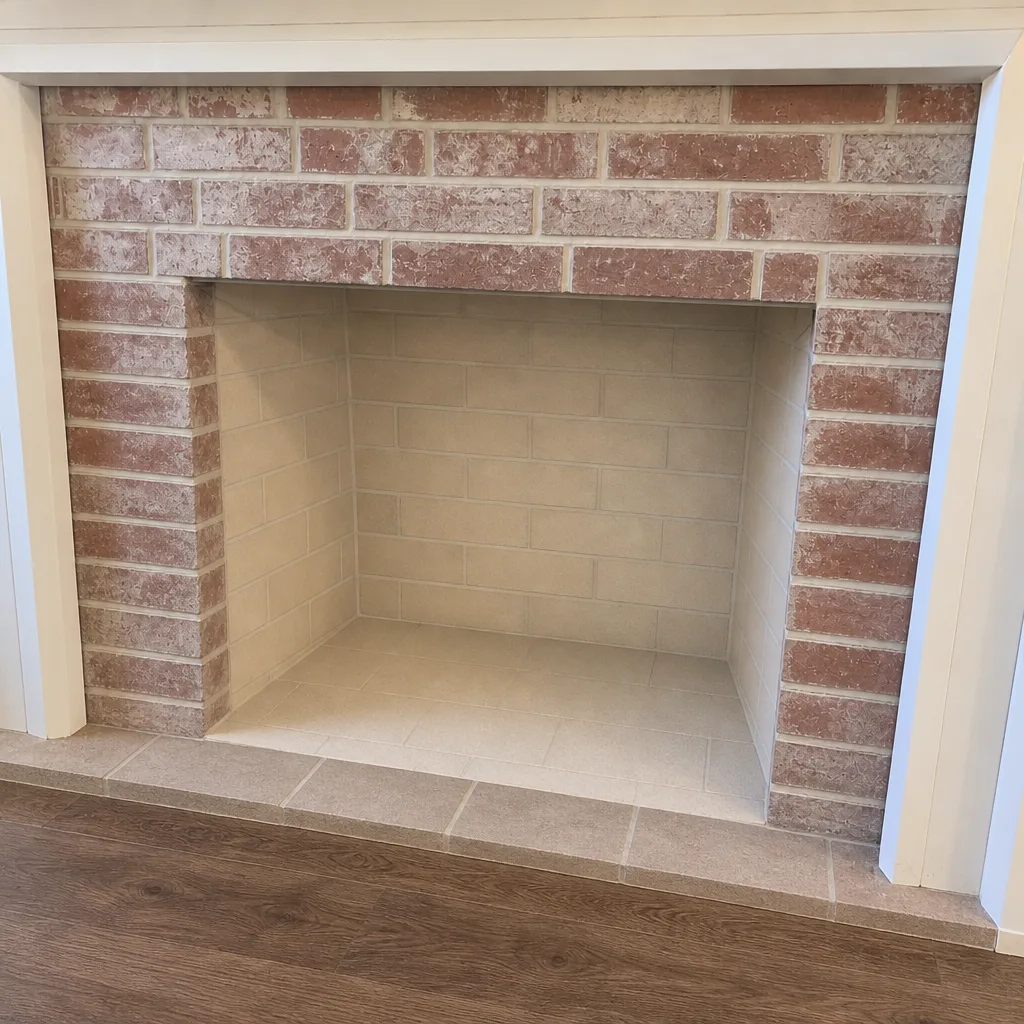 After
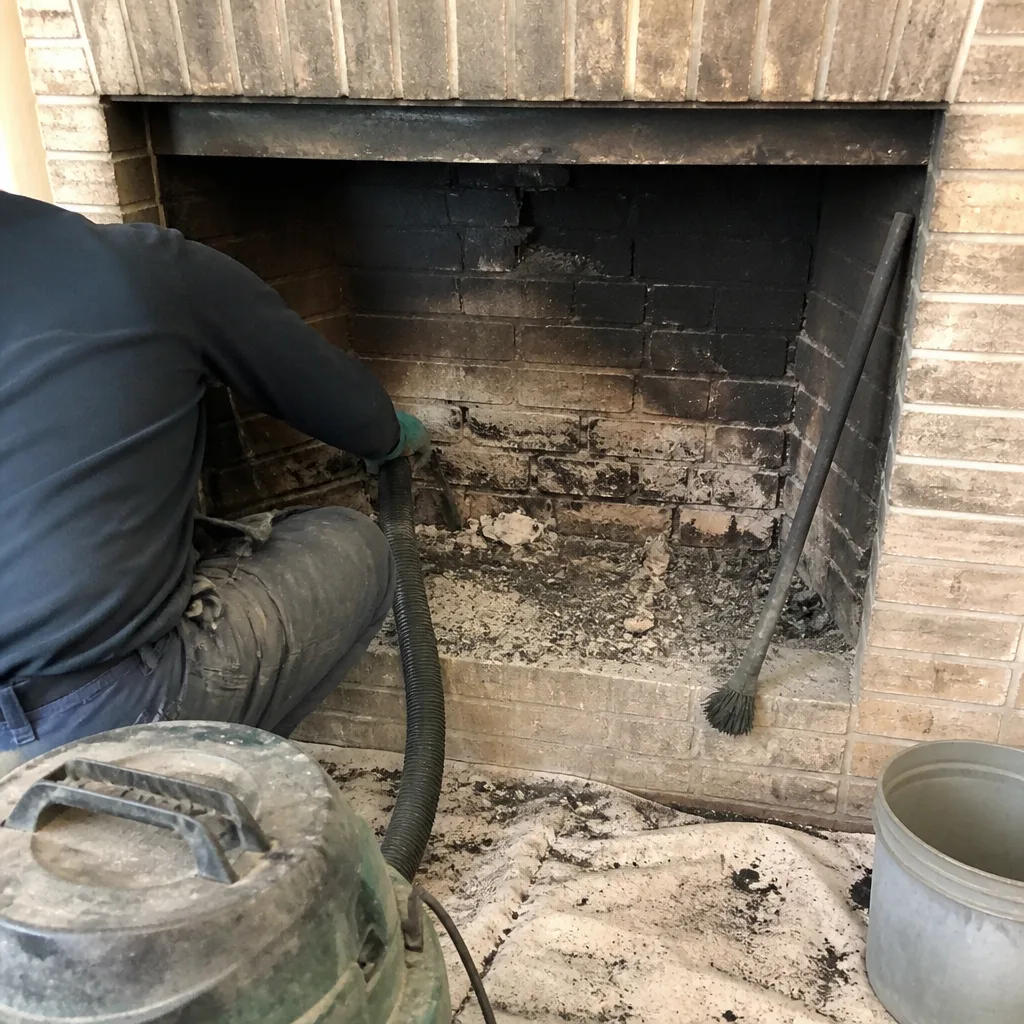 Before
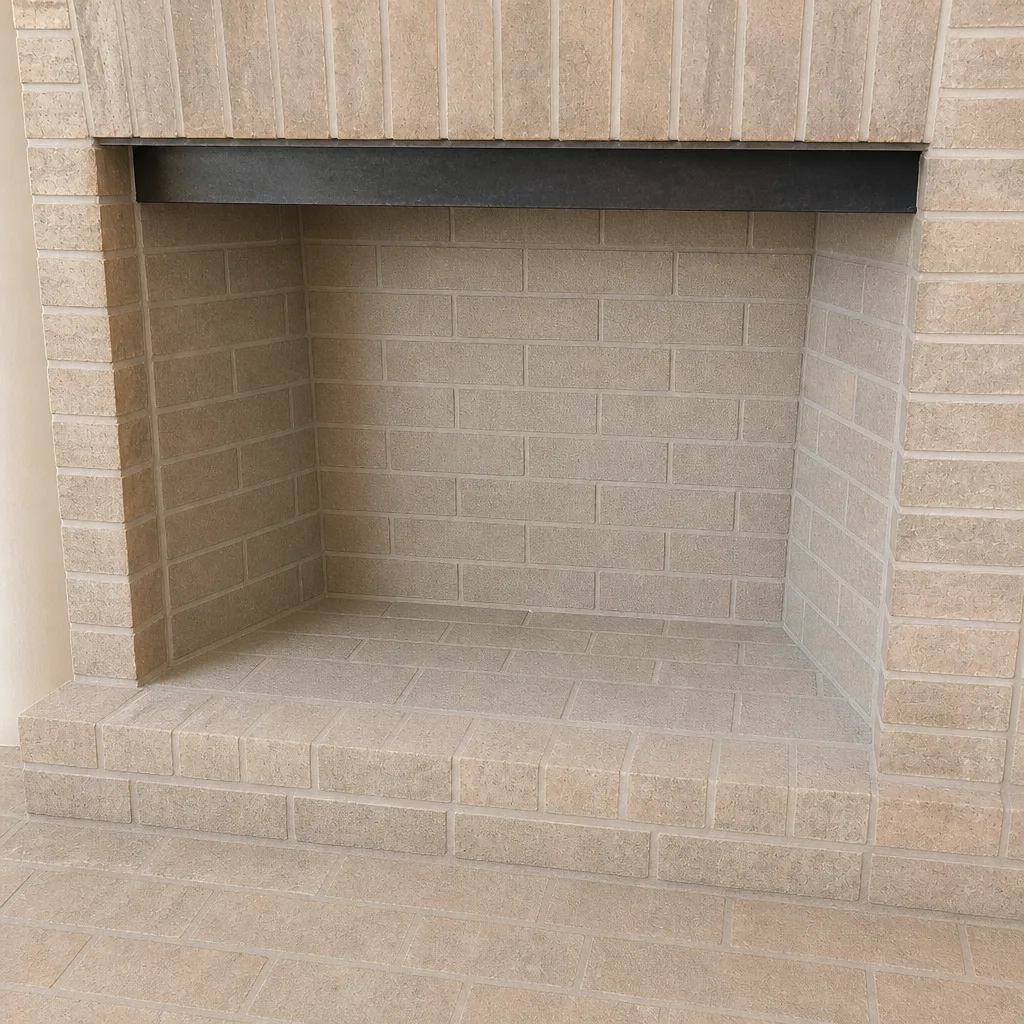 After
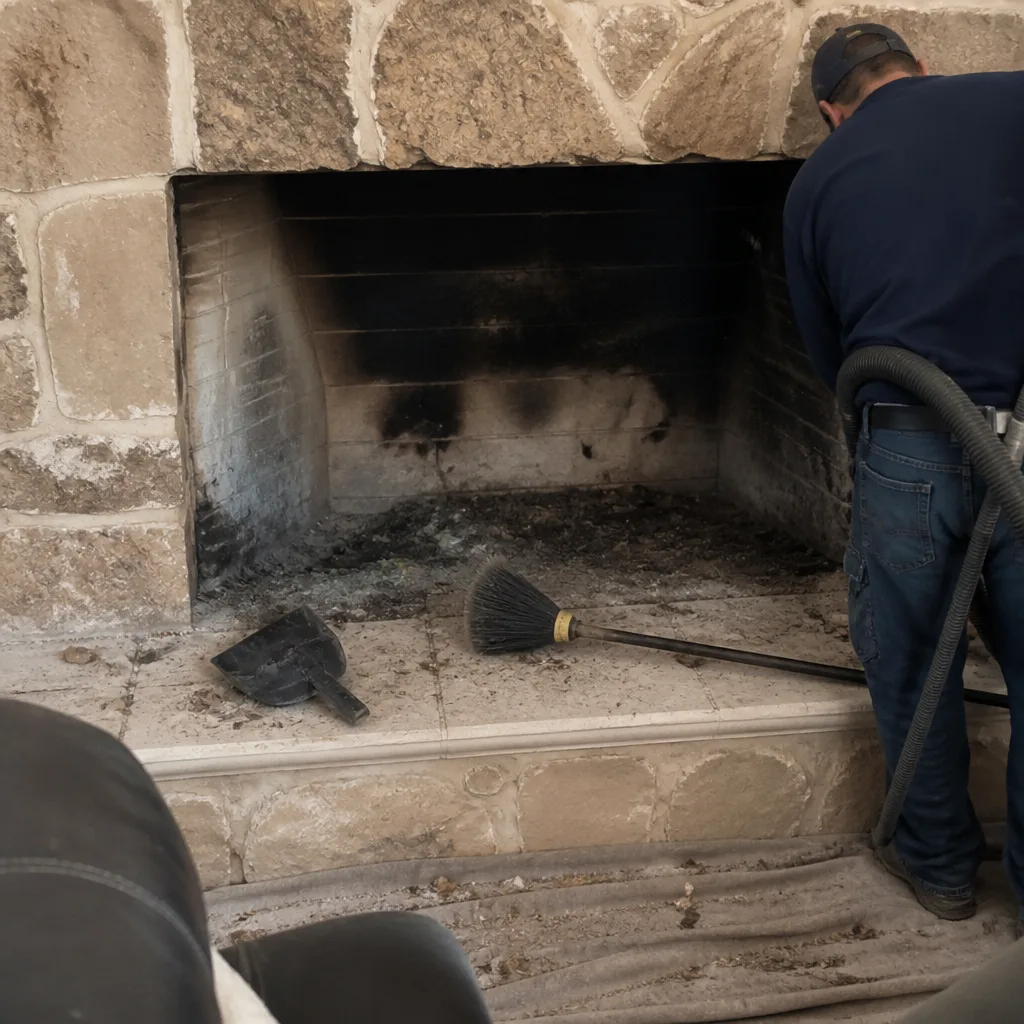 Before
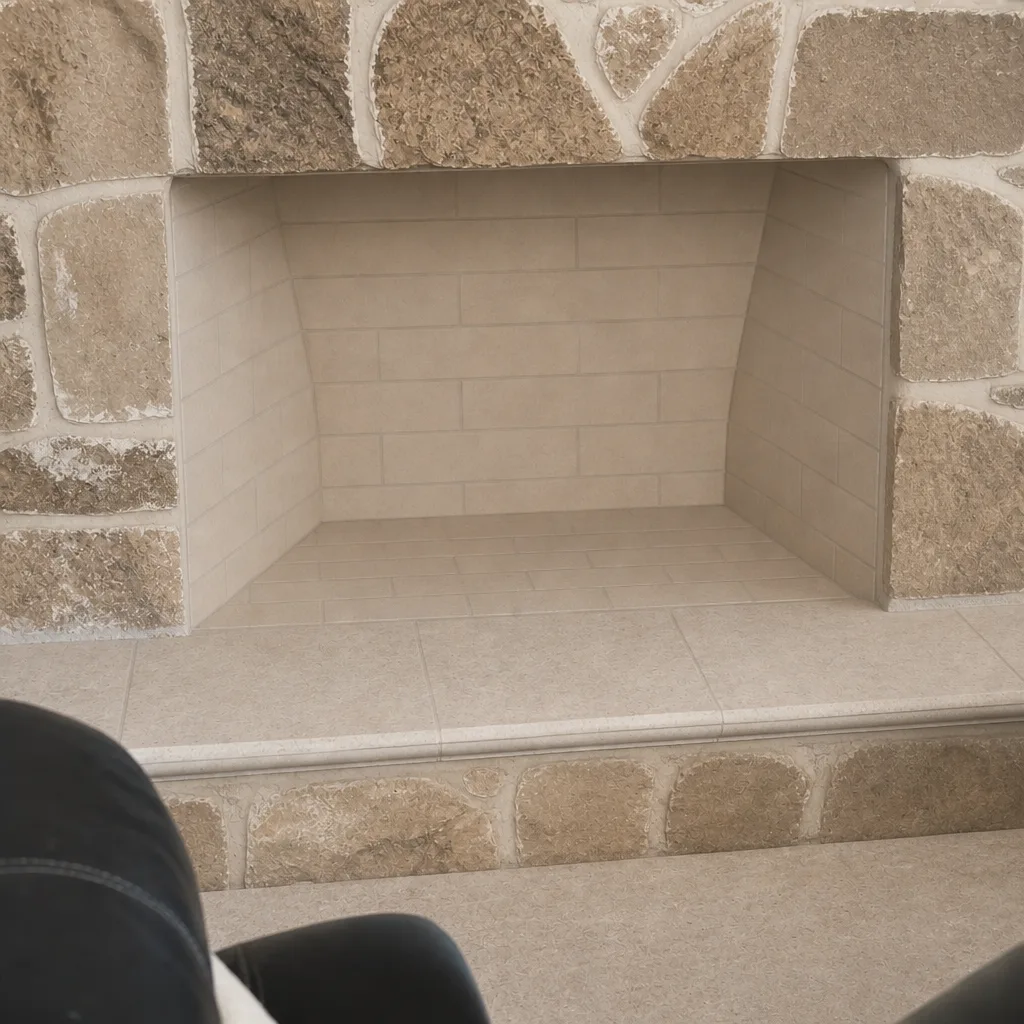 After
HeatShield Products We Service & Install in Energy Corridor
The HeatShield work we handle in Energy Corridor covers the product as a flue resurfacing system. We service and install HeatShield on clay tile flues serving wood-burning fireplaces and gas appliances, and we do the Level 2 inspection, creosote removal, and firebox repair that go with it. That means flue cleaning before a re-wrap so the surface is sound, camera inspection before and after so you can see the difference, and firebox work when the masonry around the opening has its own problems.
We also handle the crown and flashing work that keeps water from getting behind a HeatShield surface. In Energy Corridor’s climate, that exterior work matters as much as the liner itself. A wrap on a flue with a cracked crown is a wrap that’s already working against moisture.
We Also Service These Brands
HeatShield isn’t the only system we know. We also work with DuraFlex flexible stainless liner systems and Gelco products, along with HeatShield. That matters because the right answer for your flue might not be a re-wrap at all. If a flue needs a full reline, we can talk through DuraFlex. If it needs something else, we’ll say so. One company handles the diagnosis, the repair, and the follow-up, with no handoff. It’s not about being tied to one brand.
FAQs – HeatShield Chimney Cleaning Service in Energy Corridor
HeatShield is a flue resurfacing system that functions as a liner applied to the inside of a structurally intact clay tile flue. It’s not a paint-on coating and not a full reliner replacement. It restores the flue’s inner surface so the flue can perform the way it should, which is why proper diagnosis before application matters so much.
Yes, in most cases a delaminated section can be repaired with a focused re-wrap. We clean the flue back to sound substrate, re-apply the genuine HeatShield ceramic-glass fiber wrap to the failed section, and check the crown and flashing to make sure moisture isn’t still getting in. If the flue itself is compromised, a full reline or rebuild may be the honest recommendation instead. Call (844) 625-7014 for a free estimate.
Yes, HeatShield surfaces call for careful cleaning that preserves the wrap and the bond. Abrasive tools that are fine on bare clay tile can damage the HeatShield surface, so the sweep method needs to match the product. We use cleaning methods that suit the installed system, and we check the surface condition during the sweep so early signs of wear get caught before they become a repair.
The musty smell usually means moisture is getting into the flue system and staying there. In Energy Corridor, that’s typically a failed crown, a flashing gap, or a flue that’s been sitting with debris and nests on the wrap through the humid summer. A camera inspection tells you which one it is. Call (844) 625-7014 for a free estimate.
It takes a sweep who knows the product, because HeatShield surfaces and terminations call for care that generic sweep work doesn’t account for. A sweep who doesn’t understand how the wrap sits on the tile can damage the surface during cleaning or miss a debonded section. We work on HeatShield as an independent service provider and we know the failure modes to look for. If your flue needs something other than HeatShield, we’ll tell you.
HeatShield service is priced per job by the written estimate, because the range depends on how much of the flue needs re-wrapping and whether the crown or flashing needs work. We inspect first, show you what we find with photos, and give you a written estimate before any work begins. Estimates are free. Call (844) 625-7014 for an exact quote.
Book Your HeatShield Service in Energy Corridor, TX
If your Energy Corridor home has a HeatShield-lined flue that’s smelling musty, drafting poorly, or hasn’t been inspected in a few seasons, we can take a look. We inspect first, document what we find, and tell you plainly whether a repair can wait. Call (844) 625-7014 for a free estimate. We answer 24/7. Fast dispatch from 7am to 7pm, Sunday through Friday.
Written by the team at Chimney Sweep Energy Corridor.