
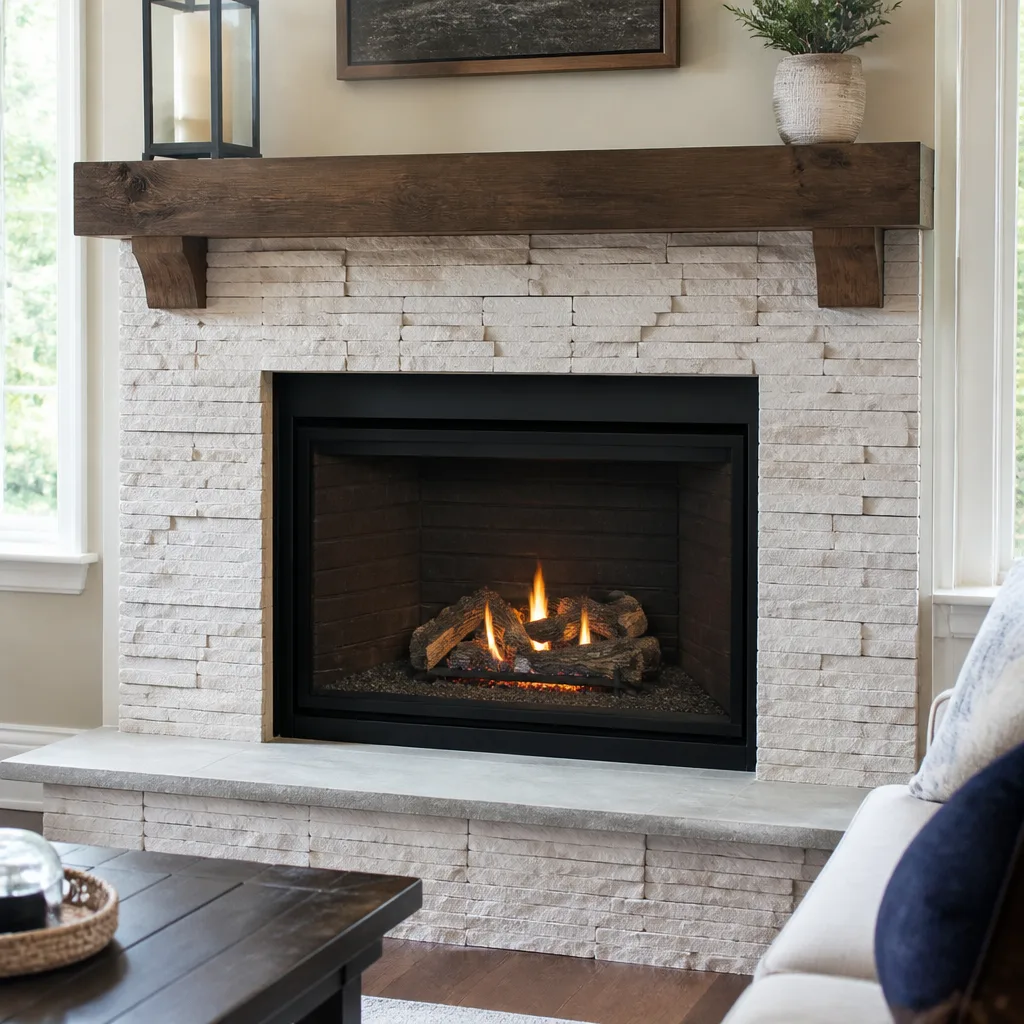
 Gas fireplace service
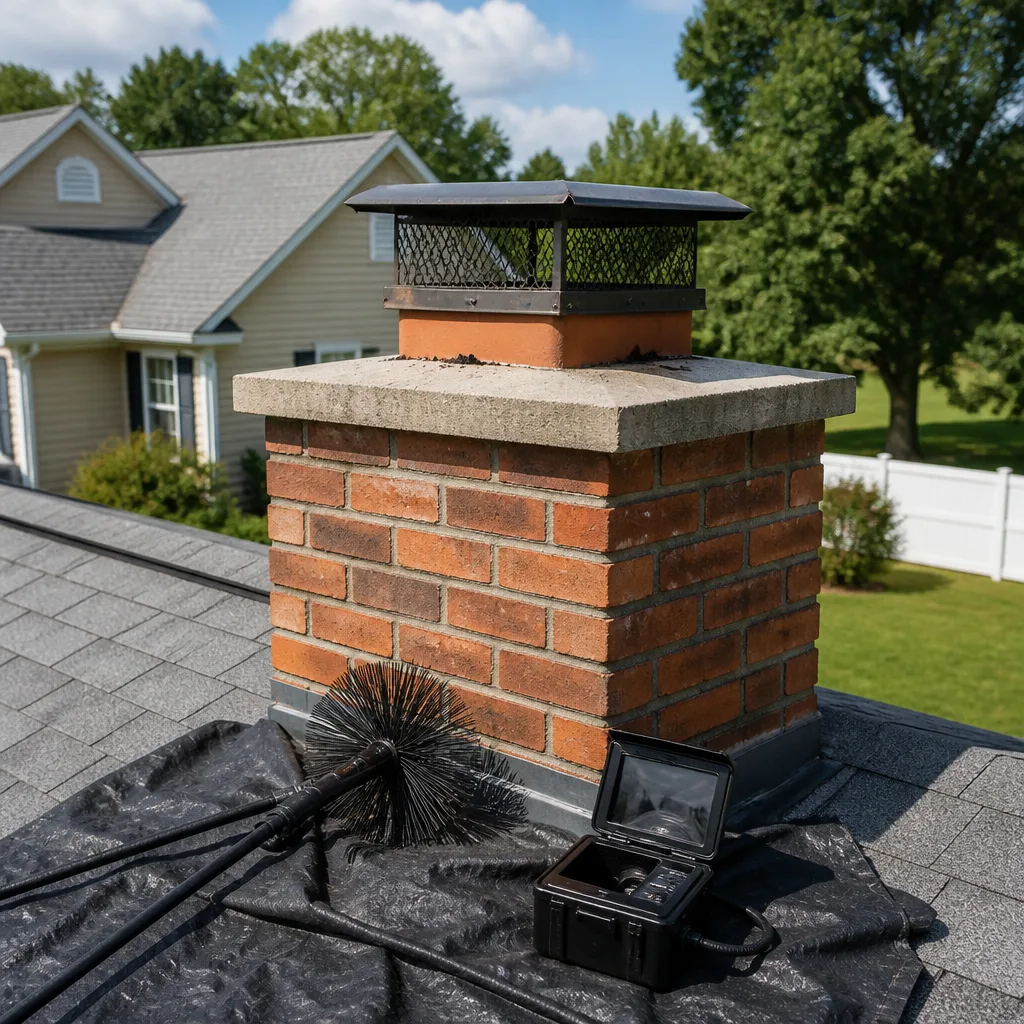 Sweep & inspection
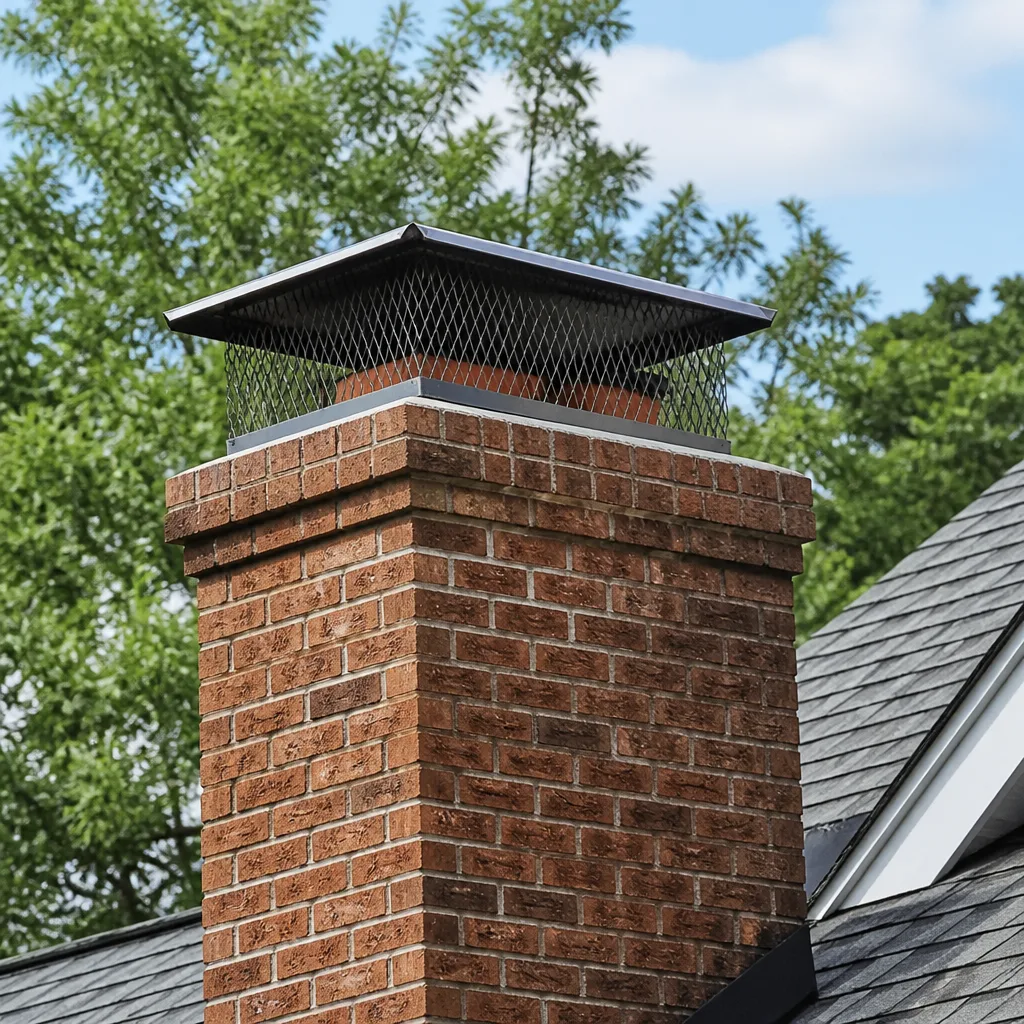 Caps & crowns
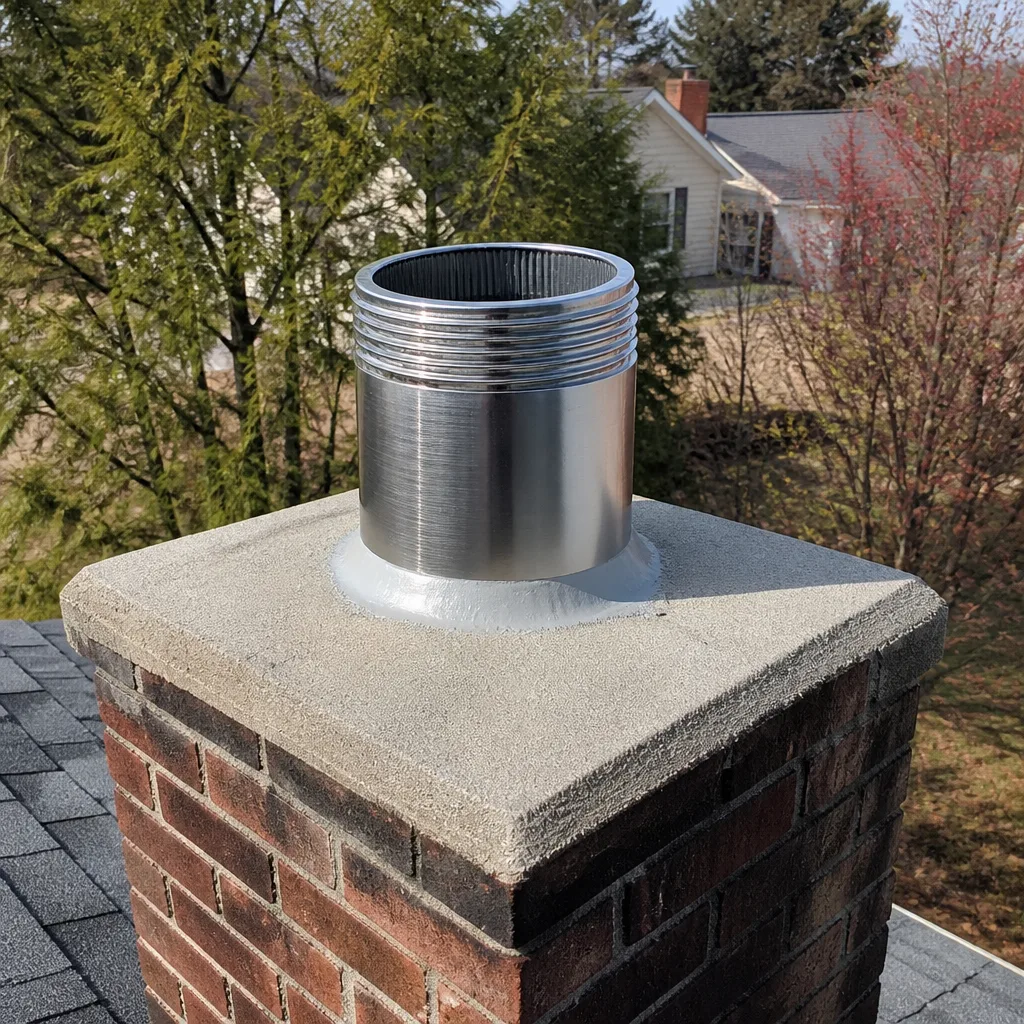 Flue relining
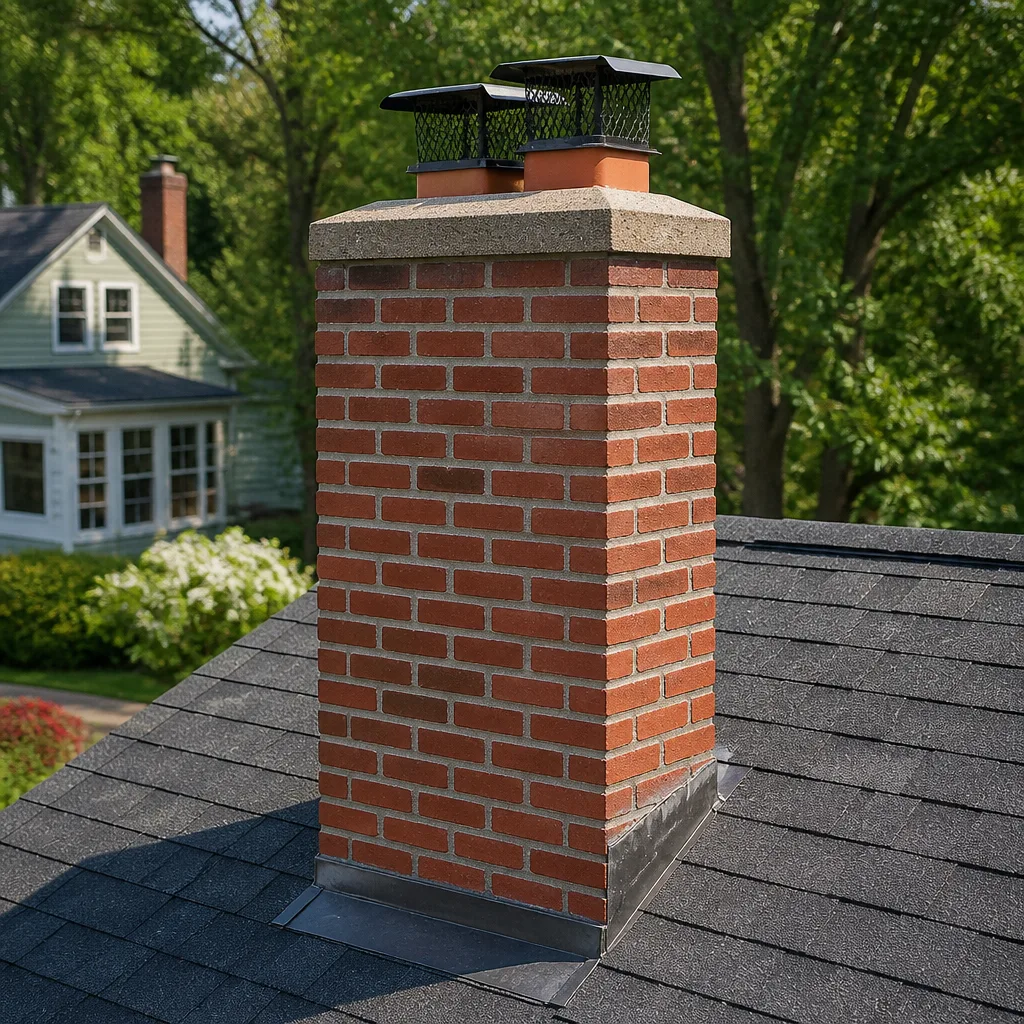 Masonry repair
Level 1 sweep and inspection to the NFPA 211 annual standard - flue, crown, cap, and flashing checked and photographed
Chimney sweep logs do not sweep chimneys. They loosen some creosote - which then falls where a brush and vacuum still have to collect it.
Why Energy Corridor Homeowners Choose DuraFlex Chimney Cleaning
We provide independent DuraFlex chimney cleaning, inspection, and repair in Energy Corridor, TX. We’re not affiliated with DuraFlex, so we have no reason to sell you a new liner when a resealed adapter and a re-set top plate will do. What sets our DuraFlex work apart is component-level knowledge: we know how the insulation wrap, appliance adapter, and top-plate connection behave in Houston’s humidity, and we document what we find with camera photos you can see for yourself.
Energy Corridor is a Houston oil-and-gas employment district, and a large share of its fireplaces sit in 1990s and 2000s master-planned homes and apartment or condo buildings. Many of those are vented gas logs or factory-built boxes installed for atmosphere rather than heat, which means a lot of our Energy Corridor work is inspecting and servicing gas and factory-built fireplaces that see a few decorative burns a year and then sit through long, humid Gulf Coast summers. DuraFlex flexible stainless liners are one of the most widely installed relining systems in Houston-area homes, and they show specific wear patterns here that a generalist sweep crew often misses.
Our technicians have up to 11 years of experience, and we handle the full system from the flue to the crown. Call (844) 625-7014. We answer 24/7. Fast dispatch from 7am to 7pm, Sunday through Friday.
Key takeaways:
- We service DuraFlex flexible stainless liners as an independent provider, not a dealer and not factory-authorized.
- We use DuraFlex OEM top plates, appliance adapters, and caps when keeping the original system intact.
- Every recommendation comes with camera evidence from a Level 2 inspection, and we say plainly when work can wait.
- Our Energy Corridor focus is humid-climate water intrusion at the termination and gas-log and factory-built service, not classic soot-sweeping.
Why Trust Chimney Sweep Energy Corridor for Your DuraFlex Chimney Cleaning?
DuraFlex systems fail in specific places, and knowing those places is what makes the difference between a sweep and a diagnosis. The three components that matter most are the appliance adapter collar at the flue, the top plate and cap at the chase, and the insulation wrap along the length of the liner. Our technicians have up to 11 years of experience reading exactly those joints on Energy Corridor roofs and in Energy Corridor fireboxes.
When the original DuraFlex system is being kept, we use DuraFlex OEM top plates, appliance adapters, and caps. Mixing brands at the termination is one of the leading causes of leaks and re-work, and it’s a mistake we see often. For a partial fix, quality aftermarket clamps and seals are fine if they’re sized correctly. We’re careful about warranty-safe practices too: we avoid practices that would give a manufacturer grounds to deny a claim, and we’ll tell you when a component looks like a warranty matter rather than a service one.
Where generalist handymen guess, we specify. That means naming the part, showing the photo, and explaining why it needs to be replaced rather than resealed. It also means handling inspection findings in-house, so a camera inspection doesn’t end with a referral to a different company that has to start over. One company handles it, from the flue to the crown.
Styles & brands we work with
- Sweep & inspection
- Caps & crowns
- Flue relining
- Masonry repair
- Gas fireplace service
Common DuraFlex Chimney Cleaning Problems We Fix in Energy Corridor
DuraFlex liners are durable, but they’re not maintenance-free, and Houston’s climate finds the weak points. These are the issues we run into most in Energy Corridor homes and condo buildings.
- Appliance adapter collar separating or corroding at the flue collar. The adapter is the joint where the liner meets the appliance, and it takes the brunt of heat cycling and moisture. When the collar separates or rusts through, creosote and condensate leak into the firebox surround instead of staying inside the flue. Homeowners usually spot it as a rust streak or a damp smell near the fireplace.
- Insulation wrap degrading or tearing at the top of the chase or at bends. The foil-faced wrap on an insulated DuraFlex kit keeps the flue gases warm, which keeps creosote from condensing on the liner wall. Where the wrap tears at the chase top or where the liner makes a bend, cold spots form and creosote builds exactly where it’s hardest to sweep. Tearing at the top is common after storm-driven debris or roof work.
- Top plate and cap loosening or rusting after storms. Gulf Coast wind and rain work on the top plate and cap, and a plate that’s no longer sealed lets water track down the outside of the liner. On gas appliances with a 304L stainless flex liner, that water rusts the alloy from the outside in, which is the opposite of what most homeowners expect.
- Reline jobs that were sized or terminated without a proper drip edge or rain cap. When a reline is finished without a drip edge or rain cap, the flex section collects corrosive condensate at the bottom joint. That condensate sits, and over a few Houston summers it eats at the joint and the appliance connection. It’s a fixable detail, but only if someone inspects the termination rather than just sweeping the flue.
- Condensed creosote glazing on lightly used flues. A decorative gas-log fireplace that sees a few burns a year still moves warm, moist exhaust through a cold flue on cool nights, and that’s enough to condense creosote on the liner wall. If it glazes, sweeping gets harder and the risk of a flue fire goes up. This is the most common finding in Energy Corridor’s master-planned homes, where the fireplace is atmosphere, not heat.
One local pattern shows up again and again: a decorative gas-log fireplace in a west Houston subdivision home that hasn’t been run in two or three years. Our technicians typically find rusted dampers, mud-dauber or bird nests in the flue, and a crown cracked by the last hard freeze, not heavy creosote. The 2021 freeze left cracked masonry and freeze-damaged crowns across the area, and those cracks are still letting water in years later.
DuraFlex Parts & Our Repair-vs-Replace Approach
When a DuraFlex system is worth keeping, we rebuild the weak points with components made for it. DuraFlex OEM top plates, appliance adapters, and caps go on where the original liner is staying, and correctly sized aftermarket clamps and seals are fine for a partial fix. We’re clear about what we don’t do: we don’t claim to stock OEM or genuine DuraFlex parts, and we’re not a DuraFlex dealer. We source quality parts that fit your equipment and stand behind the fit.
The repair-versus-replace call comes down to the liner itself. If the flex section is perforated or heavily scaled, honest replacement beats patching a failing section, and we’ll say so. If the liner is sound and the problem is the adapter, the top plate, or the cap, a repair is the right answer and we won’t push a reline. A typical outcome on a DuraFlex reline call is resealing or replacing the adapter collar and re-setting the top plate with a proper cap, then a full sweep of the flex section to clear condensed creosote before it glazes. Call (844) 625-7014 for a free estimate.
Our DuraFlex Service Process – Step by Step
- 1
Diagnosis. Every DuraFlex call starts with a Level 2 inspection when the system warrants it, camera in the flue and photos of the termination, the adapter collar, and the insulation wrap. We document what we find before we recommend anything.
- 2
Repair or install. Depending on what the camera shows, we reseal or replace the appliance adapter, re-set the top plate and cap with the correct drip edge, or, where the liner is failing, install a properly sized flexible stainless liner. Creosote removal happens here too, before any new component goes on.
- 3
Test. We re-check draft at the appliance, confirm the termination sheds water, and make sure the cap seats correctly. You see the photos of the finished work.
- 4
Warranty and documentation. You get a written record of what was serviced and why, which matters if a component later becomes a warranty question. We also tell you when the next interval makes sense.
See the difference
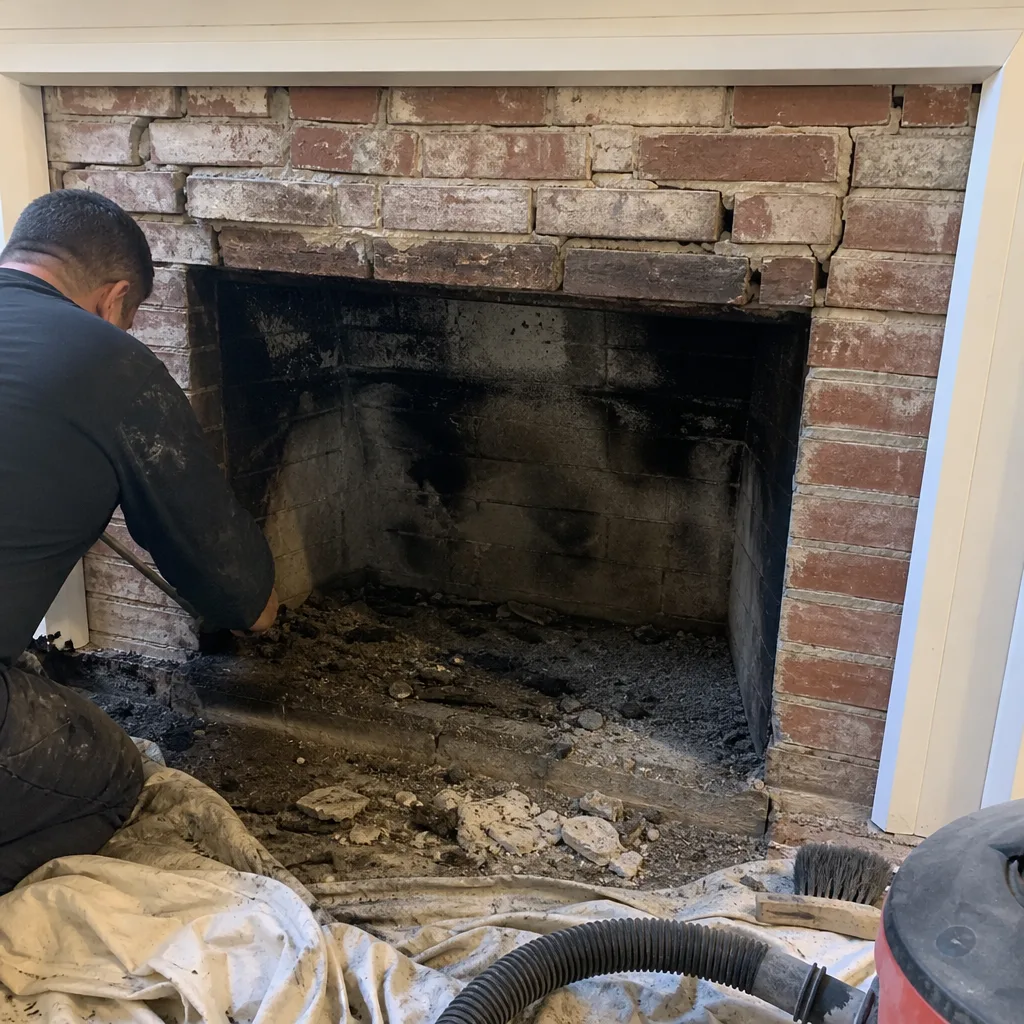 Before
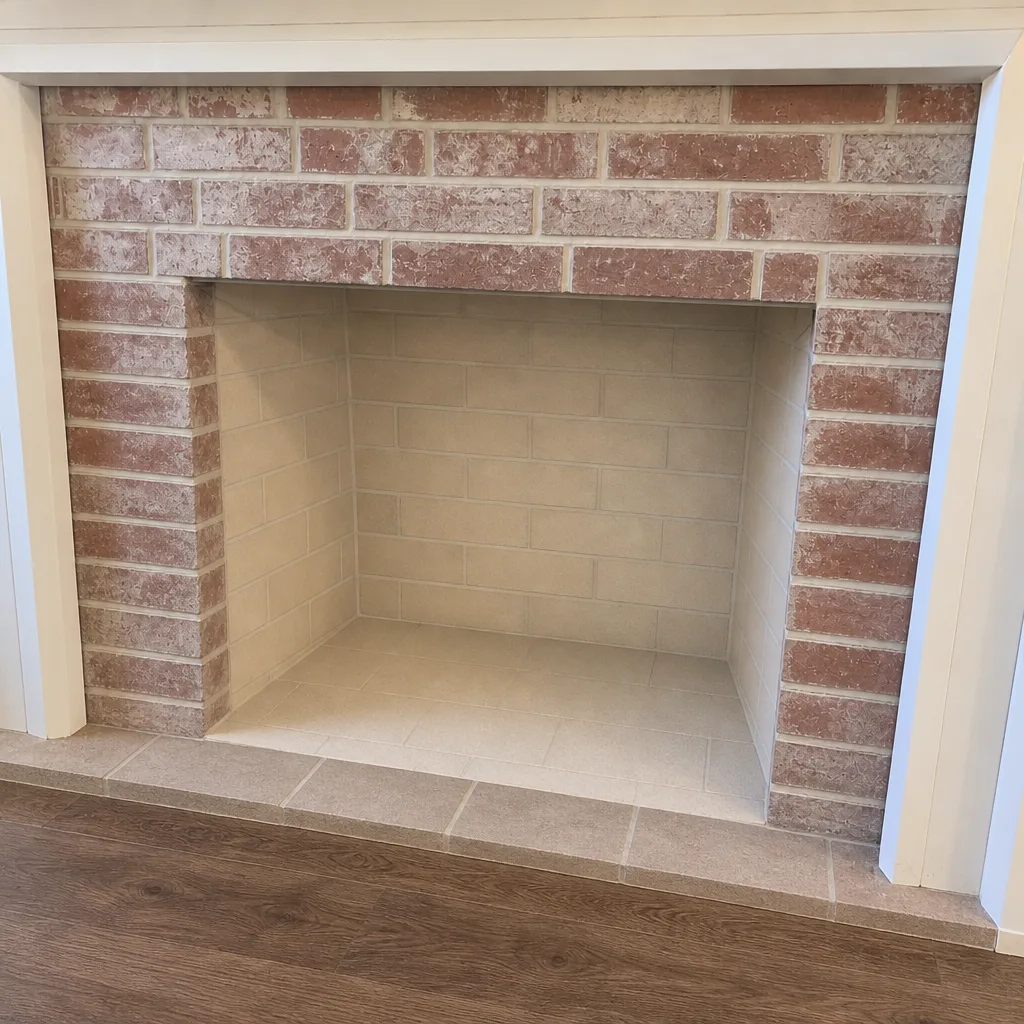 After
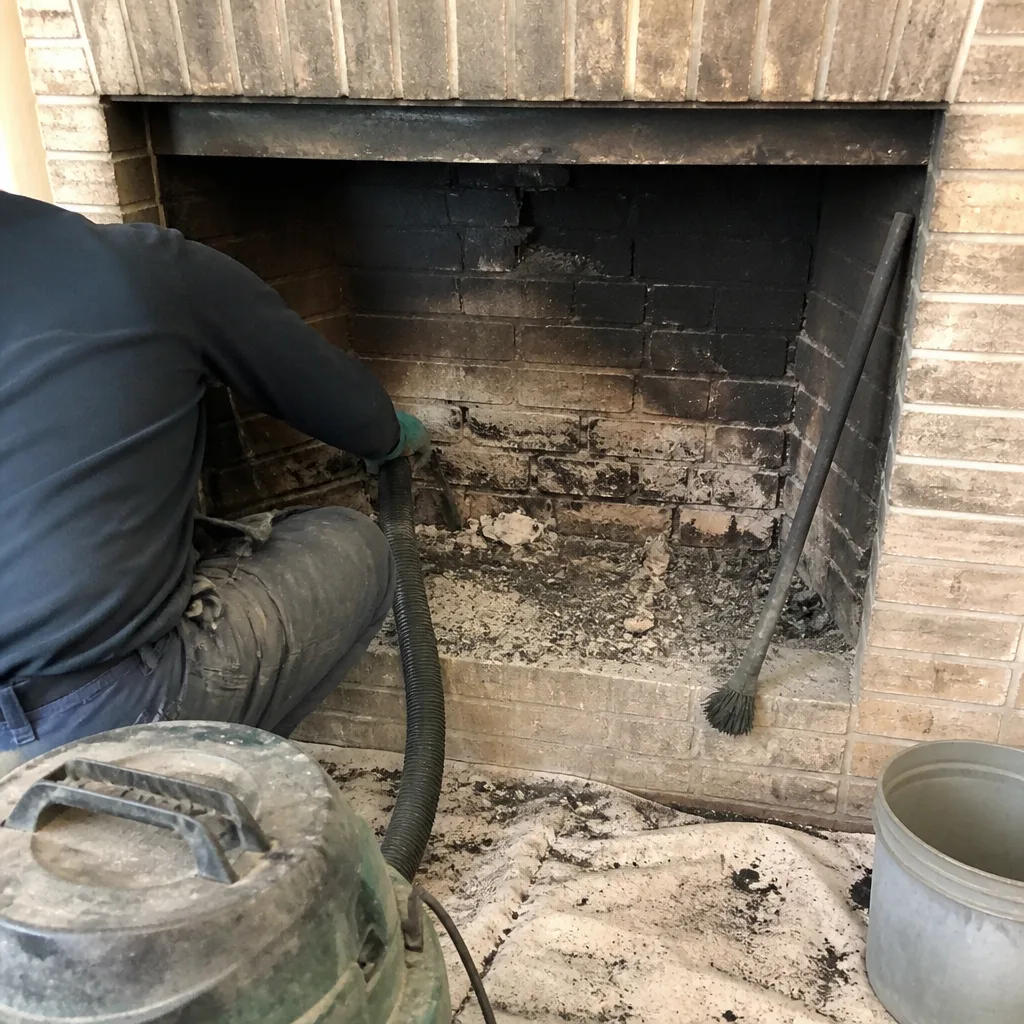 Before
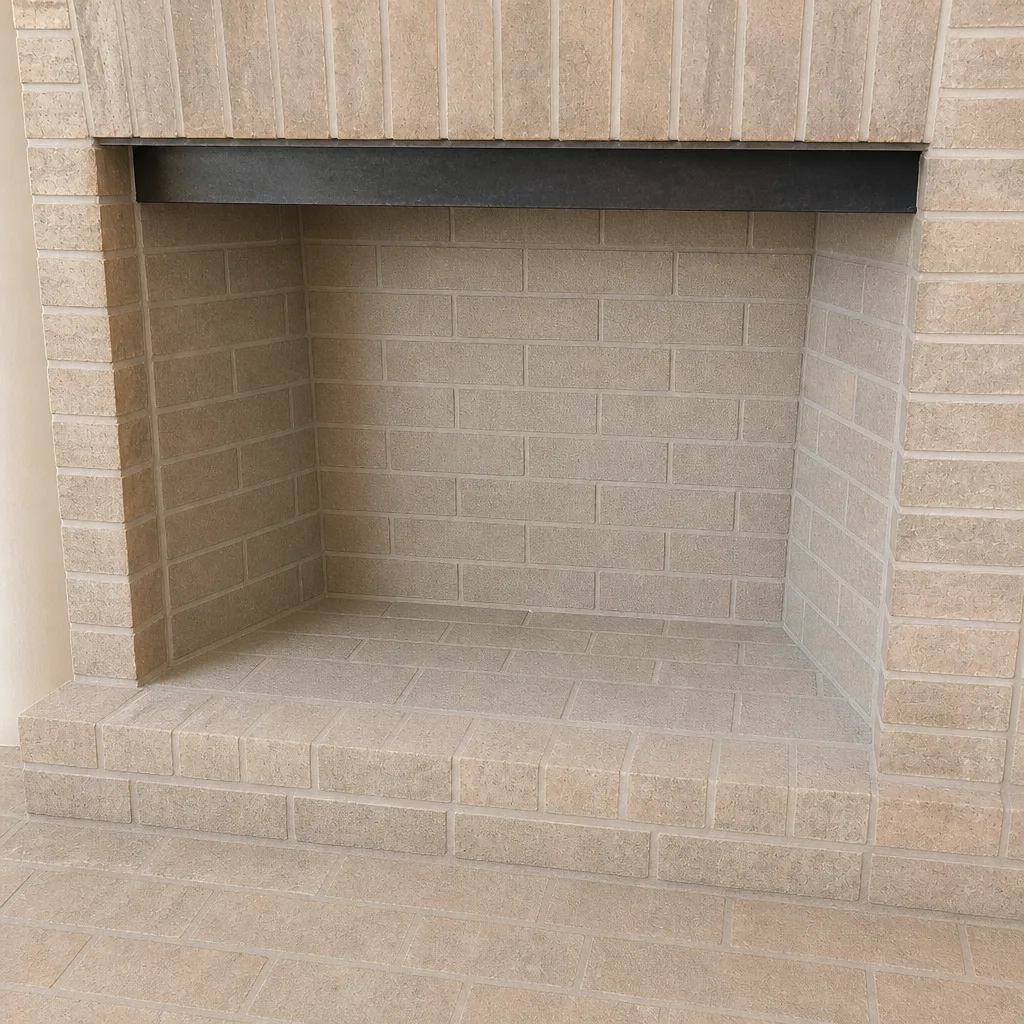 After
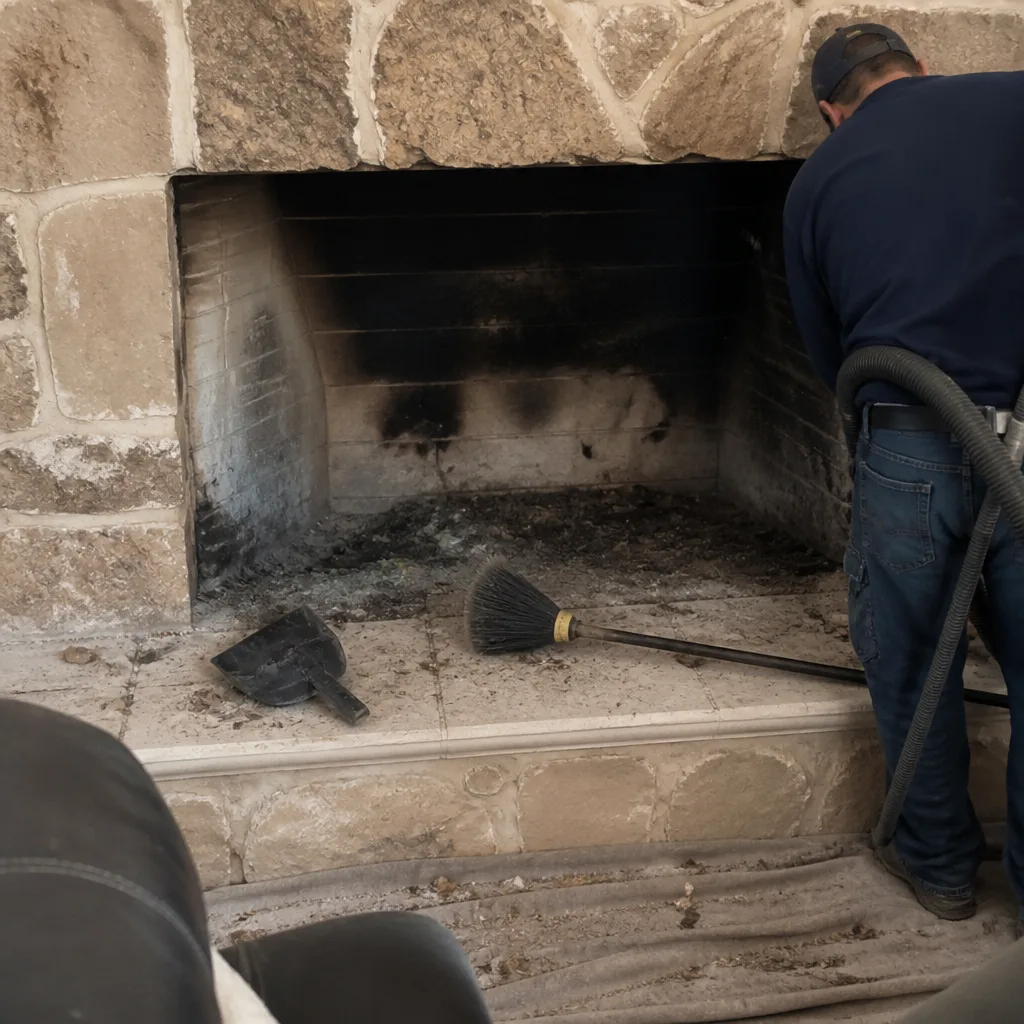 Before
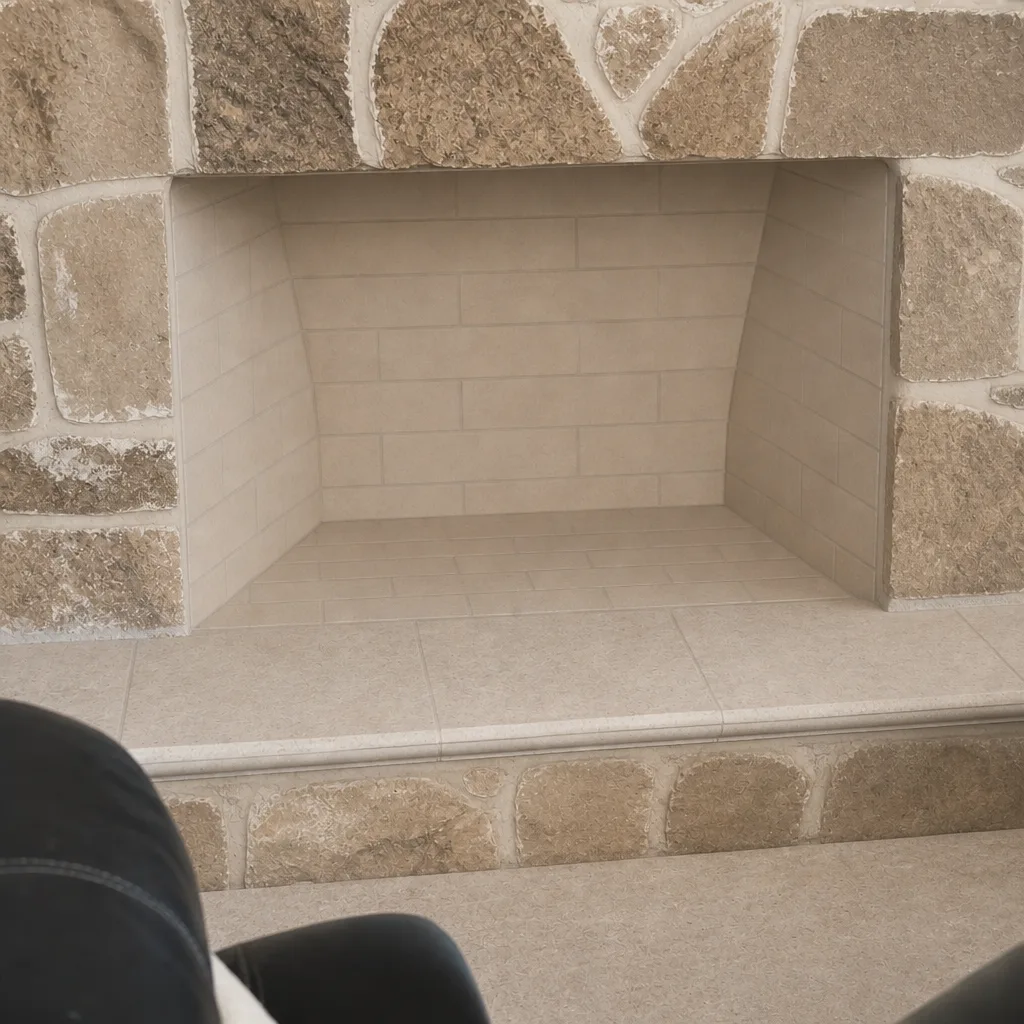 After
DuraFlex Products We Service & Install in Energy Corridor
We work on the DuraFlex system types common in Energy Corridor homes, including DuraFlex Pro rigid-and-flex hybrid liner kits, the 316L stainless flex liner used for wood and pellet appliances, the 304L stainless flex liner used for gas appliances, and insulated liner kits with foil-faced wrap. Much of the local housing stock is 1980s to 2010s suburban tract and master-planned construction plus apartment and condo complexes serving the district’s corporate workforce, with factory-built fireboxes, gas log sets, and exterior-mounted chimneys rather than older masonry stacks. That mix means exterior-mounted chases, which are exposed to more weather and more water intrusion at the plate. Level 2 inspection, creosote removal, and cap replacement are the services we emphasize most on these systems.
We Also Service These Brands
DuraFlex is one brand in a broader chimney industry, and we work across the professional-grade roster rather than pushing a single product line. We also service HeatShield and Gelco systems, alongside Olympia Chimney, Famco, and Copperfield, and we do HeatShield liner resurfacing, which can extend chimney life without a full reliner replacement on a damaged but structurally intact flue. If your system is a different brand, call us and we’ll tell you honestly what we can service.
FAQs – DuraFlex Chimney Cleaning Service in Energy Corridor
No. We’re an independent DuraFlex service provider, not a dealer and not factory-authorized by DuraFlex. That independence is deliberate: we have no incentive to sell you a liner you don’t need, and we’ll recommend a repair when a repair is the right answer.
Usually, yes. Most DuraFlex sweeps are done through the firebox with the insert in place, using rods and brushes sized to the liner. When the camera shows heavy glazing or a separated appliance adapter collar, though, we may need to pull the insert to reach the joint properly, and we’ll tell you before we start why.
Rust almost always traces back to water getting in at the termination, not to the liner itself. A loosened top plate, a missing drip edge, or a cap that’s no longer seated lets rain track down the outside of the liner, and on a gas appliance with a 304L stainless flex liner, that water rusts the alloy from the outside. Fixing the termination is the real repair. Call (844) 625-7014 for an inspection and free estimate.
It’s common, and it’s worth fixing before the next rain. Gulf Coast wind and debris work on the plate and cap, and a plate that has lifted or lost its seal lets water onto the liner and into the chase. We re-set the plate with the correct drip edge and a properly seated cap.
A Level 2 inspection is the right call when the liner has been relined, when there’s been a chimney fire, when you’ve noticed rust or a damp smell, or when you’ve just bought the home. A Level 1 is fine for a routine annual check on a system you know well. Camera work is what separates them, and the camera is what finds adapter and top-plate problems.
Replace when the flex section itself is perforated or heavily scaled; repair when the liner is sound and the problem is the adapter, plate, or cap. We show you the camera photos either way so the call is yours to make. Call (844) 625-7014 for a free estimate.
We service DuraFlex Pro rigid-and-flex hybrid liner kits, 316L stainless flex liners for wood and pellet appliances, 304L stainless flex liners for gas appliances, and insulated liner kits with foil-faced wrap. We don’t claim to stock them, but we service and install what fits your system.
Not if the work follows manufacturer practice, and that’s how we work. Using the right components at the termination and avoiding improvised seals protects your position. When a component looks like a warranty matter rather than a service one, we’ll tell you.
A DuraFlex sweep usually runs under two hours. A Level 2 inspection with camera work takes a bit longer, and a component repair or adapter replacement adds time on top of that. We give you a range when we book, once we know what we’re walking into.
We estimate cost per job by written estimate rather than quoting a flat price sight unseen, but typical ranges in the Houston market look like this:
- Standard DuraFlex sweep: $180 to $340
- Level 2 camera inspection: $250 to $450
- Appliance adapter reseal or replacement: $150 to $400
- Top plate, cap, and drip edge re-set: $200 to $500
- Full flexible stainless reline (if needed): $2,800 to $6,500
The written estimate sets the final price, and estimates are free. Call (844) 625-7014 for an exact quote.
Book Your DuraFlex Service in Energy Corridor, TX
If you own a DuraFlex system in Energy Corridor, the useful thing you can do this season is get it inspected before the burning months and find out whether water is getting in at the termination. Call (844) 625-7014 for a free estimate. We answer 24/7. Fast dispatch from 7am to 7pm, Sunday through Friday. We document what we find, show you the photos, and one company handles it from the flue to the crown.
Written by the team at Chimney Sweep Energy Corridor.