
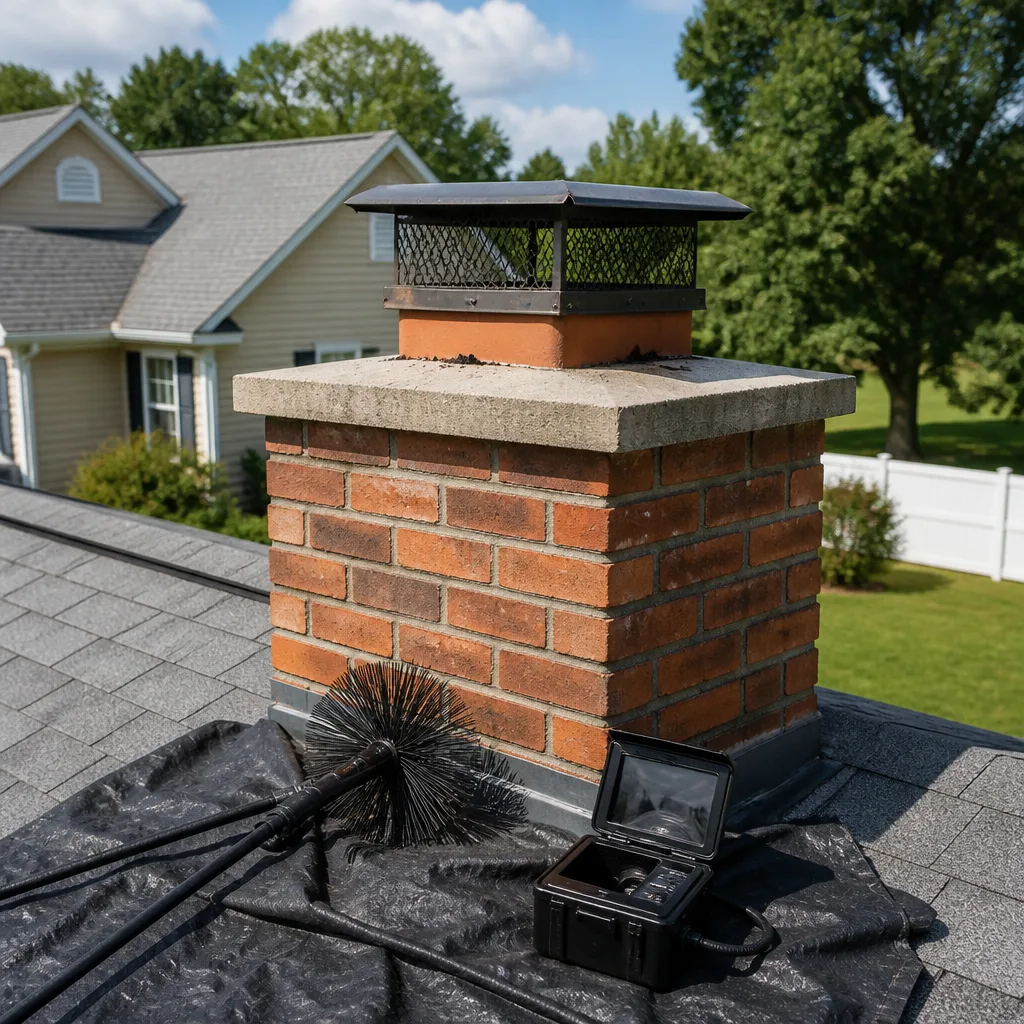
 Sweep & inspection
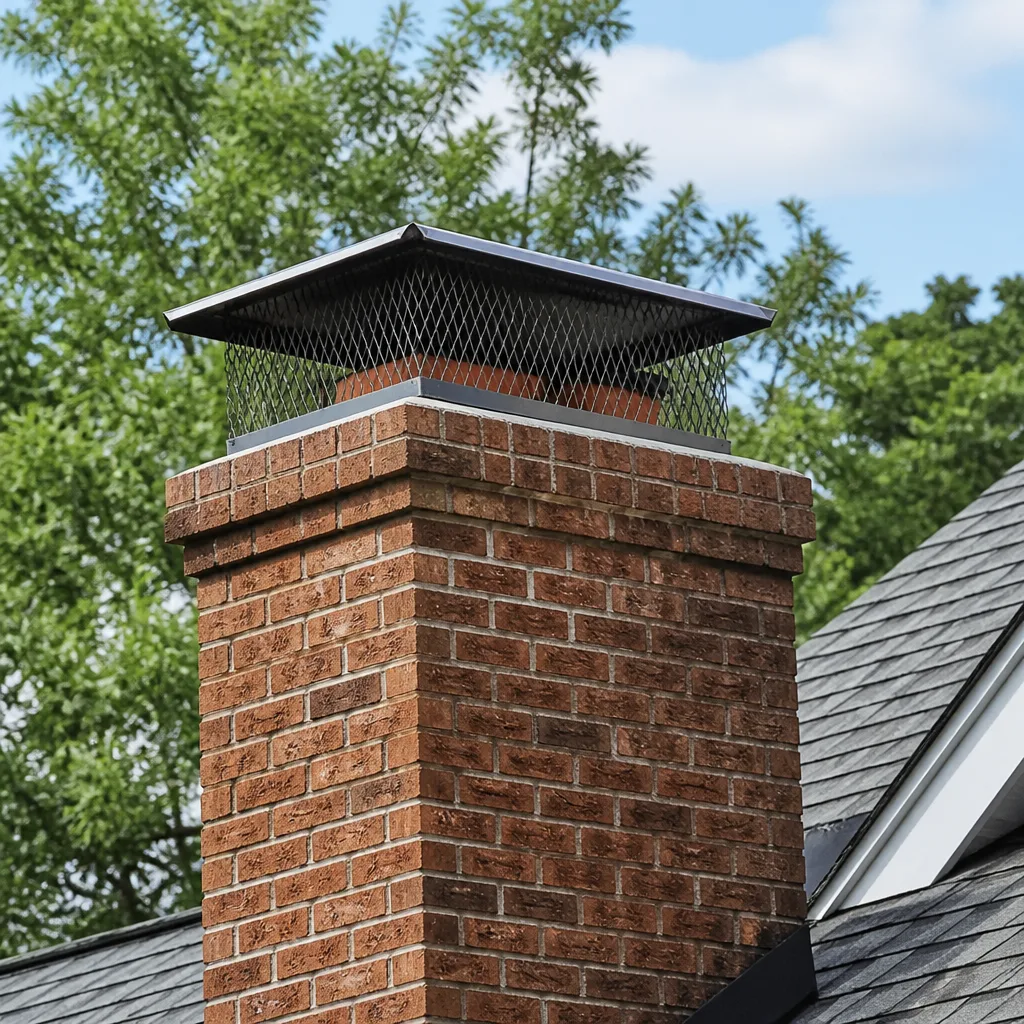 Caps & crowns
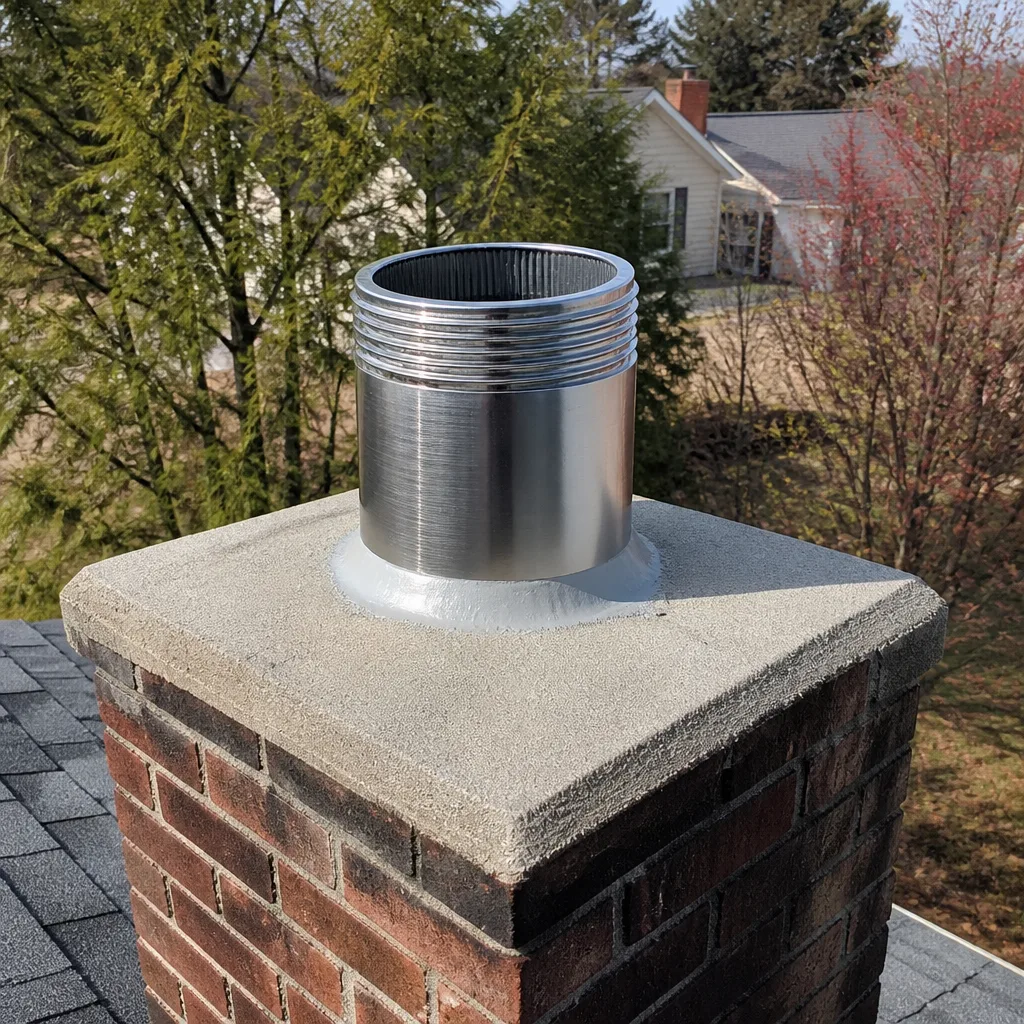 Flue relining
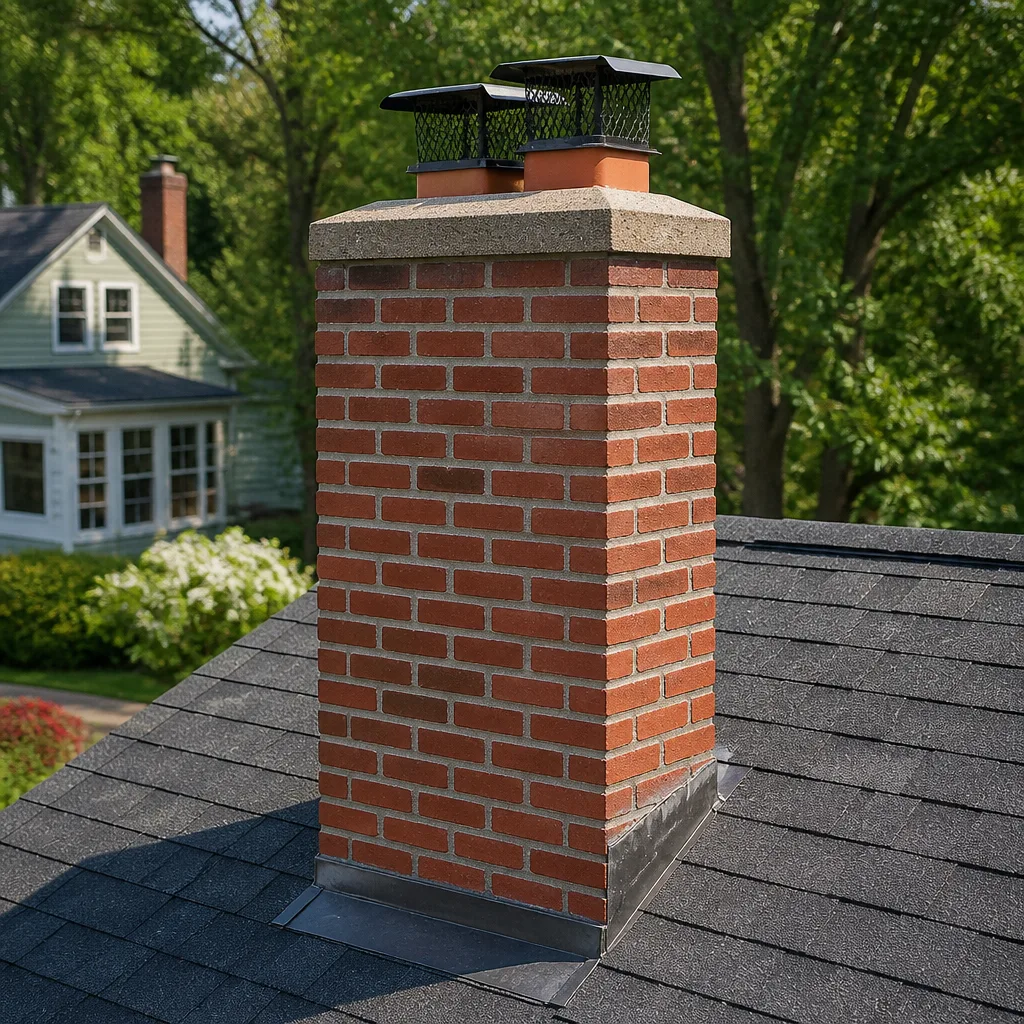 Masonry repair
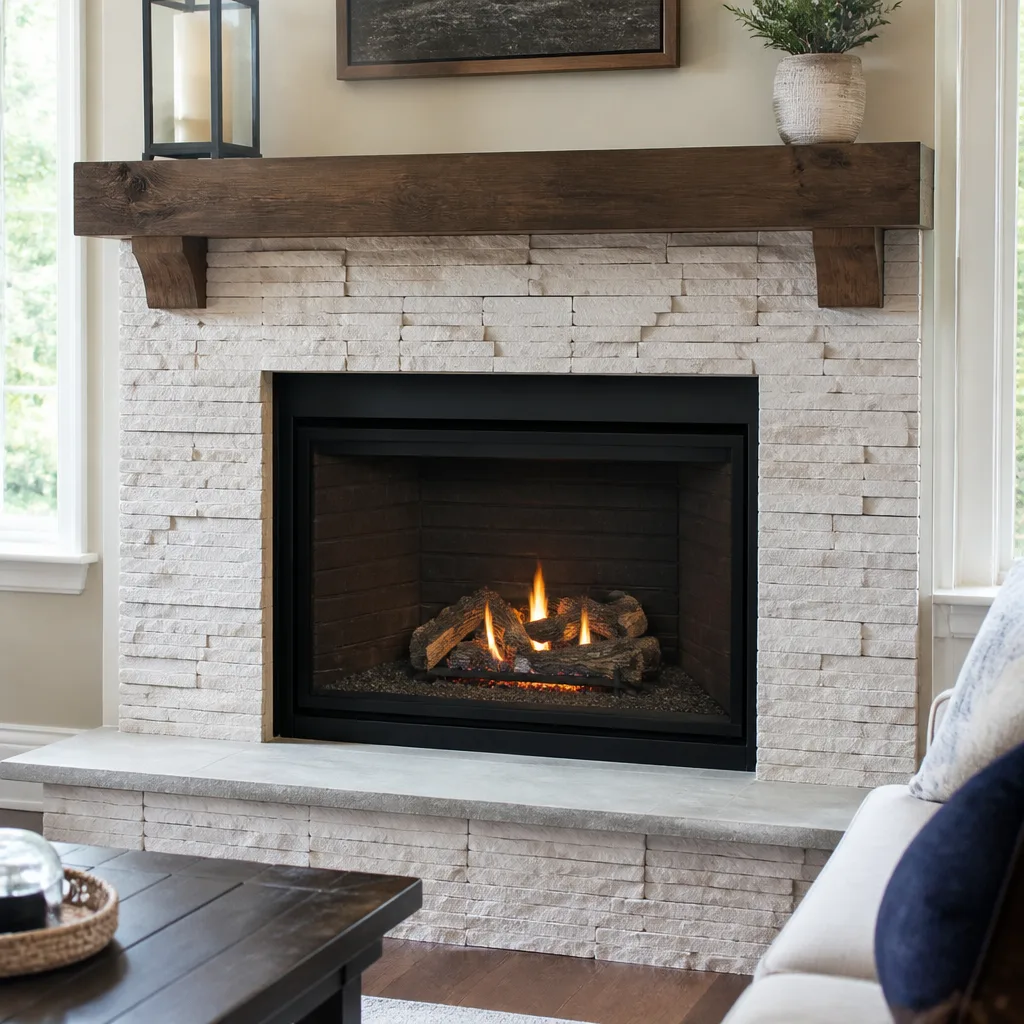 Gas fireplace service
Level 1 sweep and inspection to the NFPA 211 annual standard - flue, crown, cap, and flashing checked and photographed
Chimney sweep logs do not sweep chimneys. They loosen some creosote - which then falls where a brush and vacuum still have to collect it.
Styles & brands we work with
- Sweep & inspection
- Caps & crowns
- Flue relining
- Masonry repair
- Gas fireplace service
See the difference
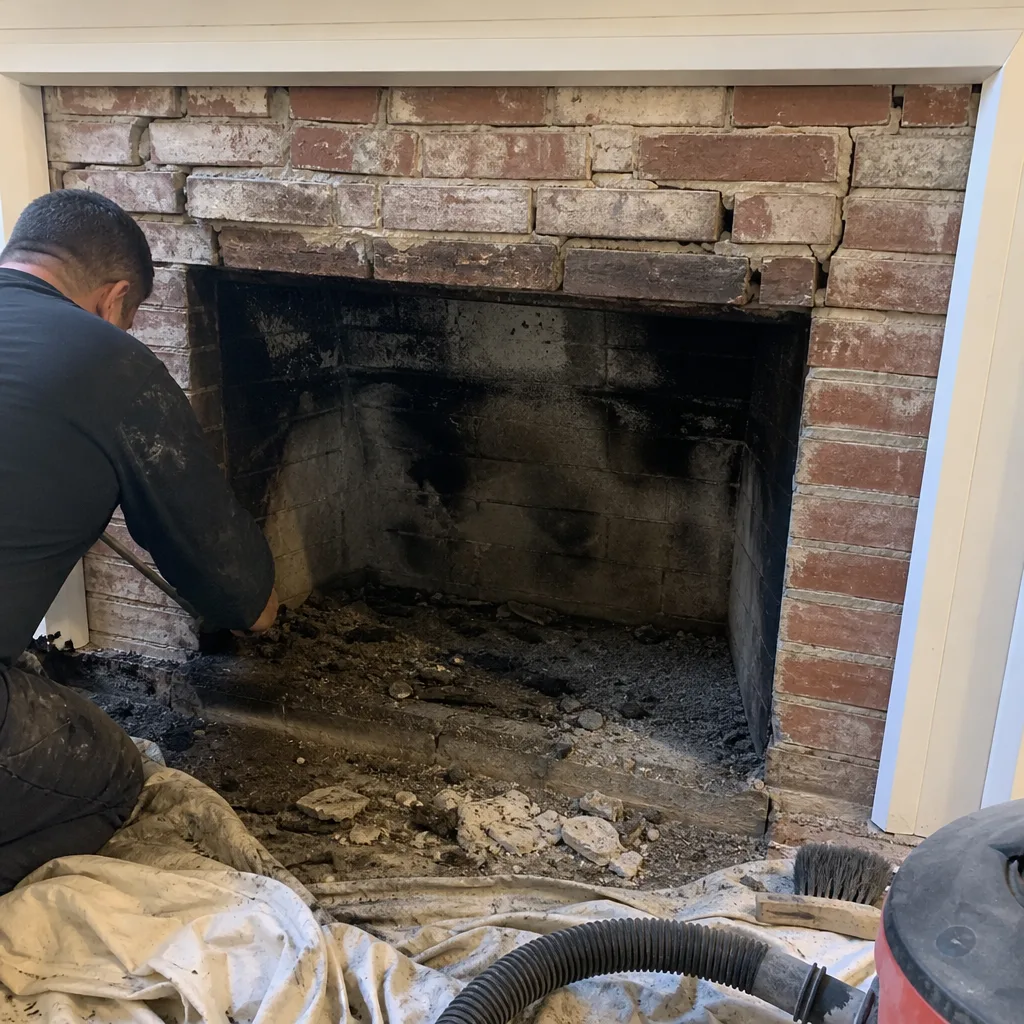 Before
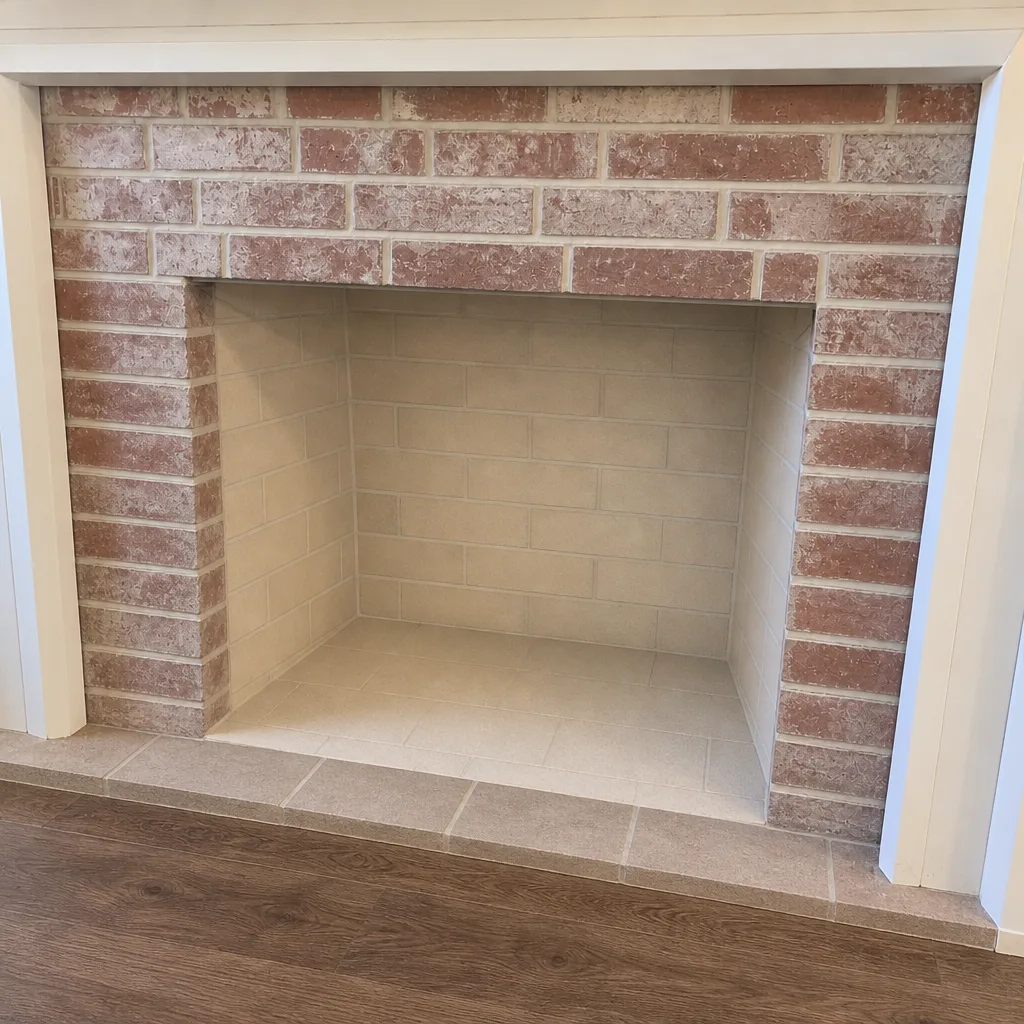 After
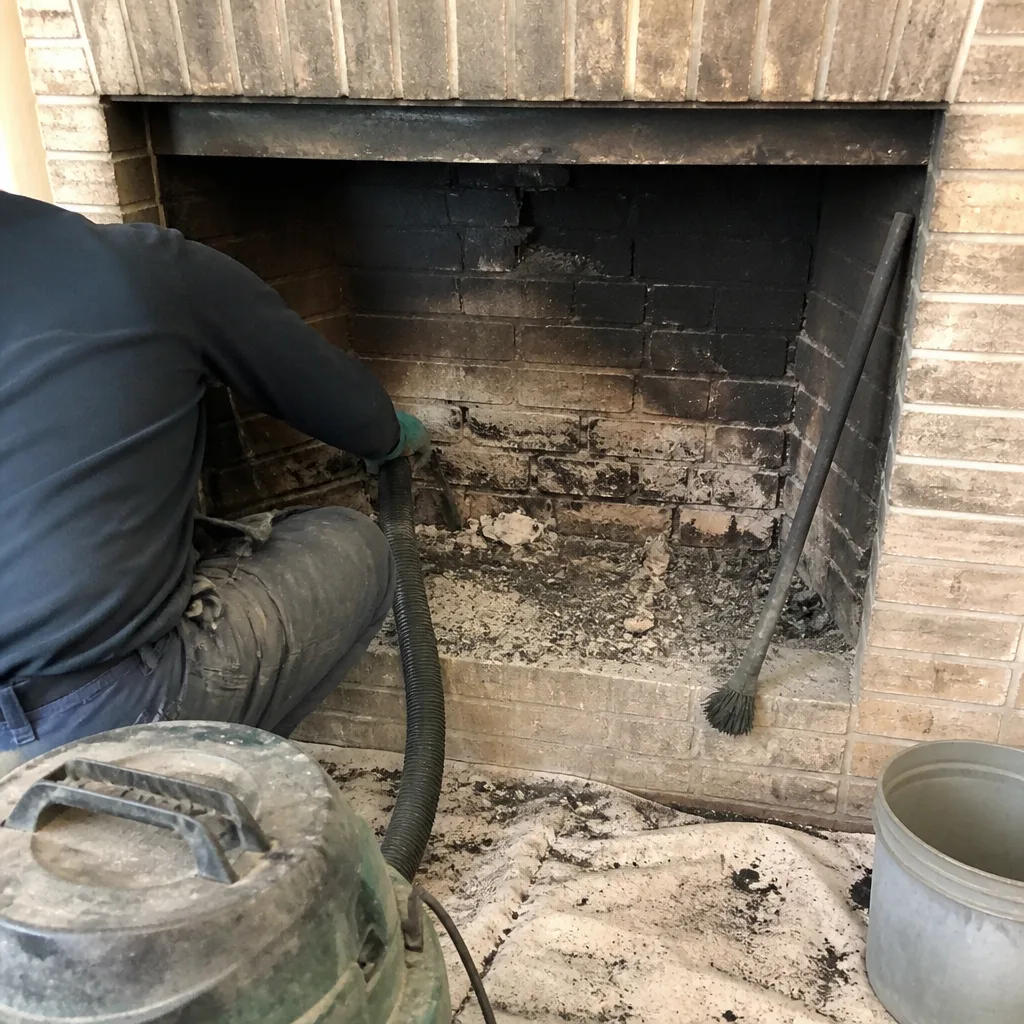 Before
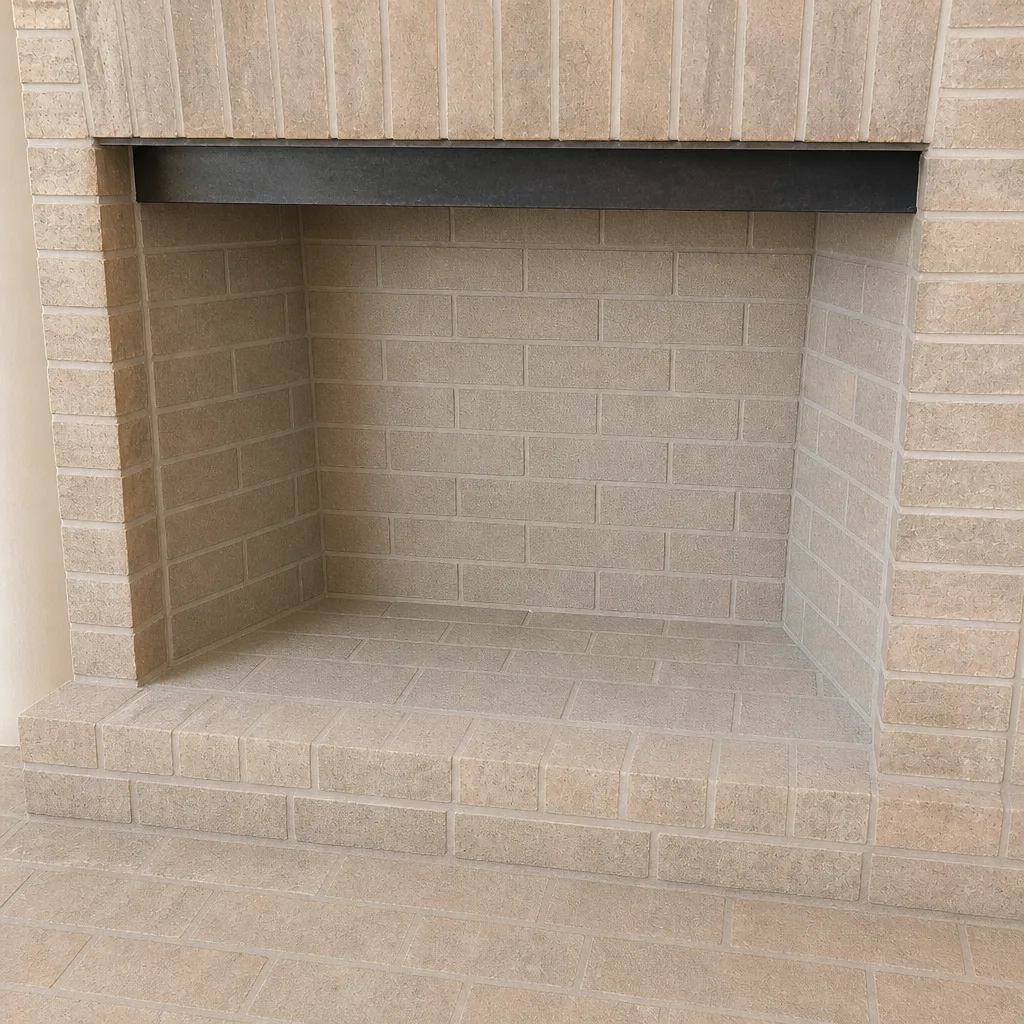 After
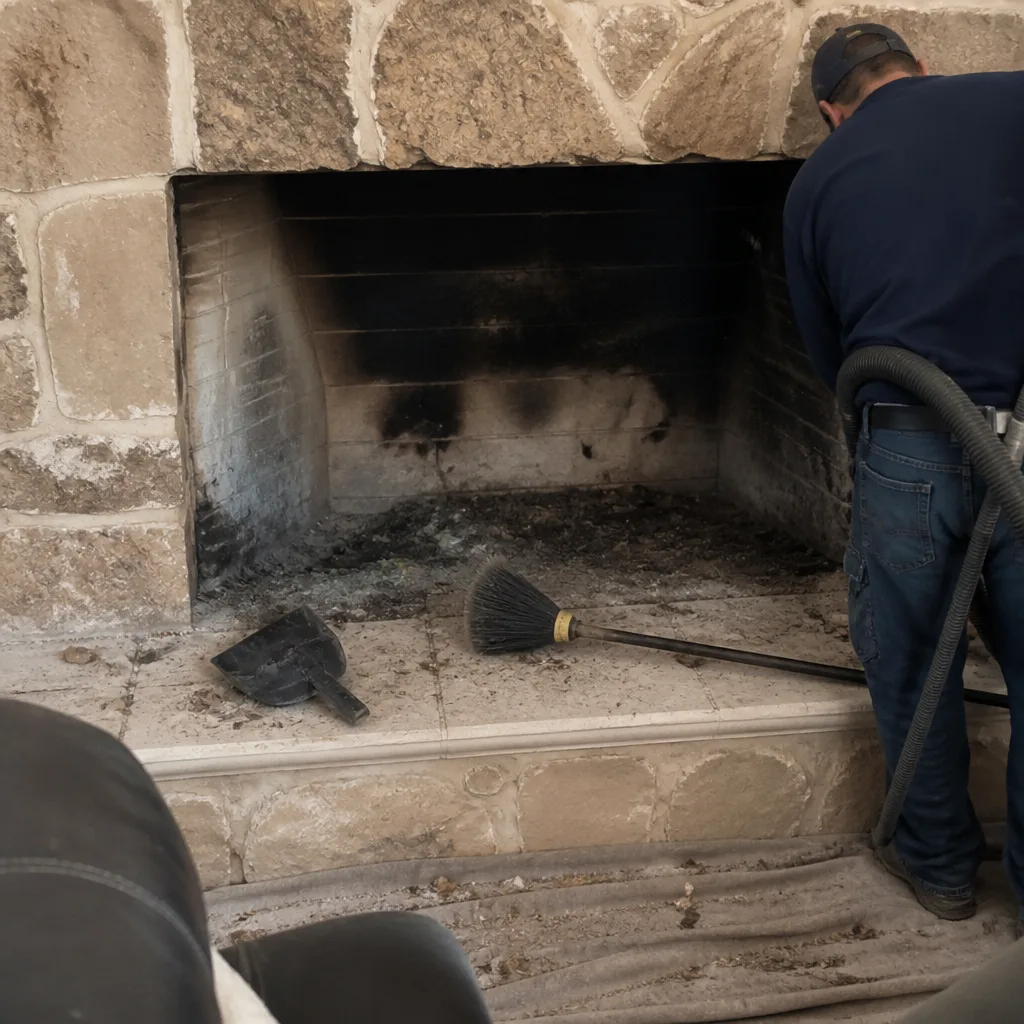 Before
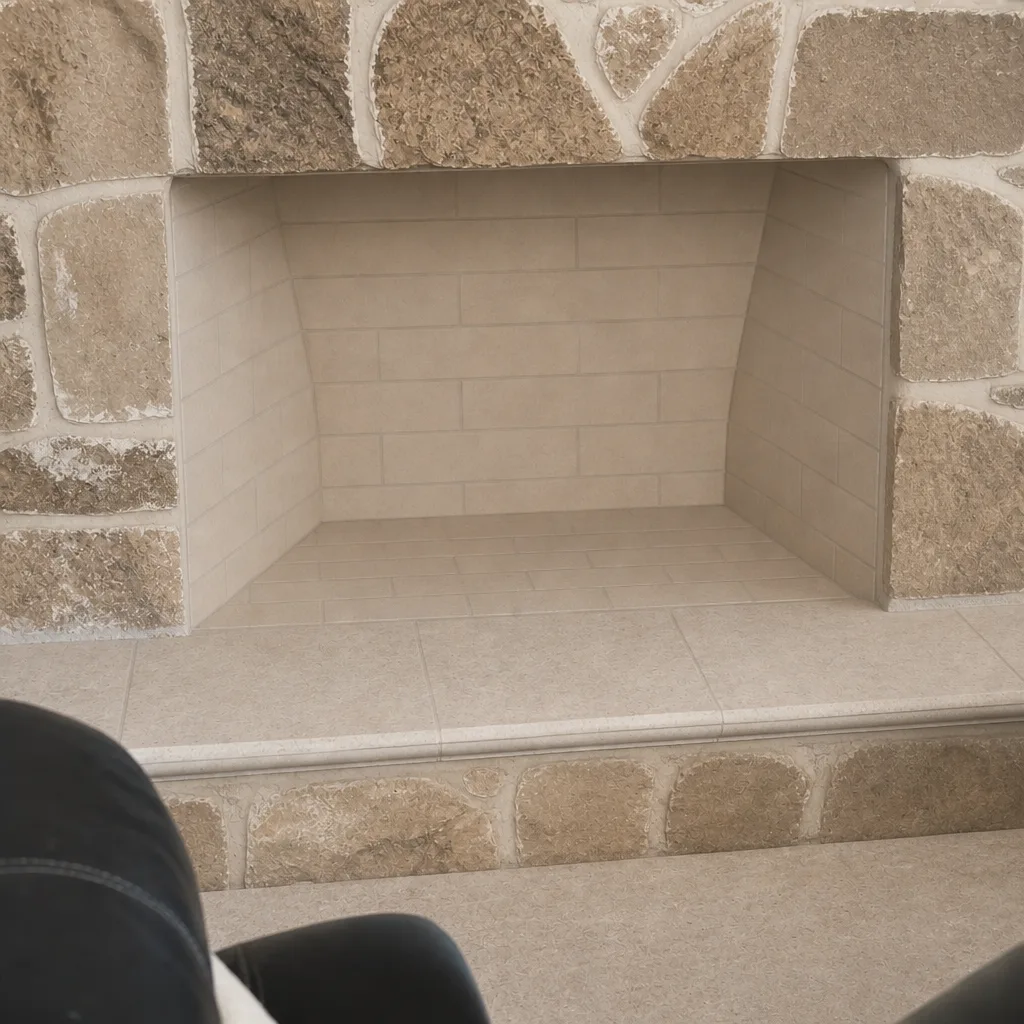 After
How Much Does Chimney Liner & Rebuild Cost in Energy Corridor?
A chimney liner replacement in Energy Corridor typically runs $2,400 to $6,800, and a partial chimney rebuild usually falls between $3,500 and $12,000 depending on how much masonry is involved. A full rebuild from the roofline up can reach $15,000 or more when the entire stack has to come down and go back up. Those ranges cover the real variables here: flue size, masonry condition, and whether the job calls for a stainless liner, a HeatShield resurfacing, or new brick and mortar.
We price every chimney liner and rebuild job in Energy Corridor with a written estimate, and that estimate is free. Our technicians have up to 11 years of experience, and we work with professional-grade products from DuraFlex, HeatShield, Gelco, Olympia Chimney, Famco, and Copperfield rather than parts pulled off a hardware-store shelf.
Two things drive the number up or down more than anything else in this part of Houston: how much of the flue is accessible, and how deep the water damage has already gone. Energy Corridor’s humid summers and heavy spring rain put a lot of stress on masonry chimneys, and a lot of the liners we look at failed from moisture long before they failed from heat.
Chimney Liner & Rebuild Cost Breakdown (2026)
Here’s how the work breaks down in dollars for the Energy Corridor market. These are typical ranges, not a quote. The written estimate we leave with you sets the final price.
| Line item | Typical range | What’s included |
|---|---|---|
| Stainless flexible liner (DuraFlex), single flue | $2,400 – $5,200 | Liner, top plate, cap adapter, insulation wrap where needed |
| Liner for a complex or offset flue | $3,800 – $6,800 | Flexible system for bends and offsets, extra fittings, longer run |
| HeatShield flue resurfacing (no full reliner) | $1,800 – $3,600 | Resurfacing of a structurally intact flue; alternative to relining |
| Crown rebuild | $650 – $1,600 | Remove failed crown, form and pour new crown with proper slope |
| Chimney cap replacement | $300 – $850 | New cap sized to the flue, top-mount or multi-flue |
| Partial rebuild (upper stack, roofline up) | $3,500 – $8,500 | Brick and mortar replacement for the visible upper section |
| Full rebuild (stack to foundation) | $9,000 – $15,000+ | Full teardown and rebuild, flashing, crown, new liner typically separate |
| Level 2 inspection before the work | $250 – $500 | Camera scan of the flue, documentation of findings |
The spread inside each row is real, not padding. A straightforward liner on a straight, easy-access flue sits at the low end. Add a bend in the flue, a second story of scaffold work, or a masonry section that needs rebuilding before the liner can go in, and you move toward the top of the range. The rebuild line is the one that surprises people most: a partial rebuild that replaces just the upper stack and a full rebuild that takes the whole chimney down are two very different jobs, and the price difference between them is large. We document what we find during the inspection so you can see which one you’re actually looking at.
What Affects Chimney Liner & Rebuild Pricing in Energy Corridor
Liner and rebuild costs move on a handful of factors. Six of them come up on almost every job here.
- Flue size and configuration. A straight flue with easy access takes less time and less material than one with offsets or bends. Flexible DuraFlex systems handle the bends, but the extra length and fittings show up in the price.
- Masonry condition. If the brick and mortar around the flue have deteriorated, the liner can’t go in until that’s addressed. In the Energy Corridor’s humid climate, moisture soaking into masonry over a stretch of summers is the single most common reason a liner job turns into a rebuild.
- Liner material and brand. We use DuraFlex stainless flexible lining for most relining work because it handles the bends and offsets real chimneys have. Cheaper corrugated liners exist, but they don’t match the durability or the fit of a professional-grade system.
- Height of the chimney. A taller stack means more material, more scaffold or ladder work, and more time. Above the roofline of a typical Energy Corridor two-story home, that adds up.
- Whether you repair or reline. A flue that’s cracked but structurally intact can often be resurfaced with HeatShield instead of fully relined, which is a meaningfully lower cost. This is a decision that comes out of the inspection, not the quote.
- Water intrusion already in progress. A missing or damaged cap and a cracked crown let rain in. Fixing those early is a few hundred dollars. Fixing what happens after a season of wet masonry is a rebuild. We handle cap and crown work as its own service for exactly that reason.
One more thing worth saying plainly: most of what drives cost on a chimney liner and rebuild job isn’t visible from the ground. That’s why the inspection comes first and the estimate follows it. If you want the full picture on how we approach chimney liner & rebuild work, that page walks through the process.
How to Save on Chimney Liner & Rebuild
The ways to keep chimney liner and rebuild costs down in Energy Corridor are mostly about timing and catching problems early.
- Get an inspection before the price goes up. A flue that’s beginning to crack is a HeatShield resurfacing. Wait another season and it’s a full reliner. The inspection costs a fraction of the difference.
- Fix the cap and crown while you’re at it. A cracked crown or a missing cap is the entry point for most of the water damage we find. Addressing those alongside liner work usually costs less than coming back for a separate visit later.
- Ask whether HeatShield applies. If your flue is damaged but structurally sound, HeatShield liner resurfacing can extend the life of the chimney without a full reliner replacement. Many basic sweep companies don’t offer it, so it doesn’t get mentioned. We’ll tell you whether it fits your situation.
- Do the rebuild once. A partial rebuild that stops where the damage stops is cheaper than a full rebuild, but only if the lower stack is genuinely sound. We document what we find so you’re not rebuilding twice.
- Get a written estimate before any work starts. Call (844) 625-7014 for a free estimate. We answer 24/7.
Chimney Liner Installation: What the Job Actually Involves
Most homeowners have never seen a liner job and don’t know what they’re paying for. Here’s the short version.
A liner job starts with an inspection, which in most cases means a Level 2 inspection with a camera run down the flue. From that we know the flue’s dimensions, its condition, and whether it has offsets that need a flexible system. Then we remove any old liner, clean the flue thoroughly, and install the new one: a stainless flexible liner sized to the appliance, wrapped in insulation where the setup calls for it, sealed at the top and, where applicable, at the bottom.
The job finishes at the top with a top plate and a cap that fits the flue and keeps water out. That last step matters more than people expect in Energy Corridor, where a summer thunderstorm can drop a lot of rain in a short window. The cap and crown are the two pieces that decide whether the masonry below stays dry.
The whole job usually takes a day to a day and a half for a straightforward liner. Complex flues or jobs that include masonry repair run longer. We don’t start until you have the written estimate and you’ve agreed to it.
Chimney Rebuild: Partial vs. Full
Not every damaged chimney needs a full rebuild, and the difference in cost is significant enough that it’s worth understanding before you get a bid.
A partial rebuild replaces the upper portion of the stack, typically from the roofline up. That’s where most of the visible deterioration happens, because it’s where the masonry takes the most weather. If the lower section and the firebox are sound, a partial rebuild is the right call and costs a fraction of a full one.
A full rebuild takes the chimney down to the foundation and rebuilds the entire structure. That’s needed when the damage runs deep, when the chimney is leaning or separating from the house, or when the original construction was flawed enough that patching it doesn’t make sense. A full rebuild typically includes new flashing, a new crown, and, in most cases, a new liner.
We look at both options on every rebuild estimate and explain what we found. If a partial rebuild will do the job, that’s what we’ll recommend. If the structure won’t support it, we’ll show you why.
Why Liner and Rebuild Costs Differ in Energy Corridor
Chimney work in the Energy Corridor isn’t the same as chimney work in a colder climate, and the pricing reflects that. Freezing isn’t the main threat here. Moisture is. The combination of humid summers and heavy rain means masonry that isn’t properly capped and crowned takes on water and stays wet. Over a few seasons, that shows up as spalling brick, crumbling mortar, and a flue that’s no longer sound.
That’s why we treat the cap and crown as part of the system rather than an afterthought. It’s also why a lot of the liner and rebuild work we do in Energy Corridor starts with addressing water intrusion that began at the top of the chimney. If you’re not sure whether yours is protected, an inspection will tell you quickly.
Homes in this area also vary a lot: some have newer masonry chimneys with modern flue configurations, and some have older fireplaces that have been converted to gas inserts. Each setup needs a different liner specification. A gas insert requires a correctly sized liner for that appliance, and a wood-burning fireplace needs one sized for the flue opening. Getting the size wrong affects draft and safety, so we spec each job individually rather than working from a generic size.
Fuel Type and Liner Requirements
What you burn changes what the liner has to do. A wood-burning fireplace produces creosote and needs a liner rated for solid fuel. A gas insert produces different combustion byproducts and needs a correctly sized liner for the appliance’s venting requirements. An older fireplace that’s been converted from wood to gas may still have a clay tile flue that isn’t suited to the new appliance.
This comes up a lot in Energy Corridor, where many homes have had fireplaces converted to gas over the years. If the flue was never updated for the new appliance, the liner is likely undersized or the wrong type. That’s not a cleaning problem; it’s a liner problem, and it needs the right product from the start. We work with DuraFlex, Olympia Chimney, Gelco, Famco, and Copperfield systems, so we can spec the liner to the appliance rather than forcing the appliance to fit a liner.
Frequently Asked Questions About Chimney Liner & Rebuild Cost
How much does chimney liner replacement cost in Energy Corridor?
Chimney liner replacement in Energy Corridor typically costs $2,400 to $6,800, depending on the flue’s configuration and whether masonry repair is needed first. A straight, easy-access flue sits at the low end. Offsets, longer runs, or scaffold work push the price up. Call (844) 625-7014 for a free estimate.
Is it cheaper to reline a chimney or rebuild it?
Relining is almost always cheaper than a rebuild: a typical liner replacement runs $2,400 to $6,800, while a partial rebuild runs $3,500 to $8,500 and a full rebuild $9,000 to $15,000 or more. The right choice depends on whether the masonry structure is sound. If it is, relining handles the flue. If it isn’t, the structure has to be addressed first. Call (844) 625-7014 and we’ll tell you which one you’re looking at.
Can HeatShield save money over a full reliner?
Yes, in the right situation. HeatShield liner resurfacing typically costs $1,800 to $3,600, well below a full reliner, and it works when the flue is damaged but structurally intact. It’s not a fit for every flue, which is why the inspection comes first. Call (844) 625-7014 for a free estimate and we’ll tell you whether your flue qualifies.
How much does a chimney crown rebuild cost in Energy Corridor?
A chimney crown rebuild in Energy Corridor usually runs $650 to $1,600, depending on the size and shape of the crown. It’s one of the highest-value repairs on a chimney, because a failed crown is the main way water gets into the masonry. Call (844) 625-7014 for a free estimate.
Can you come out today?
Same-day service is often possible. We answer 24/7 and dispatch Sunday through Friday, 7am to 7pm. Call (844) 625-7014 to book an inspection or an estimate. A call outside dispatch hours is booked into the next opening, Sunday through Friday, 7am to 7pm.
Do I need a Level 2 inspection before a liner job?
In most cases, yes. A Level 2 inspection typically costs $250 to $500 and includes a camera scan of the flue, which tells us the flue’s size, condition, and whether offsets will require a flexible system. Without it, the liner estimate would be a guess. We work from what the camera shows, not from a standard size. Call (844) 625-7014 for a free estimate on the inspection.
What Happens When You Call
We’ll ask a few questions about your chimney and your fireplace, then schedule an inspection or an estimate. If you already have a report from another company, we can work from that. Once we’re on site, we run the camera, document what we find, and leave you with a written estimate that itemizes the liner, any masonry work, and the cap and crown if they need attention. From the flue to the crown, one company handles it: no handoff, no referral runaround.
If a liner and a rebuild are both options, we’ll lay out both and tell you what we’d do in your position. No panic, no pressure. The estimate is free and it’s good for the scope it describes.
Contact Us for a Free Chimney Liner & Rebuild Estimate in Energy Corridor
If your chimney needs a liner, a rebuild, or just a straight answer about what condition it’s in, call (844) 625-7014 for a free estimate. We answer 24/7. Fast dispatch from 7am to 7pm, Sunday through Friday. Chimney Sweep Energy Corridor handles sweeping, inspection, cap and crown, fireplace repair, and chimney repair, so whatever the inspection turns up, we can take care of it.
Pricing reflects the Energy Corridor market as of 2026. Chimney Sweep Energy Corridor offers free estimates – call (844) 625-7014.
Written by the team at Chimney Sweep Energy Corridor.
What Our Customers Say
"Creosote buildup was worse than I realized. He measured it, showed me the glazing on the flue with the camera, and was honest that we were closer to a chimney fire than I wanted to hear."
- Cole Walsh"Swept it, capped it, and installed a proper damper. The downdraft smell in the summer that we'd lived with for years is gone."
- Danielle Gallagher"Thorough sweep and a clear report. He was running late from the job before and arrived near the end of the window, though he did call to warn me."
- Doug Fletcher