
Last updated November 24, 2026
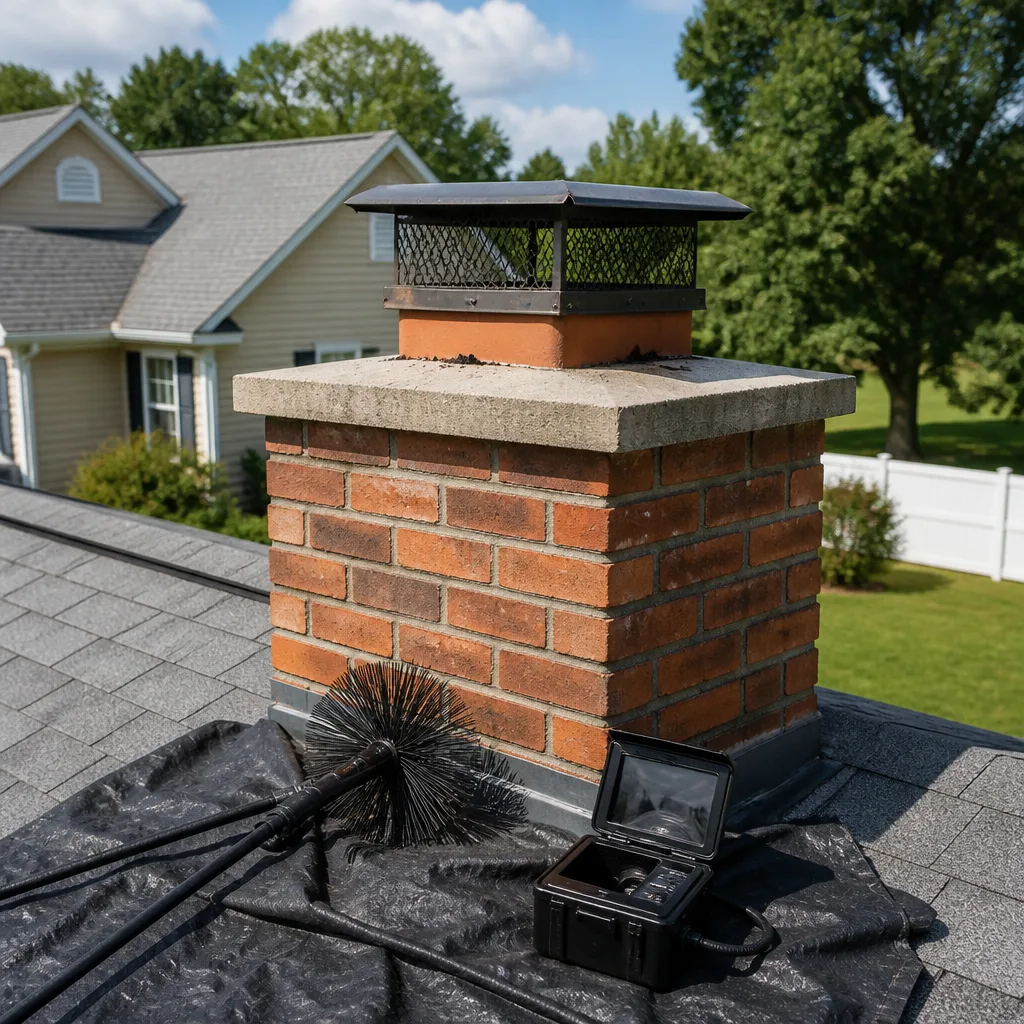 Sweep & inspection
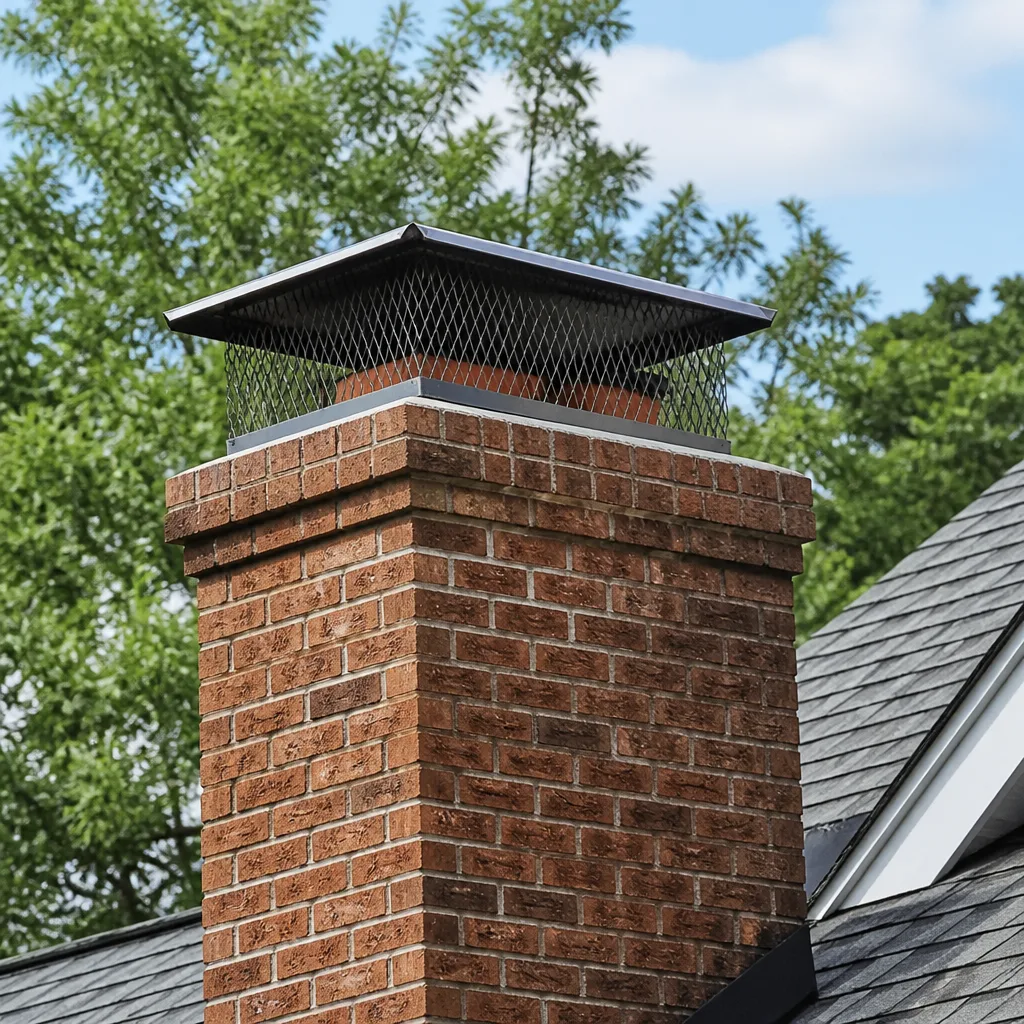 Caps & crowns
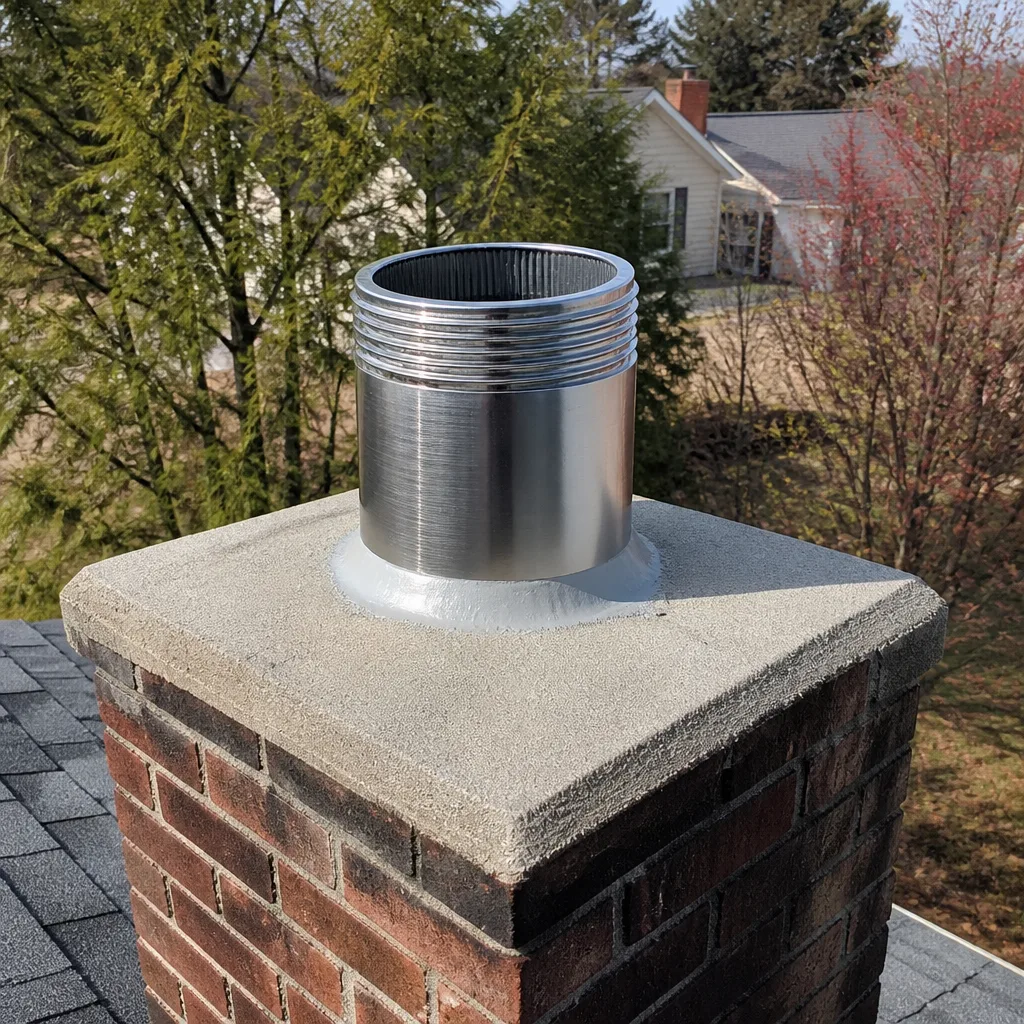 Flue relining
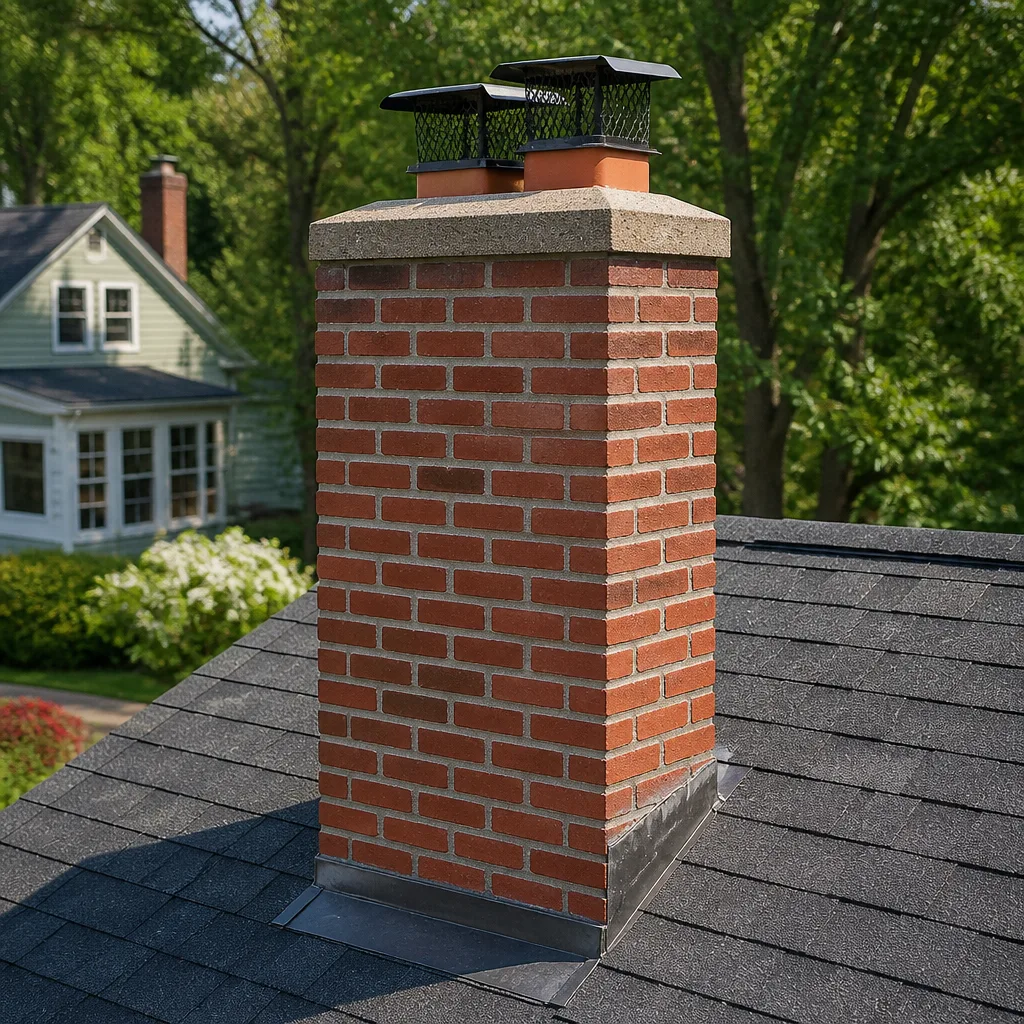 Masonry repair
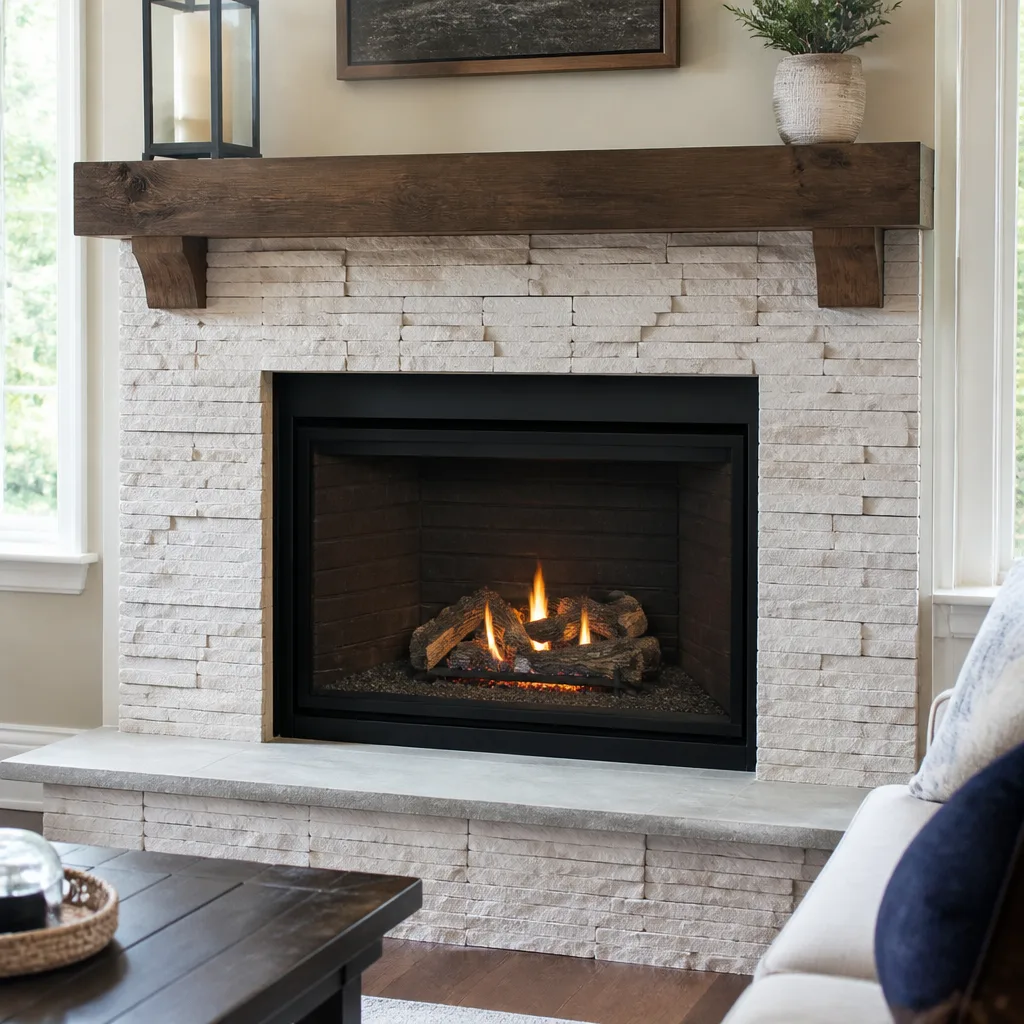 Gas fireplace service
Level 1 sweep and inspection to the NFPA 211 annual standard - flue, crown, cap, and flashing checked and photographed
Chimney sweep logs do not sweep chimneys. They loosen some creosote - which then falls where a brush and vacuum still have to collect it.
Chimney Cleaning Cost Breakdown: The Energy Corridor Homeowner’s Reference for 2026
A $99 chimney sweep special and a $299 full-system clean can produce identical-looking receipts. Same invoice header, same date, maybe even the same signature at the bottom. But only one of them includes a Level 1 inspection, a written report of what’s actually inside the flue, and someone willing to stand behind what they found. The gap between those two receipts is where most Energy Corridor homeowners lose money – not on the sweep itself, but on the work that gets quietly skipped. This guide pulls apart every line of a chimney cleaning quote so you can compare bids fairly, spot the missing line items, and understand exactly what you’re paying for in the 2026 Energy Corridor market.
Quick Answer
For 2026, a standard chimney sweep in the Energy Corridor typically runs $189 – $279 for a single flue, and a full-system clean that bundles the sweep with a Level 1 inspection and written condition report typically runs $289 – $429. Add-ons like a Level 2 camera inspection ($199 – $349), liner assessment, or minor cap and crown repair push a typical visit into the $399 – $749 range. Anything quoted well outside those bands deserves questions, not a check.
Styles & brands we work with
- Sweep & inspection
- Caps & crowns
- Flue relining
- Masonry repair
- Gas fireplace service
Table of Contents
- Line-by-Line: What’s Actually in a Chimney Cleaning Quote?
- What Drives Price Variation Across Energy Corridor Homes?
- How the Inspection Tiers Change Your Total
- HeatShield Resurfacing vs. Full Liner Replacement: Costs and When Each Is Warranted
- The Hidden Cost of Skipping Inspection
- What a Fair 2026 Price Range Looks Like in the Energy Corridor
- How to Evaluate a Quote That Falls Outside the Range
- Why Full-System Coverage Changes the Math
Line-by-Line: What’s Actually in a Chimney Cleaning Quote?
Most quotes you’ll receive in the Energy Corridor lump everything into a single number without explaining what’s inside it. That’s the core problem. The same $249 line on two different invoices can represent completely different work – on one, it’s a basic sweep and nothing else; on the other, it’s a sweep plus inspection plus a documented condition report.
Here’s what a fully itemized quote should break out:
- Chimney sweep (single flue): $189 – $279. Covers the physical cleaning of the flue with brushes and rods, plus vacuum containment of the soot and creosote removed. Multi-flue chimneys total more per flue.
- Level 1 inspection: often included in the sweep price, but sometimes itemized at $75 – $150. A visual check of the firebox, damper, flue, and accessible exterior components, plus a documented condition report.
- Level 2 camera inspection: $199 – $349. Adds a closed-circuit camera run through the flue to spot cracks, gaps in the liner, and creosote glaze that a visual can’t see. Standard when a property is changing hands, after a chimney fire, or when there’s a known flue problem.
- Liner assessment: sometimes folded into the Level 2 fee, sometimes itemized. This is the part of the visit that determines whether you can safely burn this season at all.
- Cap and crown check: usually a visual add in the Level 1. Actual cap installation or crown repair is quoted separately – typically $225 – $695 depending on the material and the extent of repair.
- Disposal and cleanup materials: should be disclosed, not added as a surprise line. If a company can’t tell you what the $30 “materials” charge is for, ask them to remove it or explain it.
When you request a quote – whether it’s a straight chimney sweep or a diagnostic visit – ask for these line items in writing before anyone confirms a booking. It’s the single most effective way to compare two bids fairly. A quote that lists four line items and totals $389 is not automatically better than one that lists one line item at $249. It’s just more honest about where the money goes.
What Drives Price Variation Across Energy Corridor Homes?
Two houses on the same Energy Corridor street can produce quotes that are $150 apart. That’s normal. The variance comes from the physical work involved, not from the price of a sweep being negotiable. Six factors drive almost all of it:
- Stack height. A chimney stack that rises well above the roofline takes more rods, more time, and often a second technician on a ladder. Every additional vertical foot above the standard height adds labor. A two-story Energy Corridor home with a tall masonry stack will typically land at the higher end of the range.
- Flue count. A chimney serving one fireplace has one flue. A chimney built for a fireplace plus a furnace or boiler flue has two or three. Each flue is swept and inspected separately, so the price scales – usually at a reduced per-flue rate after the first.
- Appliance type. A wood-burning fireplace produces soot and creosote that sweep out cleanly. A gas insert produces little visible residue but requires its own diagnostic checks for venting and combustion. A wood insert with a stainless liner needs sweeping that matches the liner type. Pricing shifts with the appliance.
- Access difficulty. Rooftop access on a steep pitch, a chimney boxed in tightly between dormers, or a flue with an offset that requires flexible rods – all take longer. Straight, easy-access chimneys cost less than complex ones.
- Creosote condition. A light coating of soot sweeps clean in a single pass. Glazed, hardened creosote (the stage that requires extra mechanical work) can add $75 – $200 to a sweep because it takes more time and heavier tooling.
- Blockages and nests. Birds, squirrels, and the occasional raccoon take up residence in uncapped chimneys across the Energy Corridor – a common local reality given the surrounding greenbelts and bayou corridors. Removing a nest and disinfection adds $75 – $150.
None of those factors are negotiable in the sense of price-shopping. They’re physical facts about the chimney. When you understand which of them apply to your home, you can look at a quote and understand instantly why it’s higher or lower than your neighbor’s.
How the Inspection Tiers Change Your Total
Chimney inspections come in three recognized tiers, and the difference between them explains most of the confusion around pricing. Knowing which one you’re being quoted is the fastest way to compare bids.
Level 1 inspection. A visual check of readily accessible components – firebox, damper, flue interior as far as visible, cap, crown, and exterior stack. It’s appropriate for a chimney with no known problems that’s being serviced routinely. Should typically be included in the price of a sweep.
Level 2 inspection. Adds a camera run through the flue, checks of accessible attic and crawlspace areas, and evaluation of the liner and connections. Standard when a home is being bought or sold, after a chimney fire, after an earthquake or major event, or when a change in appliance is planned. Typically $199 – $349 on its own.
Level 3 inspection. Involves opening walls or other construction to access concealed areas of the chimney. Rare, and only recommended when a Level 2 has identified a specific concern that can’t be resolved without access. Priced per project, not per hour.
Industry-standard inspection practice follows NFPA 211 guidelines, and a company performing a Level 2 should be able to walk you through what each tier covers before they start. If a quote for a “full inspection” doesn’t specify which level, ask. The price difference between Level 1 and Level 2 is real work, not upselling. And a Level 1 that’s billed as a Level 2 is the kind of thing that shouldn’t happen – but does, when companies pad the invoice without adding the camera.
For a full-system review – sweep, inspection, cap and crown assessment, and fireplace condition – the same company covering all of it avoids the referral runaround that happens when an inspection turns up a problem the sweeper doesn’t fix. That’s the reason we structure our work this way: inspection findings can be resolved by the same company, with no handoff and no separate quote cycle. You can see the full scope of how that works on our Chimney Sweep Energy Corridor service overview.
HeatShield Resurfacing vs. Full Liner Replacement: Costs and When Each Is Warranted
This is where the widest pricing gap in chimney work lives, and where the most-quoted number in the trades gets thrown around without justification. Liner replacement is sometimes genuinely necessary. It’s also the single most common place homeowners get told they need more than they do.
The two paths look like this:
- HeatShield resurfacing: typically $1,200 – $2,800 depending on flue length and the number of flues. A specialized method that applies a proprietary resurfacing compound to the interior of a damaged but structurally intact clay-tile flue. It restores a safe, smooth, heat-resistant surface without removing the existing liner. It’s a restoration, not a replacement.
- Full stainless liner replacement with DuraFlex flexible liner systems: typically $2,800 – $6,500+, depending on flue height, number of flues, and appliance type. A premium stainless liner is installed through the existing chimney, sized to the appliance, and insulated as required by its listing.
Which one is warranted comes down to condition, and condition comes down to what the camera showed. A crack in one tile joint on an otherwise sound flue is a HeatShield candidate. A flue with offset sections, missing tiles, or a full-length fracture is not – that’s a replacement. A flue that was previously relined with a lower-grade liner that’s now failed also needs replacement.
HeatShield resurfacing is not something every chimney company offers. It’s a specialized certification and requires a specific installation method. When a company quotes a full reline without ever mentioning resurfacing as a possibility, it’s worth asking directly: was HeatShield considered? If the answer is “we don’t do that,” you’ve learned something about the quote. That’s the reason we carry HeatShield as one of our core specialist offerings – because on damaged but structurally intact flues, it saves money and extends the life of a chimney that a full replacement would unnecessarily dismantle.
The Hidden Cost of Skipping Inspection
A sweep without an inspection isn’t a smaller version of a full-system clean. It’s a different service entirely, and the gap in what it catches is where long-term costs accumulate.
During a plain sweep, the technician cleans the flue. They remove soot, they remove creosote, they clean the firebox, and they leave. What they may not do, if inspection isn’t included, is verify that the flue itself is intact. Cracks in the clay tiles, gaps at joints, degraded mortar, and failed liner sections don’t show up in the sweep itself. They show up in the inspection – and if there’s no inspection, they don’t show up at all until something goes wrong.
What “going wrong” looks like in practice:
- Early-stage cracks get missed. A hairline crack in a clay tile is a $0 fix when it’s caught during inspection and HeatShield resurfacing is applied. It becomes a $3,500 full reline when the crack has grown into a broken section that leaks heat and smoke into concealed framing.
- Creosote glaze builds in unreachable zones. Glazed creosote requires mechanical removal. A plain sweep may leave glaze in place without flagging it, because there’s no inspection step to document it.
- Water intrusion compounds silently. The two most common entry points – a failed cap and a cracked crown – are visible from a Level 1 inspection. Left unaddressed for a couple of mild, humid Houston seasons, they degrade the firebox, rust the damper, and eventually fail the liner.
- Carbon monoxide risk goes unverified. An inadequately venting flue is a CO source. An inspection catches venting issues before they’re a health problem.
Deferred maintenance compounding into liner replacement is the most expensive pattern in chimney work, and it’s almost always avoidable when inspection is priced into the visit from the start. A $99 sweep with no inspection isn’t cheaper than a $289 full-system clean. It’s an unbundled service with the diagnostics removed. You can read more about the full scope of what happens during a proper visit on our fireplace repair and inspection page.
What a Fair 2026 Price Range Looks Like in the Energy Corridor
Here’s the reference table. These are typical ranges for the Energy Corridor market in 2026, and every quote you receive should be compared to them. The written estimate from the company you hire is what sets the final price for your specific home – these ranges are for comparison and context, not a promise on a specific property.
- Standard sweep, single flue, no inspection: $189 – $279
- Sweep plus Level 1 inspection with written report: $289 – $429
- Sweep plus Level 2 camera inspection (single flue): $399 – $629
- Level 2 inspection only, no sweep: $199 – $349
- Multi-flue sweep (second and third flues): $75 – $150 per additional flue
- Bird or animal nest removal: $75 – $150
- Chimney cap installation: $225 – $495 depending on material and size
- Crown repair or rebuild: $350 – $695 depending on extent
- HeatShield flue resurfacing: $1,200 – $2,800
- Full stainless liner replacement (DuraFlex or equivalent): $2,800 – $6,500+
Two important notes on those numbers. First, “typical range” means typical. A tall, offset masonry chimney with heavy creosote will land above the range, and a straight low flue will land below it. That’s the physical work talking. Second, the written estimate always governs. If a quote comes back at $429 and the range says $289 – $429, that’s not a red flag – that’s the top of the range and worth asking what pushed it there. If a quote comes back at $1,100 for a single-flue sweep with no disclosed reason, that’s a red flag.
How to Evaluate a Quote That Falls Outside the Range
Two things get missed when homeowners only compare the top-line number. Below-range quotes and above-range quotes are both information. Here’s what to look for in each.
When a quote falls significantly below the range:
- Ask what’s included before you compare price. If inspection is excluded, add $100 – $200 to the quote to see where it actually lands.
- Ask whether disposal and cleanup are included or added at the end. A $129 sweep that adds $60 in disposal on the invoice is a $189 sweep.
- Ask which level of inspection (if any) is performed and whether a written report is provided.
- Ask whether the company is licensed and insured as their state requires. If the answer is vague, the price is not the real issue.
When a quote falls significantly above the range:
- Ask for the rationale, line by line. A higher price should map to a specific, disclosed condition – heavy creosote, difficult access, multi-flue, complex repair.
- Ask for the inspection that justifies any repair recommendation. If the recommendation is a full reline without a camera inspection to support it, push back.
- Ask whether HeatShield resurfacing was considered if the flue is cracked but otherwise intact.
- Ask what installs the recommended parts. “Professional-grade” and “premium line” are claiming something specific – professional brands like Gelco, Olympia Chimney, Famco, or Copperfield, which are used by chimney contractors nationwide, are a reasonable thing to name. Hardware-store parts are not.
What a fair 2026 quote does not do: it doesn’t come in a range too wide to be useful, it doesn’t add a materials line you can’t identify, and it doesn’t recommend work without showing you the evidence that supports it. If the estimate you’re holding doesn’t pass those three tests, get a second one.
Why Full-System Coverage Changes the Math
Here’s the thing most pricing guides don’t tell you: the moment a chimney company has to hand off a repair to a second company, the total cost of the visit goes up. Not because of markup – because of the second visit itself. A sweep that identifies a damaged crown and refers the repair gets paid for the sweep. The crown repair gets quoted separately by a second company, with its own inspection, its own minimum, its own timeline. Two visits, two estimates, two sets of paperwork.
That’s why we structure our work around five connected categories – chimney sweep, chimney inspection, chimney cap & crown, fireplace repair, and chimney repair – so that one inspection leads to one quote and one resolution, not a referral. Where a generalist has to guess at a flue condition, we specify. Our technicians have up to 11 years of experience, and we work with professional brands including DuraFlex for flexible liner systems, HeatShield for resurfacing, and Gelco, Olympia Chimney, Famco, and Copperfield for the associated system components. Those are brands used by chimney contractors nationally, not hardware-store components being repurposed for a chimney.
A full-system visit shows you what we found. It includes a written report of condition after inspection, it addresses the two most common sources of water intrusion (cap and crown) as part of the same system review, and it means the repair quote comes from the same company that did the diagnosis. That’s the difference between a sweep and a full-system clean, and it’s typically a $100 – $200 gap on the invoice – against a much wider gap if a problem gets missed or handed off.
Common Mistakes to Avoid
- Comparing a sweep-only quote against a full-system quote. These are not comparable services. Add $100 – $200 in inspection and report to any below-range quote to compare fairly, then decide.
- Accepting a liner replacement recommendation without seeing the camera footage. A full reline is $2,800 – $6,500+. The justification should be a photo and a written condition report you can hold. Ask to see it before you decide.
- Skipping inspection in years when burning was light. A mild Energy Corridor winter doesn’t mean the chimney is fine. Water intrusion, animal entry, and aging liner materials all progress during the off-season. Inspection is annual for a reason.
- Ignoring the cap and crown. These are the two most common entry points for water. A $225 cap installation prevents firebox rust, damper degradation, and liner damage that routinely runs into the thousands. It’s the cheapest ounce of prevention in the trade.
- Not asking which level of inspection is being quoted. “Inspection included” means Level 1 unless stated otherwise. If you’re buying or selling an Energy Corridor home, or if there’s been a chimney fire, you want Level 2. Ask explicitly.
- Accepting a repair quote from a company that doesn’t install professional-grade parts. Ask what brand and what line will be installed. If the answer is a general home-improvement brand, ask why. Professional liner systems like DuraFlex are specified for chimney applications for a reason.
- Assuming below-range always means cheaper. A $129 sweep that excludes inspection, disposal, and cleanup can be more expensive on the total invoice than a $289 full-system clean. Read the itemization, not just the number.
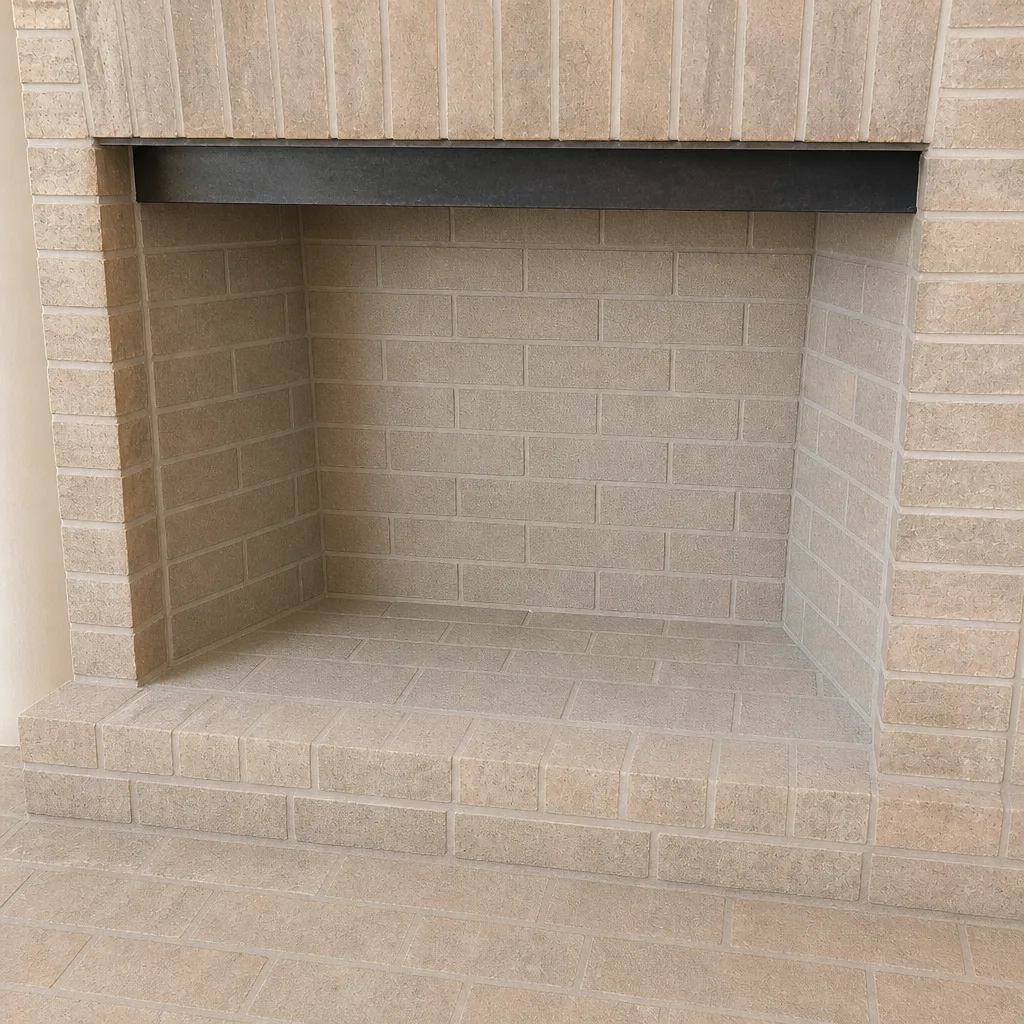
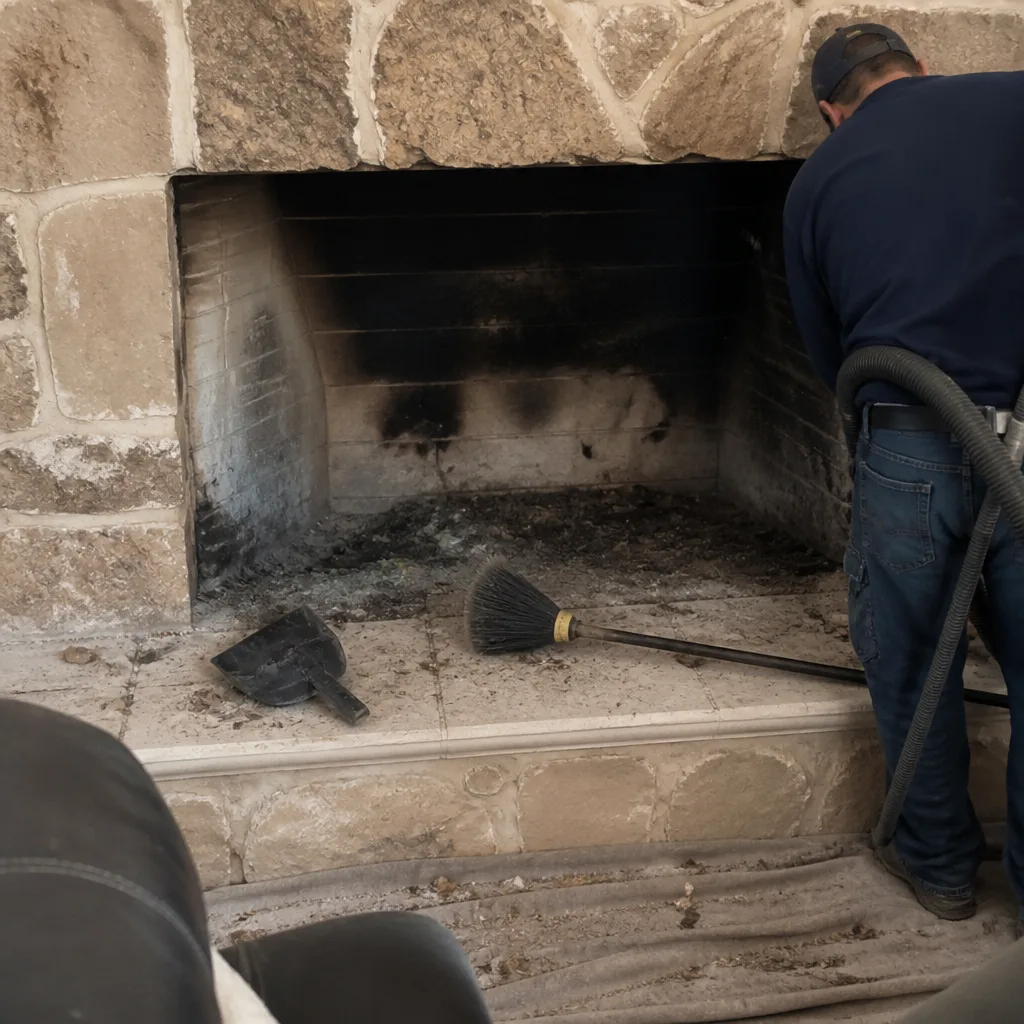
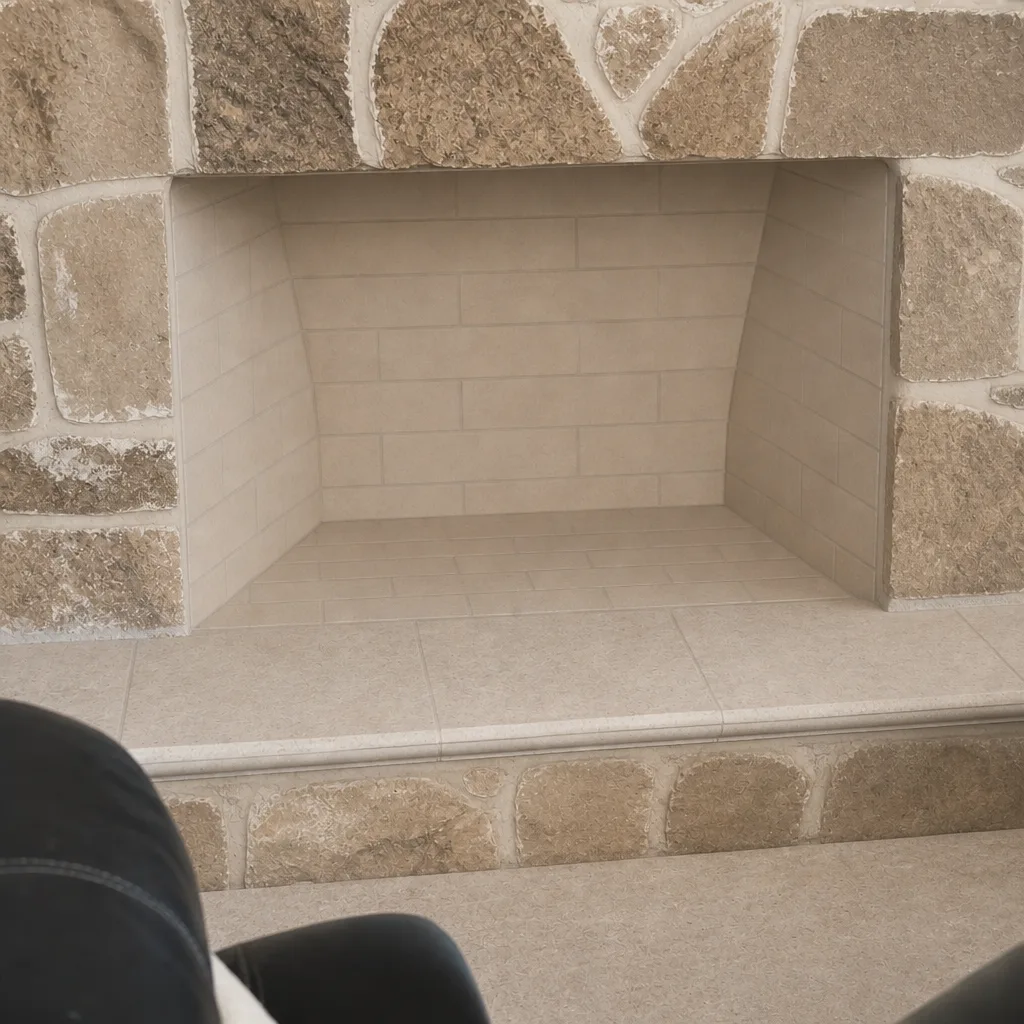
See the difference
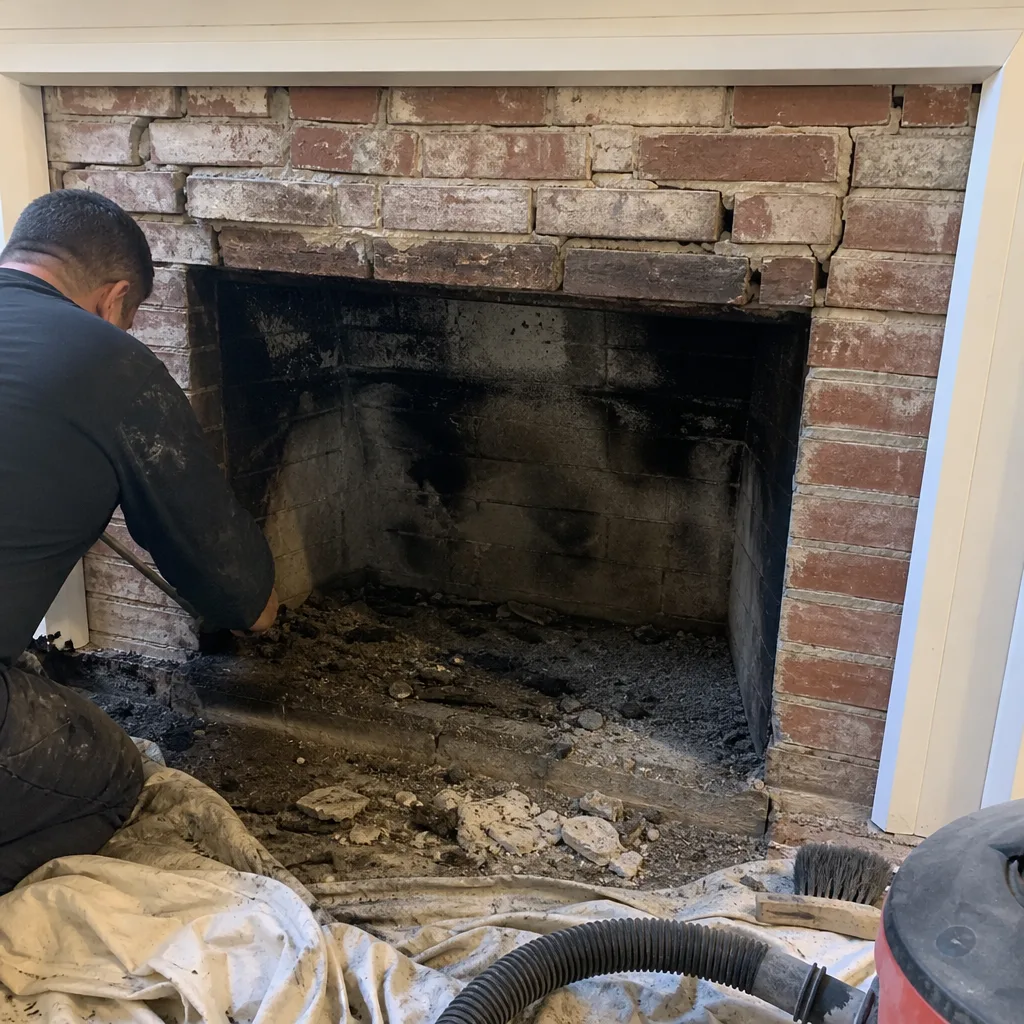 Before
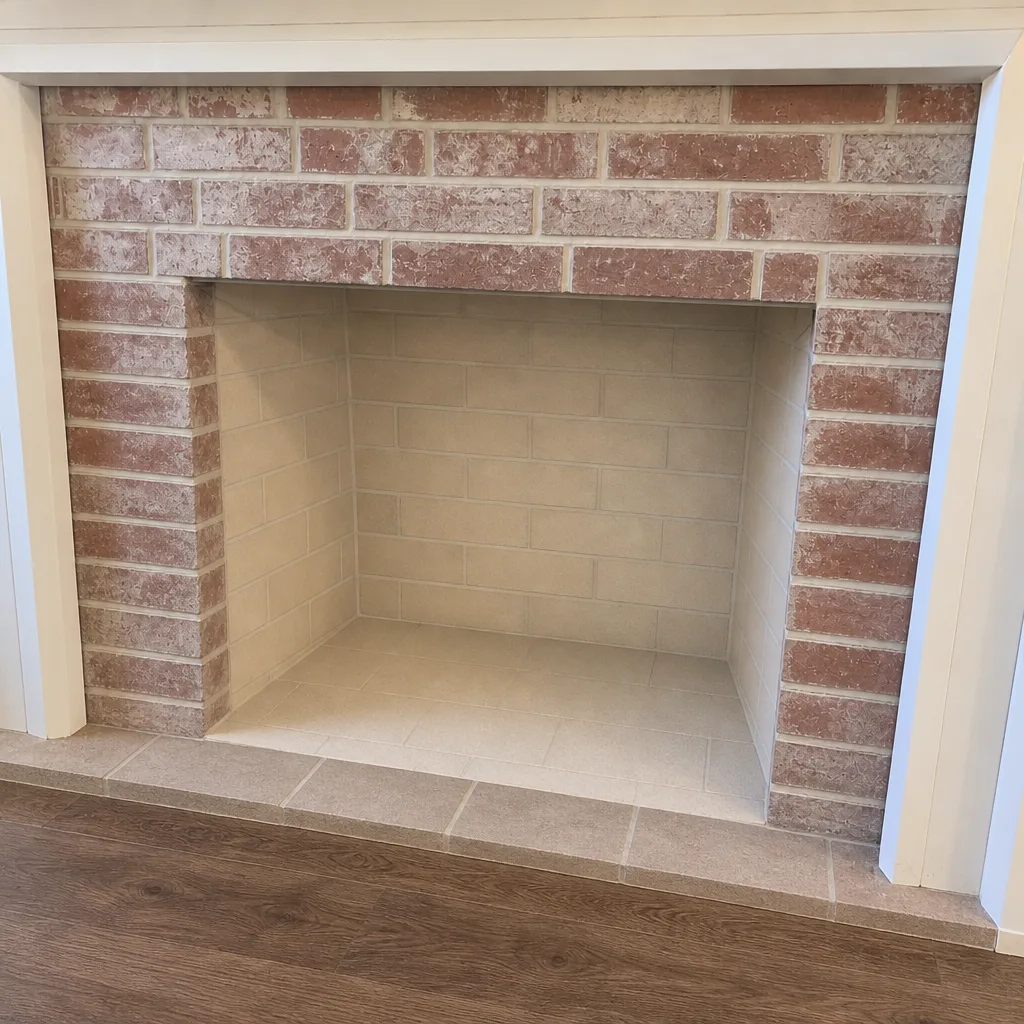 After
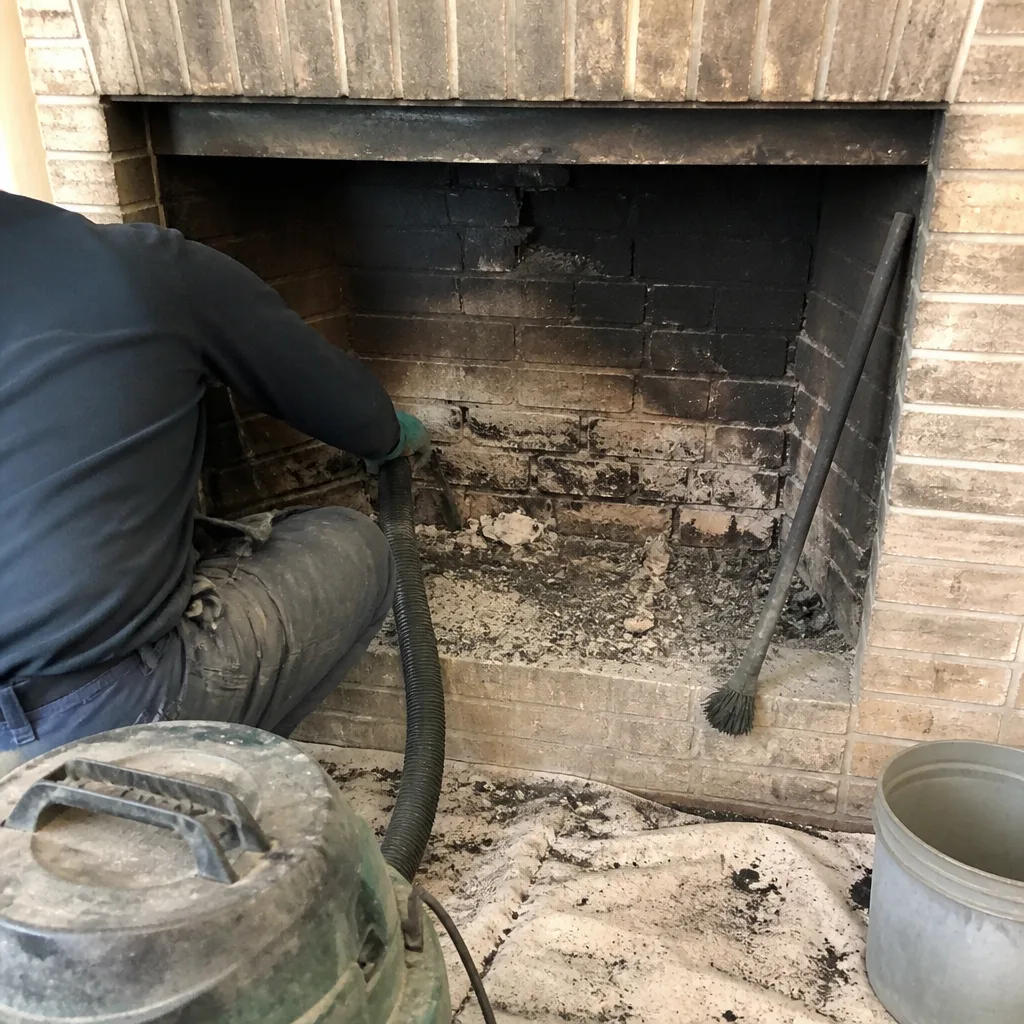 Before
 After
 Before
 After
When to Call a Professional
Certain situations call for a professional visit rather than homeowner diagnostics. If your flue has never been inspected and you burn wood regularly, an annual sweep and Level 1 inspection is the baseline. If you’ve had a chimney fire – even a small one that sounded like distant rumbling – a Level 2 camera inspection is standard before burning again. If you’re buying or selling an Energy Corridor home, a Level 2 is expected in most transactions. If you notice a strong creosote smell through the summer, animals in the flue, visible cracking in the firebox, or staining on the exterior brick, that’s a diagnostic visit, not a cleaning. And if you’re being quoted a full reline without a camera inspection to back it up, get a second opinion before you commit.
Chimney Sweep Energy Corridor offers free estimates in Energy Corridor – call (844) 625-7014. We answer 24/7. Fast dispatch from 7am to 7pm, Sunday through Friday.
Frequently Asked Questions
A standard single-flue sweep in the Energy Corridor typically runs $189 – $279, and a full-system clean that includes a Level 1 inspection and written condition report runs $289 – $429. Multi-flue chimneys add $75 – $150 per additional flue, and heavy creosote, difficult access, or blockages push the price toward the top of the range. The written estimate from your chosen company sets the final price. Call (844) 625-7014 for an exact quote – estimates are free.
You need a new liner when the camera shows damage that resurfacing can’t fix: offsets, missing tiles, full-length fractures, or a failed previous liner. If the damage is a cracked but structurally intact clay flue, HeatShield resurfacing at $1,200 – $2,800 is the alternative to a full reline at $2,800 – $6,500+. Ask for the camera footage and a written condition report before deciding. If a company won’t provide them, get a second opinion. Call (844) 625-7014 for a free estimate with the evidence in hand.
A wood-burning chimney should be swept annually, or whenever creosote buildup reaches roughly 1/8 inch – whichever comes first. A gas insert still needs yearly inspection even though it produces far less soot. Energy Corridor’s mild winters mean homeowners here sometimes skip a season because burning was light, which is exactly when inspection catches problems that would have been cheap to fix earlier. Call (844) 625-7014 to book an annual sweep and inspection – estimates are free.
Skipping a sweep lets creosote build toward a stage that fuels a chimney fire, and skipping the inspection lets cracks, water intrusion, and venting problems progress undetected. The cost escalation is real: a hairline crack caught by inspection and treated with HeatShield resurfacing runs $1,200 – $2,800. The same crack after it’s grown into a failed flue section becomes a full reline at $2,800 – $6,500+. Early detection is the cheapest work in the trade. Call (844) 625-7014 for a free estimate.
The most common reasons are stack height, multi-flue configuration, heavy glazed creosote, difficult rooftop access, or an animal nest in the flue. All of those are legitimate work that adds time and materials. The right response is not to negotiate the price down – it’s to ask the company to itemize the rationale. If the itemization is clear, the quote is fair. If it isn’t, get a second quote. Call (844) 625-7014 for a free estimate with a written line-item breakdown.
Level 1 is enough for routine annual maintenance on a chimney with no known issues. Level 2 is the standard when you’re buying or selling a home, after a chimney fire, after any event that may have damaged the chimney, or when a known flue problem needs diagnosis. The price difference is typically $100 – $200, and it’s the difference between a visual check and camera evidence. Call (844) 625-7014 for a free estimate – we’ll tell you which level your situation calls for.
The Bottom Line
Chimney cleaning pricing in the Energy Corridor isn’t complicated once you know what to look for. The full-system clean at $289 – $429 includes inspection and report; the sweep-only quote at $189 – $279 doesn’t. Compare like for like, ask for the level of inspection in writing, and never accept a liner replacement recommendation without camera evidence. Cap and crown work at $225 – $695 is the cheapest preventative in the trade, and it’s the two most common sources of water damage addressed in one visit. Where the trade-off gets real is on liner condition: HeatShield resurfacing at $1,200 – $2,800 versus full reline at $2,800 – $6,500+ – and the inspection that tells you which one is warranted. Get that inspection first, every time.
If you want a written, itemized estimate that spells out sweep, inspection, report, and any repair recommendation with the evidence attached, we’re glad to help. Call (844) 625-7014 for a free estimate. We answer 24/7. Fast dispatch from 7am to 7pm, Sunday through Friday.
Written by the team at Chimney Sweep Energy Corridor.