
Last updated November 24, 2026
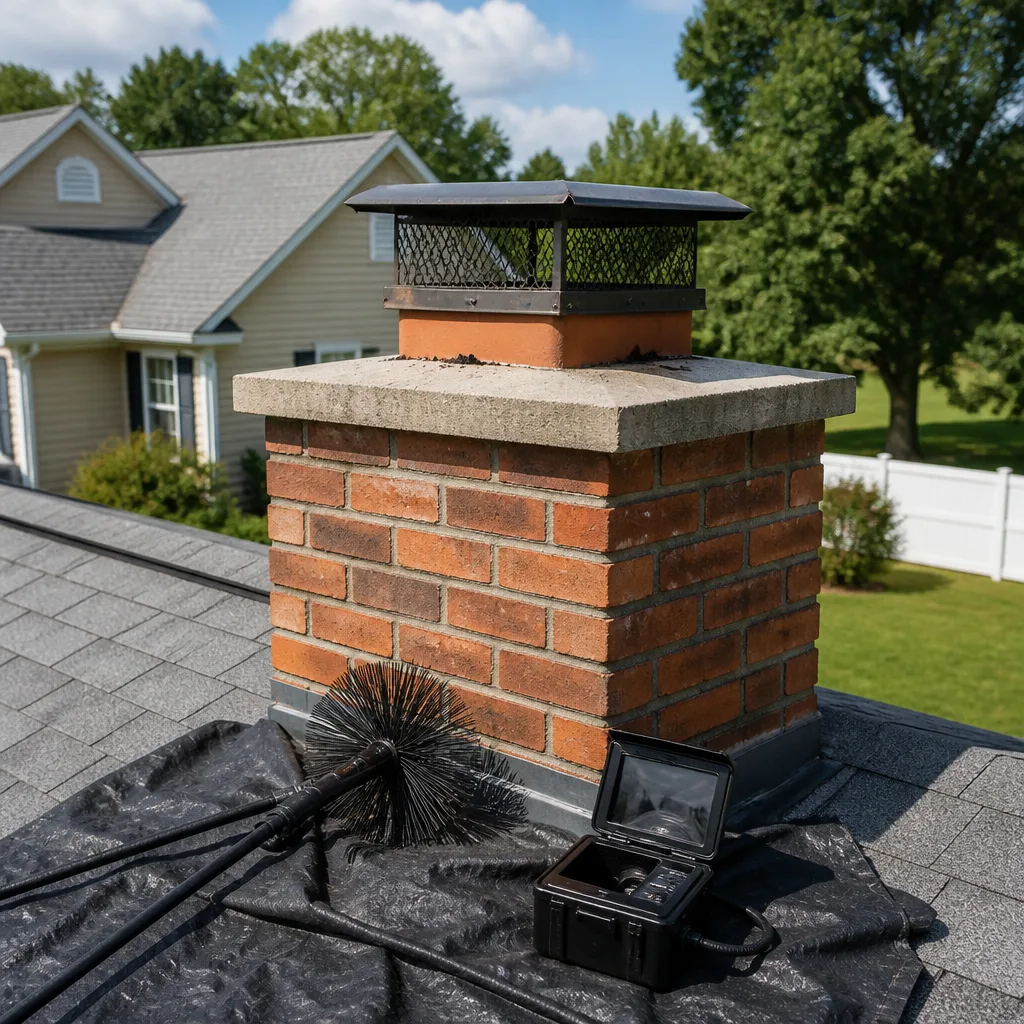 Sweep & inspection
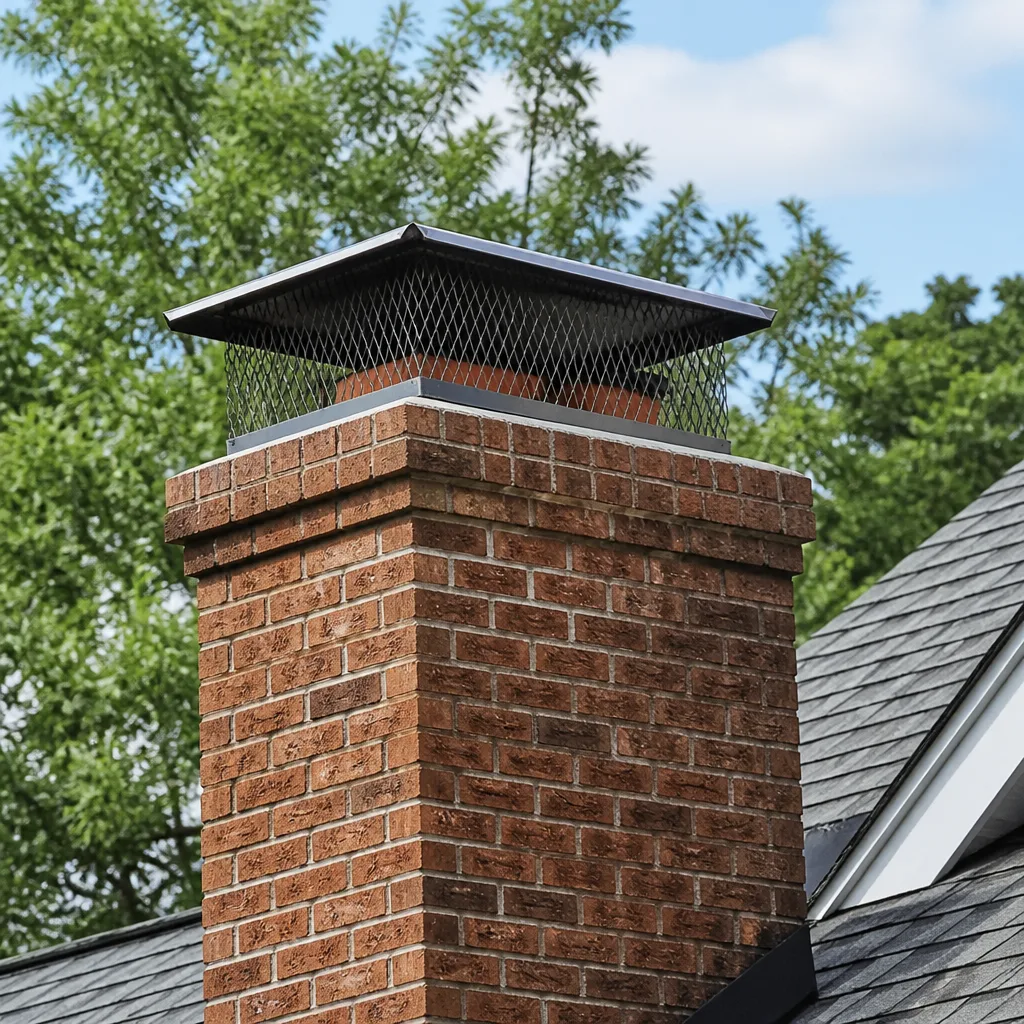 Caps & crowns
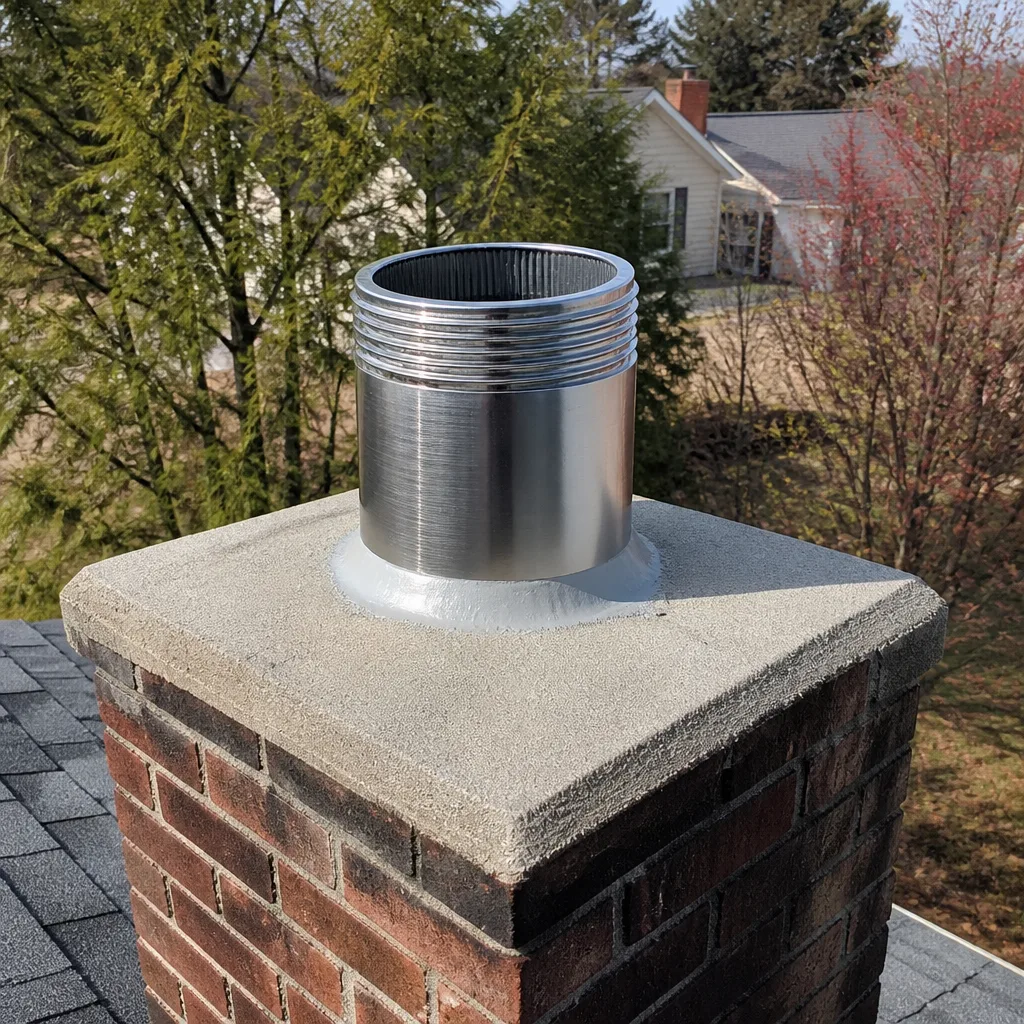 Flue relining
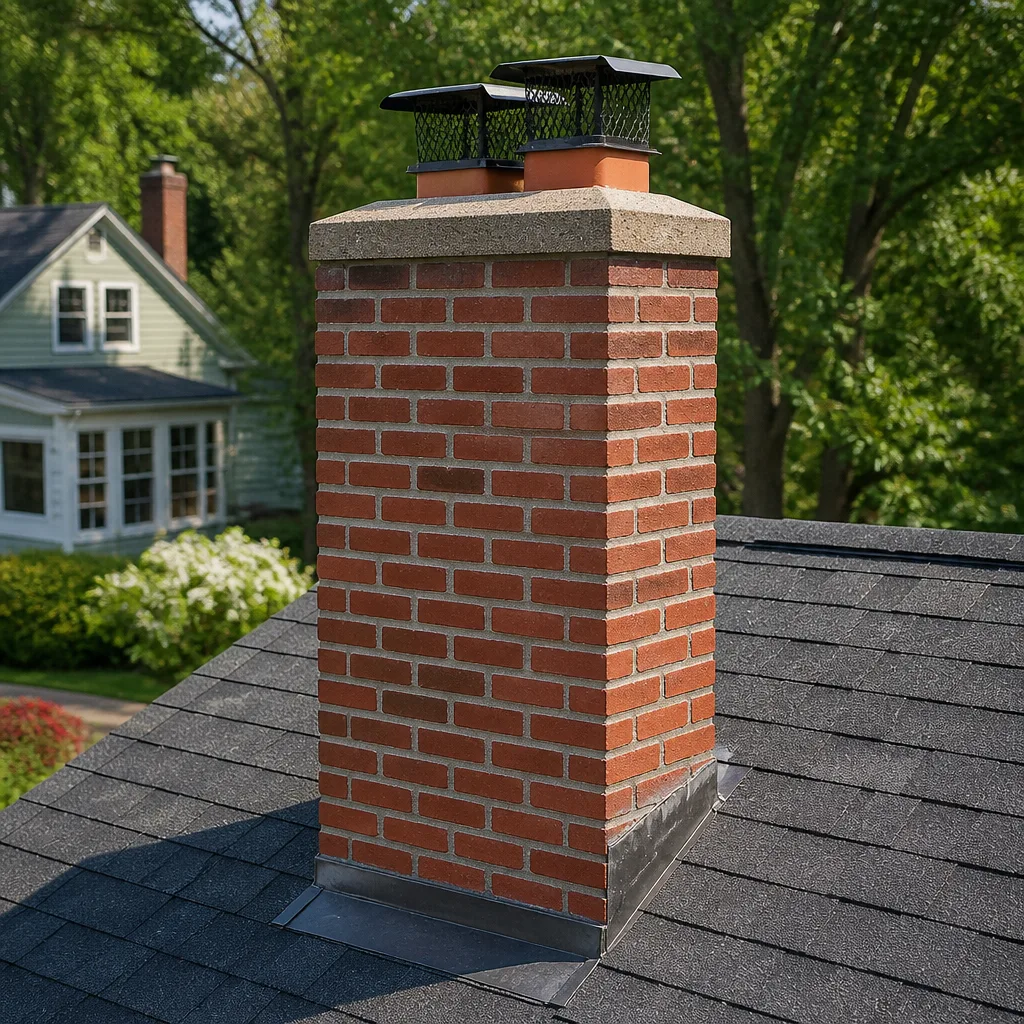 Masonry repair
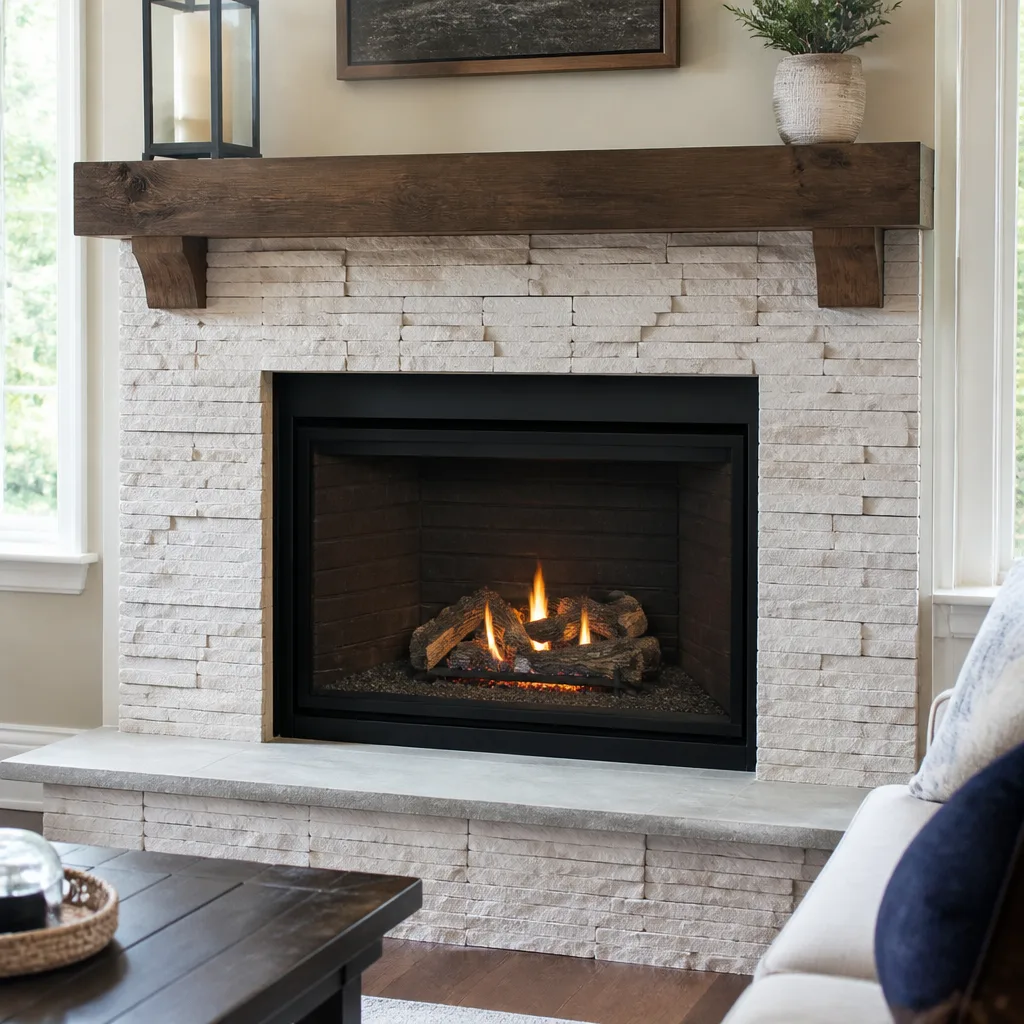 Gas fireplace service
Level 1 sweep and inspection to the NFPA 211 annual standard - flue, crown, cap, and flashing checked and photographed
Chimney sweep logs do not sweep chimneys. They loosen some creosote - which then falls where a brush and vacuum still have to collect it.
Chimney Cleaning Permits, Codes & Inspections in Energy Corridor, TX: What You Need to Know
Here’s the part almost nobody mentions at the estimate: sweeping a flue is maintenance, and in Texas you don’t need a license to do it. But the moment a technician touches a liner, rebuilds a crown, or opens up firebox structure, you’ve crossed into permitted work under local building code. Most Energy Corridor homeowners never hear that line drawn out loud. A relining job completed without a permit can surface on a home inspection report and complicate a sale years down the road, yet plenty of contractors quietly skip the paperwork because the customer doesn’t know to ask. In this guide we map the actual regulatory landscape: what the residential code covers, which jobs trigger a City of Houston permit, how the industry inspection standard fits in, and how to protect yourself before you sign anything.
Quick Answer
Chimney sweeping itself is not a licensed trade in Texas and doesn’t require a permit. Structural chimney work (relining, crown rebuilds, firebox or masonry repair) is governed by the International Residential Code, which Harris County and the City of Houston adopt locally, and that work can require a City of Houston building permit. Inspections follow the industry standard, NFPA 211, and a Level 2 inspection report is what a buyer’s agent will ask for during an Energy Corridor home sale.
Styles & brands we work with
- Sweep & inspection
- Caps & crowns
- Flue relining
- Masonry repair
- Gas fireplace service
Table of Contents
- Why chimney sweeping has no state license in Texas
- What the IRC specifies for chimney construction and repair
- Which chimney services trigger a City of Houston permit
- How NFPA 211 works as the inspection standard
- What a Level 2 inspection report should document before you sell
- Liability exposure when you accept unpermitted work
- How to vet a chimney contractor and protect yourself
- The maintenance-only work you can book without a permit
Why Chimney Sweeping Has No State License in Texas
Texas doesn’t license chimney sweeps. There is no state board that issues a sweep credential, no state exam, and no state registry you can look a sweep up in the way you’d look up an electrician or a plumber. That surprises people, and it’s the first thing to understand about the landscape here.
What that means in practice: anyone can advertise chimney sweeping, and there’s no state gatekeeper checking that they know a flue from a firebox. The trade polices itself through voluntary credentials and through the industry standards most serious contractors follow. That’s why the questions you ask a sweep matter more here than they might in a state with a licensing board.
Meanwhile, the trades that get pulled into chimney work, like masonry and general contracting, are a different story. Structural work on your chimney can fall under the same permitting logic that covers any building alteration in Houston and Harris County. So you end up with a split: the cleaning side has no state license, and the repair side sits squarely inside local building code.
That split is where confusion lives. A company can be perfectly legitimate at sweeping and still have no business pulling a permit for a rebuild. And a contractor who pulls permits for masonry may not know the first thing about flue sizing or liner systems. You want one company that understands both sides.
In our experience across Energy Corridor, the most common mess we’re called to is a chimney that was cleaned regularly and repaired casually, by someone who never mentioned that the repair part had code requirements attached. The cleaning looked fine. The paperwork, if there was any, didn’t exist.
What the IRC Specifies for Chimney Construction and Repair
The International Residential Code (IRC) is the model building code that covers one- and two-family homes, and its chimney provisions live in Chapter 10, Sections R1001 through R1005. Houston and Harris County adopt the IRC locally, which is why the code matters to you even though it isn’t a Texas statute.
Here’s roughly what those sections address:
- R1001 – general chimney and venting requirements: clearances to combustible materials, chimney construction basics, and how flues relate to the appliances they serve.
- R1002 – factory-built fireplaces: the rules for prefabricated units and the listed systems that must be installed per the manufacturer’s instructions.
- R1003 – masonry fireplaces and chimneys: footing, wall thickness, flue lining, and the crown.
- R1004 – fireplace stoves and inserts: how a stove or insert must connect and vent.
- R1005 – chimney termination and caps: height above the roof, and requirements around the cap and spark arrestor.
The recurring theme across all five: the system was engineered as a package, and repairs must preserve those clearances and relationships. A crown that was poured to the wrong thickness, a liner installed without maintaining clearance to combustibles, or a masonry patch that changes the flue’s effective size all drift away from the code path. And a home inspector, a chimney inspector, or an insurance adjuster who knows the code can spot those drifts.
Local adoption adds a layer. Houston builds on the IRC through its own amendments, and Harris County administers building code in unincorporated areas. The practical takeaway for an Energy Corridor homeowner is not to memorize section numbers. It’s to know that “the code covers this” is a real statement, and to ask any contractor which code they’re building to when they propose structural work.
Which Chimney Services Trigger a City of Houston Permit
This is the part of the guide that saves people the most trouble. The line between maintenance and permitted work is reasonably clear once you see it drawn.
Maintenance-only work (usually no permit)
- Routine sweeping of the flue.
- A Level 1 inspection, done as part of a sweep.
- Installing or replacing a chimney cap.
- Small crown repairs, like sealing surface cracks.
- Replacing a firebox grate or a fireplace screen.
- Minor mortar repointing on visible masonry where no structural alteration is happening.
Work that can require a City of Houston building permit
- Relining a flue with a new liner system.
- Rebuilding a chimney crown from the structural base up.
- Removing and reconstructing firebox structure or masonry.
- Installing a new factory-built fireplace or a chimney in a way that changes the structure.
- Changing a wood-burning system to gas or adding a gas insert where venting changes.
The rule of thumb: if a saw, a trowel on structure, or a new liner is involved, ask the question. Permitting is administered by the City of Houston’s building department for properties within the city and by Harris County for unincorporated areas, so the exact office depends on where in Energy Corridor you sit. When we quote a structural job, we tell you plainly whether a permit is likely to be required, and we can work with a licensed local professional who handles the permitting appropriately.
Permits matter because of what they document. A permitted repair leaves a paper trail that shows the work was done to code, and that trail is what protects you when you refinance, insure, or sell.
How NFPA 211 Works as the Inspection Standard
NFPA 211 is the standard that the chimney trade actually runs on. It’s published by the National Fire Protection Association and it covers chimneys, fireplaces, vents, and solid fuel-burning appliances. Where the IRC sets building code, NFPA 211 sets the operational and inspection standard.
Three levels of inspection come out of it:
- Level 1 – the annual check. Done as part of a routine sweeping, it covers readily accessible parts of the system. This is what most occupied homes need once a year.
- Level 2 – the inspection you do when something changes. Required when a home changes hands, when the appliance or fuel type changes, or after an event like a chimney fire or an earthquake. It covers accessible portions of the flue and attic, and often involves a camera.
- Level 3 – the diagnostic inspection. Undertaken when a Level 1 or 2 inspection finds a hazard that requires opening up concealed parts of the structure.
Where NFPA 211 particularly matters is that it’s referenced in two contexts that catch homeowners off guard. Insurance carriers increasingly ask for documentation that the system was inspected in line with the standard before they’ll cover certain claims after a chimney fire. And real estate transactions increasingly expect a Level 2 report when a home sells. A report that simply says “chimney cleaned” doesn’t satisfy either.
The standard is a framework, not a checklist of outcomes. What matters is that whoever inspects your chimney at an Energy Corridor home documents what they found, in the terms the standard uses, so that a buyer’s inspector or an adjuster can read it and know what was checked. That’s the reason we put every inspection finding in writing, with photos where they help.
What a Level 2 Inspection Report Should Document Before You Sell
If you’re listing an Energy Corridor home with a working fireplace, expect the buyer’s agent to ask for a chimney inspection. It’s no longer a fringe ask. A Level 2 report is what closes that question, and a thin report can stall a contract.
Here’s what a report that actually does the job should contain:
- The inspection level and standard the inspection was performed to, so there’s no ambiguity about what was covered.
- Photos of the accessible flue, including any camera images of portions not visible from the firebox.
- Liner condition, noted stage by stage, including any gaps, cracks, or offsets found in the flue.
- Crown and cap condition, since those are the two most common sources of water intrusion.
- Firebox and smoke chamber condition, with any deterioration called out and rated in severity.
- Clearances to combustibles, checked against the code values the report cites.
- Findings that need attention and findings that can wait, stated plainly and separately.
What a buyer’s agent really wants is certainty. A report that says “chimney cleaned, appears serviceable” invites a second opinion, and the second opinion often costs more than the first. A report that documents condition stage by stage, and flags honestly what must be fixed now versus what can be scheduled, moves a sale forward.
The other side of this coin: if you’re a seller and your chimney had unpermitted structural work done years ago, a Level 2 inspection is likely to surface it. That’s not a reason to skip the inspection. It’s a reason to get ahead of it, so you can decide on the fix before an offer is on the table.
Liability Exposure When You Accept Unpermitted Work
Homeowners take on real exposure when they accept unpermitted structural chimney work, and the exposure is quiet until it isn’t. The work itself might look fine on the day. The problems surface later.
What the exposure looks like:
- Sale complications. Unpermitted structural work can be flagged on a home inspection report and, depending on the municipality, may need to be re-permitted or even opened up to verify before a sale can close.
- Insurance friction. If a carrier learns that structural work was done without permits, they can dispute a claim that stems from that work.
- Refinance snags. Lenders review permits during appraisals, and a structural repair without one can delay or derail a refi.
- Contractor liability. If the contractor who did the work isn’t willing to put the scope in writing, you’re unlikely to have recourse when something goes wrong.
- Code drift over time. Unpermitted work isn’t inspected, so it doesn’t get the code review that a permitted job gets. Problems that a code official would have caught on day one can go unnoticed for years.
The protective move is straightforward. Before structural work starts, ask whether a permit applies. Ask to see the scope in writing. Ask who stands behind the work if something goes wrong after the fact. The answers to those three questions separate contractors who know the landscape from those who are guessing.
For homeowners hiring a chimney contractor, we recommend treating any structural quote that arrives without a scope of work in writing as a non-starter. The quote should state materials, code compliance claims, and whether a permit will be pulled. None of that is negotiable. It’s the paper trail that protects you years later.
How to Vet a Chimney Contractor and Protect Yourself
Since Texas doesn’t license sweeps, vetting is on you. Here’s how to do it without making it a research project.
- Ask what standards the company works to. A good answer mentions the IRC and NFPA 211. A bad answer is “we’ve been doing this forever.”
- Ask for a written scope before work begins. Materials, code claims, and whether a permit is likely. A quote that’s just a number isn’t a scope.
- Ask what brands they work with. Product knowledge signals trade fluency. We work with professional industry brands like DuraFlex, HeatShield, and Gelco, and we specify each one for the problem it actually solves.
- Ask how they’ll document findings. The best answer includes camera photos and a written report. Vague answers are a red flag.
- Ask whether they can do the repair or only recommend it. Inspection findings you have to shop out to another company are findings that often get lost.
- Confirm the professional you hire is licensed and insured as their state requires for structural work. The chimney sweeping side has no state credential, but the structural side usually does, and that matters.
One point worth emphasizing: a chimney company that only sweeps isn’t necessarily doing anything wrong. But a chimney company that only sweeps can’t tell you with confidence whether a structural issue is developing, because they haven’t done the inspection work that would reveal it. Hiring a contractor that handles chimney sweep work and structural repair under one roof means your findings and your fix come from the same company.
The Maintenance-Only Work You Can Book Without a Permit
Most of what an Energy Corridor homeowner needs each year is maintenance, and maintenance doesn’t require a permit. Knowing which is which saves you both money and worry.
A routine annual cleaning, done as part of a Level 1 inspection, is the baseline. It removes creosote, checks the flue and firebox, and confirms the cap and crown are intact. In a mild-winter climate like ours, that annual visit is also your chance to confirm that the system is ready before the first cold snap.
Around the annual sweep, these jobs are also in the maintenance bucket:
- Chimney cap replacement, since the cap keeps water and animals out and doesn’t alter the structure.
- Crown sealing or minor crown patching.
- Firebox grate and screen replacement.
- Damper adjustments.
- Annual inspection documentation.
Structural work falls out of the maintenance bucket once cutting, masonry rebuilding, or liner replacement enters the scope. If your technician flags either of those, treat it as a code conversation, not just a quote. Ask the permit question directly, and get the answer in writing.
If your system needs a structural repair and a chimney cap & crown rebuild at the same time, that’s exactly when the permit question matters. It’s also exactly when the company you hired matters, because a company that can do both can sequence the work correctly and document it.
Common Mistakes to Avoid
- Assuming a sweep is a licensed trade in Texas. It isn’t, and no amount of industry credentials changes that. Ask what standards a contractor works to, since the state won’t do the vetting for you.
- Hiring a sweep to do structural repair. A company that’s good at cleaning isn’t automatically good at liner work or masonry. Ask what their repair scope is before they arrive.
- Skipping the permit question on structural work. If a relining or crown rebuild is proposed without a word about permits, that’s the conversation you need to have before the work starts, not after.
- Accepting a verbal scope. A quote that’s just a number is a quote that’s just a number. Ask for the written scope, including materials and code claims.
- Accepting an inspection with no photos. A report that doesn’t document what was found can’t support an insurance claim, can’t satisfy a buyer’s agent, and can’t help you plan the next repair.
- Ignoring the crown and cap until they fail. These are the two most common sources of water intrusion, and in Energy Corridor’s storm season a failing crown gets expensive fast. Maintenance-minded homeowners check them annually.
- Selling a home with an undocumented chimney. If your home is coming off the market, get the Level 2 inspection before the buyer does. It’s cheaper to fix on your schedule than under contract pressure.
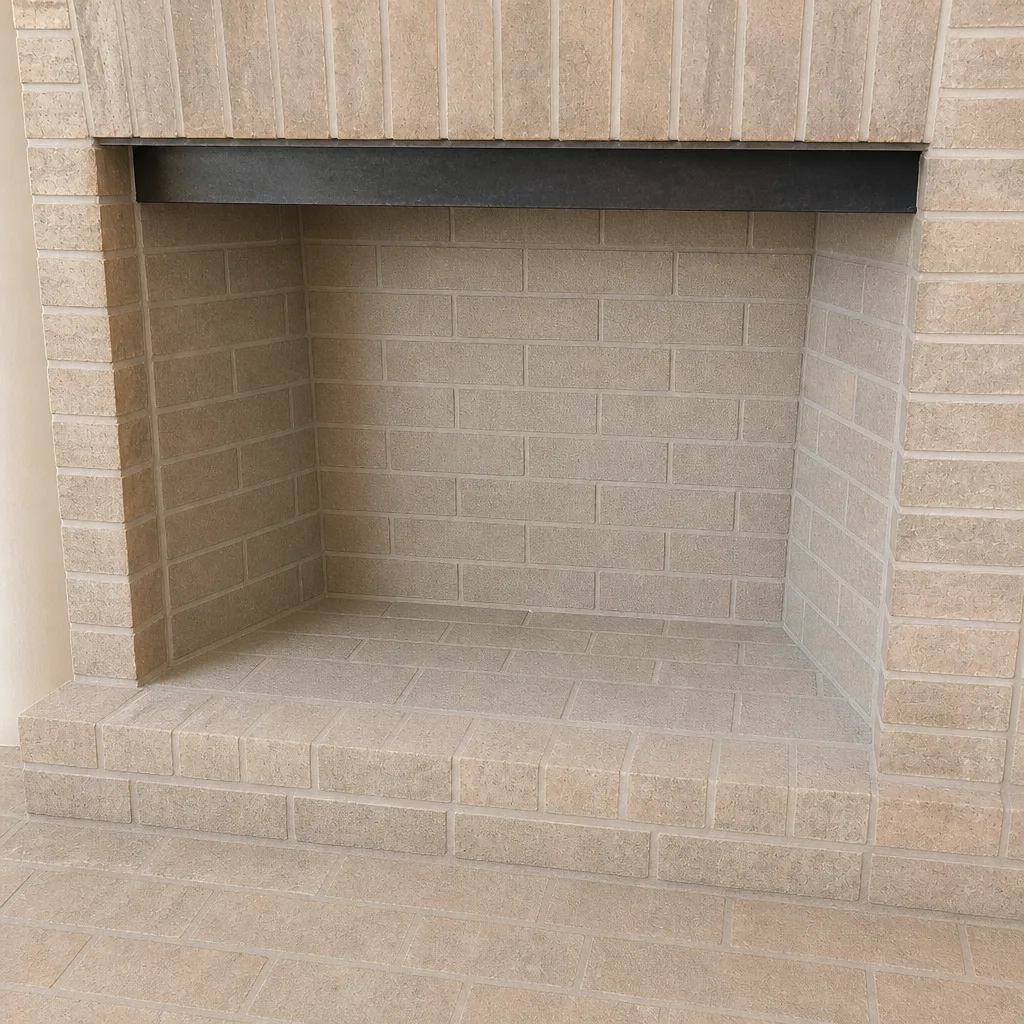
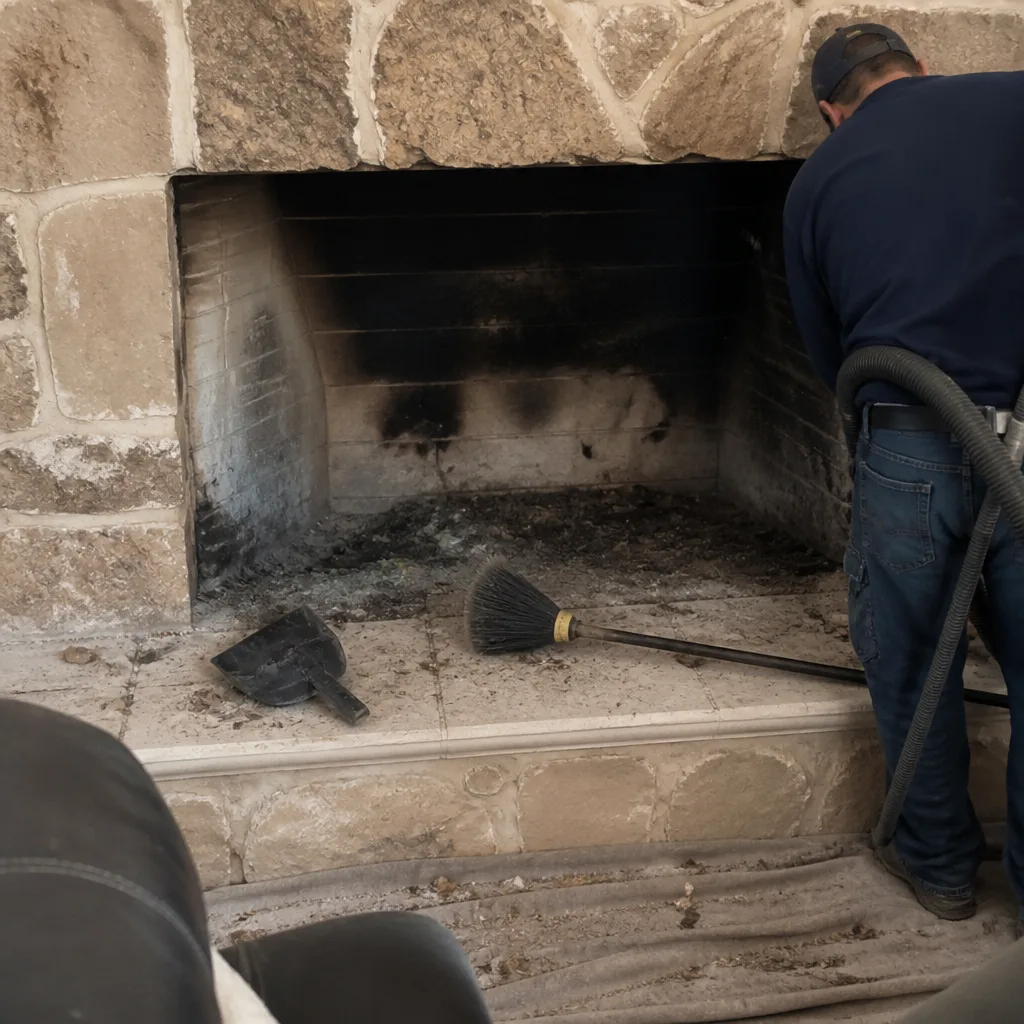
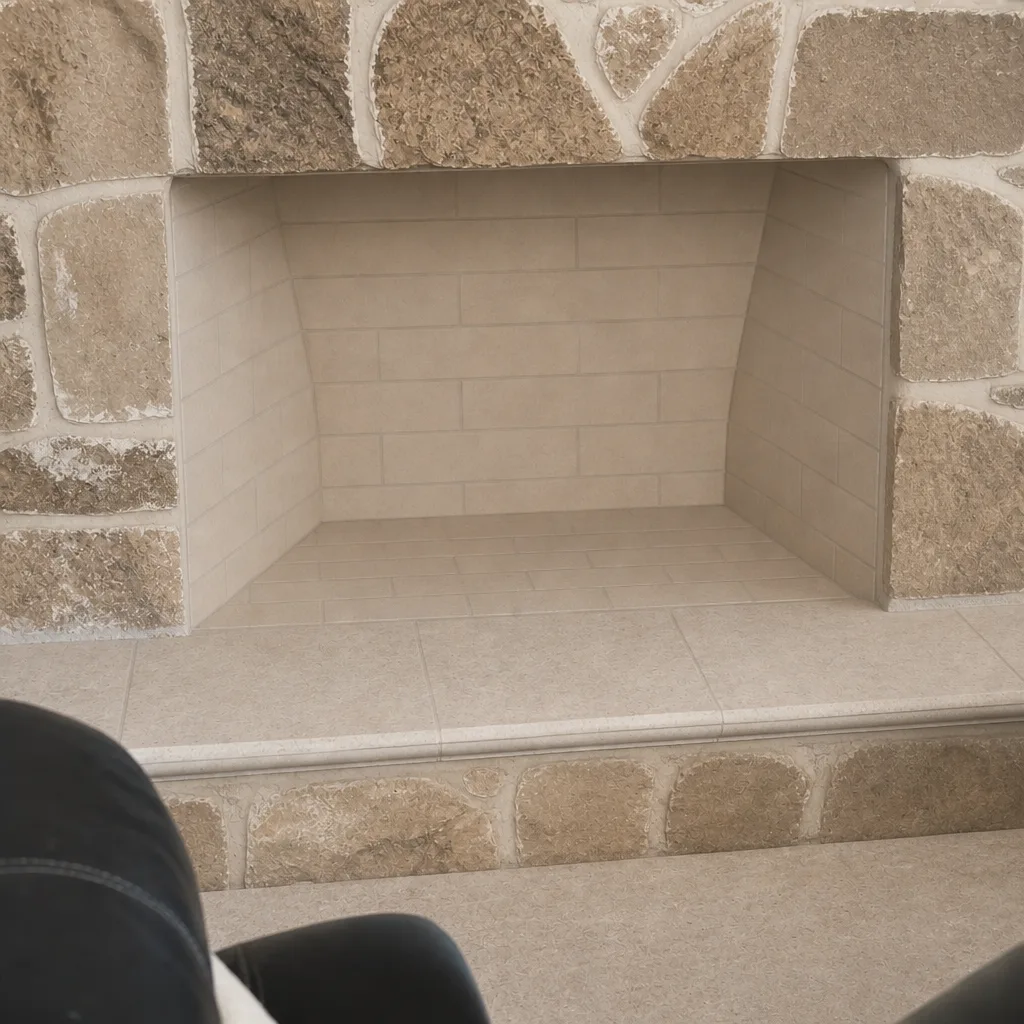
See the difference
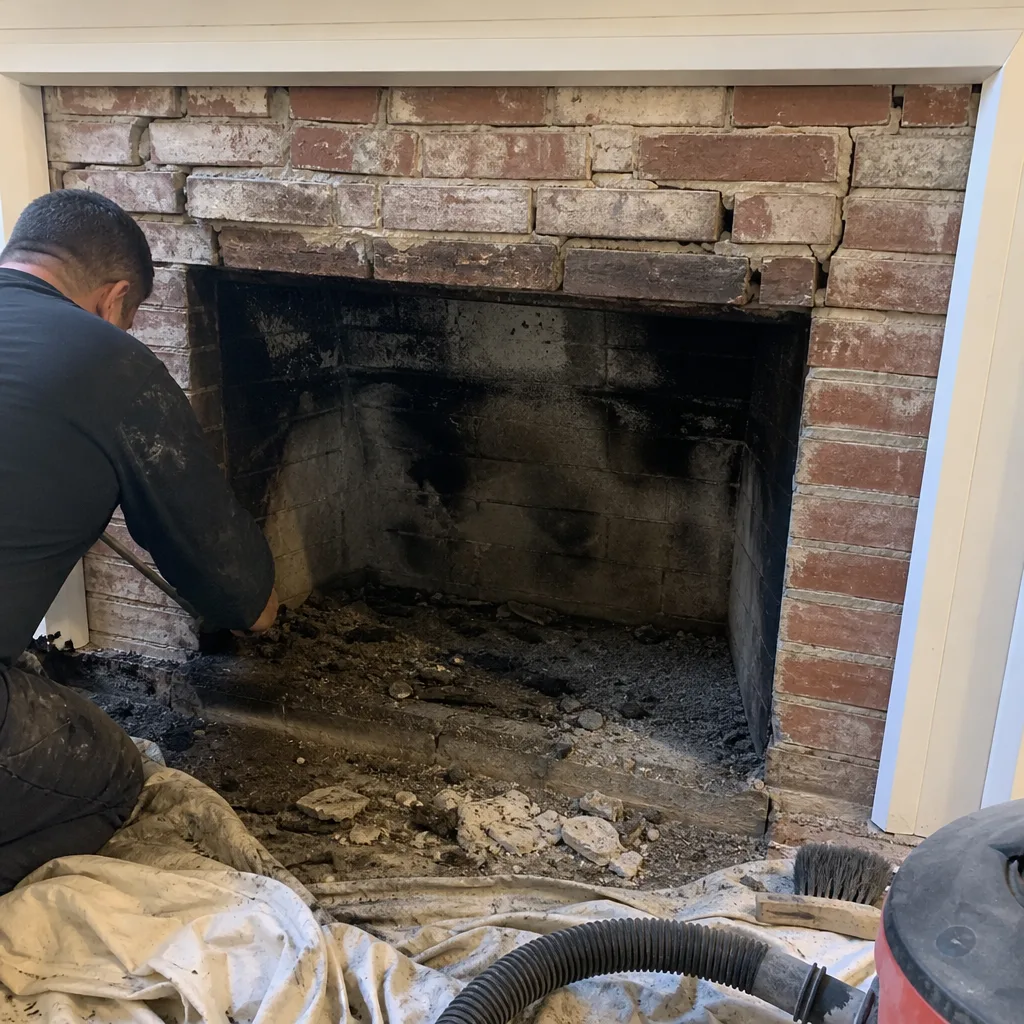 Before
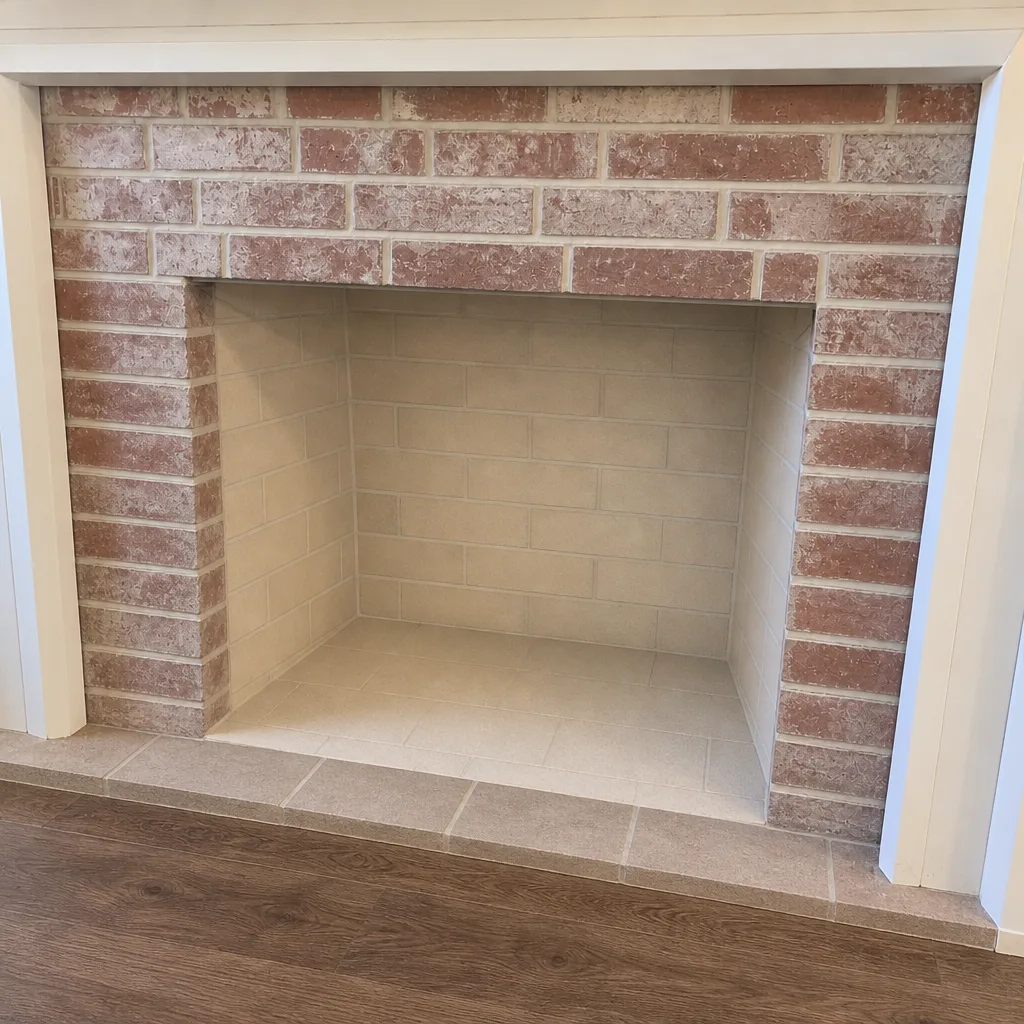 After
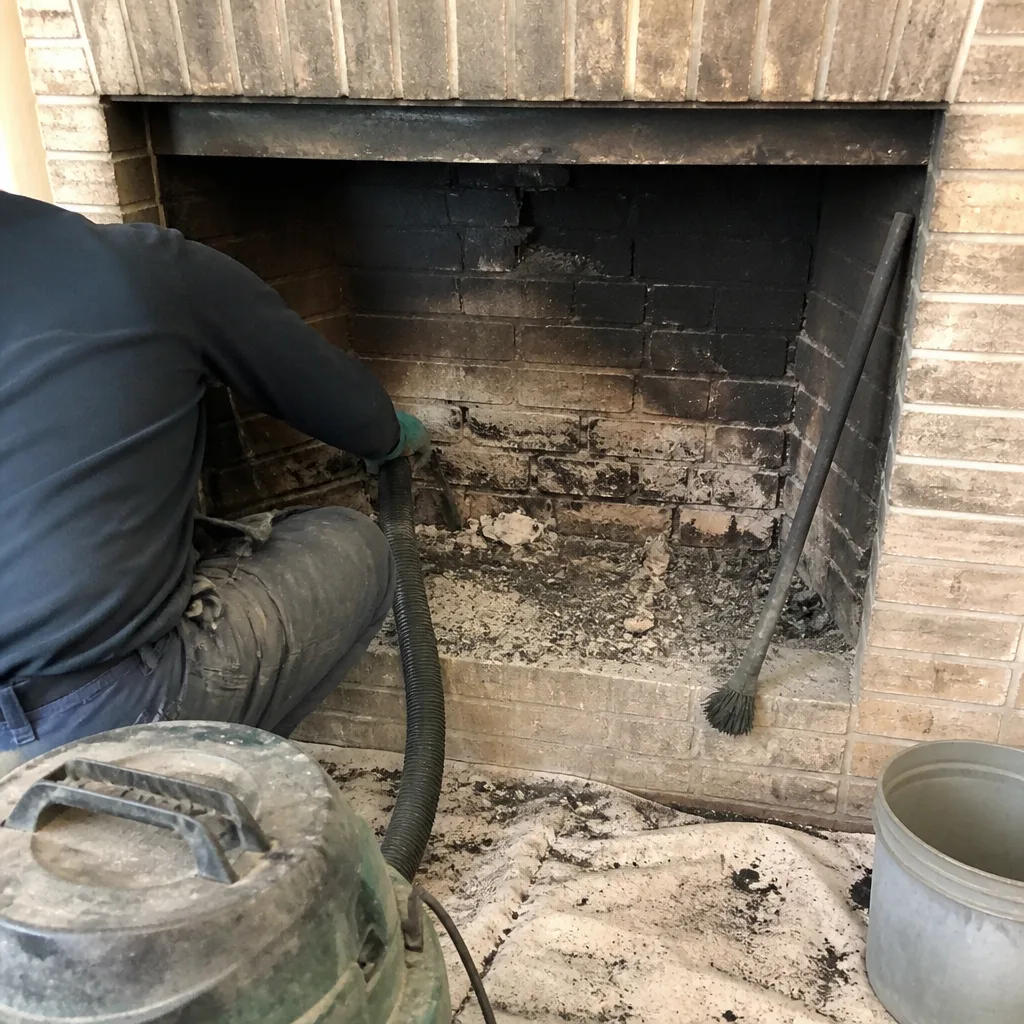 Before
 After
 Before
 After
When to Call a Professional
Call a chimney professional before you burn, not after. If it’s been more than a year since your last sweep, if you’ve moved into an Energy Corridor home with an unknown chimney history, or if the fireplace has sat unused for multiple seasons, book an inspection first. If you’ve had a chimney fire, however small, a Level 2 inspection is the standard of care even if the fire burned itself out. If you’re buying or selling an Energy Corridor home, get a documented Level 2 report ahead of the transaction rather than letting a buyer’s inspector set the timeline. If your cap is missing or your crown is cracked, don’t put it off through storm season, since water intrusion can turn a small repair into a structural one. Chimney Sweep Energy Corridor offers free estimates in Energy Corridor – call (844) 625-7014. We answer 24/7. Fast dispatch from 7am to 7pm, Sunday through Friday.
Frequently Asked Questions
No. Chimney sweeping is maintenance, and in Texas it doesn’t require a state license or a City of Houston permit. Once the work moves into relining, crown rebuilding, or firebox reconstruction, local building code and permitting can apply, so ask your contractor which side of that line their scope falls on. Call (844) 625-7014 for an exact quote – estimates are free.
A Level 1 inspection is the annual check done during a sweep and covers readily accessible parts of the system. A Level 2 inspection is required when a home sells, changes fuel type, or has had a chimney fire, and it covers accessible portions of the flue and attic, often with a camera. A Level 3 inspection opens up concealed structural parts when a Level 1 or 2 finds a hazard. Call (844) 625-7014 to talk through which level your situation needs.
It can. Buyers’ inspectors and lenders increasingly check permits for structural work, and an unpermitted reline or rebuild can delay a closing or force work to be reopened for verification. Getting the paperwork right when the work is done is far cheaper than resolving it under contract. Call (844) 625-7014 before you sign a structural quote.
Not at the sweeping level, which is why the standard of care sits with industry practice rather than a state license. Structural work falls under locally adopted building code, which Houston and Harris County administer. Ask any contractor what code they build to, and confirm the local professional handling structural work is licensed and insured as the state requires for that trade. Call (844) 625-7014 with questions about your scope.
Annually. The industry standard calls for a yearly Level 1 inspection, done as part of the sweep, for homes with an active fireplace. If your Energy Corridor home is changing hands, or if you’ve changed fuel type, add a Level 2 on top of that. Call (844) 625-7014 to book yours.
At minimum, the inspection level and standard the report cites, photos of the accessible flue, liner condition, crown and cap condition, firebox and smoke chamber condition, and a clear separation of what needs fixing now versus what can wait. A buyer’s agent wants a report that documents findings, not one that says the chimney was cleaned. Call (844) 625-7014 for a documented inspection.
A routine sweep includes a Level 1 inspection, a cleaned flue, and a written summary of what was found, including the cap, crown, and firebox. If the inspection flags a structural issue, that turns into a separate conversation about code and permits, and we document what we find so you can decide with clear information. Call (844) 625-7014 for a free estimate on the sweep and inspection.
The Bottom Line
Chimney sweeping is unlicensed in Texas, which puts the burden of vetting on you. Structural work, though, sits inside the International Residential Code as locally adopted by Houston and Harris County, and it can require a permit. NFPA 211 is the standard that guides inspection and shows up in insurance claims and home sales. If you’re in Energy Corridor and you’re planning a repair, selling a home, or simply getting your annual sweep, ask the code question, ask for the paper trail, and confirm the professional doing the structural work is licensed and insured as the state requires. That’s the protection. Everything else is just cleaning.
Chimney Sweep Energy Corridor handles the full system – from the flue to the crown – through Chimney Sweep Energy Corridor. We work with DuraFlex and HeatShield liner systems, and we handle fireplace repair alongside the sweep, so inspection findings and the fix come from the same company. If you’ve read this far and you’re not sure where your chimney stands, call (844) 625-7014. We answer 24/7. Fast dispatch from 7am to 7pm, Sunday through Friday. Free estimates, and we document what we find.
Written by the team at Chimney Sweep Energy Corridor.