
Last updated November 24, 2026
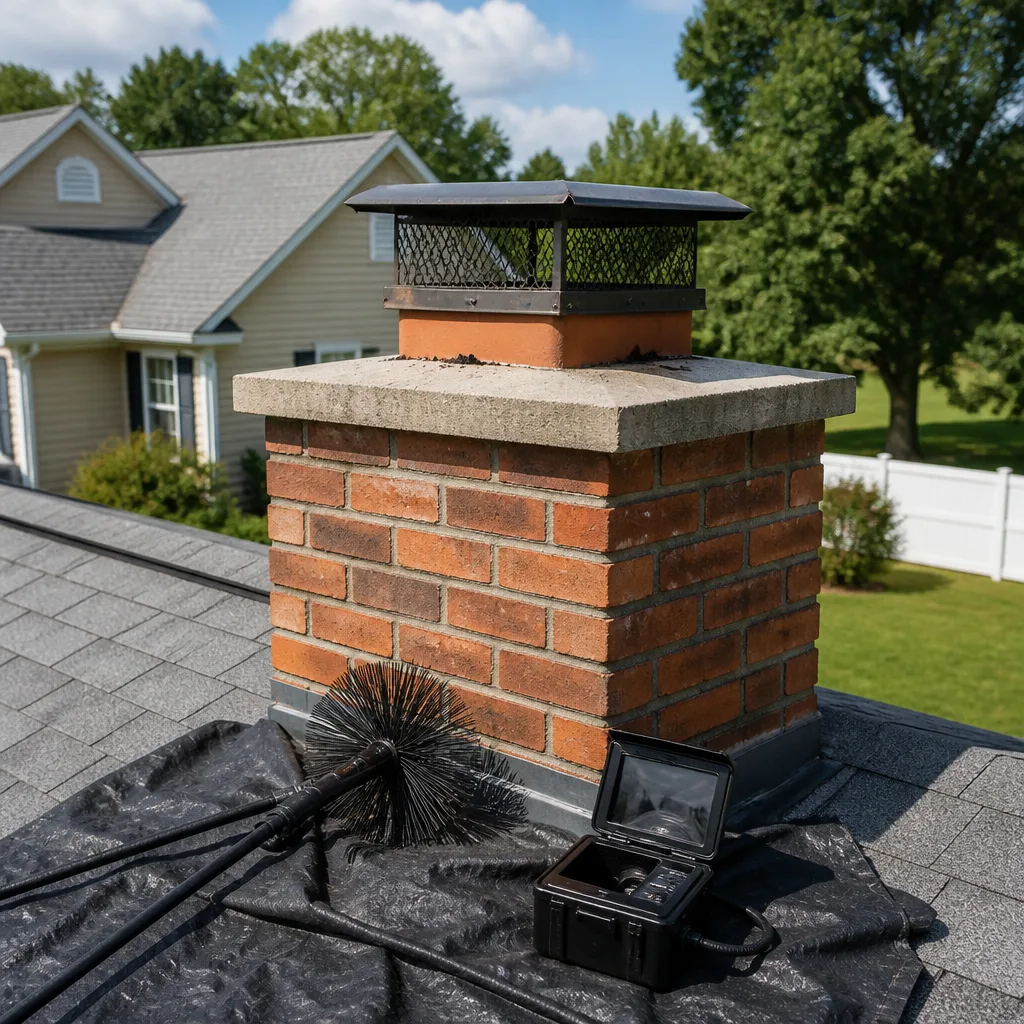 Sweep & inspection
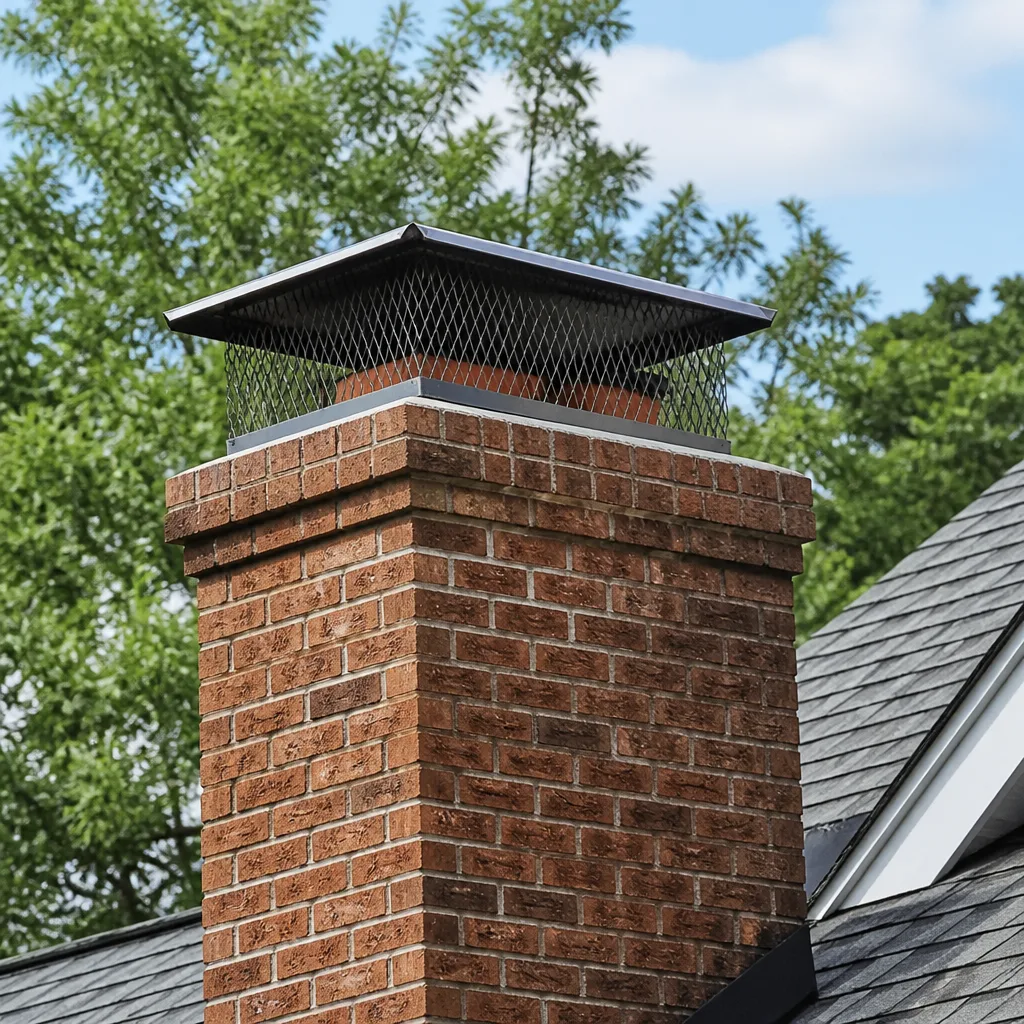 Caps & crowns
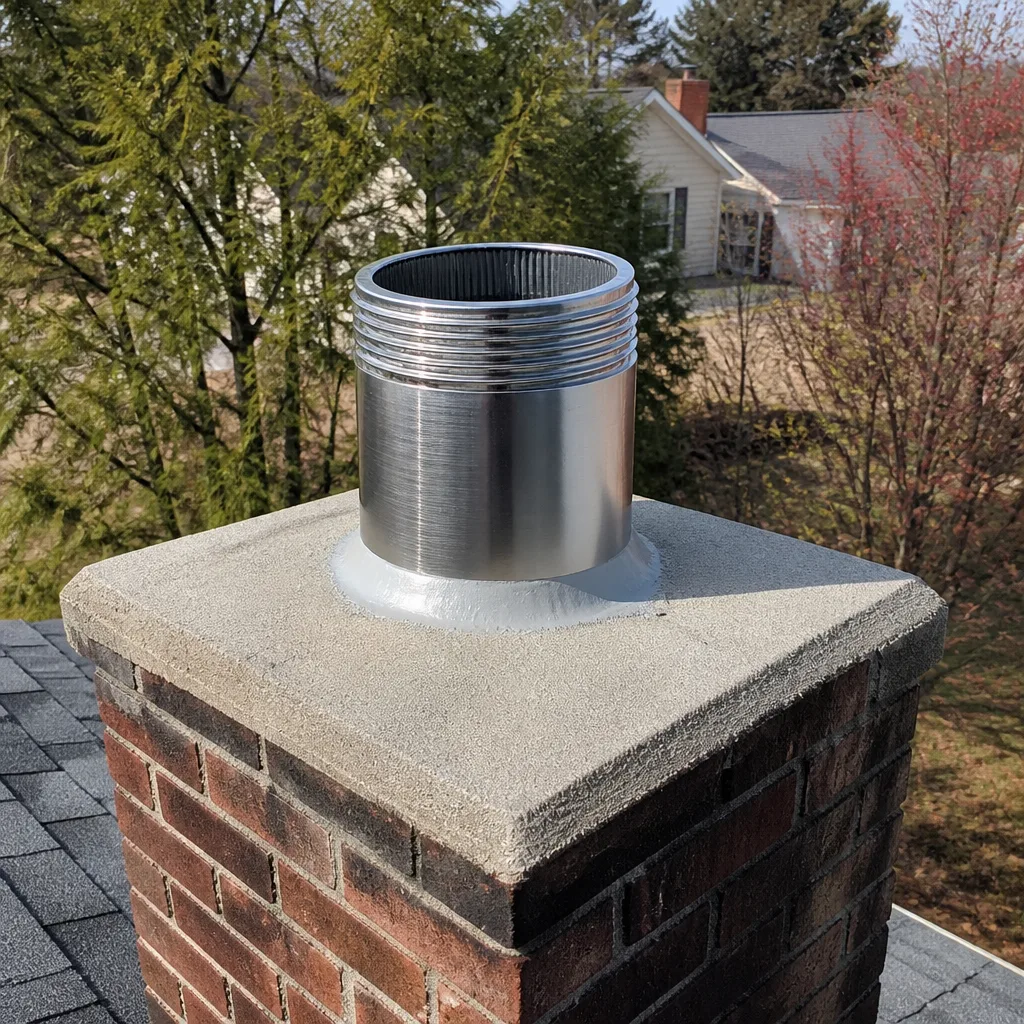 Flue relining
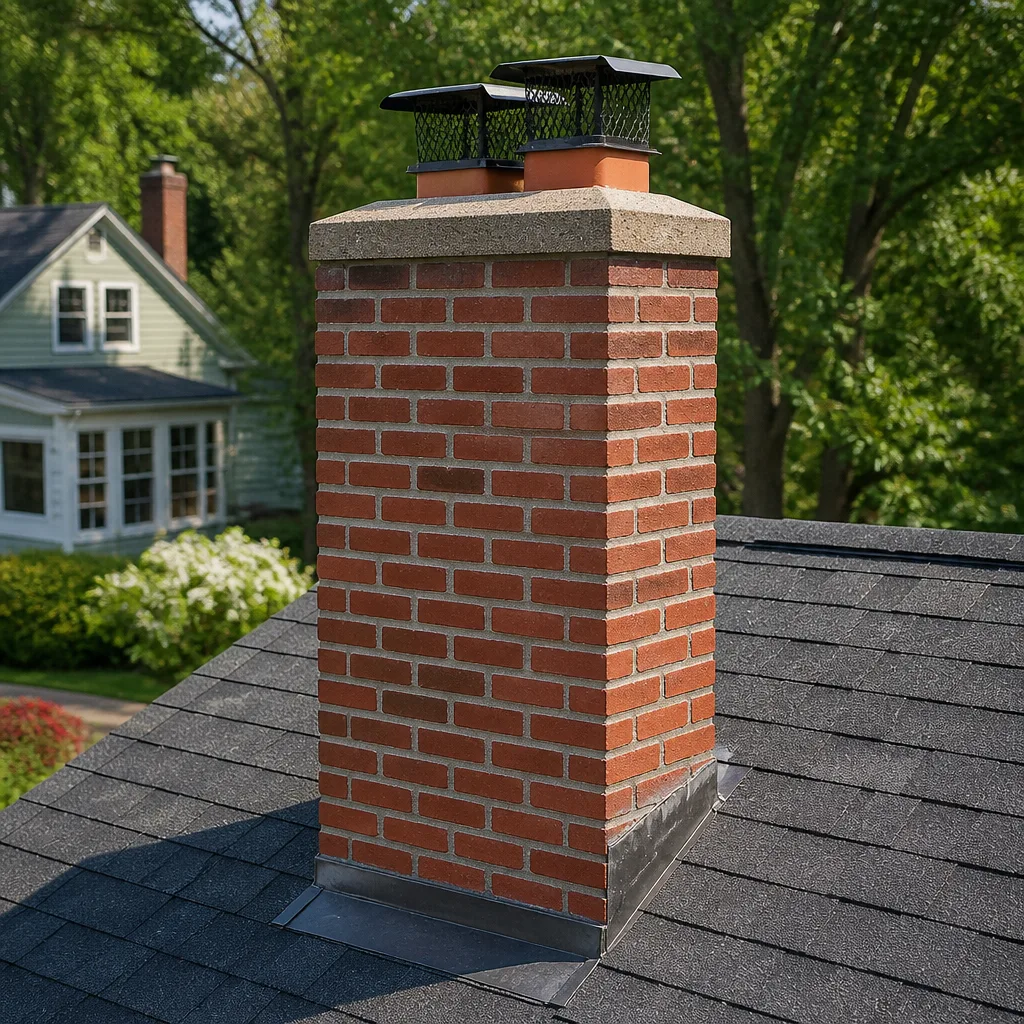 Masonry repair
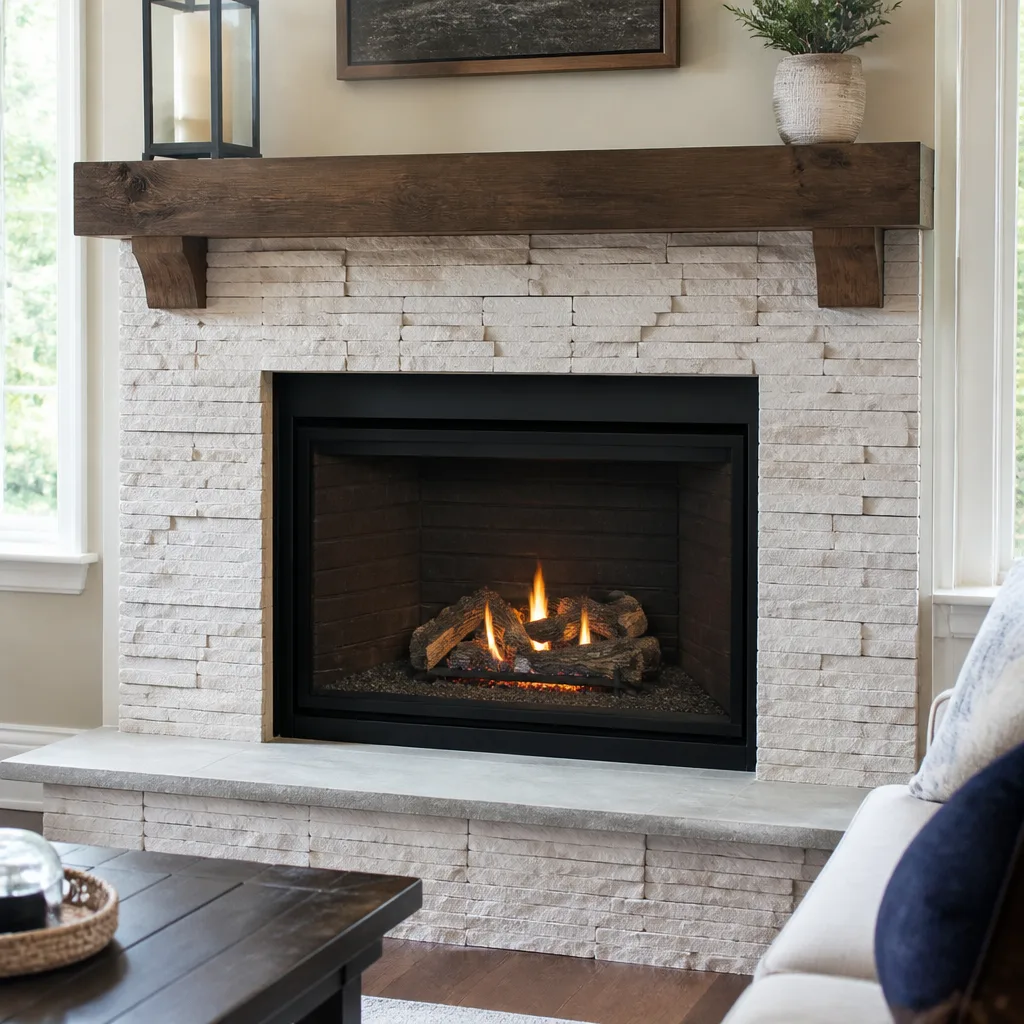 Gas fireplace service
Level 1 sweep and inspection to the NFPA 211 annual standard - flue, crown, cap, and flashing checked and photographed
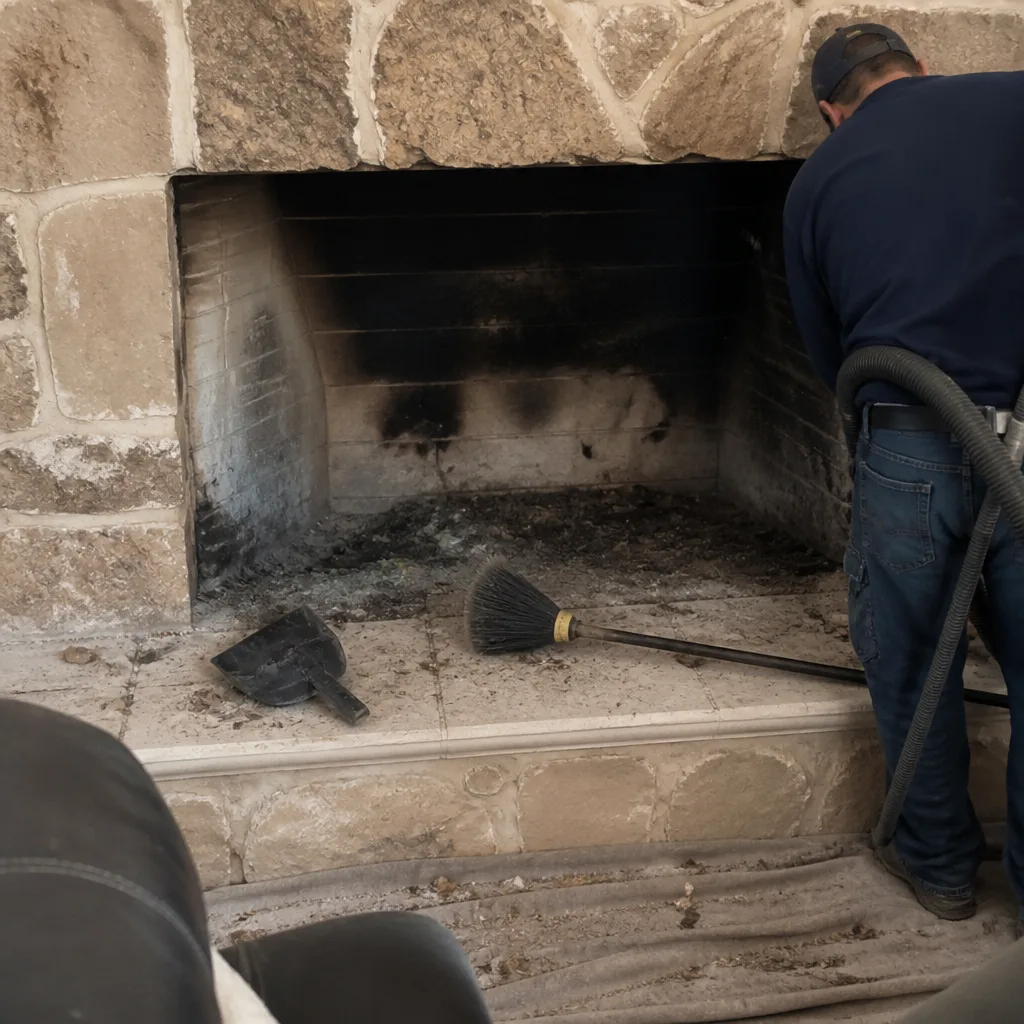
Chimney sweep logs do not sweep chimneys. They loosen some creosote - which then falls where a brush and vacuum still have to collect it.
Chimney Sweep Maintenance Checklist for Energy Corridor Homeowners
A missing chimney cap is one of the quietest ways a chimney fails. It doesn’t announce itself with smoke backing up into the living room or a visible crack in the firebox. It lets in rain, humidity, and wind-driven debris storm after storm, and the damage shows up seasons later as a cracked flue liner, a rusted damper, or masonry that crumbles when someone finally looks. Most maintenance checklists homeowners download never even list cap integrity as a first-line item. This guide is built differently. It’s a diagnostic checklist for the chimney system in your Energy Corridor home, each item tied to a specific failure mode that trained technicians actually find in Gulf Coast humidity and the housing stock here. Use it to understand your chimney, and to check the contractor who works on it.
Quick Answer
A complete chimney maintenance checklist for an Energy Corridor homeowner covers three layers: what you can inspect yourself between professional visits (cap, crown, flashing, firebox, damper), what needs a credentialed sweep with a camera and a written report, and what must be addressed after high-wind storms. Every item on the list maps to a specific failure mode, and the right chimney sweep or inspection should document each finding with photos you can verify yourself.
Styles & brands we work with
- Sweep & inspection
- Caps & crowns
- Flue relining
- Masonry repair
- Gas fireplace service
Table of Contents
- The Three Layers of Chimney Maintenance
- Pre-Season Checklist: Humidity, Cap, Crown, and Flashing
- What You Can Check Yourself Between Professional Visits
- Post-Storm Checklist After High-Wind Events
- Homeowner Tasks vs. Credentialed Sweep Tasks
- Documenting Chimney Condition Year Over Year
- How to Verify a Contractor’s Work Against This Checklist
- Why Professional-Grade Materials Matter for Energy Corridor Chimneys
The Three Layers of Chimney Maintenance
Think of chimney maintenance in three separate layers, because each one fails differently and each one requires a different level of expertise to catch. Confusing the layers is how homeowners end up paying for a sweep when they needed an inspection, or trusting an inspection that never touched the roof line.
The first layer is routine sweeping. Creosote builds up inside the flue any time you burn wood, and it needs to be removed before it reaches a thickness that can ignite. Sweeping is mechanical work, but a professional sweep also notices what’s in the flue while cleaning it: glazed creosote, cracked tiles, signs of water intrusion. That observation is where sweeping overlaps with inspection.
The second layer is inspection. This is the diagnostic work: examining the full system from firebox to crown, running a camera up the flue, checking the cap, crown, flashing, damper, smoke chamber, and the exterior masonry. We align our chimney inspections with NFPA 211 guidelines, the industry-standard framework for how often and how thoroughly a chimney should be evaluated. An inspection produces findings, and findings produce a written, photographed report.
The third layer is repairs and prevention. This is where a chimney system gets restored rather than just cleaned: rebuilding a cracked crown, installing or replacing a cap, repointing spalled brick, resurfacing a damaged flue with a HeatShield system, or, in more serious cases, relining with a DuraFlex stainless liner. Most homeowners only learn about this third layer when something fails. The point of a real checklist is to catch issues in the second layer, before they become third-layer work.
In Energy Corridor specifically, the second and third layers matter more than homeowners expect because of the humidity exposure here. The area gets long, humid summers and intense rain events, and both attack the top of the chimney first. That’s where the checklist in the next section begins.
Pre-Season Checklist: Humidity, Cap, Crown, and Flashing
Before cooler weather arrives each year, the top of your chimney deserves the closest look. Water is the single most destructive force on any chimney, and in Gulf Coast humidity, the mortar, brick, and flue are under constant moisture load. A pre-season walkthrough should cover each of the following items.
- Chimney cap integrity. Is there a cap at all, and is it intact and properly sealed to the flue? A missing or rusted-through cap lets rain directly into the flue, and rain into a flue is the leading cause of liner deterioration. This is a first-line inspection item, not an afterthought.
- Crown condition. The crown is the sloped concrete or masonry cap at the very top of the chimney, designed to shed water away from the brick. Look for visible cracks, chips, or a crown that has separated from the flue. A failing crown funnels water straight into the masonry structure, which leads to spalling brick and internal damage.
- Crown waterproofing. Even an intact crown benefits from a waterproofing sealer to reduce moisture absorption through the concrete and adjacent masonry. This is routine preventive work, not a major repair.
- Flashing condition. Where the chimney meets the roof, a metal flashing system seals the joint. Check for lifting, separation from the masonry or shingles, or failed sealant. Flashing failure is one of the most common sources of hidden water intrusion, and it often goes unnoticed until ceiling stains appear inside.
- Visible masonry at the top. Look for spalled brick, crumbling mortar joints, or efflorescence (the white powdery staining that indicates moisture moving through masonry). Any of these signals a moisture problem that needs evaluation.
- Damper operation. Open and close the damper by hand. It should move freely and seat fully. A rusted or stuck damper is a sign of moisture reaching the firebox, and a damper that won’t close properly wastes heat and lets outside air in year-round.
- Firebox and smoke shelf condition. Shine a flashlight into the firebox and look up. Note any cracked firebrick, crumbling mortar, or gap between the firebox and the damper frame. You’re looking for damage here, not diagnosing it. That’s the professional’s job.
If any of these items look wrong, don’t defer them to the next checkup. Small moisture issues at the crown and cap are inexpensive to address. Once water has moved into the flue liner or the surrounding masonry, the scope of work changes and the cost changes with it. Our chimney cap & crown work exists specifically because these two components cause the majority of the water-intrusion repairs we see.
What You Can Check Yourself Between Professional Visits
You don’t need to climb on the roof to be an informed owner. A meaningful amount of chimney monitoring happens from the ground, from the firebox, and from your driveway with a pair of binoculars. Here’s the split between what’s reasonable to check yourself and what belongs to a trained technician.
What you can inspect from inside the house
- The firebox for cracked firebrick, loose mortar, or gaps near the damper frame.
- The damper for smooth operation, sealing, and any visible rust.
- The smoke chamber area just above the damper for visible creosote buildup or deterioration. You can see it with a flashlight; a professional will evaluate it with a camera.
- The firebox floor and ash dump for cracks or moisture staining.
- Any interior smell of smoke or mustiness after a rain, which points toward a cap or crown issue.
What you can inspect from outside the house
- The exterior chimney at ground level for spalling brick, white efflorescence staining, or leaning.
- The roofline with binoculars for the presence of a cap, visible cracks in the crown, and obvious flashing separation.
- The base of the chimney where it meets the ground or roof for crumbling mortar or water staining.
What requires a camera and professional eyes
- The inside of the flue – cracks, gaps, offset tiles, and the exact condition of the liner need camera inspection.
- The interior of the smoke chamber – the transition above the damper that isn’t visible from below.
- The full crown and flashing system – the parts of the flashing you can’t see require a hands-on evaluation.
- Creosote thickness – visually estimating depth inside the flue from the firebox is unreliable.
A basic homeowner check is a screening tool, not a substitute for an inspection. The value is in catching things early and knowing which questions to ask. When we perform a chimney sweep, we document what we find with photos you can see for yourself, which is the whole point of homeowner monitoring: it should be verifiable, not taken on faith.
Post-Storm Checklist After High-Wind Events
The Energy Corridor sits through several strong wind events each year, and those storms do specific damage to chimneys that a normal seasonal check won’t catch. A short post-storm walkthrough should happen within a week of any notable wind event.
- Confirm the cap is still in place. High winds can dislodge or fully remove a chimney cap. A missing cap after a storm opens your flue to rain and debris, and it’s the single most important post-storm check.
- Look for displaced or damaged cap screens. Even when a cap remains in place, the spark screen or mesh can tear or flatten, letting birds and debris into the flue.
- Look for fresh spalling. Wind-driven rain can accelerate brick spalling on an older chimney. Look for new white powder staining or bricks that have lost their face at the roofline.
- Check flashing separation. Storms lift flashing and break sealant lines. If the flashing has separated even a fraction of an inch, water finds the gap the next time it rains.
- Check the roof around the chimney. Look for missing or lifted shingles immediately around the chimney. Roof damage at the penetration point is a fast track to interior water damage.
- Look for fallen mortar and brick pieces. If you find pieces of brick or mortar at the base of the chimney, that’s a structural warning. Stop using the fireplace until the chimney has been inspected.
- Smell inside after rain. Musty or smoke smells in the house after a storm indicate moisture has entered the system.
The pattern here is that storms reveal weaknesses that humidity and time have been building. In our experience, a chimney that’s had an intact cap and a waterproofed crown survives a wind event with far less follow-up work than one with failing masonry at the top. The Chimney Sweep Energy Corridor approach to full-system service comes from seeing how much of the post-storm repair list traces back to defensive maintenance that was never done.
Homeowner Tasks vs. Credentialed Sweep Tasks
One of the most useful things a homeowner can learn is where their responsibility ends and a trained sweep’s begins. Doing too little leaves the chimney vulnerable. Doing too much – cleaning the flue yourself, or climbing onto the roof to reseal a crown – creates risk without actually solving the problem.
Tasks a homeowner owns
- Visual checks from inside and outside the house, as outlined above.
- Monitoring for changes year over year and keeping notes.
- Calling for service when something on the checklist looks wrong.
- Ensuring the fireplace is only used with dry, well-seasoned wood, and burning hot fires that produce less creosote.
- Scheduling the annual inspection and sweep.
Tasks that require a credentialed sweep with CSIA or NFI certification
- Sweeping the flue. A chimney flue is a confined, vertical space with creosote buildup that can ignite. Professional sweeps use the right brushes, rods, and vacuum systems to remove creosote without damaging the flue lining or dispersing soot into the living space. This is not a homeowner task.
- Camera inspection of the flue interior. Evaluating a liner for cracks, gaps, or deterioration requires a video camera and the training to read what it reveals.
- Evaluating the crown and flashing. A proper assessment requires hands-on work at the roof line, and any repair work at that height involves genuine fall risk. This belongs to a trained professional.
- Rebuilding or resurfacing the crown. Crowns must be correctly sloped and sealed, not just patched. An improperly rebuilt crown fails faster than the original.
- Liner repair or resurfacing. HeatShield resurfacing and DuraFlex liner system installation both require specialized training and manufacturer-specific products. These are not generalist handyman jobs.
- Structural masonry repair. Repointing, brick replacement, and reconstructing the flue top are specialized work that requires evaluating structural condition, not just appearances.
The credential to look for is CSIA (Chimney Safety Institute of America) or NFI (National Fireplace Institute) certification. Ask directly, and ask whether the inspection will include a camera and a written report with photos. An inspection without those isn’t a diagnostic service, it’s an opinion. Our technicians have up to 11 years of experience, and we perform every inspection against that same standard.
Documenting Chimney Condition Year Over Year
The single most valuable thing you can build as a homeowner is a chimney service history: a file of inspection reports, sweep logs, repair records, and photos, organized by date. This file is worth far more than most owners realize.
Here’s why it matters. When you sell an Energy Corridor home, a buyer’s inspector will look at the chimney and note problems. If you can produce a documented service history, those notes become context instead of negotiation leverage. “The crown was rebuilt and the cap was replaced” with photos and dates is a completely different story than “unknown condition.” An undocumented chimney is treated as a liability; a documented chimney is treated as a maintained system.
It matters equally for insurance. If a chimney-related claim arises, whether from water damage that originated at the flashing or from a chimney fire, the insurer will want to know the maintenance history. Documented annual inspections and sweeps demonstrate diligence. A file with no records leaves the conversation in the insurer’s hands.
Building the file is simple:
- Keep every inspection report with the inspector’s findings and photos, not just the invoice.
- Photograph the chimney yourself from the same spots each year – the roof line from the driveway, the firebox, the firebox from below with a flashlight. Same angle, same date order.
- Log each service visit with the date, what was done, and who performed it.
- Note any repairs and keep the material and system names: a HeatShield resurfacing or a DuraFlex liner system install should be recorded by name, because it matters to future inspectors and buyers.
- File storm-related checks separately, with photos, especially after any notable wind event.
- Review the file each year before scheduling the next inspection, so you go in with a specific question, not a blank slate.
Walk through this once and every future inspection becomes more useful, because you and the technician are working from the same history. If your chimney has never had an inspection documented, start now. The first report establishes the baseline, and everything gets measured against it.
How to Verify a Contractor’s Work Against This Checklist
The checklist isn’t only a to-do list for your chimney; it’s a tool for evaluating the contractor you hire. A quality contractor on this checklist will demonstrate certain behaviors, and a poor one will fail on the same items. Here’s what to look for.
- They answer inspection questions in specifics. “We’ll take a look” is not an answer. “We’ll camera the flue, photograph the crown, flashing, and cap, and provide a written report” is.
- They document with photos you can see. Any claim about the condition of your flue or the need for liner work should be supported by images you can look at. If we ever recommend liner work, you should be able to see exactly why in pictures, not take it on faith.
- They mention the NFPA 211 framework. Inspections should be performed against an industry standard, not a contractor’s personal opinion.
- They use professional-grade products. Liners, resurfacing materials, caps, and sealants should come from established trade brands – HeatShield, DuraFlex, Olympia Chimney, Gelco, Famco, Copperfield. Hardware-store parts look the same on a quote and fail years earlier in the flue.
- They handle the full system. If your inspection finds a failing crown, a damaged cap, and a liner issue, you shouldn’t have to assemble three contractors. One company should be able to perform the sweep, the inspection, the cap and crown work, and the repair, without handoffs.
- They tell you when work can wait. A contractor who recommends a full relining on the first visit, before camera evidence, is a contractor to get a second opinion from. Some findings are urgent, some are maintenance to plan, and a good contractor distinguishes the two clearly.
- They don’t upsell based on fear. They explain the risk in specific, accurate terms and let you decide. Creosote in the flue can ignite, and carbon monoxide risk is real, but neither is a reason for a scare-based sales pitch.
Verifying a contractor against these points takes a few questions during the estimate. A professional welcomes the scrutiny. One who resists it is answering your question for you.
Why Professional-Grade Materials Matter for Energy Corridor Chimneys
The materials matter more in this climate than most homeowners assume. A chimney cap bought at a hardware store and installed by a handyman looks the same from the driveway as a professional-grade cap, but they behave very differently after a few Gulf Coast summers. Cheap caps rust through, poor sealants fail in a season, and low-grade flashing pulls away at the first storm. The replacement work costs more than the right job would have.
The professional-grade brands we work with exist for exactly this reason. DuraFlex flexible liner systems handle complex flue configurations and are built for decades inside a chimney, not a few seasons. HeatShield liner resurfacing is a restoration method that extends chimney life without full reliner replacement on damaged but still structurally intact flues – a capability most basic sweep companies don’t have in their toolset. Gelco, Olympia Chimney, Famco, and Copperfield supply the caps, masonry components, and repair materials that go into a chimney and stay there. These are the same brands used by professional chimney contractors across the country, and they show up on a quote because they’re the right part, not the cheap part.
When you’re choosing between two estimates for cap work or liner restoration, ask which brand each contractor is using. The answer tells you whether they’re specifying parts for your system or sourcing whatever’s on the shelf. For work beyond the cap and crown, our fireplace repair service handles the firebox, damper, and hearth side of the system, so the flue, top, and interior all get evaluated and resolved under one roof – your roof, not ours, since the work happens in your home.
Common Mistakes to Avoid
- Skipping the cap because “it looks fine from the ground.” Cap failure starts on the inside and underside, not the top. A cap with a rusting seal or a torn screen can let water and debris in for years without looking wrong from the driveway. It’s the top of the checklist for a reason.
- Treating the annual sweep as the entire maintenance plan. Sweeping removes creosote; it doesn’t evaluate your crown, flashing, or masonry. If your only chimney service each year is a sweep with no inspection and no written report, you’re missing the layers where real damage hides.
- Resealing the crown themselves after a storm. A crown needs to be correctly sloped, bonded, and weatherproofed, and doing it wrong traps moisture rather than keeping it out. It also puts a homeowner at genuine fall risk at the roof line, which belongs to a trained professional.
- Postponing inspection after high winds. A storm event in the Energy Corridor that displaces a cap or lifts flashing will not fix itself. Waiting until the next burn season converts a small repair into a structural one.
- Approving liner work without seeing the evidence. Any contractor recommending substantial liner or masonry work should show you the camera footage or photos first. “It needs a new liner” without a picture is not a diagnosis; it’s a bid.
- Never documenting anything. A homeowner who has had the chimney serviced for years but has no records gets treated at sale or claim time like one who has never done anything. Keep the reports and photos.
- Hiring a generalist for specialist work. A handyman can install a cap. A handyman cannot resurface a flue with a HeatShield system or correctly evaluate a DuraFlex liner configuration. Match the credential to the task.
See the difference
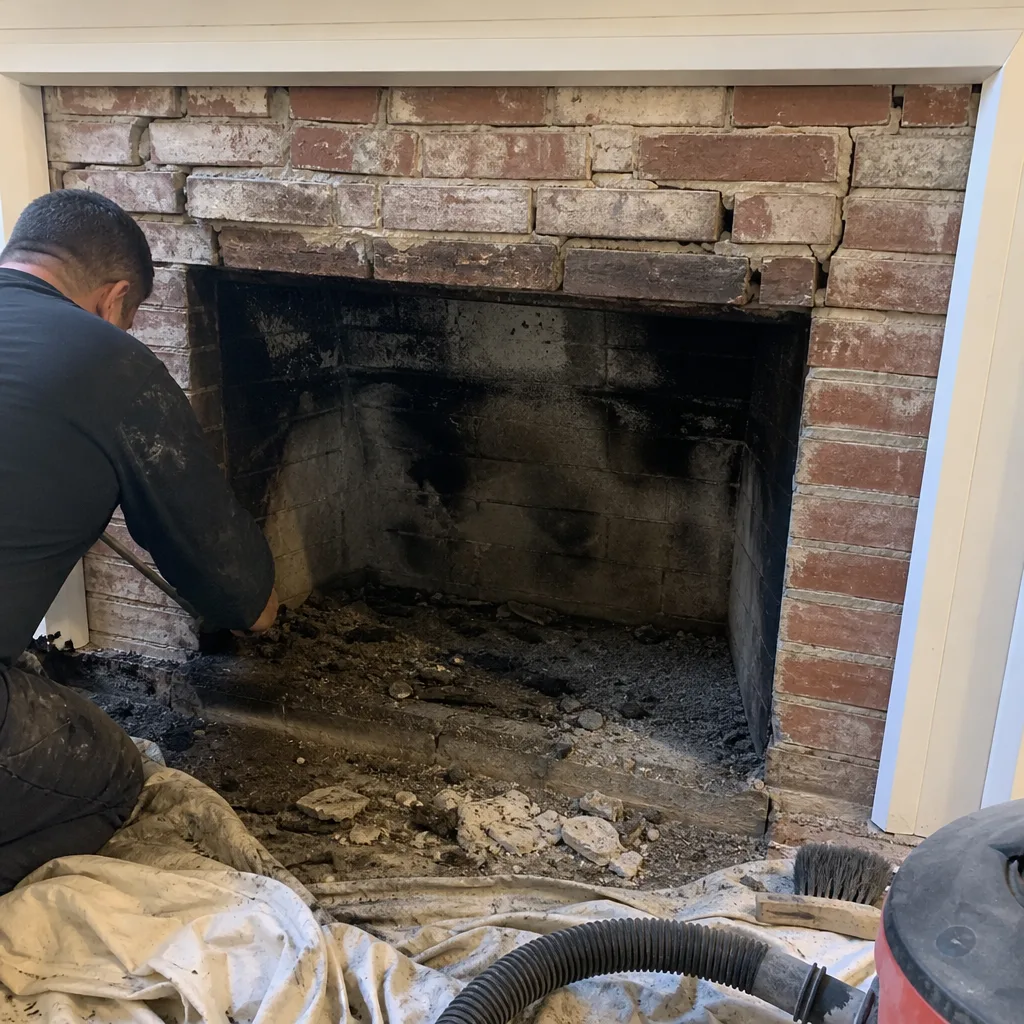 Before
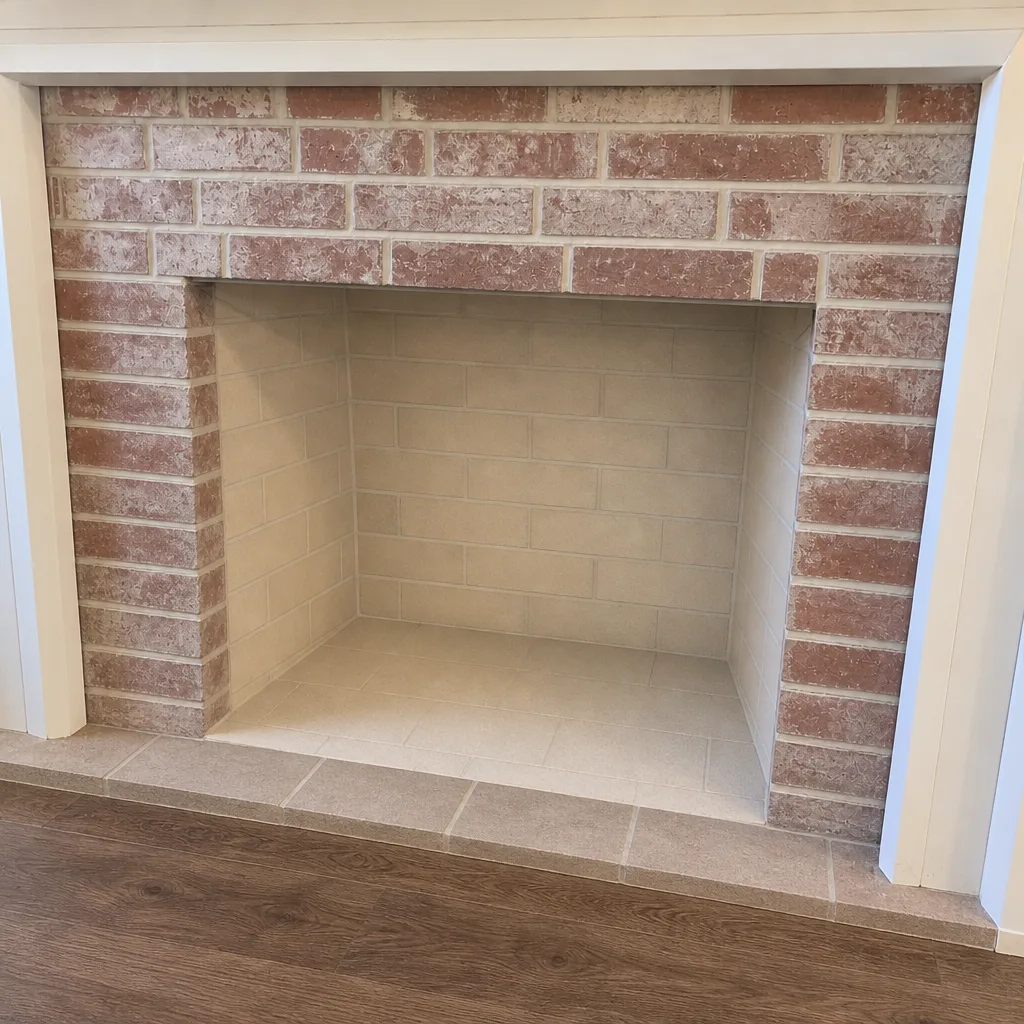 After
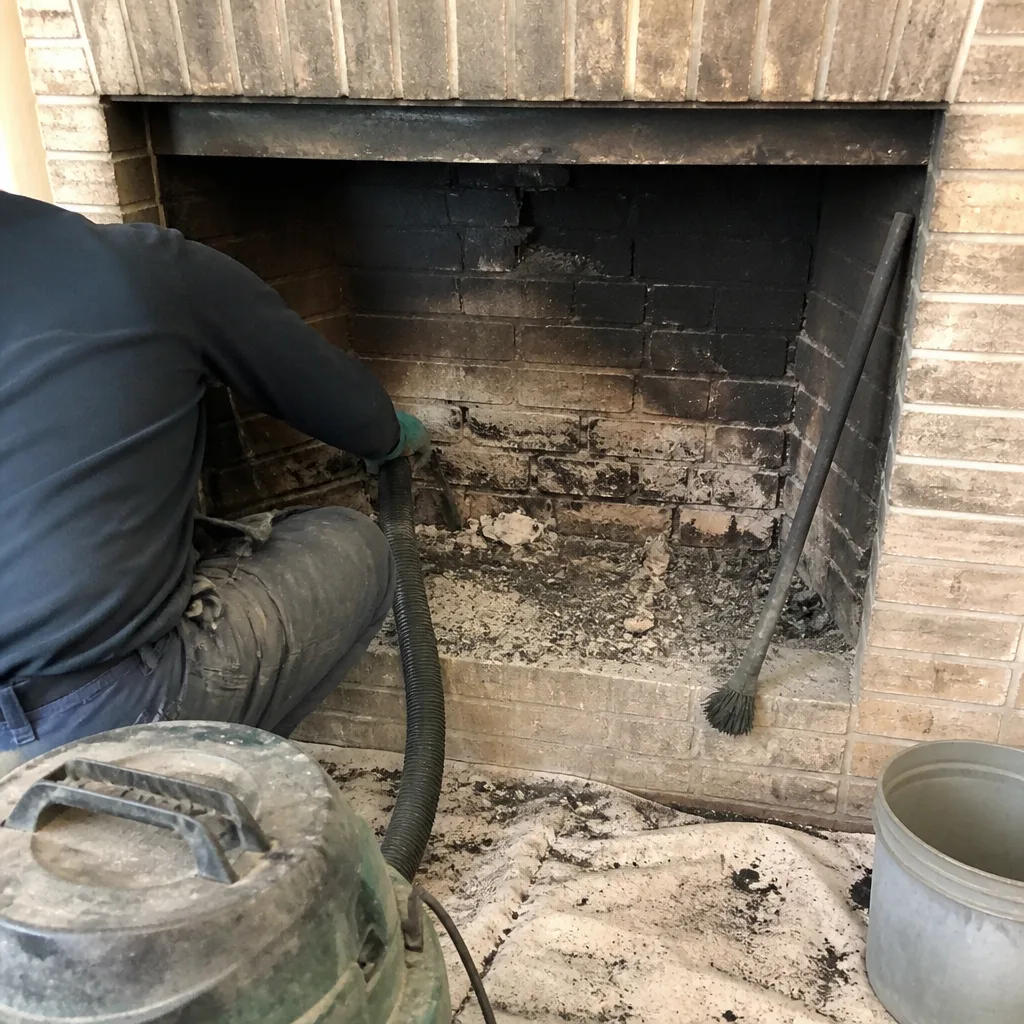 Before
 After
 Before
 After
When to Call a Professional
Some findings need a professional before the next chimney fire, and some are just maintenance to schedule. Call us when you haven’t had an inspection in the past year, when your visual check reveals spalling brick, white efflorescence, a separated crown, or a missing cap, or when you’ve smelled smoke or mustiness in the house after rain. Call if you can’t remember the last time the flue was camera-inspected, if a storm has damaged the flashing or roof line near the chimney, or if you found pieces of mortar or brick at the base. Call, too, if you’re buying or selling an Energy Corridor home and need documentation of chimney condition. Chimney Sweep Energy Corridor offers free estimates in Energy Corridor – call (844) 625-7014. We answer 24/7. Fast dispatch from 7am to 7pm, Sunday through Friday.
Frequently Asked Questions
Once a year, ideally before the burn season starts, and any time after a notable high-wind event that could have damaged the cap, crown, or flashing. NFPA 211 guidelines call for an annual inspection as the industry standard. Seasonal storms in this area make the post-storm check the thing most homeowners skip. Call (844) 625-7014 to book an inspection – the estimate is free.
A cracked crown can usually be assessed and scheduled rather than treated as an emergency, provided the crack hasn’t separated the crown from the flue and isn’t letting water into the masonry. Get it evaluated before the next rainy season so it doesn’t progress to spalled brick. Call (844) 625-7014 to have it looked at; our inspection will show you exactly what’s happening with a photo and a written finding, and we’ll tell you plainly if it can wait.
Yes. A missing cap lets rain directly into the flue, and repeated moisture exposure through wet-dry cycling is the leading cause of liner deterioration over time. In our experience, one storm season is enough to start measurable damage on an unprotected flue. Replacing a cap costs a fraction of restoring a liner.
A sweep removes creosote and soot from the flue; an inspection evaluates the full system, from firebox to crown, using a camera and produces a written report with photos. Sweeping often reveals signs an inspection should address, but it’s not the same service. A complete annual service includes both.
Not the same thing, and that’s the point. HeatShield resurfacing restores a damaged but structurally intact flue and extends its usable life without full reliner replacement. When a flue is beyond resurfacing, we use a DuraFlex liner system instead. We document the camera findings that drive which path is right so you can see the evidence yourself. Call (844) 625-7014 for an estimate.
A complete report should include photographed findings for the cap, crown, flashing, firebox, damper, smoke chamber, and flue interior, with a camera image if the flue was inspected internally, plus a clear distinction between issues that need repair and items that can wait. Ask any contractor you call to confirm what the report will include before you book.
The Bottom Line
Chimney maintenance in Energy Corridor homes isn’t a single annual sweep; it’s a layered checklist. The top of the system – cap, crown, and flashing – takes the most abuse from Gulf Coast humidity and wind-driven rain, and it’s the part most homeowners never inspect. Your job is visual monitoring from the firebox and the driveway, keeping documentation of every service visit, and calling for a professional inspection when anything looks wrong. The professional’s job is camera inspection, sweeping, and repair work with trade-grade materials. Together, the checklist protects the flue, the home, and the resale value of the property. If your chimney is due, call us today.
Contact Us
Chimney Sweep Energy Corridor covers the full system – flue, crown, cap, fireplace, and masonry – with one company handling the inspection, the sweep, and any repair findings in a single job. If you’re ready to establish a maintenance baseline, or you just want a photo report of what’s happening up there before the burn season, call (844) 625-7014 for a free estimate. We answer 24/7, and we dispatch 7am to 7pm, Sunday through Friday.
Written by the team at Chimney Sweep Energy Corridor.