
Last updated November 24, 2026
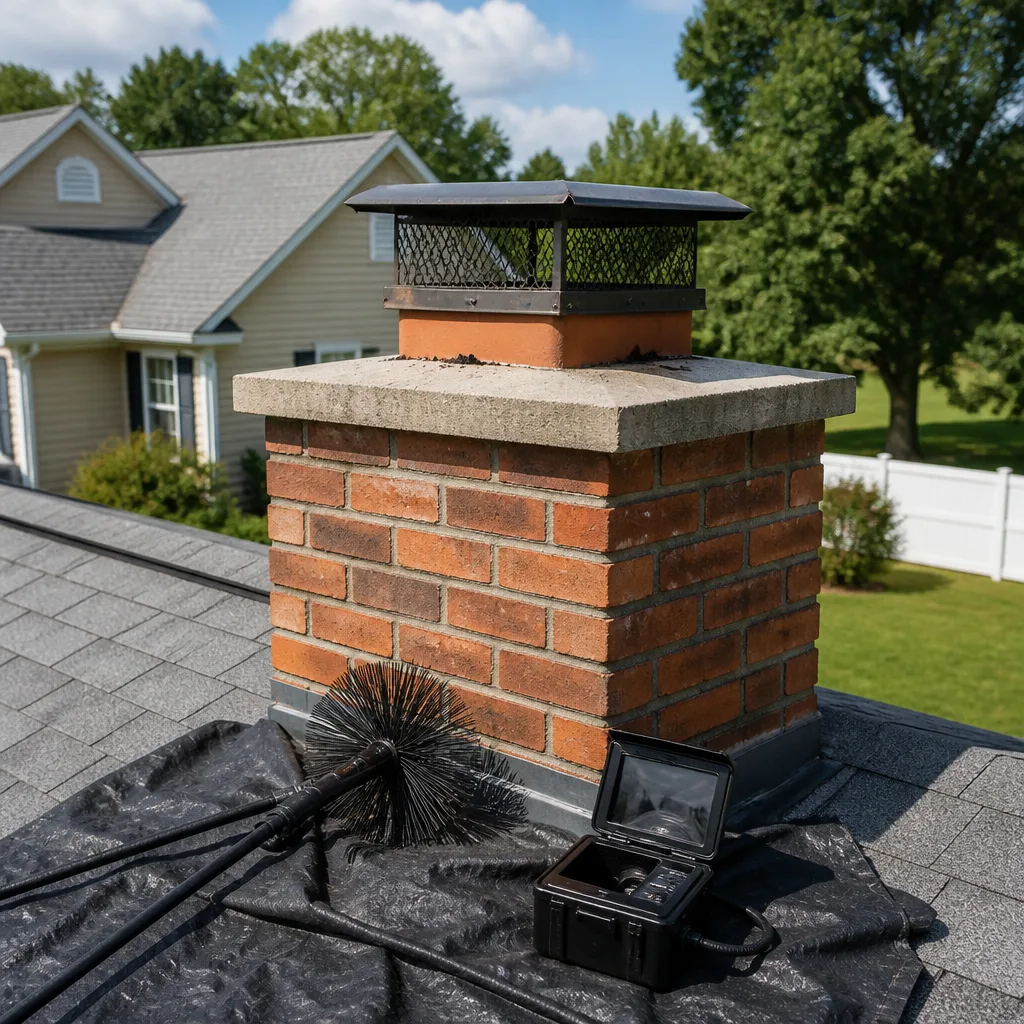 Sweep & inspection
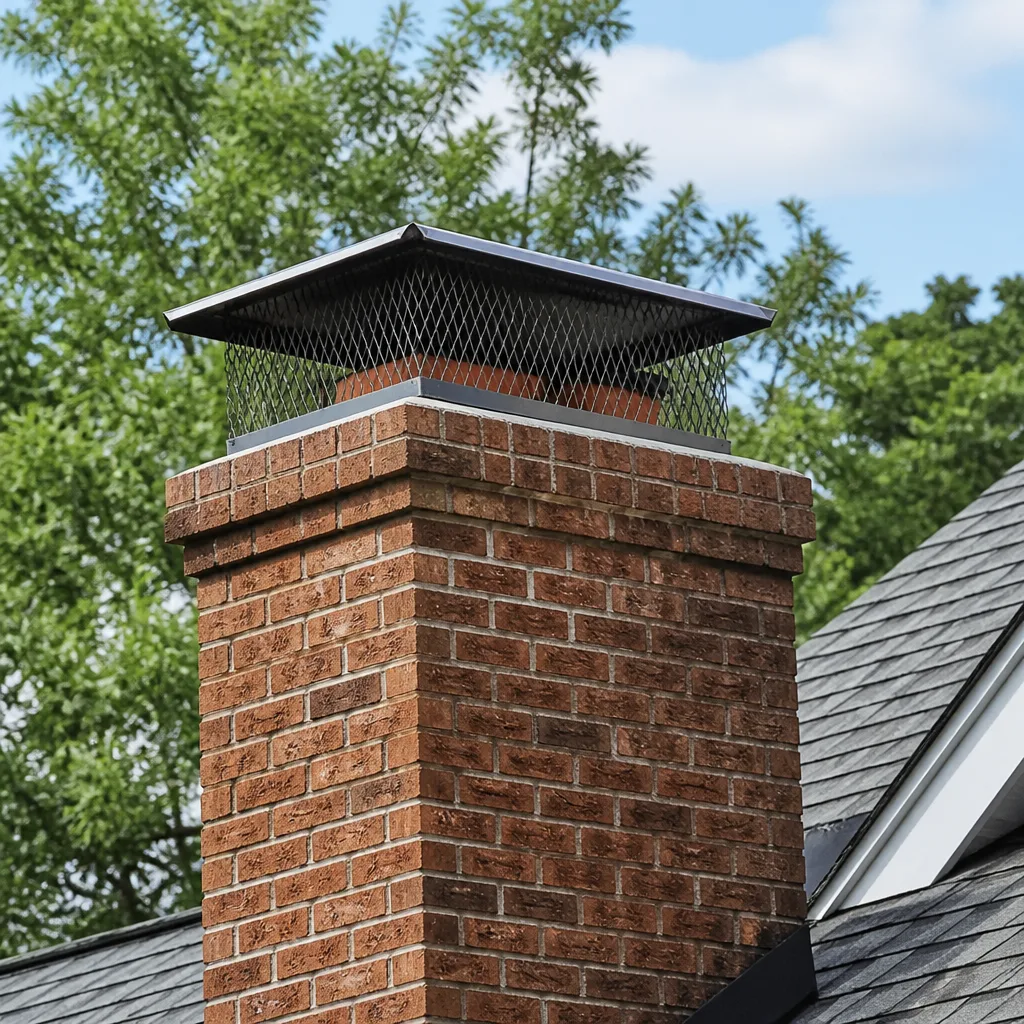 Caps & crowns
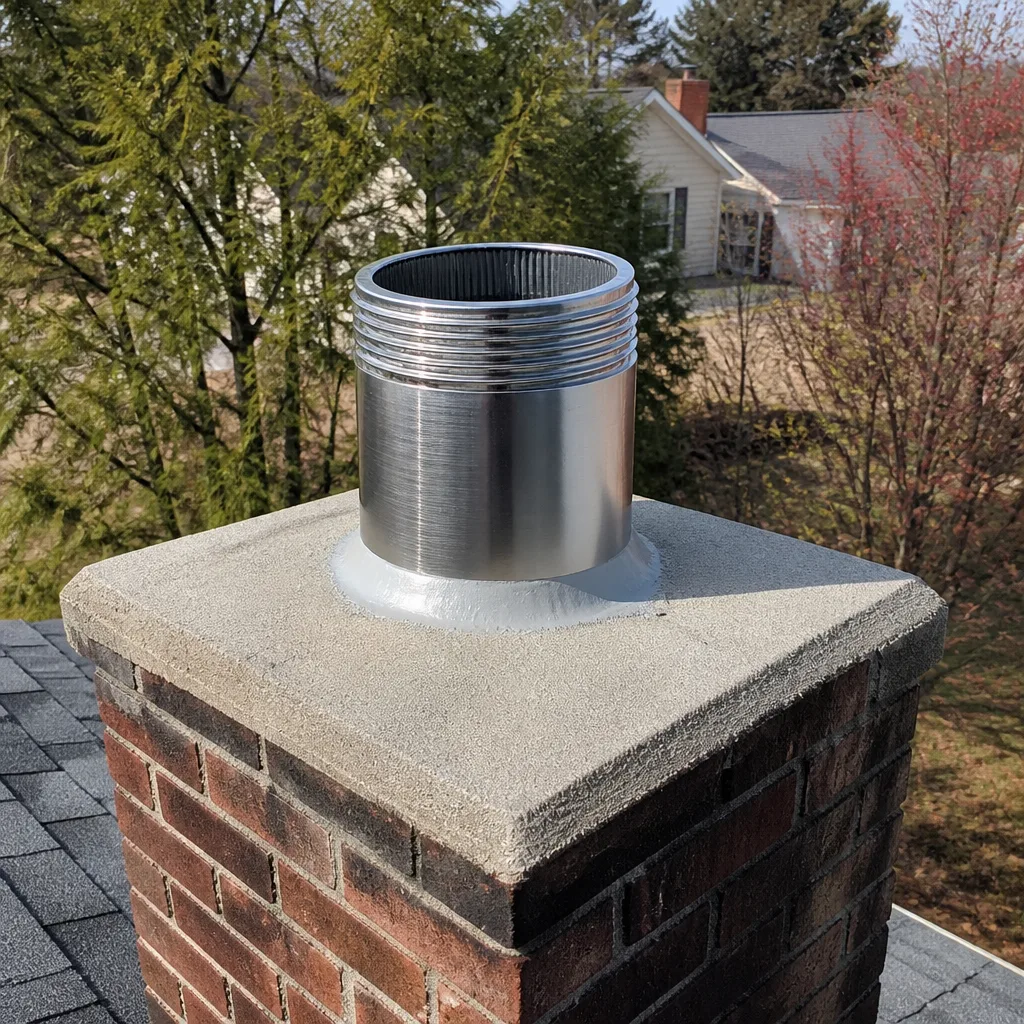 Flue relining
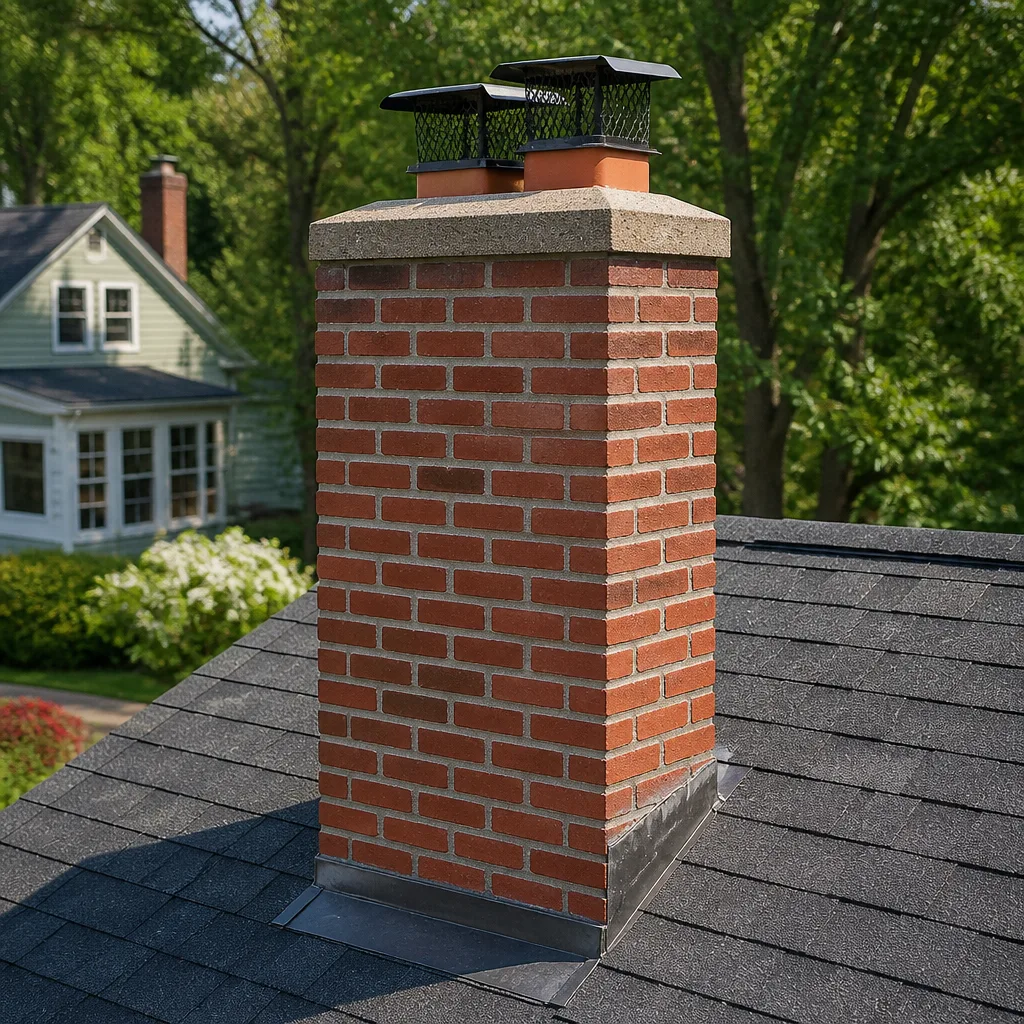 Masonry repair
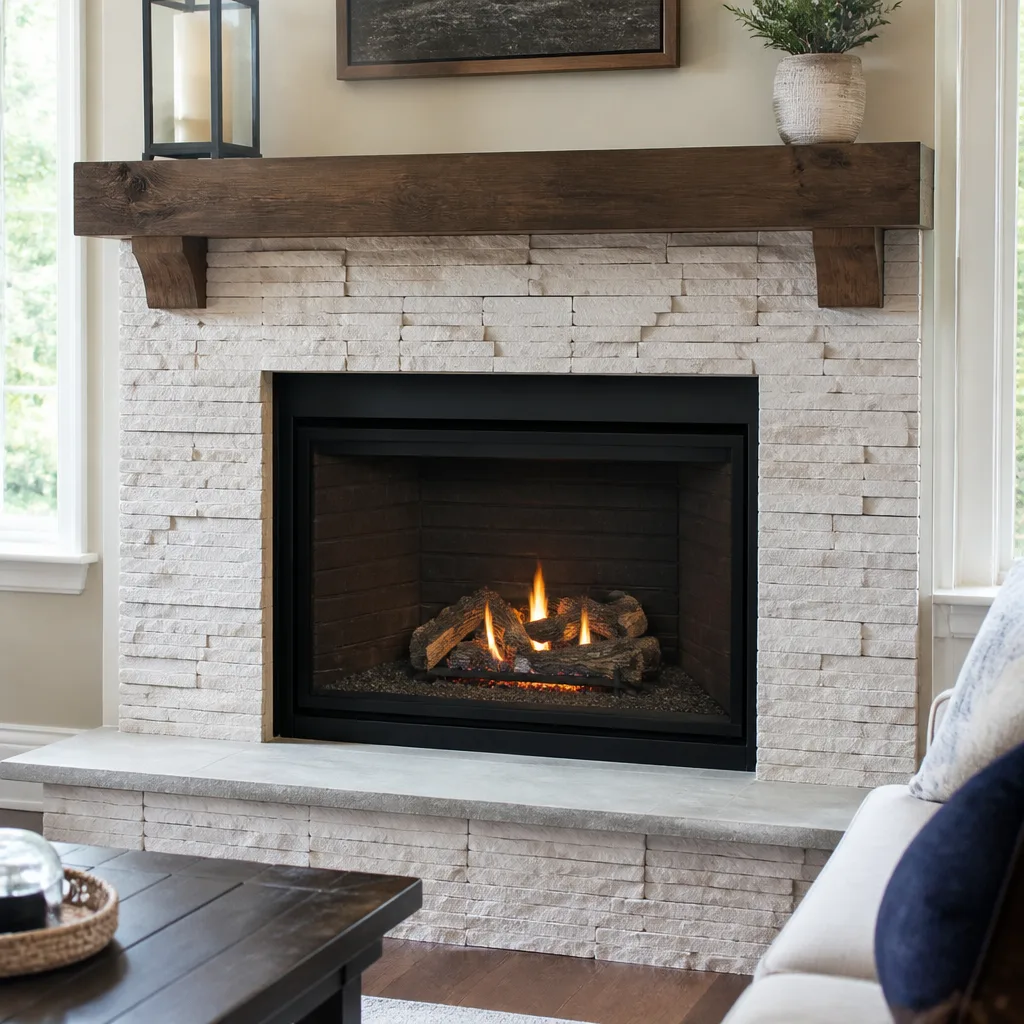 Gas fireplace service
Level 1 sweep and inspection to the NFPA 211 annual standard - flue, crown, cap, and flashing checked and photographed
Chimney sweep logs do not sweep chimneys. They loosen some creosote - which then falls where a brush and vacuum still have to collect it.
Chimney Sweep Troubleshooting in Energy Corridor: Common Problems and How to Fix Them
Most people treat every chimney symptom the same way: the fireplace smokes or smells, so it must need a sweep. That single assumption is how homeowners in Energy Corridor end up paying for a cleaning that doesn’t solve the problem, then paying again for the repair that actually does. A smoky fireplace and a fireplace that smells like a camp in July can come from completely different parts of the system, and the fix for one won’t touch the other. This guide maps symptoms to the component that actually causes them, so you can tell a liner restriction from a pressure problem before anyone touches your flue. You’ll learn which failures the Energy Corridor climate accelerates, which issues are safe to watch, and which mean stop burning today.
Quick Answer
Chimney problems in Energy Corridor homes almost always trace to one of five components: the liner, the cap, the crown, the damper, or the firebox. Match the symptom to the right component first, and you’ll get the correct specialist on the first call instead of the third. Smoke rollback and slow draw usually point to draft and pressure, while rust stains and crumbling masonry point to cap and crown failure driven by the area’s humidity.
Styles & brands we work with
- Sweep & inspection
- Caps & crowns
- Flue relining
- Masonry repair
- Gas fireplace service
Table of Contents
- The Symptom-to-Cause Matrix
- How Energy Corridor Humidity Accelerates Chimney Failures
- Creosote Restriction or Draft Problem? Tells You Can Read Without Opening the Flue
- Safe to Monitor vs. Stop Burning Immediately
- Cap and Crown Issues: The Water Intrusion Pair
- Liner Problems and When Restoration Beats Replacement
- Firebox and Damper Repairs
- What to Have Ready Before You Call
The Symptom-to-Cause Matrix
Here’s the single most useful thing you can do before you call anyone: write down exactly what the chimney is doing and when it does it. The symptom is data. It narrows the component. Most diagnosis starts here, not in the flue.
Think of it as a matrix. Each common sign points toward a specific part of the system:
- Smoke rolls back into the room when you light a fire. Likely a draft or pressure problem, or a flue that’s too cold to start drawing. Sometimes a partially closed damper, sometimes a flue that’s undersized for the firebox.
- Fire burns lazily and the firebox fills with smoke after a few minutes. Usually a restriction in the flue (creosote) or negative pressure pulling air down the chimney instead of up.
- Musty or sour smell in summer, strongest on humid days. Creosote and moisture reacting in the flue, often with a cracked crown letting water in.
- Rust stains on the firebox or damper. Water getting past the cap or crown and running down the inside of the flue.
- White chalky staining on brick (efflorescence). Moisture moving through the masonry and leaving salts behind, a classic sign of a failing crown or unsealed cap.
- Crumbling mortar joints or flaking brick faces (spalling). Sustained moisture exposure at the crown or cap level.
- Smoke stains on the mantel or wall above the firebox. Years of rollback, or a firebox that doesn’t match the flue’s capacity.
- Loose or missing damper plate. An open flue you can’t control, which means heat loss when you’re not burning and cold air pulled down when you are.
Two or three of these signs together usually point to the same underlying cause. When a homeowner tells us “smoke rollback plus a sour smell in July plus a rust line at the damper,” that’s a water intrusion story with a draft complexity. The matrix saves a diagnosis visit.
How Energy Corridor Humidity Accelerates Chimney Failures
Energy Corridor sits in a high-humidity climate where the air holds moisture most of the year, and that changes which chimney failures you should expect. In drier parts of the country, a crown can go a decade before it starts to crack. Here, moisture works on masonry constantly, and the consequences are specific.
The first failure mode is spalling. Water soaks into brick, then tries to escape as vapor. When it escapes fast enough, it pushes the face of the brick off. You lose a thin layer, then another, and over time the chimney loses structural mass. The visible sign is brick faces flaking off and piling up on the roof or in the gutters.
The second is efflorescence, which is moisture moving through the masonry carrying dissolved salts to the surface. It looks like white powder. It’s not dangerous on its own, but it tells you moisture is moving through the chimney wall where it shouldn’t be, and that usually traces back to the top of the chimney.
The third is liner condensation. In a humid climate, a cold flue and warm moist air create condensation on the inside of the liner. That moisture combines with creosote to form a corrosive, sour-smelling sludge. It eats at stainless liners and, over time, at mortar joints.
What this means for Energy Corridor homeowners: the top of the chimney matters more here than in dry climates. A well-fitted chimney cap & crown isn’t an accessory. It’s the primary defense against the moisture that drives the whole failure chain, from the flue to the crown.
Creosote Restriction or Draft Problem? Tells You Can Read Without Opening the Flue
Two problems look almost identical in the firebox, and they need completely different fixes. A creosote restriction is a physical blockage. A draft problem is a pressure imbalance. Confusing them is how a homeowner ends up paying for a sweep that doesn’t improve anything, then a pressure diagnosis that should have come first.
Here’s how to separate them without pulling anything apart. These are observation steps, not repair steps:
- Light a small test fire and watch the smoke. If smoke goes straight up and then curls back into the room a few minutes in, that’s often a restriction building pressure. If smoke rolls back immediately, before the fire has any real heat, that’s usually pressure or a cold flue.
- Open a nearby window a crack while burning. If the fire suddenly draws better, your issue is pressure inside the house, not a blocked flue. The chimney is competing with bath fans, kitchen exhaust, or a tight house envelope.
- Check the weather. If it only smokes on windy days or during certain wind directions, suspect a cap or chimney height issue. If it smokes every single time, suspect the flue itself.
- Look up the flue with a flashlight from the firebox. You won’t see the whole flue, but you’ll often see a heavy creosote glaze or a visible narrowing near the damper. If the flue interior looks matte and gray, you probably don’t have a hard restriction up top.
- Note whether the problem is new or has always been there. New problems point to a change: a new exhaust fan, a house pressure-sealing project, a storm that damaged the cap. Lifelong problems point to a system that was never sized correctly.
If a window crack fixes it, don’t call for a sweep. Call for a draft and pressure evaluation. If the fire still struggles with a window open, a restriction in the flue is much more likely. When you’re ready for a proper inspection, our chimney sweep service includes a full flue inspection and a documented report of what we find.
Safe to Monitor vs. Stop Burning Immediately
Not every chimney problem is an emergency, and pretending otherwise isn’t honest. But some signs mean the chimney is no longer safe to use until someone qualified looks at it. Here’s the split we use when a homeowner describes symptoms over the phone.
Safe to monitor for a short while:
- White efflorescence with no other symptoms
- A little smoke on very cold or windy days, with no unusual smell
- A cap that’s slightly dented but still attached and covering the flue
- Minor surface rust on a damper, if the damper still works
- A light musty smell in summer, if you’ve been burning frequently and know you’re due for a sweep
Stop burning immediately:
- Any smoke coming into the room that doesn’t go away as the fire warms up
- A strong creosote smell inside the house, especially combined with headache or lightheadedness
- Visible cracks in the flue liner (a crack opens a path for heat and gases into the masonry)
- Crumbling brick or mortar inside the firebox
- A damper that won’t stay open or closed
- A gas insert or gas log set that smells odd, produces soot on the firebox, or has a lazy flame
- Missing or detached cap (rain, debris, or animals have direct access to the flue)
Carbon monoxide is the reason this matters. A blocked or cracked flue can send combustion products into the living space instead of up and out. That’s not a scare tactic. It’s the physics of a chimney. If you have a CO alarm going off, leave the house and call 911. If you have symptoms but no alarm, stop burning and get the chimney inspected before your next fire. High-tension lines and electrical panel work belong to trained professionals, and so does anything that affects where combustion gases go. This is not a do-it-yourself zone.
Cap and Crown Issues: The Water Intrusion Pair
In a humid climate like Energy Corridor’s, the cap and the crown cause more damage than almost any other part of the chimney, and they fail in two different ways that people constantly conflate. The cap sits on top of the flue opening. The crown is the concrete slab covering the top of the masonry chimney. Both keep water out, but they fail for different reasons and need different repairs.
How the cap fails: rusted or missing fasteners, birds or squirrels nesting in the screened opening, storm damage, or a cap that was sized wrong and never sealed to the flue. If a cap is missing or detached, rain goes directly down the flue. That’s water intrusion with a direct path inside.
How the crown fails: hairline cracks from thermal cycling, missing mortar at the top of the flue tile, or a crown that was poured too thin or sloped the wrong way. Once the crown cracks, water enters the masonry itself and works down through the chimney. That’s the source of the efflorescence, spalling, and rust-stained firebox we covered earlier.
Our approach treats the cap and crown as a matched pair. There’s no point replacing a rusted cap on top of a cracked crown, and no point sealing a crown while the cap still lets water down the flue. We use professional-grade components from brands like Olympia Chimney and Copperfield, sealed at the flue tile where the crown meets the liner. If the crown is intact but has surface cracking, we repair and reseal it. If it’s structurally failed, we rebuild it. Either way, you get a written report of what we found and what we recommend before we start, with photos of the actual damage. Every repair is priced per job in a written estimate, and nothing gets scheduled without your agreement on the number.
Liner Problems and When Restoration Beats Replacement
The liner is the pipe inside the chimney that carries smoke and gases up. When it’s damaged, the temptation is to jump straight to a full relining job. Sometimes that’s the right call. Sometimes it isn’t, and the difference matters.
Liner damage shows up as cracked clay tiles, gaps at the joints, a flaking or rusting stainless liner, or a liner that’s simply undersized for the fireplace opening. In a humid climate, liner condensation makes it worse, because the corrosive moisture on the inside of the flue eats away at the tile joints from the inside out.
Where a liner is structurally intact but the interior surface is scaled, gapped, or eroded, HeatShield resurfacing can restore it rather than replace it. This is a specialized method that rebuilds the flue interior from the inside without demolishing the chimney. Not every sweep company offers it because it takes more than a brush and a vacuum. We’re set up for it, and we use it where the findings support it instead of pushing a full reline as the only option.
Where the liner has lost structural integrity, or where the flue configuration is complex (an offset, a multiflue stack, a difficult routing), a stainless system from DuraFlex is often the correct fix. DuraFlex’s flexible liner systems handle the geometries that rigid liners can’t. That’s the difference between a chimney that gets relined and a chimney that gets abandoned because “there’s no way to line it.”
The report drives the recommendation. If the inspection shows intact structure with surface damage, we recommend resurfacing. If it shows structural failure, we recommend replacement. Either way, you see the photographs before the recommendation, so you’re not being asked to trust us on faith.
Firebox and Damper Repairs
The firebox is where the fire actually sits, and it takes direct heat, direct flame, and thermal cycling every time you burn. Damper problems and firebox problems often show up as the same complaint (“the fireplace doesn’t draw right”), but they’re separate repairs.
Damper problems: a damper that won’t fully open, sticks halfway, or has a rusted or seized hinge plate chokes the fire. The pilot light goes out, the smoke rolls, and it looks like a flue issue. Sometimes it’s just a damper that isn’t doing its job. We repair or replace the damper assembly, and we check that the frame is airtight when it’s closed.
Firebox problems: cracked firebox brick, crumbling mortar joints inside the firebox, a warped or missing firebox liner panel, or spalling at the base. Any open joint inside the firebox lets heat and gases out of the firebox and into the masonry. That’s a real problem. Firebox repairs use refractory materials rated for the temperatures a firebox actually sees; this is not a hardware-store mortar job. We work with refractory-grade materials and brand components like Famco where the firebox configuration calls for them.
Our fireplace repair covers this work from the firebox through the damper and the surround, with a written scope and a per-job estimate. If the firebox is intact and the issue is upstream in the flue, we tell you that instead of quoting a firebox rebuild you don’t need.
What to Have Ready Before You Call
The diagnosis call goes faster and lands on the right specialist when you bring specific information to it. Here’s the short list. None of this requires you to climb on the roof.
- Your symptom list from the matrix. Which signs, when they happen, and whether it’s new or lifelong.
- What you burn. Wood (seasoned or not), gas logs, a gas insert, or pellets. Each fuel has different failure modes.
- When you last had the chimney swept. A year is different from five years in the flue.
- The fireplace type and any manufacturer name you can read off the insert or damper plate.
- Whether you have a CO alarm and whether it’s ever sounded.
- Photos if you can safely take them. A picture of the firebox, the damper from below, and the chimney from the ground outside are all helpful.
- Any recent changes to the house. New exhaust fans, a new furnace, a house pressure-testing project, a roof replacement, a storm that hit the cap.
Bring that list and you’re having a different conversation than the homeowner who says “the chimney’s broken.” We can usually narrow the likely cause on the call, then confirm it with a full inspection. When you’re ready, Chimney Sweep Energy Corridor handles the whole system from the flue to the crown, so the inspection and the repair don’t have to be told to two different companies.
Common Mistakes to Avoid
- Assuming every problem is a creosote restriction. A sweep doesn’t fix a broken crown or an undersized liner, and paying for a sweep that doesn’t help is the most common wasted call we see in Energy Corridor.
- Ignoring a musty smell in summer. Humid months are when creosote and water react most aggressively in the flue, so a summer smell is often the earliest sign of a cap or crown failure, not just “old fireplace smell.”
- Sealing the crown without checking the cap. If the cap is missing or damaged, water still finds the flue, and the crown repair fails twice as fast. Treat the cap and crown as one repair.
- Pushing a full reline when resurfacing would work. It’s the higher-cost option, and it’s not the right one when the liner is structurally intact. Ask what the inspection found and see the photos before you decide.
- Burning through a damaged damper “until it’s fixed.” A damper that won’t seal turns the fireplace into a heat-loss hole in winter and a smoke trap in summer. It’s a small repair with a real cost to delay.
- Calling a handyman for firebox mortar. Ordinary mortar fails at firebox temperatures. Refractory material and proper firebox repair are a specialist’s job, not general handyman work.
- Waiting until the first cold snap to book an inspection. In Energy Corridor, the first cold weekend is when everyone realizes the chimney hasn’t been touched since last year. Booking in the milder months gives you a real window to get repairs done before burning season.
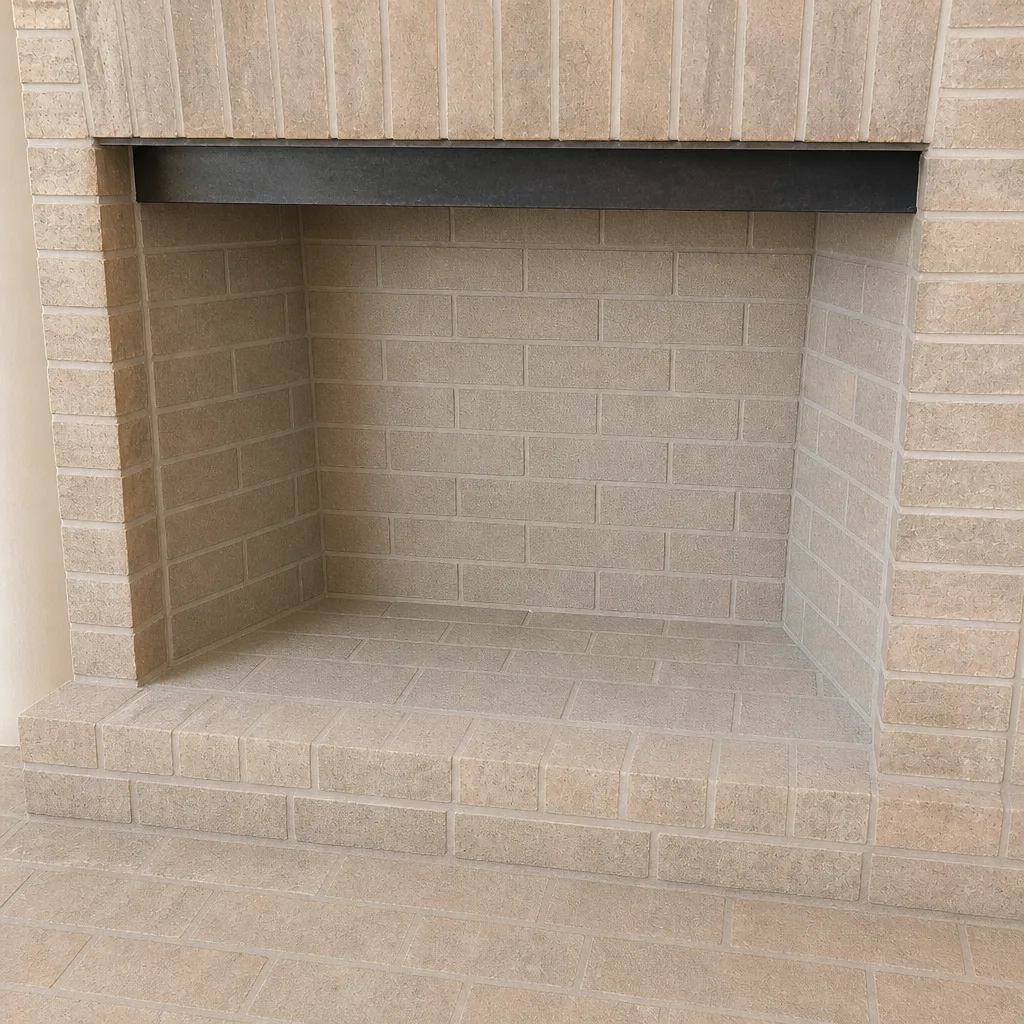
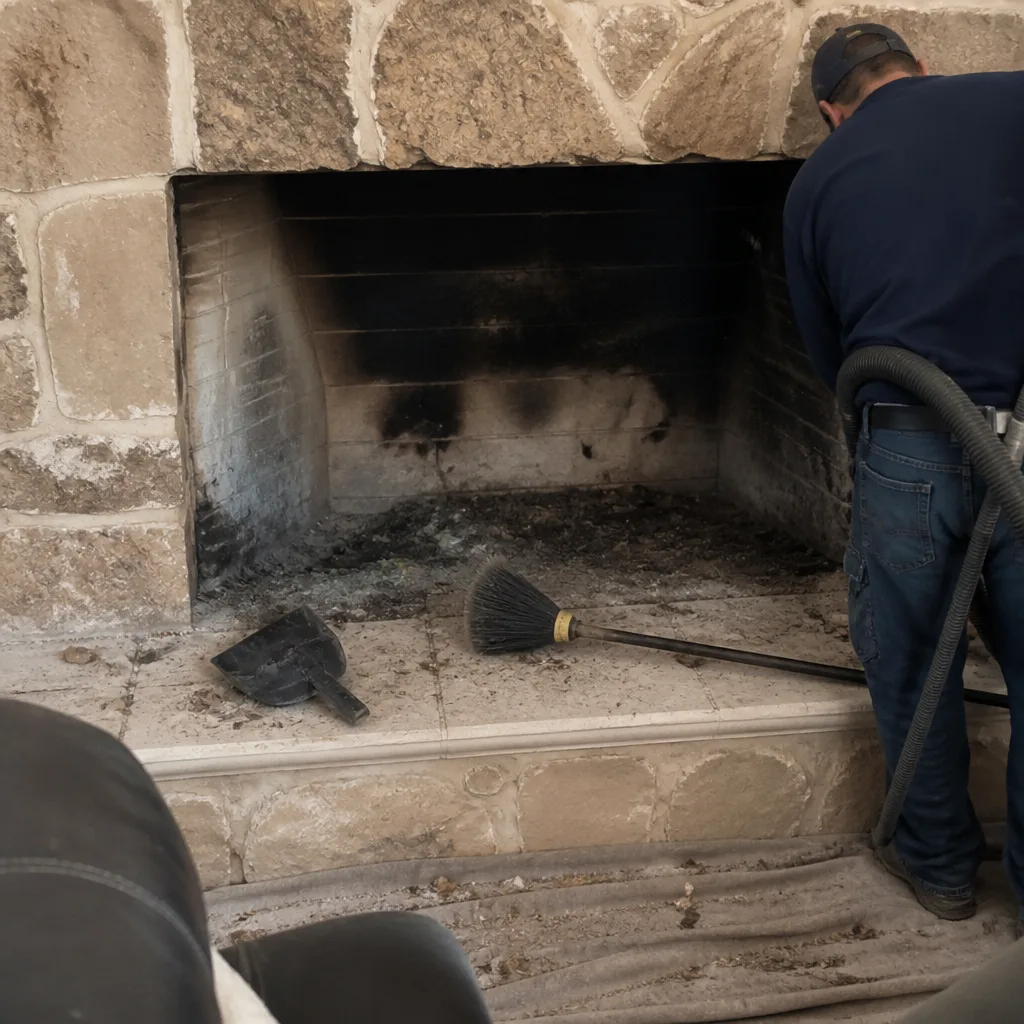
See the difference
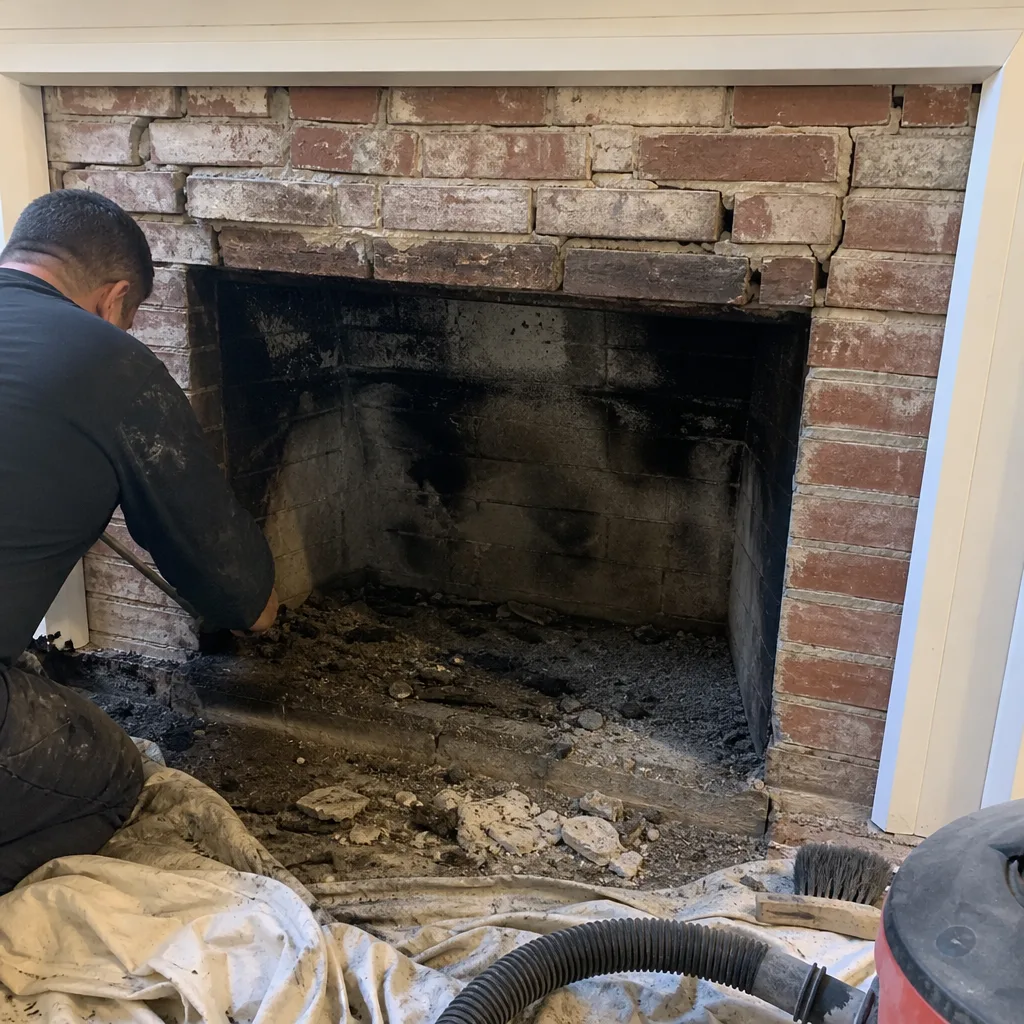 Before
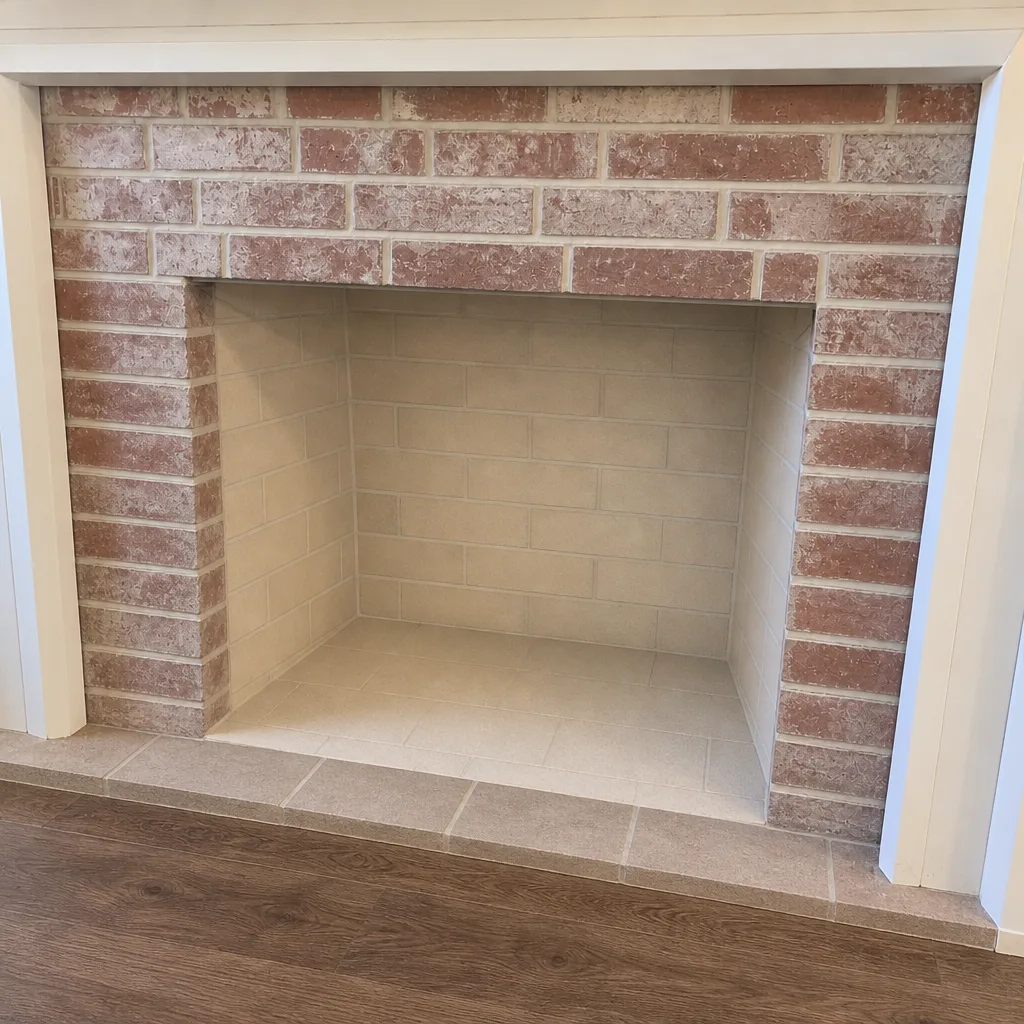 After
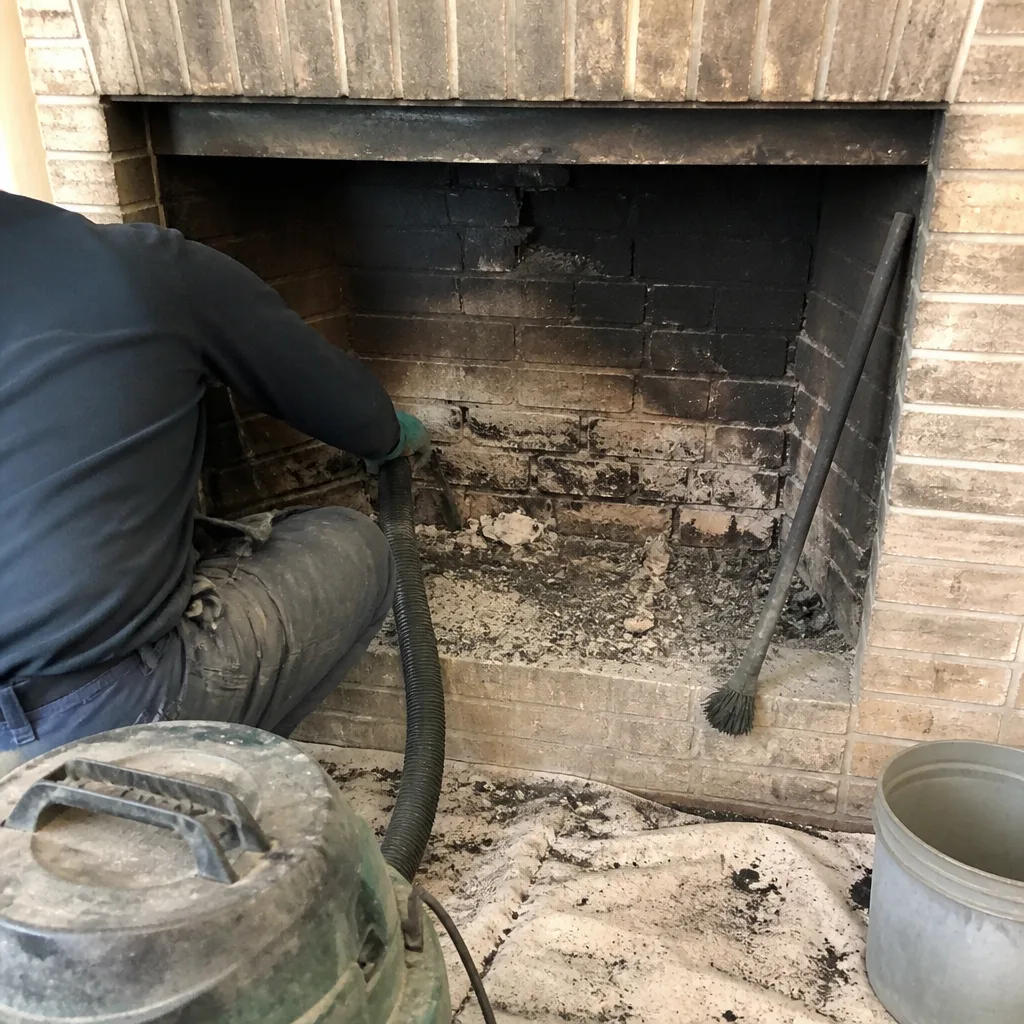 Before
 After
 Before
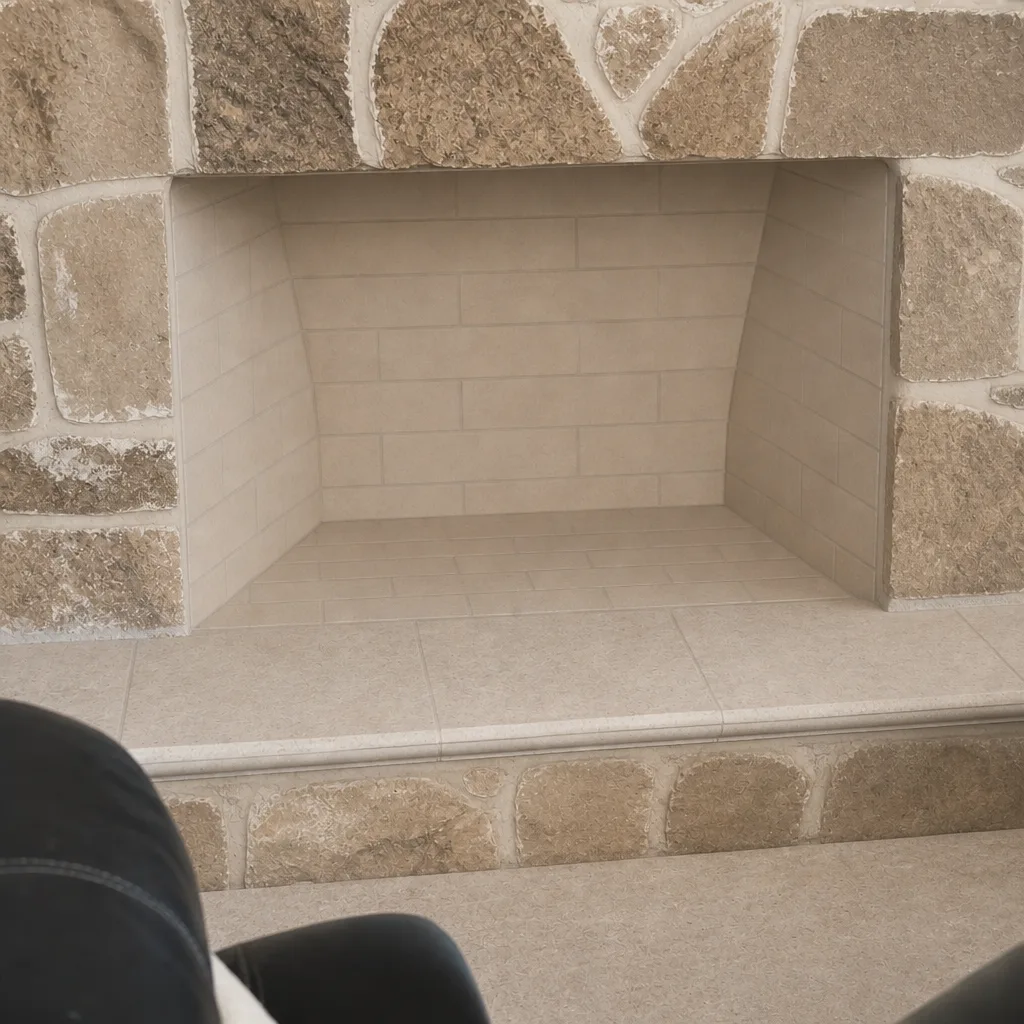 After
When to Call a Professional
Call a professional when smoke enters the room and stays, when you see or smell signs of creosote outside the firebox, when a CO alarm sounds (leave the house and call 911 first), when masonry is crumbling, or when the cap is missing or detached. Call before the burning season if it’s been more than a year since your last sweep, if you’ve never had the system inspected, or if you can’t remember the last time anyone looked at the crown. Call us if you’re not sure whether a symptom is a “watch” or a “stop” – we’d rather help you sort that out than have you guess.
Our technicians have up to 11 years of experience across the full system, from the annual sweep through cap and crown work and structural repairs. Chimney Sweep Energy Corridor offers free estimates in Energy Corridor – call (844) 625-7014 to schedule an inspection. We document what we find, and we’ll tell you plainly when work can safely wait.
Frequently Asked Questions
Intermittent smoke usually points to a pressure problem or an external condition like wind direction, not a blocked flue. If the fire draws fine on a calm day but rolls back on windy days, the cap or chimney height is often involved. If it smokes only when the kitchen exhaust or bath fan is running, the house is pulling air down the chimney. In either case, the fix isn’t a sweep. Call (844) 625-7014 for an exact quote on an inspection – estimates are free.
Often, yes. Summer humidity in Energy Corridor reacts with creosote in the flue, and the musty, sour smell is the result. It’s also the season when a cracked crown or missing cap lets the most moisture in. If the smell is strong enough to notice from the living room, it’s worth an inspection to see what’s going on at the crown and liner. Call (844) 625-7014 to book one – estimates are free.
You can often separate them with a test fire. If the fire struggles with a window cracked open, a restriction is more likely. If the window fixes the draw immediately, it’s a pressure problem. Light gray, matte flue walls visible with a flashlight from the firebox mean less restriction; a heavy glaze means more. This is observation only – don’t attempt to clean or repair the flue without training. Call (844) 625-7014 for an exact quote on an inspection – estimates are free.
Yes, when the liner is structurally intact but the interior surface is damaged, scaled, or gapped. HeatShield rebuilds the flue interior without demolition. Where the liner has lost structural integrity or the flue configuration is complex, a flexible stainless system from DuraFlex is the correct fix. We recommend based on what the inspection shows, not on which option costs more. Call (844) 625-7014 for an exact quote – estimates are free.
White powder on exterior brick is efflorescence, which means moisture is moving through the masonry and leaving salts behind. It’s not dangerous by itself, but it points to a moisture source at the top of the chimney, usually a failed crown or an unsealed cap. Left alone, the same moisture drives spalling and eventually structural loss. Call (844) 625-7014 to schedule a cap and crown inspection – estimates are free.
You can usually burn with a damper that won’t close, since the issue is heat loss and cold air coming down, not a safety risk in itself. But you should get it repaired, and you shouldn’t leave it open permanently as a substitute for repair. A damper that won’t open is different: that one means stop burning until it’s fixed. Call (844) 625-7014 and describe which way it’s stuck – estimates are free.
The Bottom Line
The most useful chimney skill a homeowner can build is matching symptoms to components. Smoke rollback is not the same as a smoky smell, and neither is the same as white staining on brick. Once you can read the sign, you can tell a draft issue from a creosote restriction from a failing crown, and you can call the right specialist on the first try instead of paying twice. The Energy Corridor humidity makes the cap and crown the highest-value inspection in the house, because water intrusion drives the whole downstream failure chain. Match the symptom, stop burning when the signs say stop, and get the findings documented before anyone recommends work. To schedule a chimney inspection in Energy Corridor and get an exact quote in writing, call (844) 625-7014. We answer 24/7. Fast dispatch from 7am to 7pm, Sunday through Friday. The estimate itself is always free.
Written by the team at Chimney Sweep Energy Corridor.