
Last updated November 24, 2026
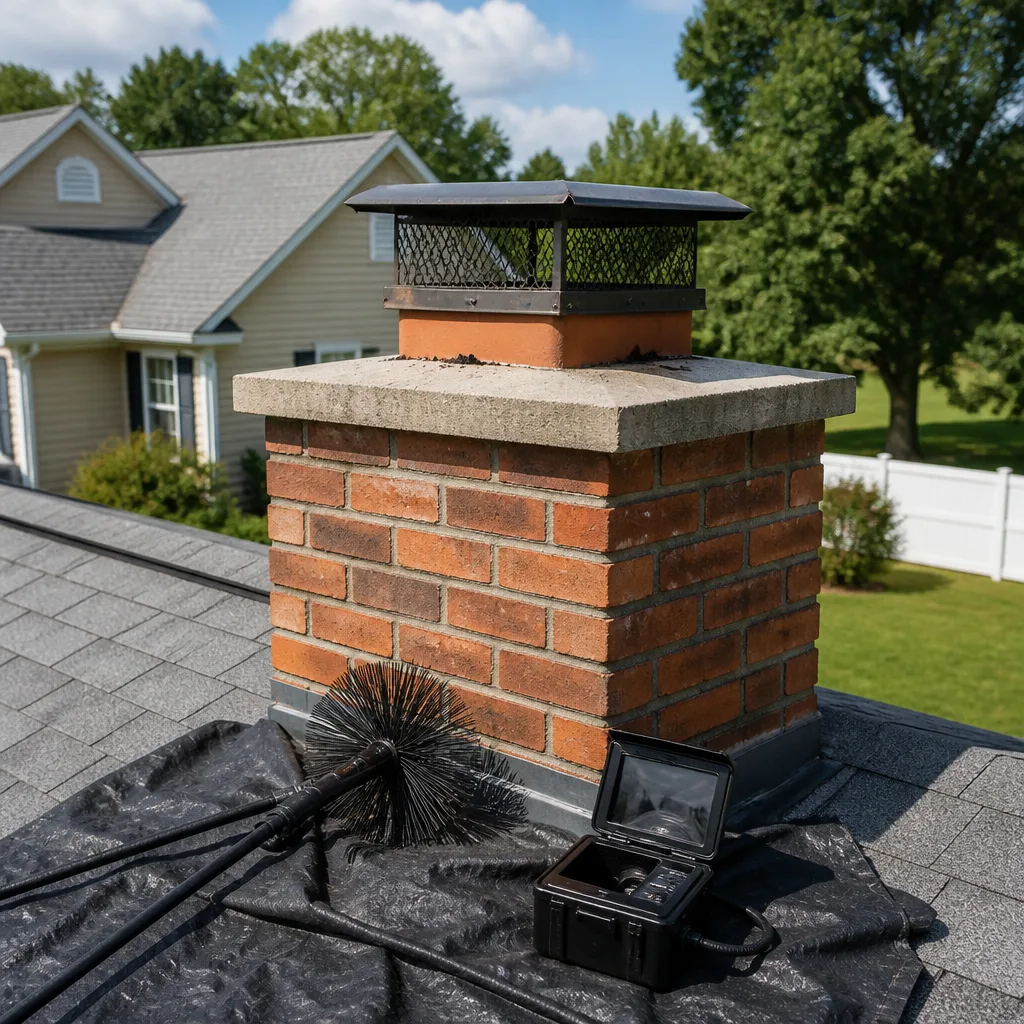 Sweep & inspection
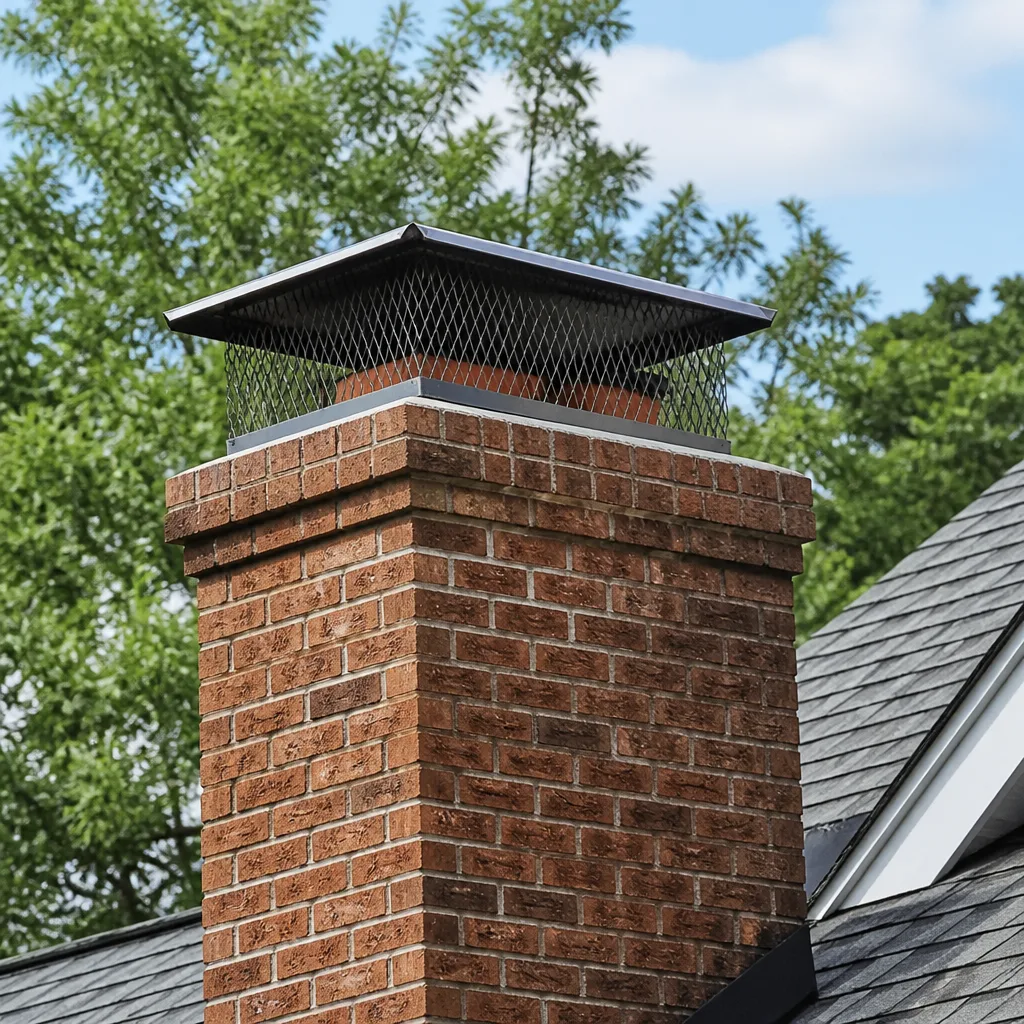 Caps & crowns
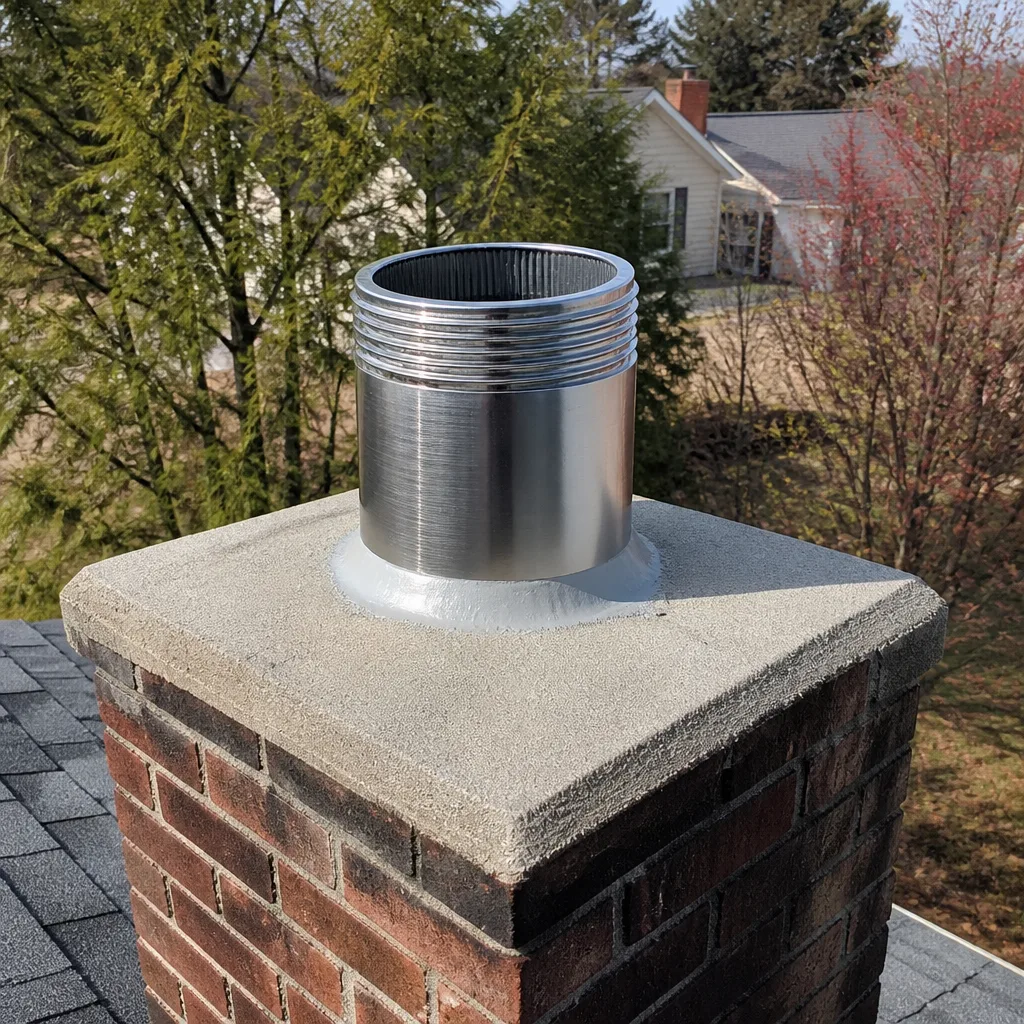 Flue relining
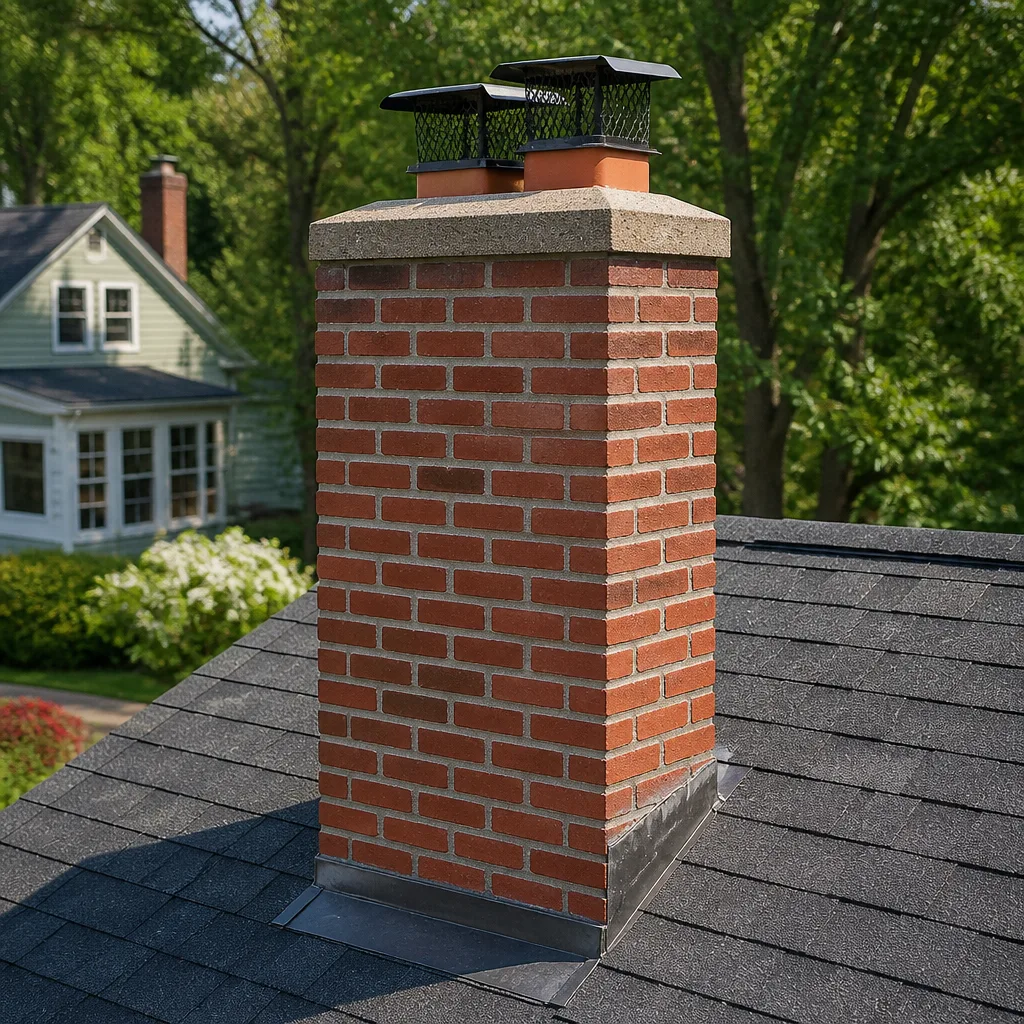 Masonry repair
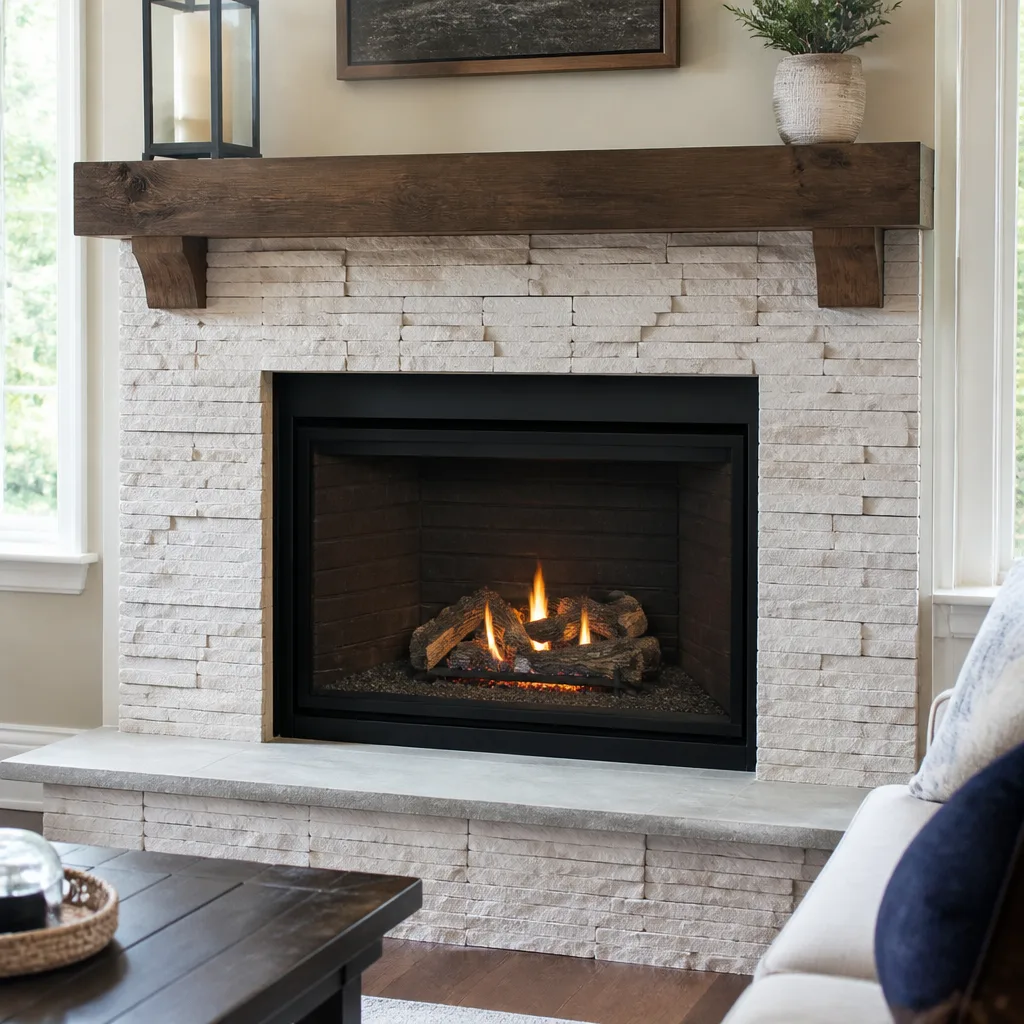 Gas fireplace service
Level 1 sweep and inspection to the NFPA 211 annual standard - flue, crown, cap, and flashing checked and photographed
Chimney sweep logs do not sweep chimneys. They loosen some creosote - which then falls where a brush and vacuum still have to collect it.
DIY vs Professional Chimney Cleaning: The Energy Corridor Homeowner’s Decision Guide
You can buy a chimney brush kit at any hardware store and move creosote from the flue walls. That part is true, and we won’t pretend otherwise. But Stage 2 creosote doesn’t respond to brushing, and you won’t know which stage you have until you’re already on the roof. In the Energy Corridor, where wood-burning fireplaces run through mild but long heating seasons and gas inserts share walls with masonry chimneys, that gap between brushing and actually knowing your system is where the real decisions live. This guide draws a precise line: what you can safely do yourself, what needs professional equipment, and exactly when DIY turns into compounding risk.
Quick Answer
Homeowners can safely handle ash removal, firebox visual checks, and basic damper and cap observations between professional visits. Actual chimney cleaning, creosote stage assessment, and liner integrity evaluation belong in the hands of a trained technician with camera equipment and NFPA 211-aligned inspection standards. In the Energy Corridor, brushing a glazed flue yourself can make ignition risk worse, not better, which is why most homeowners here are better served booking a professional sweep and doing the between-visit maintenance on their own.
Styles & brands we work with
- Sweep & inspection
- Caps & crowns
- Flue relining
- Masonry repair
- Gas fireplace service
Table of Contents
- What DIY Chimney Maintenance Gets Right
- The Creosote Stages and Why They Change Everything
- What Requires Professional Equipment
- Why DIY Brushing Can Make Things Worse
- Liability and Insurance Implications in Texas
- The Decision Matrix: When DIY Is Fine and When It Isn’t
- Energy Corridor Climate and Housing Context
- What a Professional Visit Actually Involves
What DIY Chimney Maintenance Gets Right
We’ll start with what homeowners legitimately can and should do. Between professional visits, several maintenance tasks are completely safe for a careful homeowner, and they extend the life of your system. None of them require getting on the roof. None of them involve sticking a brush up a flue.
Here’s what belongs in your own hands:
- Firebox visual inspection. Before every fire, look inside the firebox with a flashlight. Check for cracked firebrick, loose mortar joints, or crumbling refractory panels. Note anything that looks like a gap wider than a dime.
- Ash removal. After the firebox has fully cooled, scoop ash into a metal container with a lid. Never use a shop vac on hot ash, and never dump ash into a plastic bin. Leave a thin layer of ash on the firebox floor; it helps insulate the next fire.
- Damper operation. Open and close the damper by hand several times before the season starts. It should move smoothly and seal when closed. If it sticks or won’t close flush, note it for the technician.
- Cap and crown observation from the ground. Use binoculars from your yard. Look for a missing or tilted cap, rust streaks, cracked crown mortar, or debris like leaves and bird nests packed into the flue opening. You’re looking, not touching.
- Seasonal smoke and draft checks. On the first fire of the season, watch how the smoke behaves. A fire that back-puffs into the room, smokes at the damper, or smells strongly of creosote is telling you something needs professional attention.
These five tasks will catch most developing problems early. They also give the technician a clear description of what you’ve observed, which saves diagnostic time and gets you to a resolution faster. In the Energy Corridor, where many masonry chimneys sit on homes with tall rooflines and mixed clay and metal flue configurations, good homeowner observations go a long way toward targeting the professional visit.
The Creosote Stages and Why They Change Everything
Creosote forms in three stages, and the stage determines what kind of cleaning actually removes it. This is the single most important fact in the entire DIY vs professional debate, and it’s the one most homeowners never hear before they buy a brush kit.
Here’s how the stages work:
- Stage 1: Soot and light flaky creosote. This is a thin, powdery black deposit that comes off easily with a standard flue brush. It forms from normal burning. A homeowner with a properly sized brush and correct technique can physically remove Stage 1 creosote, though doing so safely on a ladder or roof still carries its own risk.
- Stage 2: Crunchy, hardened creosote. This deposit has a hard, crusted, sometimes bumpy surface. Standard brushes glide over it or chip at it irregularly. It requires either a rotary cleaning head or a chemical treatment, or both, depending on thickness. Brushing a Stage 2 flue by hand at home typically leaves the majority of the deposit in place.
- Stage 3: Glazed creosote. This is the dangerous one. Highly concentrated, glossy, and hard like candle wax, it results from long-term restricted airflow or repeated low-temperature fires. Standard brushes cannot touch it. And critically, trying to break it up can fracture the glaze into shards with far more surface area, which can ignite at lower temperatures than the original deposit.
The key takeaway: you cannot assess creosote stage by looking up into the flue from the firebox or from the ground. The depth, the thickness, and the texture vary along the flue length and around bends. Only a professional camera inspection reliably tells you which stage you’re dealing with. In our experience in the Energy Corridor, Stage 2 and even Stage 3 creosote shows up more often than homeowners expect, especially on fireplaces that were used as secondary heat for several seasons without a sweep.
What Requires Professional Equipment
Four diagnostic and cleaning tasks require equipment that no homeowner realistically owns, and each one is essential to knowing your chimney is genuinely safe rather than just looking clean.
- Video camera inspection. A chimney camera goes up the flue, records the full length, and identifies cracks, gaps, offset misalignment, broken clay tiles, and areas of heavy creosote the eye can’t see. It also documents the smoke chamber, which is the sloped transition between the firebox and the flue. The smoke chamber is where most hidden creosote accumulates, and it’s the section homeowners can’t reach or see.
- Creosote stage assessment. A trained technician can read creosote stage from the camera, from the texture of what’s dislodged during cleaning, and from the burn history you describe. That assessment determines whether the cleaning is a simple brush, a rotary sweep, or a chemical treatment protocol over time.
- Liner integrity testing. Clay tile liners crack. Metal liners separate at seams. Both types can develop hidden gaps that allow heat or carbon monoxide to reach framing or interior space. Testing liner integrity requires the camera plus knowledge of the standards the liner was built to, which is why NFPA 211-aligned inspection matters. A missed liner gap is a serious safety finding that a homeowner inspection simply cannot detect.
- Smoke chamber evaluation. The smoke chamber needs to be smooth, properly sloped, and sealed against the flue. Rough or unsealed masonry here holds creosote directly against the structure and creates a hot spot. Evaluating and correcting it is professional work.
At Chimney Sweep Energy Corridor, this is why we lead with inspection rather than sweeping. Cleaning without knowing what we found is guesswork. We document what we find on camera and share it with you, so the recommendation for any follow-up work is based on evidence you can see for yourself.
Why DIY Brushing Can Make Things Worse
For a flue with Stage 1 creosote, a homeowner brushing between professional visits is low risk so long as the roof access is genuinely safe. For a flue with Stage 2 or Stage 3 creosote, DIY brushing can create a worse fire hazard than doing nothing at all. That’s the part of this debate most homeowners are never told.
Here’s the mechanism. Glazed Stage 3 creosote clings to the flue in a continuous sheet. A standard brush won’t remove it, but it will scrape the surface, creating cracks and small flakes. Those flakes have far more exposed surface area than the original glaze, and creosote’s ignition temperature drops as its surface area and oxygen exposure rise. What was a stable, if heavy, deposit becomes a scattered bed of highly ignitable fragments. When the next fire lights, the fragments can ignite in a chain reaction that briefly produces a very hot flue fire, which is exactly the event the whole system is designed to prevent. That’s the danger your supply chain and your local pro are guarding against.
We’ve seen this pattern in the Energy Corridor too. It’s not a homeowner cleaning on a schedule that ends this way; it’s usually someone who bought a brush, ran it up a flue they hadn’t had inspected, and then kept using the fireplace all season. The fix isn’t a homeowner warning: it’s an inspection before brushing. If you own a brush kit and you haven’t had a camera inspection, book one first. That’s the only way to know whether the brush is appropriate to run at all.
There’s a related consideration for gas inserts and factory-built fireplaces. On these systems, brushing too aggressively can dislodge seals, gaskets, and liner connectors. The manufacturer’s service schedule exists for a reason, and it’s based on the specific system you have, not a generic assumption about how much cleaning is fine.
Liability and Insurance Implications in Texas
When you clean your own chimney, you take on two roles: the laborer and the certifier. That second role matters more than most homeowners realize, especially around real estate transactions and insurance renewals.
Here’s what a “self-certified” chimney means in practice:
- Home sale disclosure. In a Texas residential sale, a home inspector typically includes the chimney in the mechanical and safety evaluation. If a fireplace has been used but no professional sweep record exists, buyers and their inspectors commonly ask for a professional inspection before closing. A homeowner’s own record of “I cleaned it” doesn’t carry the same evidentiary weight and commonly triggers a re-inspection at the buyer’s request.
- Insurance renewals. Many homeowner policies ask about fireplace use and chimney maintenance at renewal. Some insurers accept homeowner records; others require documentation of a professional sweep or inspection. Check your own policy language rather than assuming either way, because the requirements vary widely between carriers.
- Claim disputes. If a chimney fire happens after a homeowner-cleaned flue, the insurer can investigate whether proper cleaning and inspection occurred. Without a professional camera inspection to document baseline flue condition, proving that a pre-existing crack or gap wasn’t the cause becomes much harder for the homeowner.
- Post-fire investigation. After any chimney-related fire, a professional inspection report showing the pre-fire flue condition is one of the first documents an adjuster will ask for.
None of this is a reason to panic. It’s a reason to keep a paper trail. A professional sweep with a written inspection report gives you a documented baseline that’s worth real money when a sale or a claim is on the line. If you’re evaluating a new home in the Energy Corridor and the seller can’t produce a sweep record, treat a professional inspection as a standard next step.
The Decision Matrix: When DIY Is Fine and When It Isn’t
The DIY vs professional question isn’t binary. Here’s the decision framework we use when we’re advising homeowners on what to do themselves and what to hand off.
| Situation | DIY appropriate? | Why |
|---|---|---|
| Ash removal between fires | Yes | Safe, no equipment risk, extends firebox life |
| Firebrick visual check | Yes | Ground-level inspection, catches developing issues early |
| Damper operation check | Yes | Simple mechanical check, no injury risk |
| Binocular cap and crown observation | Yes | No contact, no roof access |
| Seasonal smoke and back-puff check | Yes | Observation, not intervention |
| Brushing a flue with no inspection history | No | Cannot verify creosote stage; brushing may worsen glazed creosote |
| Self-diagnosing liner cracks | No | Requires camera; missed crack is a serious safety finding |
| Removing Stage 2 or Stage 3 creosote | No | Requires professional equipment and protocol |
| Cleaning a smoke chamber | No | Inaccessible without professional equipment; where most hidden risk lives |
| Working on a roof with pitch or access issues | No | Fall risk overrides any cleaning benefit |
Notice that the “yes” column is entirely ground-level observation and simple mechanical checks. The “no” column is anything that either requires equipment you don’t own or that involves a risk whose severity you can’t self-assess. That’s the line we draw, and it holds in the Energy Corridor as reliably as anywhere.
Energy Corridor Climate and Housing Context
The Energy Corridor’s climate and housing stock create specific patterns worth naming. Winters here are mild by national standards, which means many fireplaces in this part of Houston are used in shorter, more intermittent sessions. Intermittent use is actually one of the creosote stages’ favorite conditions, because low-temperature fires over longer stretches produce more concentrated, stickier deposits than a roaring fire does. Cold-start burns that never fully come up to temperature are the ones that lay down Stage 2 and Stage 3 creosote fastest.
The housing context matters too. The Energy Corridor has a wide mix of masonry chimneys on homes of different vintages, some with clay tile liners and some with metal inserts, and a growing number of gas inserts that were added when homeowners wanted a fire without the wood haul. Each of those systems has different service requirements and different inspection priorities. A clay tile liner from an earlier decade may already have hairline cracks that only a camera catches. A gas insert needs its own manufacturer-specified schedule and seal checks. A factory-built unit has its own limitations on what cleaning is appropriate. Treating them all like “a fireplace is a fireplace” is a mistake, and it’s one we see in the Energy Corridor specifically because the housing stock is so varied.
The mild winters also mean that homeowners here often skip the fall sweep because “we barely used it.” Age of use is not the only factor. A fireplace used twelve times a year for several years can accumulate more problematic creosote than one used hard for a single season. The camera is what settles that question, not the calendar.
What a Professional Visit Actually Involves
If you’ve never had a professional sweep, it’s worth knowing what a visit involves. Nothing here is scary or complicated. The point is that a real visit is more than brushing, and knowing the sequence helps you evaluate what any chimney company is actually offering.
Here’s what a thorough professional visit includes:
- Pre-cleaning camera inspection. The flue is examined before any cleaning, so the technician knows the creosote stage and whether there’s a liner or structural finding to address. Brushing before inspecting is a red flag.
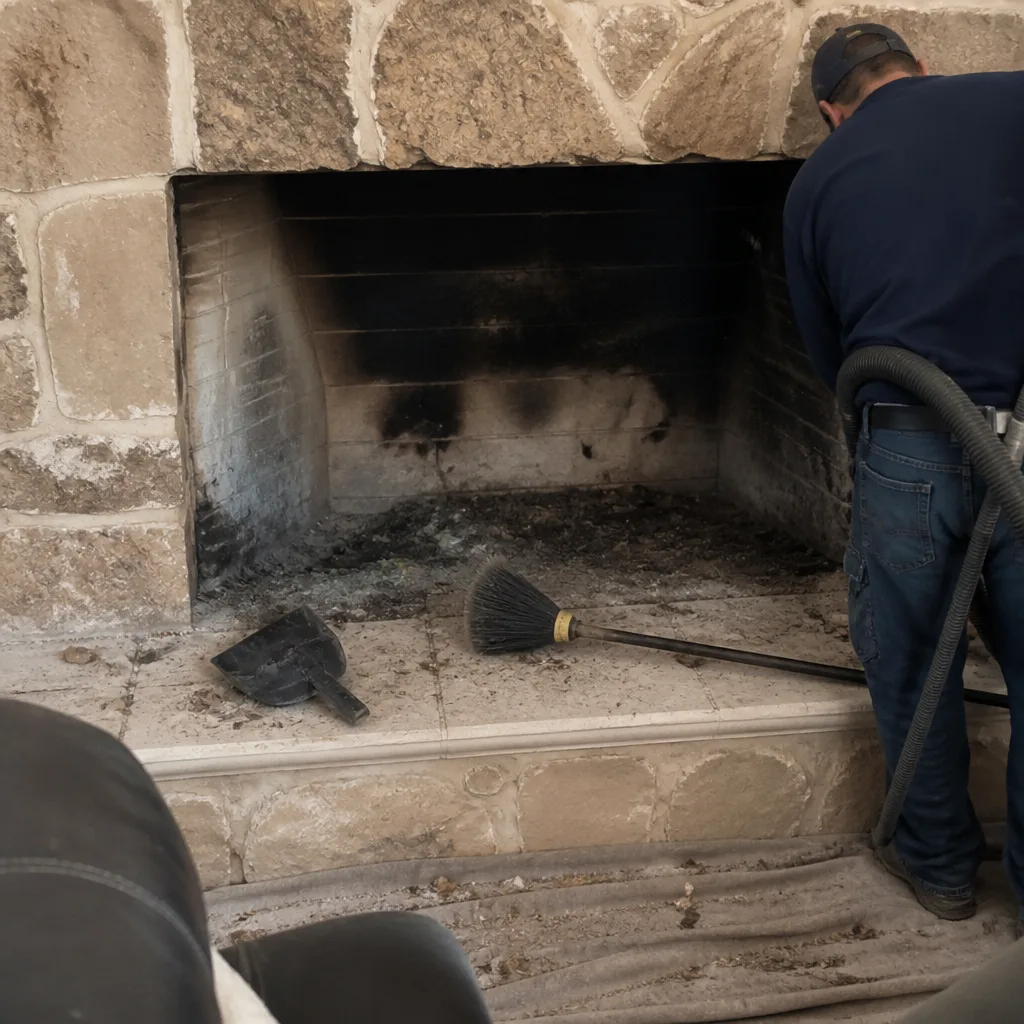
- Drop cloths and containment. The firebox and hearth are sealed and covered. Cleaning is done without soot reaching the room.
- Sweeping with correctly sized equipment. The brush, rotary head, or chemical protocol is chosen based on what the inspection found, not a one-size-fits-all brush.
- Smoke chamber cleaning and evaluation. Creosote accumulation here is removed and the chamber’s shape and seal are assessed.
- Post-cleaning inspection with photo report. Any findings, whether they’re normal wear or something needing follow-up, are documented and shared with you. You see what we see. We don’t recommend work without camera evidence you can review for yourself.
The Energy Corridor is our home market, and this is the standard we hold to here. Our technicians have up to 11 years of experience, and they’ve worked with professional-grade materials from brands used by chimney contractors nationwide, including Olympia Chimney, Famco, DuraFlex, and Copperfield. That brand roster matters: it’s the difference between professional-grade components and hardware-store parts. When a liner needs to be repaired or a cap and crown needs to be replaced, we’re specifying professional-grade materials, not guessing at what will fit.
Where a flue is damaged but structurally intact, HeatShield liner resurfacing can restore it without a full reliner replacement. That’s a capability that separates a full-system chimney specialist from a sweep crew, and it’s one of the reasons we lead with inspection. The right answer to a damaged liner is sometimes resurfacing, sometimes a DuraFlex flexible liner, sometimes nothing at all. You only know which by inspecting first.
Common Mistakes to Avoid
- Brushing before inspecting. Running a brush up a flue before a camera inspection is the single biggest mistake homeowners make, because it can disturb glazed creosote into a more flammable state. Inspect first, always.
- Assuming “I barely used it” means it’s clean. Intermittent, cool burns in the Energy Corridor’s mild winters are ideal conditions for Stage 2 creosote formation. Frequency of use is not the same as severity of buildup.
- Skipping the smoke chamber. The smoke chamber is where most hidden creosote sits. A cleaning that stops at the flue leaves the highest-risk section untouched.
- Reading a home inspector’s chimney note as a pass. A home inspector checks the chimney from the ground and from the roof, not the flue interior. What they can’t see, they can’t flag. A camera inspection is the only way to know the flue’s condition.
- Using a shop vac on cold ash. Even cold ash can hold live embers for a surprisingly long time. Use a metal container with a lid and never store ash indoors or in a garage.
- Buying a brush kit before an inspection. A brush you haven’t needed yet is not a savings; it’s a prompt to skip the inspection that would tell you whether you should ever run it. Get the inspection first, then decide whether a brush belongs in your shed.
- Treating gas inserts like wood fireplace. Gas inserts have their own service schedules and seal checks. Applying wood-fireplace cleaning logic to a gas insert can dislodge components that need to stay sealed.
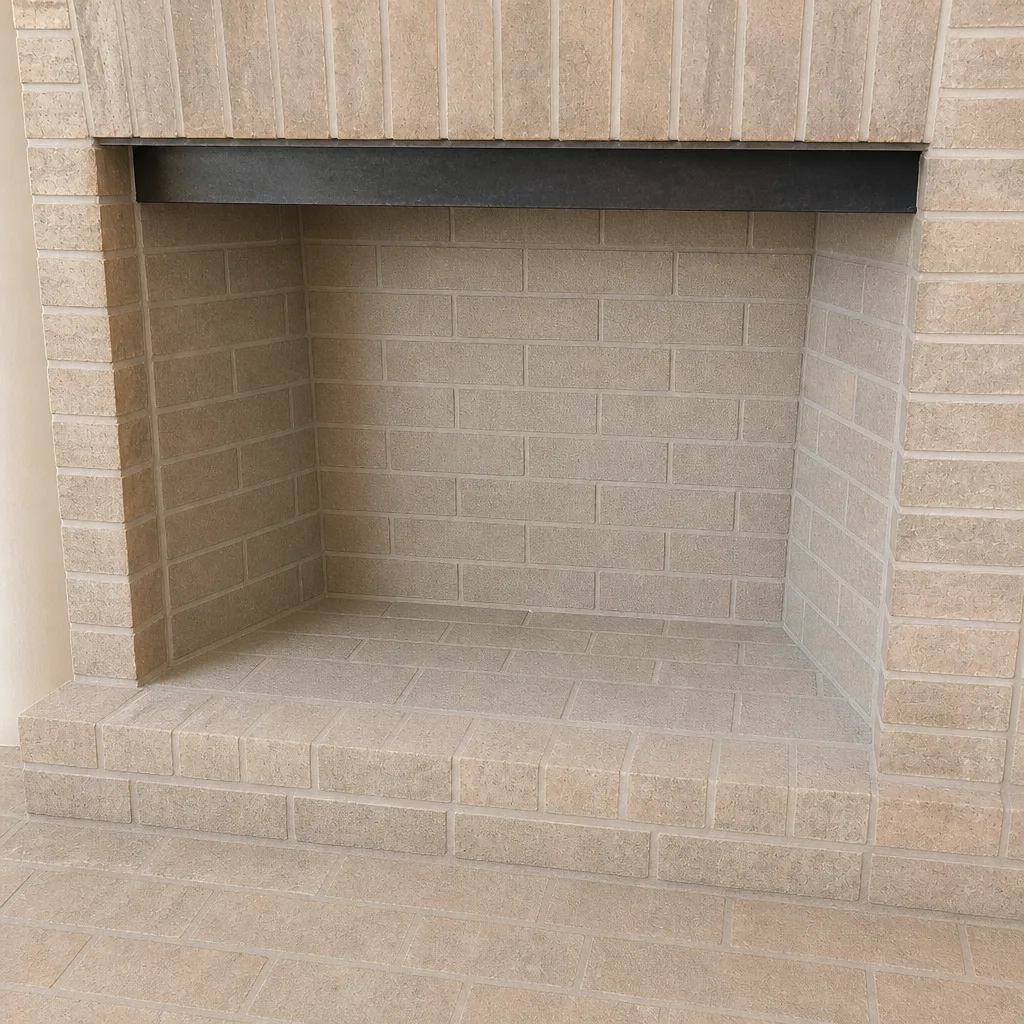
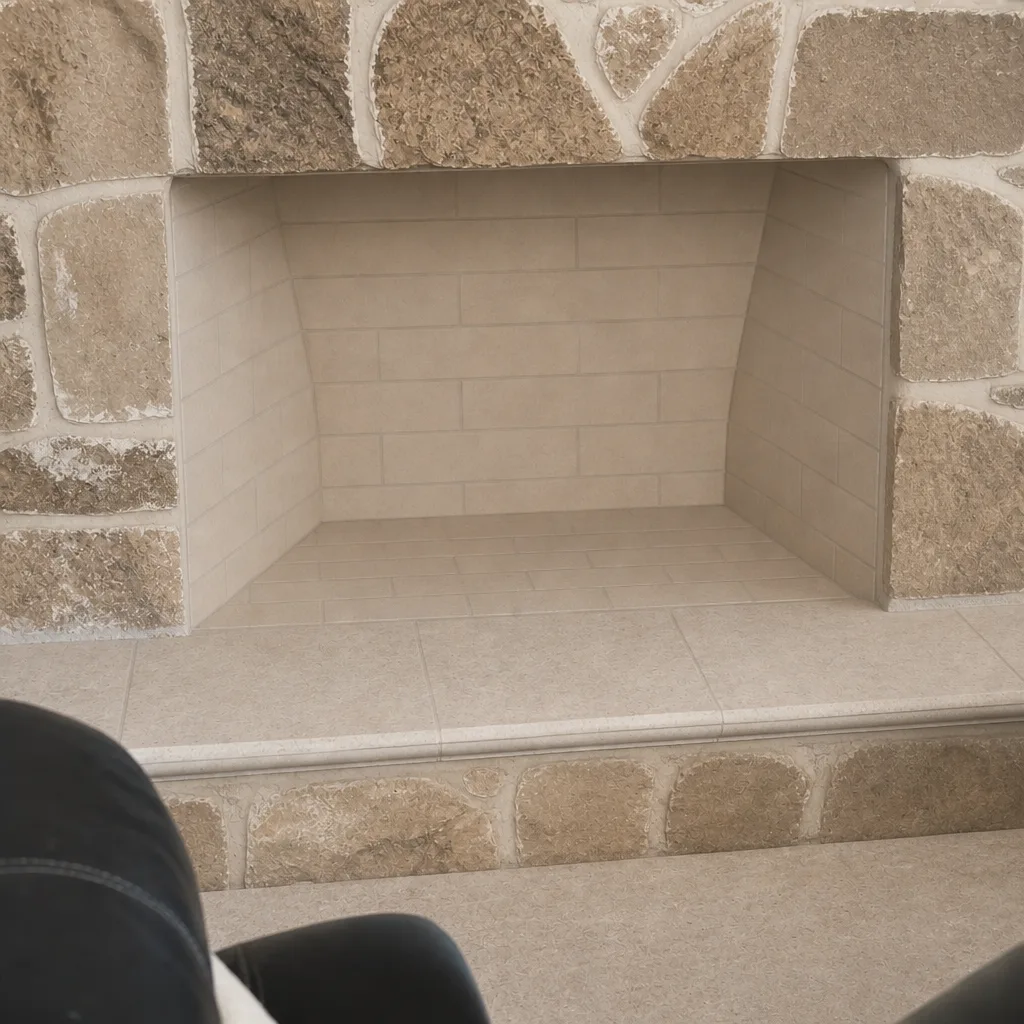
See the difference
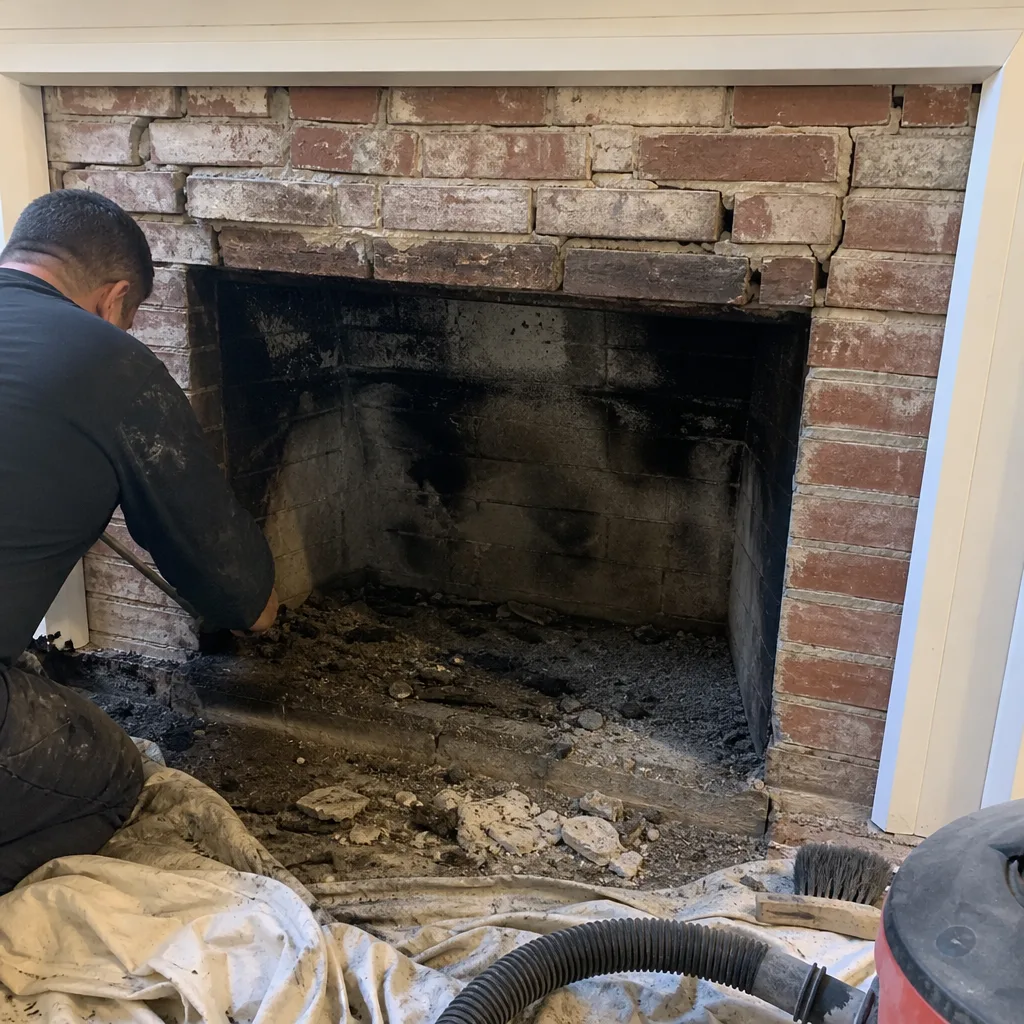 Before
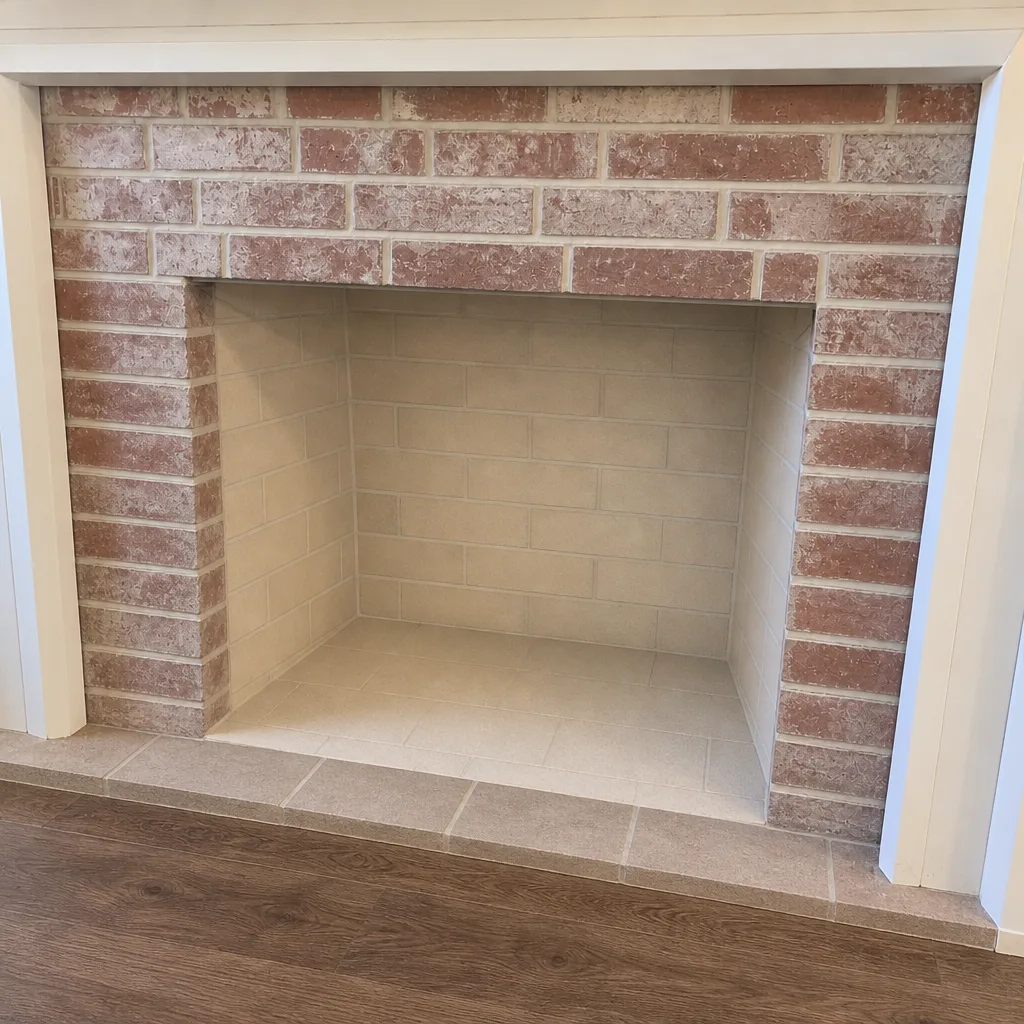 After
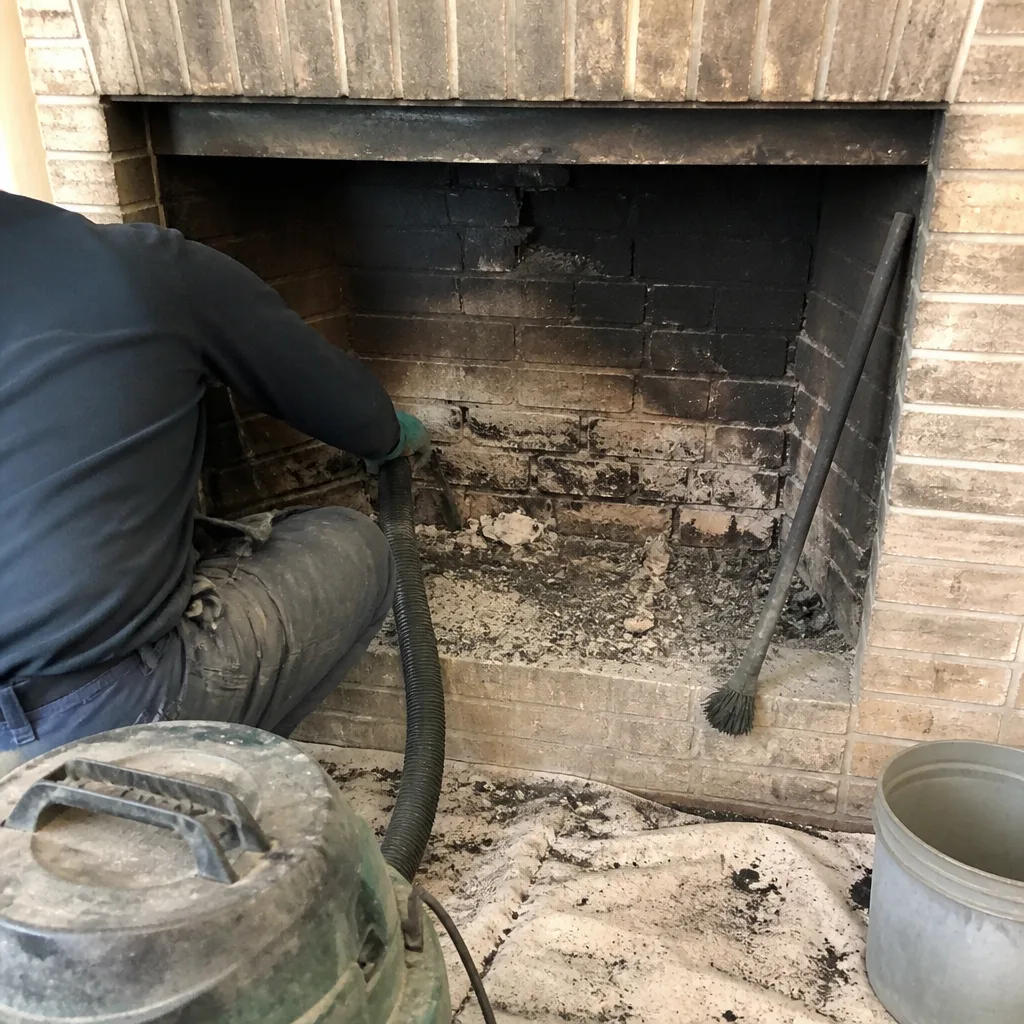 Before
 After
 Before
 After
When to Call a Professional
You should call a professional chimney sweep in the Energy Corridor in several clear cases: you’ve never had a camera inspection; the fireplace back-puffs smoke or smells strongly of creosote; the damper won’t seal; you see visible creosote on the firebox walls that you can’t identify; the fireplace has been used for several seasons without a sweep; or you’re buying, selling, or re-insuring a home and need a documented baseline. We also recommend a professional visit if you’re transitioning a gas insert to wood, or a wood fireplace to a gas insert, since the system requirements change. At chimney sweep level, a single professional visit gives you the camera evidence to make every other decision on this page with confidence.
Frequently Asked Questions
A standard chimney sweep in the Energy Corridor typically runs in the low-to-mid hundreds of dollars, and price depends on the flue configuration, the creosote stage, whether a camera inspection is included, and whether any repair work comes out of the inspection. The written estimate always sets the final price. Call (844) 625-7014 for an exact quote on your specific system; estimates are free.
Not every chimney needs a liner. A sweep is enough when the camera inspection shows an intact liner with only surface deposits. A liner becomes necessary when the camera shows cracked clay tiles, separated metal seams, or gaps that let heat or carbon monoxide reach the structure. In some cases, HeatShield liner resurfacing can restore a damaged but structurally intact flue without full replacement. You should not agree to liner work without seeing the camera evidence first. Call (844) 625-7014 for an exact quote; estimates are free.
The industry standard is once a year for fireplaces in regular use, and more frequently if you burn a lot of green or unseasoned wood. In the Energy Corridor’s mild climate, a camera inspection once a year is the more useful habit, because it catches creosote stage and liner condition even if the flue hasn’t built up enough to need a sweep. Call (844) 625-7014 for an exact quote; estimates are free.
Skipped sweeps let creosote progress from Stage 1 to Stage 2 to Stage 3, and glazed creosote is the most flammable form and the hardest to remove. The bigger risk is what you can’t see: a developing liner crack or a smoke chamber that’s accumulated enough creosote to be a hot spot. Skipping a sweep doesn’t immediately cause a fire in most cases, but it means you’re flying blind on a system you rely on seasonally. Call (844) 625-7014 for an exact quote; estimates are free.
Yes, at the observation and simple-maintenance level: ash removal, firebox inspection, damper checks, and binocular cap observation from the ground are all safe to do yourself. Brushing a flue without knowing the creosote stage is where DIY becomes risky, because brushing glazed creosote can make it more flammable than leaving it alone. Inspect first. Call (844) 625-7014 for an exact quote; estimates are free.
It doesn’t ruin it physically, but it doesn’t give you the documented inspection report that insurers and buyers commonly ask for. In a Texas home sale or insurance renewal, a professional sweep and camera inspection record is real evidence; a homeowner’s own record carries less weight. If a sale or renewal is on the horizon, book a professional visit before you need the paperwork. Call (844) 625-7014 for an exact quote; estimates are free.
Cracked crown mortar, a missing or tilted cap, rust streaks down the exterior, water stains inside the firebox, or a flue opening full of leaves and bird nests are the usual signs. Cap and crown are the two most common sources of water intrusion damage, so catching them from the ground before they spread is worthwhile. We handle chimney cap & crown as its own service. Call (844) 625-7014 for an exact quote; estimates are free.
We handle the repair on the same visit or under the same estimate, so there’s no referral runaround. That’s what we mean by one company handling it from the flue to the crown. Firebox and masonry issues often come up during inspection, and fireplace repair is one of our five core services alongside sweeping, inspection, cap and crown, and chimney repair. Call (844) 625-7014 for an exact quote; estimates are free.
The Bottom Line
The DIY chimney cleaning debate is not about whether a homeowner can move a brush. It’s about whether brushing equals inspecting, and in the Energy Corridor the answer is no. Ash removal, firebox checks, damper testing, and binocular observation from the ground are safe for any homeowner. Creosote stage assessment, liner integrity testing, and smoke chamber evaluation require professional camera equipment and a trained eye, and brushing a Stage 2 or Stage 3 flue without knowing what you’re dealing with can be worse than leaving it alone. Book the inspection. Do the light maintenance yourself between visits. Keep the documented report. That split keeps the system safe, keeps the paper trail for insurance and home sale purposes intact, and keeps you out of the situations where DIY stops being DIY.
Ready to Get Your Chimney Checked?
If you’re ready to see what your chimney actually looks like from the inside, we’re here. Chimney Sweep Energy Corridor offers free estimates in the Energy Corridor, and we document every inspection on camera so you see what we see before agreeing to any work. Call (844) 625-7014 for a free estimate. We answer 24/7. Fast dispatch from 7am to 7pm, Sunday through Friday.
Written by the team at Chimney Sweep Energy Corridor.