
Last updated November 24, 2026
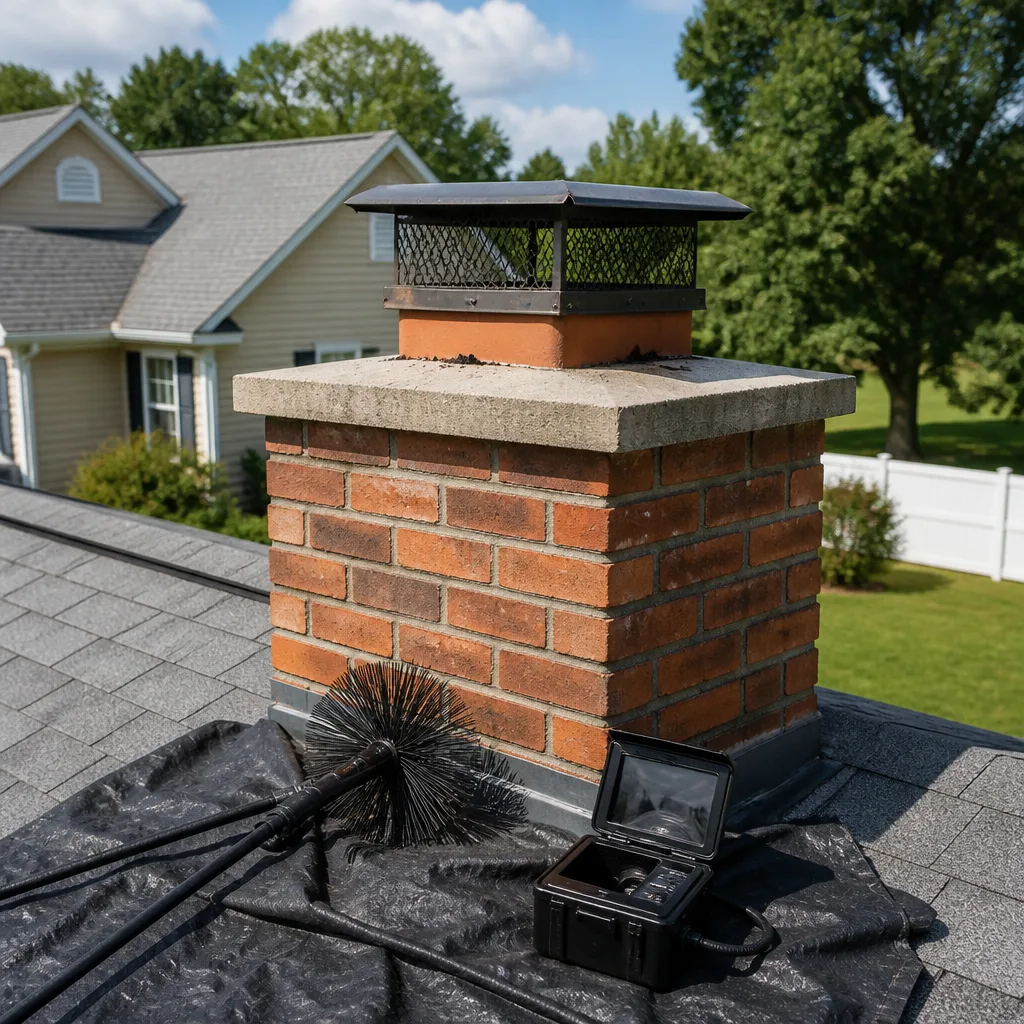 Sweep & inspection
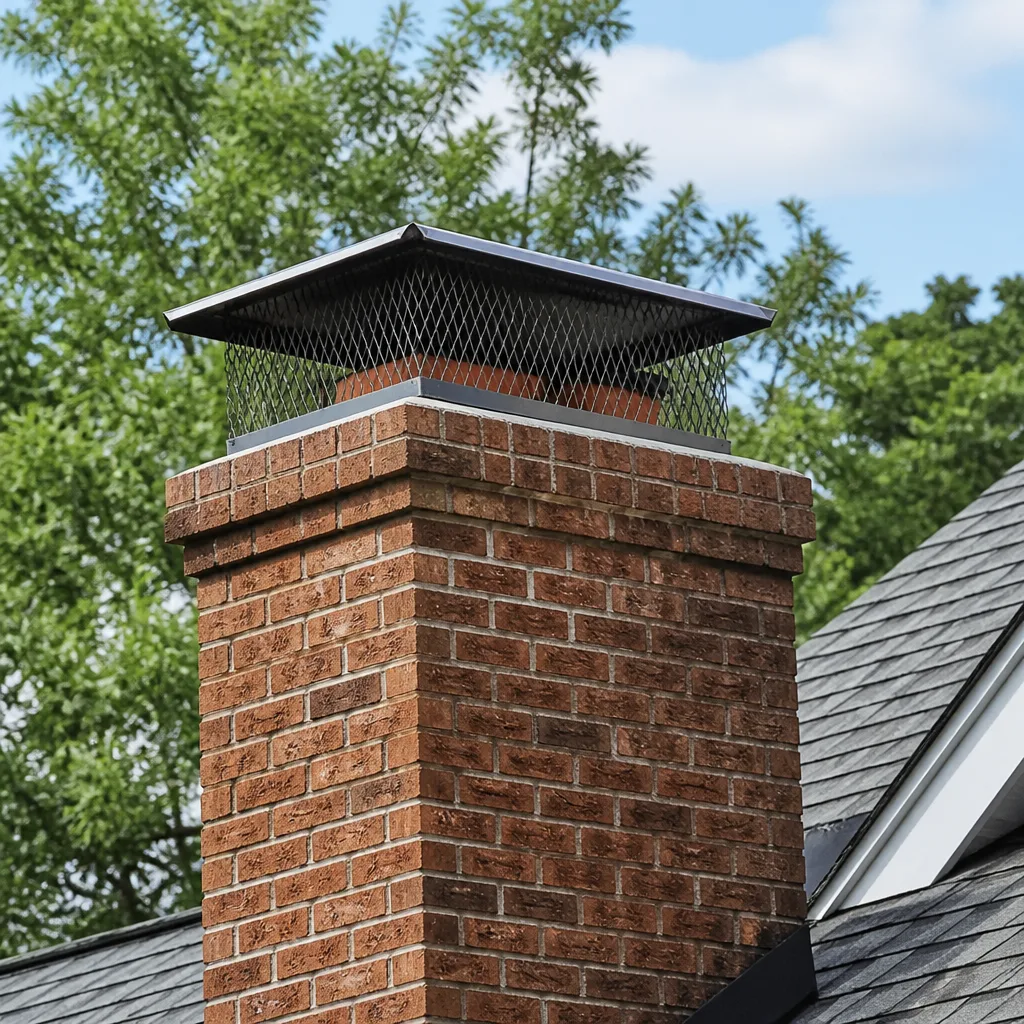 Caps & crowns
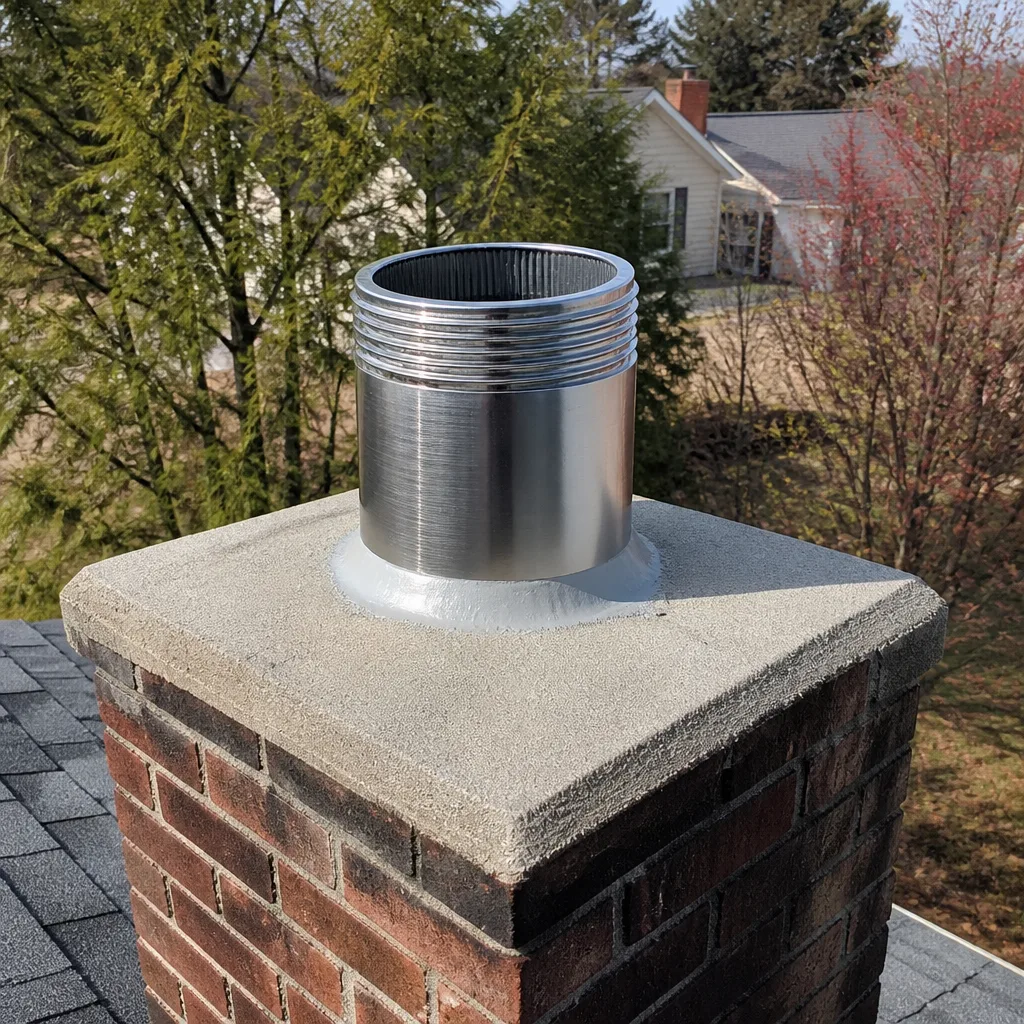 Flue relining
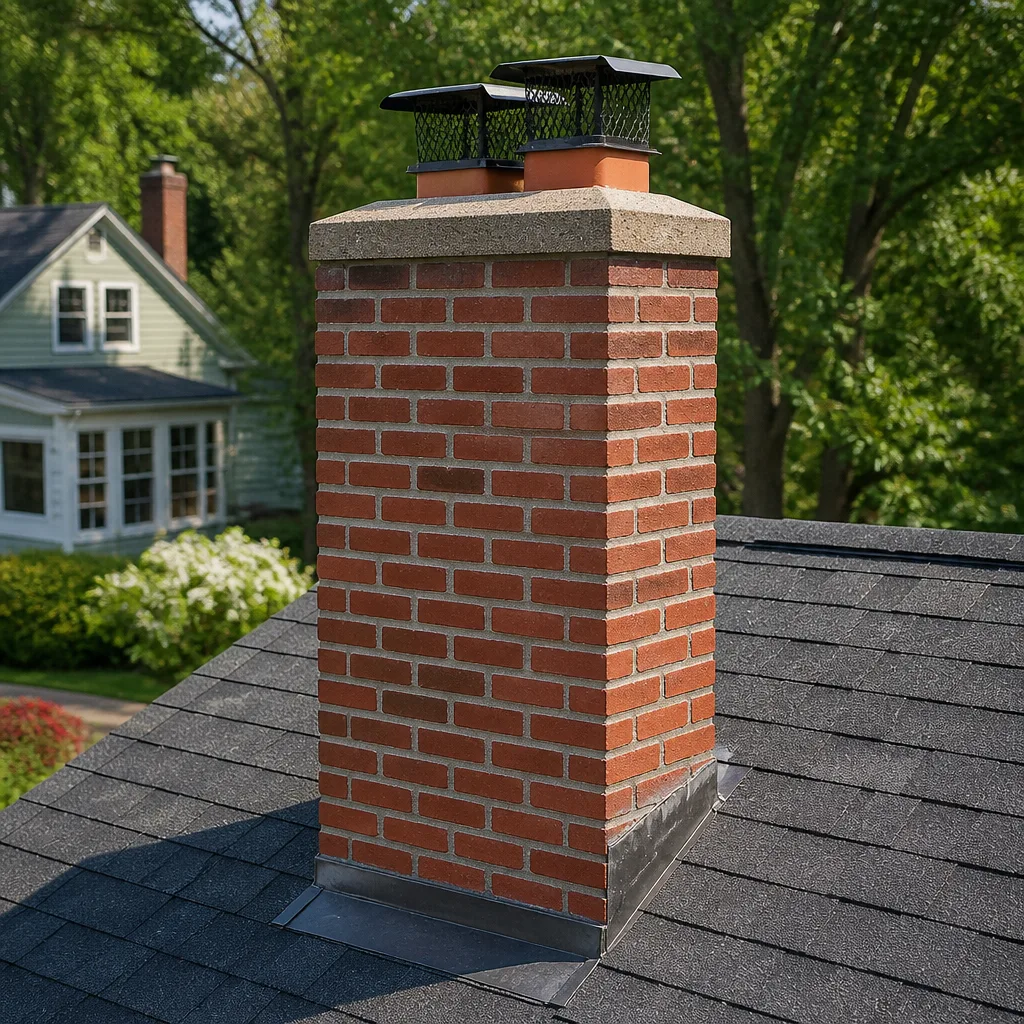 Masonry repair
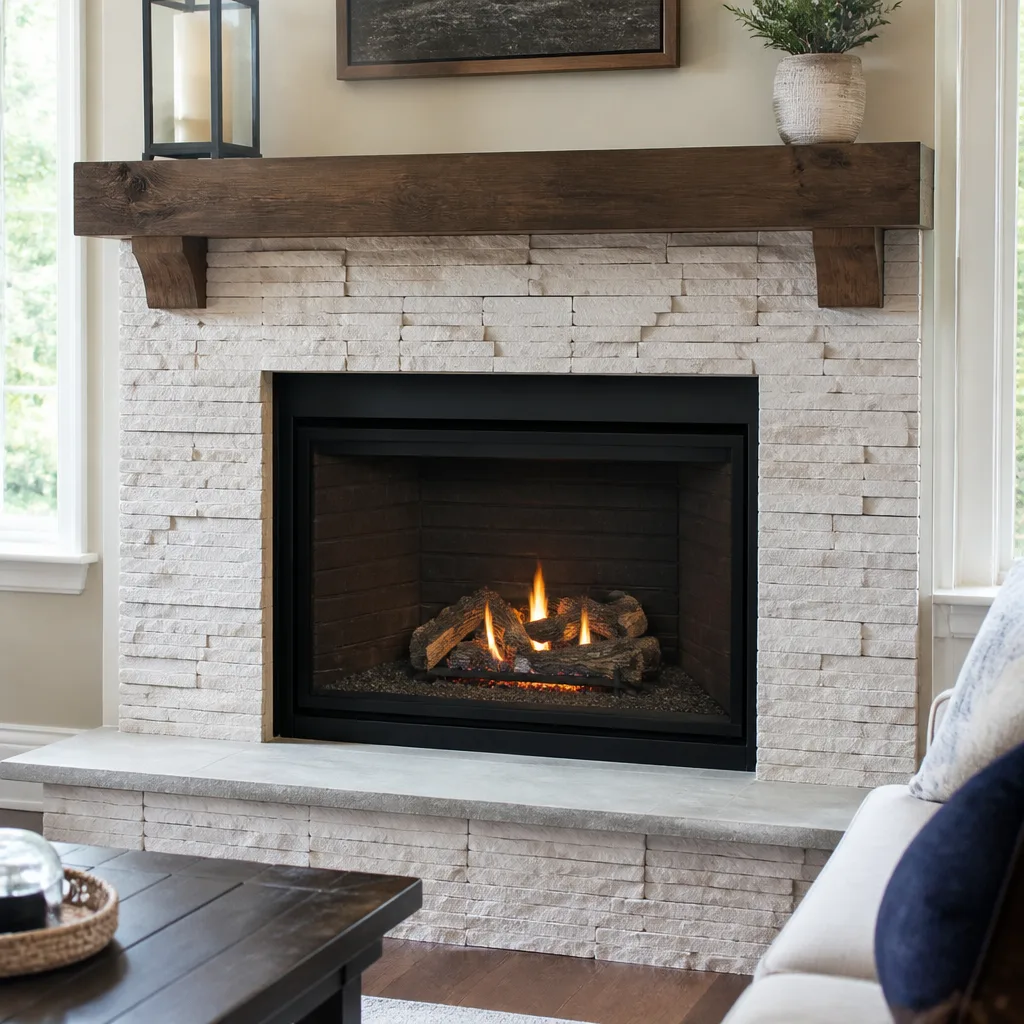 Gas fireplace service
Level 1 sweep and inspection to the NFPA 211 annual standard - flue, crown, cap, and flashing checked and photographed
Chimney sweep logs do not sweep chimneys. They loosen some creosote - which then falls where a brush and vacuum still have to collect it.
How to Hire a Chimney Cleaning Contractor in Energy Corridor: A Step-by-Step Guide
A sweep that only runs a brush down the flue has cleaned your chimney without ever telling you why it needed cleaning. In Energy Corridor, where many homes run a wood-burning fireplace or gas insert for the two or three cool months that actually demand it, that distinction gets lost. Homeowners shop for the lowest brush pass, book it, and never learn that the creosote in their flue was building because of a drafting problem, a damaged crown, or a liner gap that a proper inspection would have caught. This guide teaches you to interview a contractor for diagnostic ability, not just price. You’ll learn which credentials mean something, the questions that separate a system thinker from a flue cleaner, and how to read an estimate so nothing slips through.
Quick Answer
To hire a chimney cleaning contractor in Energy Corridor, verify three things before you book: a CSIA Certified Chimney Sweep credential or verifiable NFPA 211-aligned inspection process, a written scope that includes a Level 1 inspection with the sweep, and a contractor who can both diagnose and repair what they find rather than handing you a referral. Texas doesn’t license chimney sweeps at the state level, so credentials and written estimates are your only real vetting tools. Ask what they do when they find heavy creosote before you ask what they charge.
Styles & brands we work with
- Sweep & inspection
- Caps & crowns
- Flue relining
- Masonry repair
- Gas fireplace service
Table of Contents
- Why hiring the right contractor matters more than the price
- Which credentials to ask for (and what each one qualifies)
- Five interview questions that reveal diagnostic capability
- Why Texas doesn’t license chimney sweeps and how to vet without it
- How to read a written chimney estimate
- Houston-market red flags to watch for
- The step-by-step hiring process
- Common mistakes to avoid
Why Hiring the Right Contractor Matters More Than the Price
The cheapest chimney sweep quote in Houston often excludes a Level 1 inspection. That’s not a marketing trick as much as an industry habit: brush-pass pricing is what a lot of crews compete on, and a proper inspection takes time the lowest bid can’t absorb. The result is that you pay for a flue brushing and never receive the diagnostic report that would tell you whether your chimney is safe to use, whether the liner is compromised, or whether the crown has begun to fail.
In Energy Corridor specifically, this habit tends to hide a specific set of problems. Homes here run chimneys intermittently. A fireplace used a dozen times a season accumulates creosote slowly, and a chimney that sits idle most of the year can develop moisture issues around a failing cap or crown without any smoke-back symptoms to warn the homeowner. There’s no “obvious problem” that pushes people to call a specialist. The buildup and the wear happen quietly.
That’s why we frame the hire this way: you’re not hiring a cleaning service, you’re hiring a system diagnosis. A contractor who documents what they find and can resolve the findings in-house gives you something a brush-only operator can’t. When we perform a chimney sweep, the sweep is the maintenance step. The inspection that comes with it is the value.
There’s a cost side to this too. A sweep followed by an inspection that catches a failing crown can save you from water intrusion into the masonry, which is a far more expensive repair than a crown rebuild. A sweep with no inspection lets that damage develop. The price difference at booking is small. The price difference at repair time is not.
Which Credentials to Ask for (and What Each One Qualifies)
Ask every contractor you interview for their credentials in writing. Then look them up. The two that matter most in this trade are the CSIA Certified Chimney Sweep credential and NFI certification, and they qualify a technician for different things.
CSIA Certified Chimney Sweep
The Chimney Safety Institute of America (CSIA) issues this credential. A technician holding it has passed the CSIA exam and committed to the CSIA Code of Ethics. In practice, a CSIA-certified sweep is qualified to sweep chimneys using industry-standard methods and to perform inspections aligned with NFPA 211, the national standard for chimneys, fireplaces, vents, and solid fuel-burning appliances. Ask whether the person actually arriving at your home holds the credential, or whether it’s the company that holds it while non-certified technicians perform the work.
NFI Certification
The National Fireplace Institute (NFI) issues certifications by fuel type: wood, gas, and pellet. An NFI-certified technician has demonstrated competence specific to the appliance category. If your home in Energy Corridor has a gas insert or a wood-burning fireplace and you’re weighing upgrades, an NFI certification on the relevant fuel tells you the technician understands the appliance side of the system, not just the flue.
What the Credentials Don’t Cover
Neither credential licenses a contractor to do structural masonry repair, and neither is a substitute for a state contractor’s license (which Texas doesn’t offer for chimney work). Credentials verify competence in sweeping and inspecting. The repair capability is separate, and you should ask about it directly: which specific repair scopes the contractor handles, and which they subcontract.
Five Interview Questions That Reveal Diagnostic Capability
These questions work because the answers require the contractor to talk about the system rather than the service. A broom-only operator will give short, transactional responses. A diagnostic contractor will describe what they look for and what they’d do about it.
- “How do you classify creosote, and what do you do when you find Stage 3?” A diagnostic contractor will tell you they distinguish glazed Stage 3 creosote from the lighter Stage 1 and Stage 2 buildup, and that Stage 3 usually requires more than a brush. They’ll describe how they’d remove it or whether they’d recommend replacement of the affected section. A brush-only contractor will say “we brush it out,” which tells you they’ve never had to explain a Stage 3 finding.
- “How do you assess a clay flue liner without a camera?” The right answer is that they don’t. A camera inspection is the only way to see cracks, gaps, and spalling inside the flue. A contractor without a camera is limited to looking down from the top and up from the firebox, which catches gross damage but misses most of what causes problems.
- “What’s on your inspection report?” A good answer describes a written report with photographs, findings organized by category (flue, firebox, damper, cap, crown, exterior masonry), and recommendations ranked by urgency. A vague answer (“we tell you what we see”) tells you the findings live in the technician’s head, not on paper.
- “Do you warranty or guarantee the sweep, and what happens if a problem shows up after?” Every contractor should be able to articulate their own policy clearly. If the answer is vague, ask them to put it in writing before you book.
- “If you find damage that needs repair, can you do the repair or do you hand it off?” This is the systems question. A contractor who can perform liner resurfacing, cap and crown work, and fireplace repair in-house is a full-system contractor. A contractor who refers repairs out is a sweep service with a referral network. Neither is dishonest, but the referral model adds a handoff and often a second diagnostic visit, which usually costs more.
Why Texas Doesn’t License Chimney Sweeps and How to Vet Without It
Texas doesn’t issue a state-level license for chimney sweeping or chimney repair. There’s no Texas Department of Licensing and Regulation category for it, which means a homeowner in Energy Corridor can’t look up a contractor’s license number the way they would for an electrician or plumber. This isn’t unusual, but it does mean every vetting shortcut you might use for another trade is unavailable here.
That shifts the burden to three workable substitutes:
- CSIA and NFI credentials. Both are third-party credentials with public verification. Look up the individual technician, not just the company.
- Written scopes and estimates. A contractor who issues a written estimate with line items and a written inspection report is easier to evaluate than one who quotes a price over the phone.
- Insurance and bonding. Ask for a certificate of insurance before any work on your chimney. Any contractor who can’t produce one is a risk you can’t absorb.
NFPA 211 is the industry standard that governs inspection levels and chimney system requirements. It’s not state law in Texas, but a contractor who tells you their inspections follow NFPA 211 is telling you they use the trade standard. Ask what a Level 1 inspection includes under that standard and listen for the words “readily accessible” and “visual.” That’s the minimum you should expect with any sweep.
Our technicians have up to 11 years of experience, and we’ve watched the vetting landscape in this market long enough to know that credentials plus written documents are the only reliable filter. There’s no shortcut. Ask for the papers.
How to Read a Written Chimney Estimate
A high-quality chimney estimate has specific line items. A low-quality one is three sentences and a single price. Here’s what to look for.
Line Items That Should Always Appear
- The inspection level being performed (Level 1, 2, or 3, per NFPA 211)
- The sweep itself, described as a separate scope from the inspection
- Camera inspection if it’s included, and what the deliverable is (photographs, written report)
- Any recommended repairs, each priced separately, with the affected component named (for example, “crown rebuild, rear section”)
- A statement of what’s excluded from the price
- The name of the contractor performing the work
- How the estimate is finalized (is this the price, or an estimate subject to on-site findings?)
Language That Signals a Low-Quality Operator
Watch for estimates that use the word “inspection” as a throw-in without describing what’s inspected. Watch for repairs presented as a bundle (“chimney restoration package”) without component-level pricing. Watch for a price that’s dramatically lower than every other quote you’ve received: that price usually excludes the inspection and produces an upsell once the technician is on the roof. Watch for any estimate that doesn’t put the scope in writing. Anyone can say “your liner is bad.” The question is whether they’ll put it on paper with photographs and a line-item price.
One more: an estimate that omits the elevation and access approach. Repair work on a chimney involves heights, and the estimate should reflect how the contractor will access the work safely. If that’s missing, the estimate is incomplete.
Our own process is to document what we find with a camera inspection and photo report, so the written estimate is anchored to something you can see. When we recommend a repair, we recommend it because the photographs show the cause, not because the sweep ran into something unexpected.
Houston-Market Red Flags to Watch For
The Houston area has three recurring patterns worth knowing about when you’re hiring a chimney contractor in Energy Corridor or anywhere else in the metro.
Door-to-Door Solicitors After a Storm
After a major weather event, contractors often appear door-to-door offering chimney repair. Some are legitimate local businesses running storm-response campaigns. Many are not. The pattern is: an unsolicited knock, an on-the-spot “inspection” that lasts five minutes, and a same-day pitch for a large-dollar repair. A legitimate contractor will not need to sell you on a same-day decision. Ask for credentials, ask for a written estimate, and take time to verify both.
Unusually Low “Inspection” Fees
A $49 or $69 inspection fee is a common entry offer. That price is below the cost of a proper camera inspection with a written report, which means the fee is a loss leader for an upsell. The upsell is often a liner replacement recommendation, sometimes without the photographs to support it. If the inspection fee looks unusually low, ask specifically what the fee covers, and ask whether the deliverable is a written report with photos. If the answer is “just a quick look,” the price makes more sense.
Liner Replacement Recommendations Without Photographic Evidence
This is the most consequential red flag. A liner replacement is one of the more expensive chimney repairs, and it should not be recommended on the basis of a visual inspection from the firebox alone. Ask for the camera images, ask what specifically is damaged, ask what the consequence of doing nothing would be, and ask whether a restoration method rather than a full reliner is possible. HeatShield liner resurfacing, which we offer, is sometimes a viable alternative on damaged but structurally intact flues. Ask any contractor you interview whether they know about it and when it applies.
The Step-by-Step Hiring Process
Here’s how to run the hire end to end. Expect it to take two or three phone calls over a week, which is fine. Chimney maintenance is not an emergency in most cases, and the sequencing matters more than the speed.
- Define what you need. Routine annual sweep, a problem you’ve noticed (smoke backup, odor, water intrusion, visible damage), or an inspection for a home purchase or a first-time use in a while. Each of these requires a different scope.
- Get a shortlist of two or three contractors. Ask for CSIA or NFI credentials, ask whether they perform camera inspections, and ask what repairs they handle in-house.
- Interview with the five diagnostic questions above. Score the answers. The contractor who describes a system beats the one who describes a service.
- Request a written estimate for the sweep plus inspection. Confirm the inspection level and the deliverable in writing before the appointment.
- Verify credentials and insurance. Look up the CSIA or NFI credential directly. Ask for a certificate of insurance.
- Book the sweep. On the day of the appointment, expect a camera inspection and a written report alongside the sweep. If a contractor arrives without a camera, that’s a signal worth noting.
- Review the report before approving repairs. Insist on photographic evidence for any recommendation. Ask the contractor to explain what happens if you defer the repair, and confirm the answer in writing.
- Book the repair with the same contractor if you choose to proceed. One company handling both the diagnosis and the repair avoids the handoff between the sweep crew and a separate masonry contractor.
If at any stage the process feels rushed or the contractor resists putting things in writing, walk away. There’s no penalty for a slower hire.
What Full-System Coverage Actually Means
The gap between a sweep and a full-system contractor shows up at the top and the bottom of the chimney. At the top, the crown and the cap are the two most common sources of water intrusion, and both are routinely ignored by sweep-only operators. A failing crown lets water into the masonry and slowly degrades the whole structure. A missing or damaged cap lets water, debris, and animals into the flue. Neither is visible from the living room, and neither is fixed by a sweep.
At the bottom, the firebox, damper, and smoke chamber are where most drafting problems originate and where fireplace repair lives. A firebox with failed refractory mortar is a fire risk in the same sense that a cracked flue liner is: heat can reach the structure around it. A damper that won’t close properly sends heated air up the flue all year, which is an energy loss on top of a safety issue.
Our full-system coverage means we handle chimney cap & crown work with professional-grade materials, perform fireplace repair on the firebox and damper, and specify liner systems from brands like DuraFlex and Olympia Chimney when replacement is warranted. That last part matters because a chimney liner installed from generic hardware-store components is a different system than one specified from a professional-grade line. We also work with HeatShield, Gelco, Famco, and Copperfield across the repair spectrum, which means we can match the material to the specific finding rather than forcing one product onto every job. Restore, don’t just clean, is the operating principle.
We should say plainly that the brands are a signal of trade-level knowledge, not a sales pitch. Any contractor worth hiring should be able to name the systems they specify and explain why.
How Often a Chimney in Energy Corridor Actually Needs Sweeping
NFPA 211 guidance recommends annual inspection of chimneys and fireplaces, and sweeping on the schedule the inspection reveals. For a home in Energy Corridor with modest fireplace use, an annual sweep may not be necessary every year, but an annual inspection usually is. That’s the point that gets lost when homeowners equate the two.
The frequency drivers in a mild-winter climate are different from cold-climate markets. Here, the buildup happens during fewer burning events, but the chimney sits idle longer. Idle time is when water intrusion does its work: a cracked crown or a failing cap lets moisture into the masonry over months, and the damage progresses without anyone noticing. That’s why inspection cadence matters more than sweep cadence in this climate.
For homes that burn wood frequently through the winter, an annual sweep is still the right default. For homes that use the fireplace a few times a year, an annual inspection with sweeping on the inspector’s recommendation is the standard. For gas inserts, the inspection is still annual, but the sweep cadence differs because the creosote profile is different. In every case, the schedule should follow findings, not a fixed calendar.
When was your last inspection? If you can’t remember, that’s the answer. Book one before the next burning season rather than waiting for a symptom to prompt it.
Common Mistakes to Avoid
- Hiring on price alone. The lowest bid is almost always the brush-pass-only bid. You save a little at booking and lose the diagnostic report that would have caught the real problem.
- Assuming the sweep includes an inspection. It doesn’t unless the estimate says so. Confirm the inspection level in writing and confirm the deliverable.
- Not verifying the technician’s credential. A company-level CSIA credential doesn’t guarantee the person arriving at your home holds it. Ask to verify the individual.
- Approving a liner replacement without photos. This is the largest-dollar mistake in the trade. If you can’t see the damage on camera, don’t authorize the work.
- Skipping the cap and crown. Both are cheap relative to the damage they prevent. If your crown has a visible crack or your cap is missing or damaged, that’s the repair to prioritize in Energy Corridor’s wet-season pattern.
- Believing a five-minute visual from the firebox is an inspection. A proper Level 1 inspection includes the accessible portions of the appliance, the venting system, the chimney exterior, and the firebox. A five-minute look doesn’t cover that.
- Accepting an unsolicited post-storm pitch. Ask for credentials, ask for a written estimate, and take a week to verify. Storm-response contractors may be legitimate. The ones who aren’t rely on the urgency.
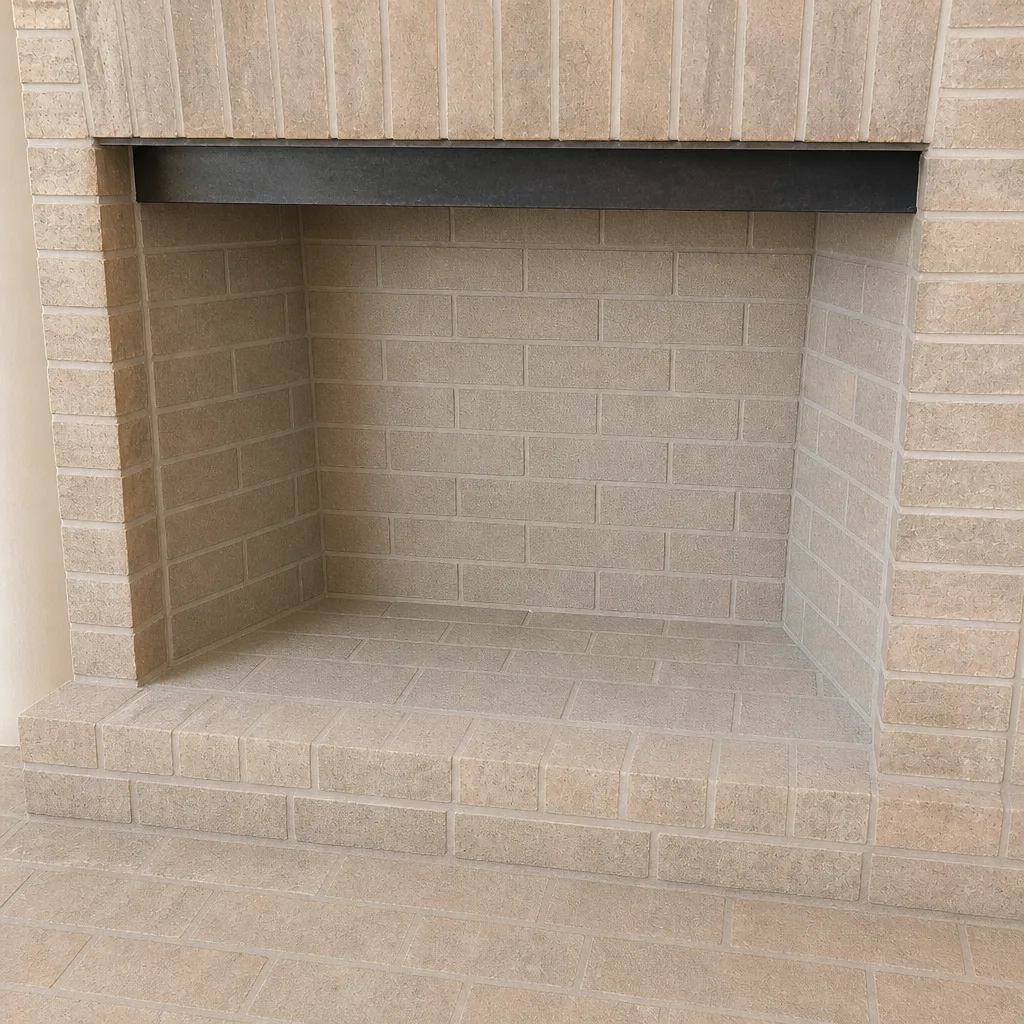
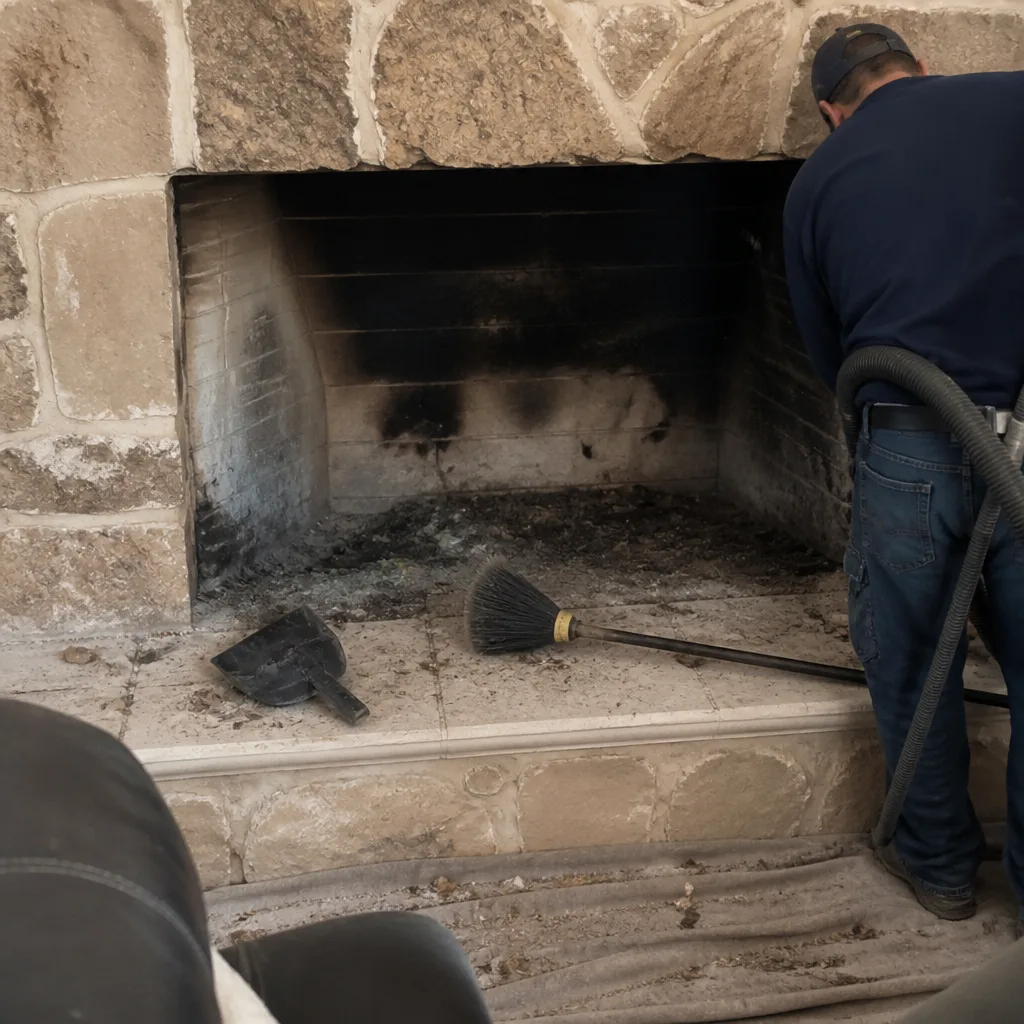
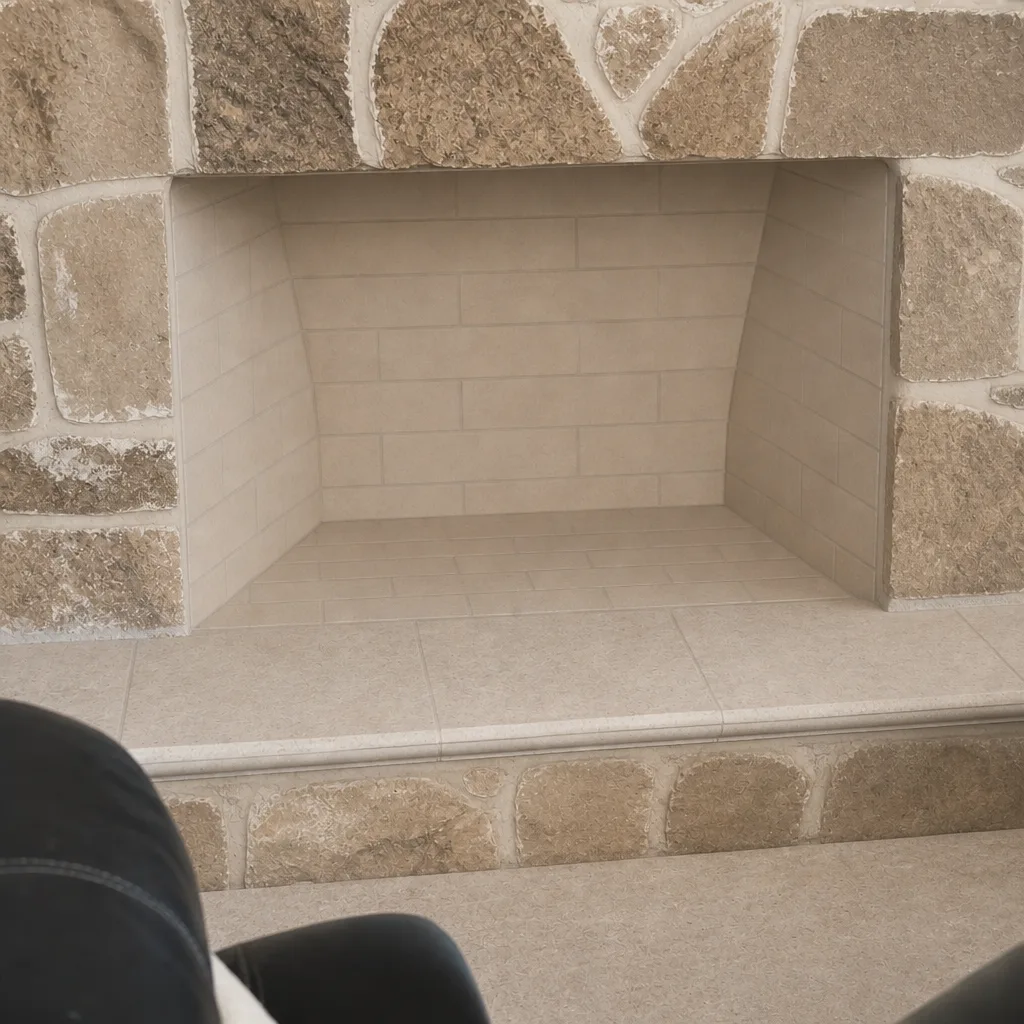
See the difference
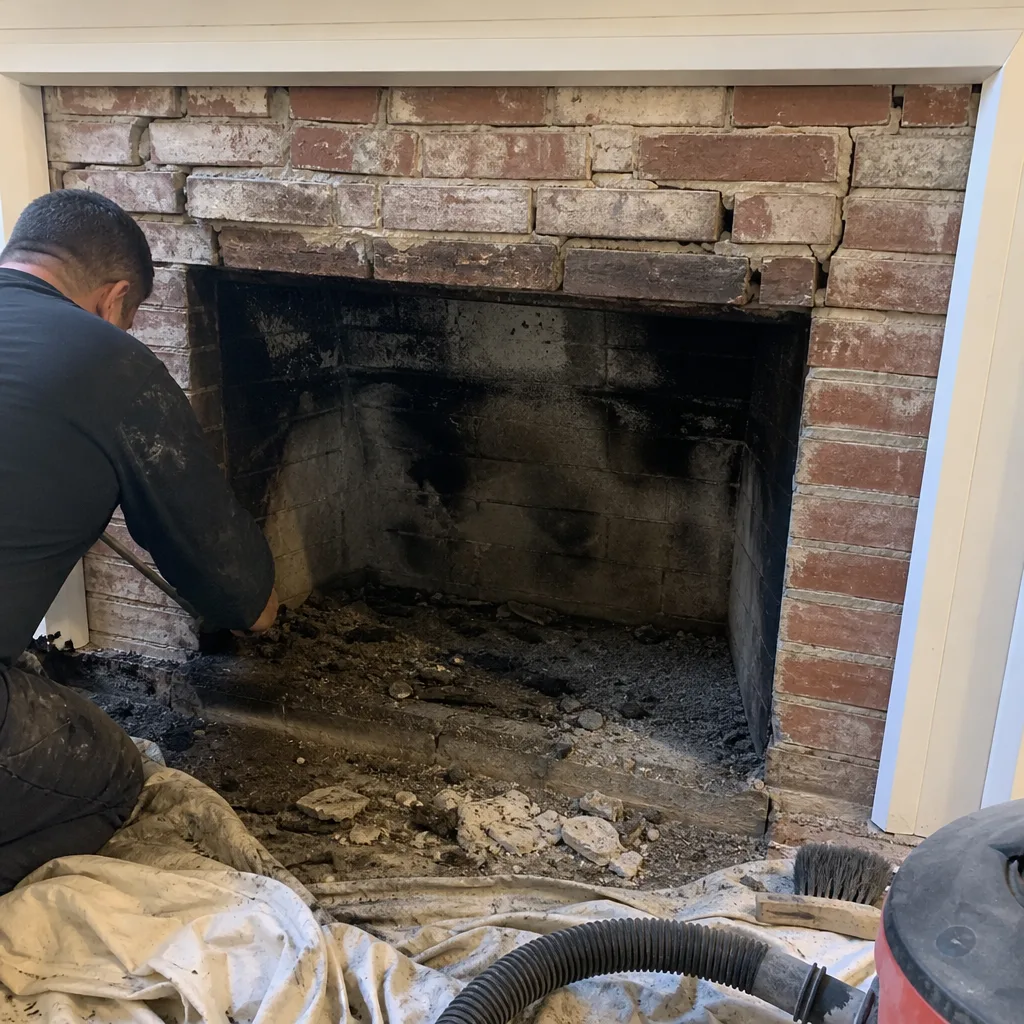 Before
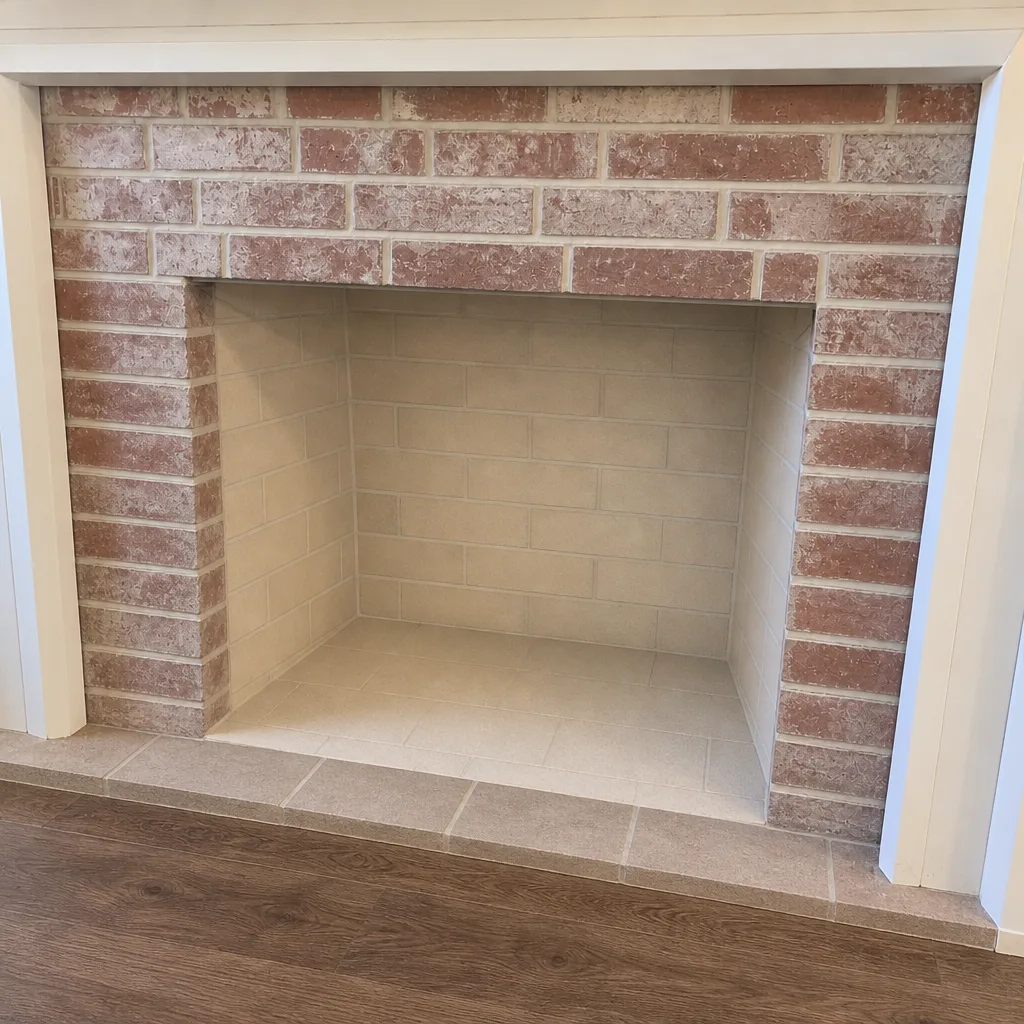 After
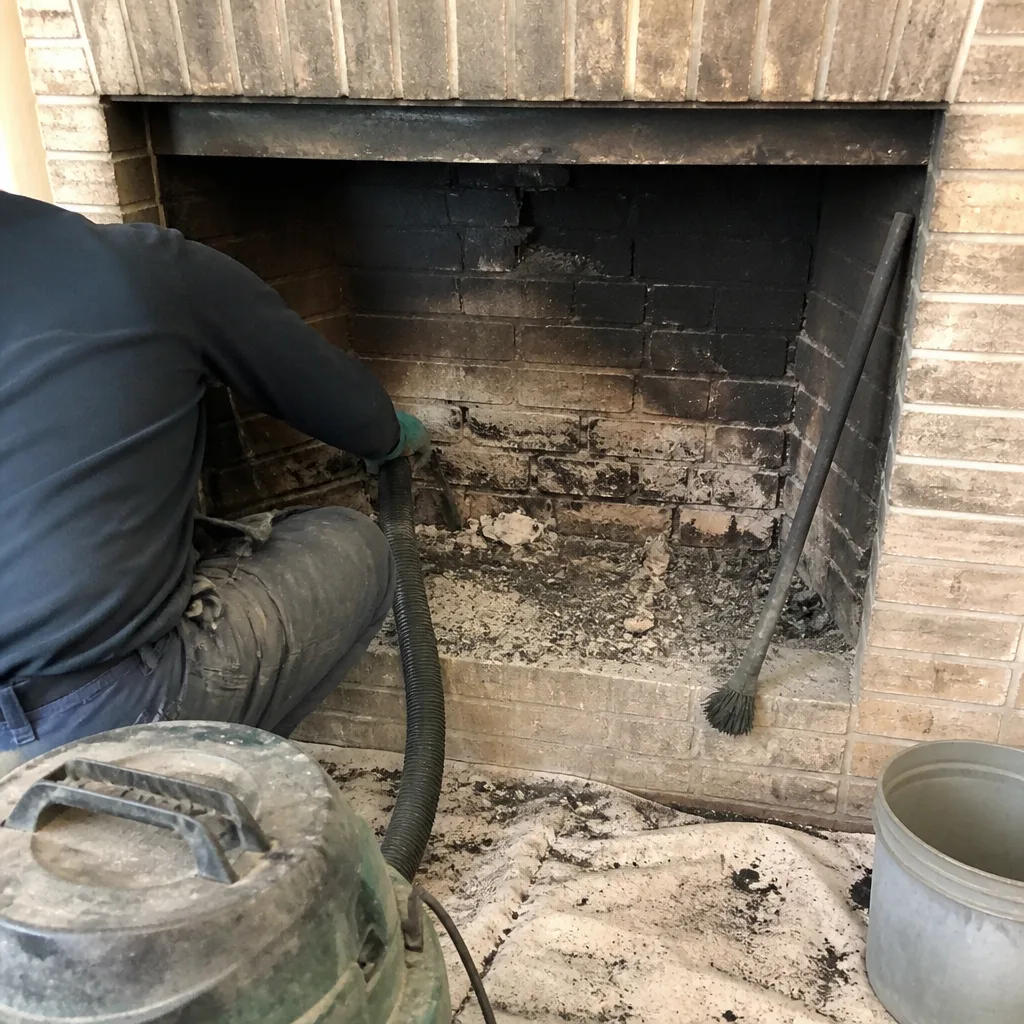 Before
 After
 Before
 After
When to Call a Professional
Call a professional when you smell a strong creosote odor in the firebox, when smoke backs into the room during a fire, when you see visible damage to the exterior masonry or the firebox, when water is getting into the chimney or the firebox, or when you’re using a fireplace you haven’t had inspected since you moved in. Call when a liner or cap has been damaged by weather or wildlife, when you’re buying a home with a chimney you haven’t seen inspected, or when your annual inspection is due. Don’t wait for an obvious failure: with chimney systems, the failures that cause real damage are the quiet ones. Chimney Sweep Energy Corridor offers free estimates in Energy Corridor. Call (844) 625-7014 to book an inspection, and we’ll document what we find with photos so you can decide from what you can see. We answer 24/7. Fast dispatch from 7am to 7pm, Sunday through Friday.
Frequently Asked Questions
Costs vary with the scope of the inspection and whether a camera inspection is included, because a brush-only pass prices differently than a sweep plus a documented Level 1 inspection. The written estimate is finalized after on-site findings, and the estimate itself is free. Call (844) 625-7014 for an exact quote. Estimates are free.
Often, no. A damaged but structurally intact flue can sometimes be restored with HeatShield liner resurfacing rather than fully relined, and the deciding factor is what the camera shows. Ask for the photographs, ask what specific damage justifies the recommendation, and ask whether a restoration method applies. If the contractor can’t show you the evidence, get a second inspection. Call (844) 625-7014 for a camera-based second opinion. Estimates are free.
Often annually, but the inspection cadence is the more reliable rule: NFPA 211 guidance recommends annual inspection, and sweeping should follow what that inspection finds. A home with modest fireplace use may sweep every other year while still inspecting annually. A home that burns wood frequently is closer to an annual sweep. Call (844) 625-7014 to schedule an inspection. Estimates are free.
No, Texas doesn’t issue a state-level license for chimney sweeping or chimney repair. That means you can’t look up a license number the way you would for an electrician. Vet contractors through CSIA Certified Chimney Sweep credentials, NFI certification, verified insurance, and written estimates instead. Our technicians have up to 11 years of experience, and we’re happy to talk through credentials on the phone. Call (844) 625-7014. We answer 24/7. A call outside dispatch hours is booked into the next opening, Sunday through Friday, 7am to 7pm.
Creosote accumulates quietly, water intrusion around a failed crown or cap degrades the masonry over months, and neither announces itself with an obvious symptom until the damage is substantial. The reason to keep up maintenance is that the failures are slow and invisible, not that they’re sudden. Call (844) 625-7014 to set a baseline inspection with photo documentation. Estimates are free.
Yes, if the contractor offers full-system coverage. A full-system contractor performs the camera inspection, documents the findings, and then handles the repair without a handoff. That saves a second diagnostic visit and keeps the findings and the repair tied to the same report. We handle sweeping, inspection, chimney cap & crown work, fireplace repair, and chimney repair under one roof. Call (844) 625-7014 to discuss scope. Estimates are free.
The Bottom Line
Hiring a chimney contractor in Energy Corridor comes down to three moves: verify the credentials, ask the diagnostic questions, and insist on written estimates and photographic evidence for any repair recommendation. Texas doesn’t license this trade, so those three steps are the whole filter. The sweep itself is the easy part. The reason the hire matters is the diagnosis that comes with it, because the problems worth finding are the ones nobody notices until the repair is expensive. Book an inspection with a contractor who documents what they find and can handle the repair themselves. If you want a starting point for the broader service, our Chimney Sweep Energy Corridor page explains how we approach the work from the flue to the crown.
Contact Us
Ready to hire a contractor you can actually vet? Call Chimney Sweep Energy Corridor at (844) 625-7014 for a free estimate. Bring the five interview questions with you to the call, and we’ll answer them plainly. We answer 24/7. Fast dispatch from 7am to 7pm, Sunday through Friday.
Written by the team at Chimney Sweep Energy Corridor.