
Last updated November 24, 2026
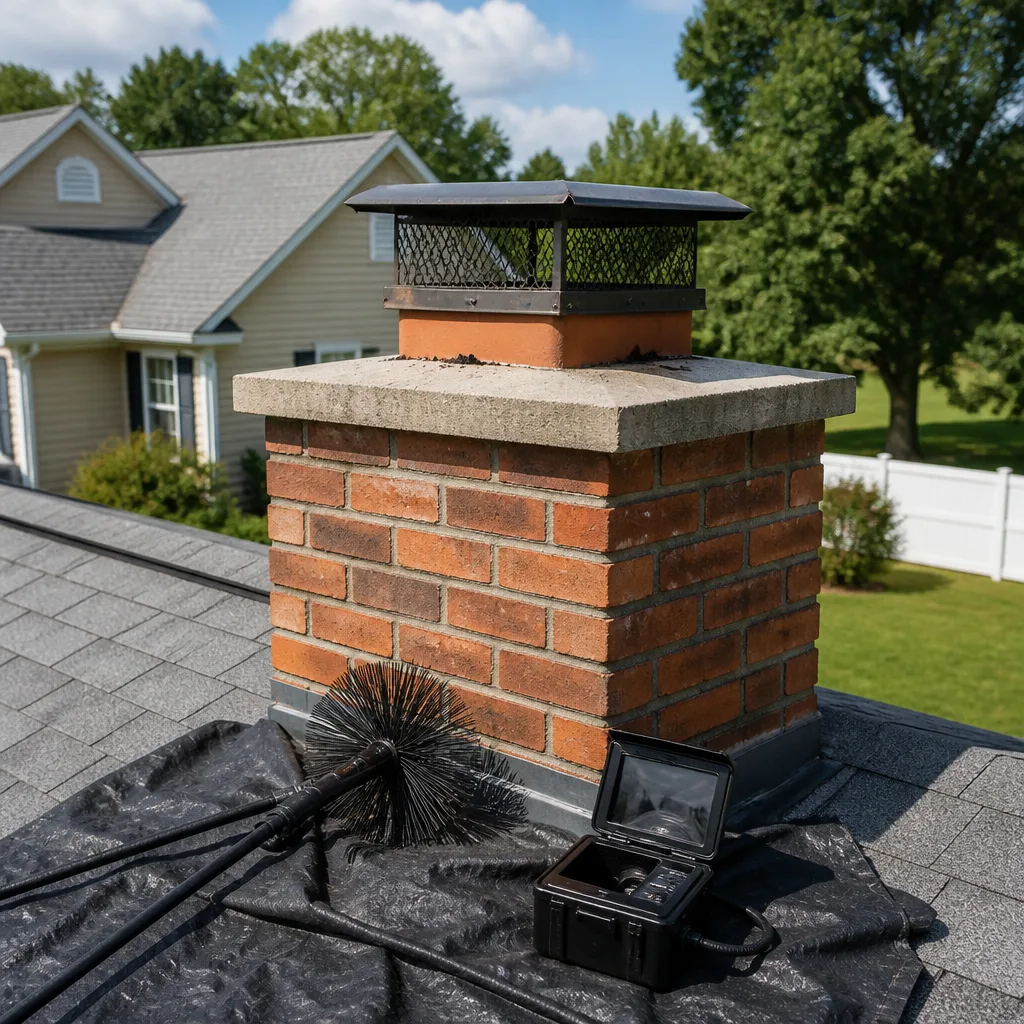 Sweep & inspection
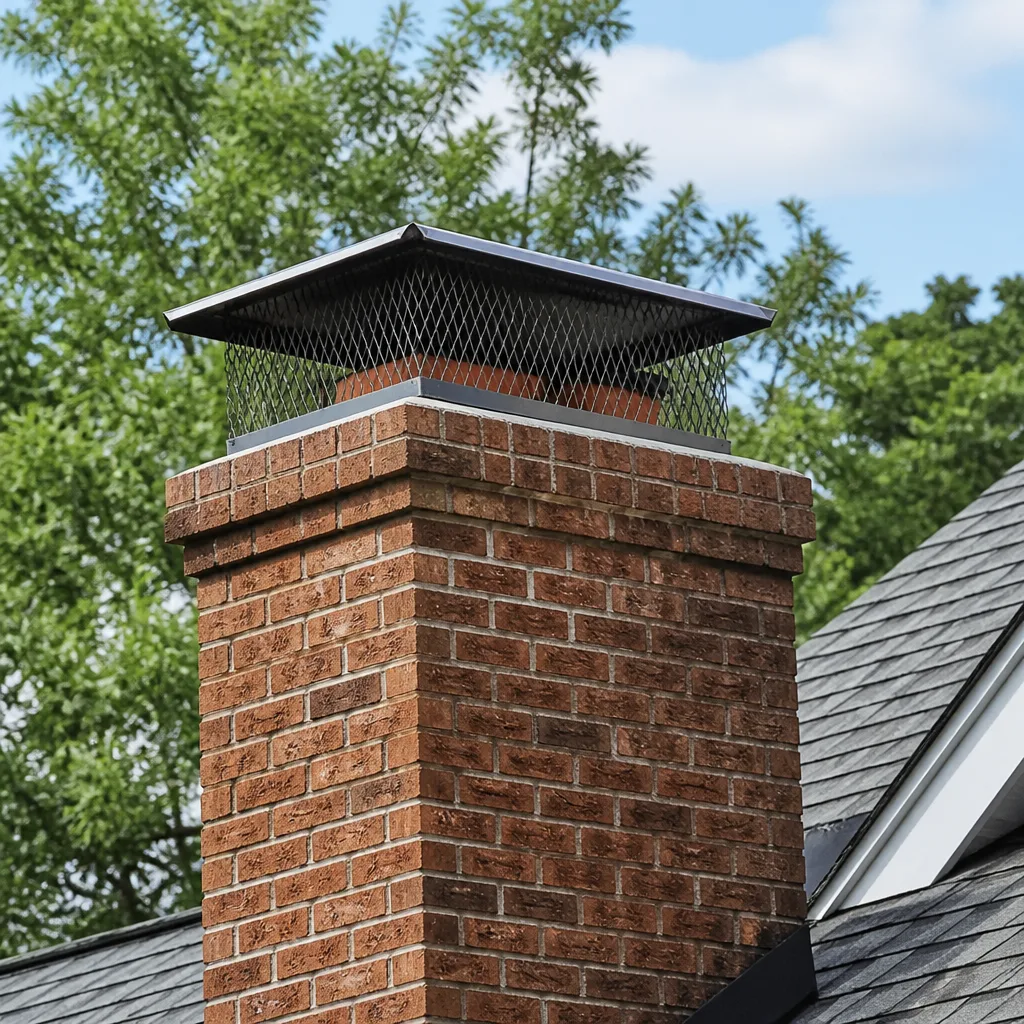 Caps & crowns
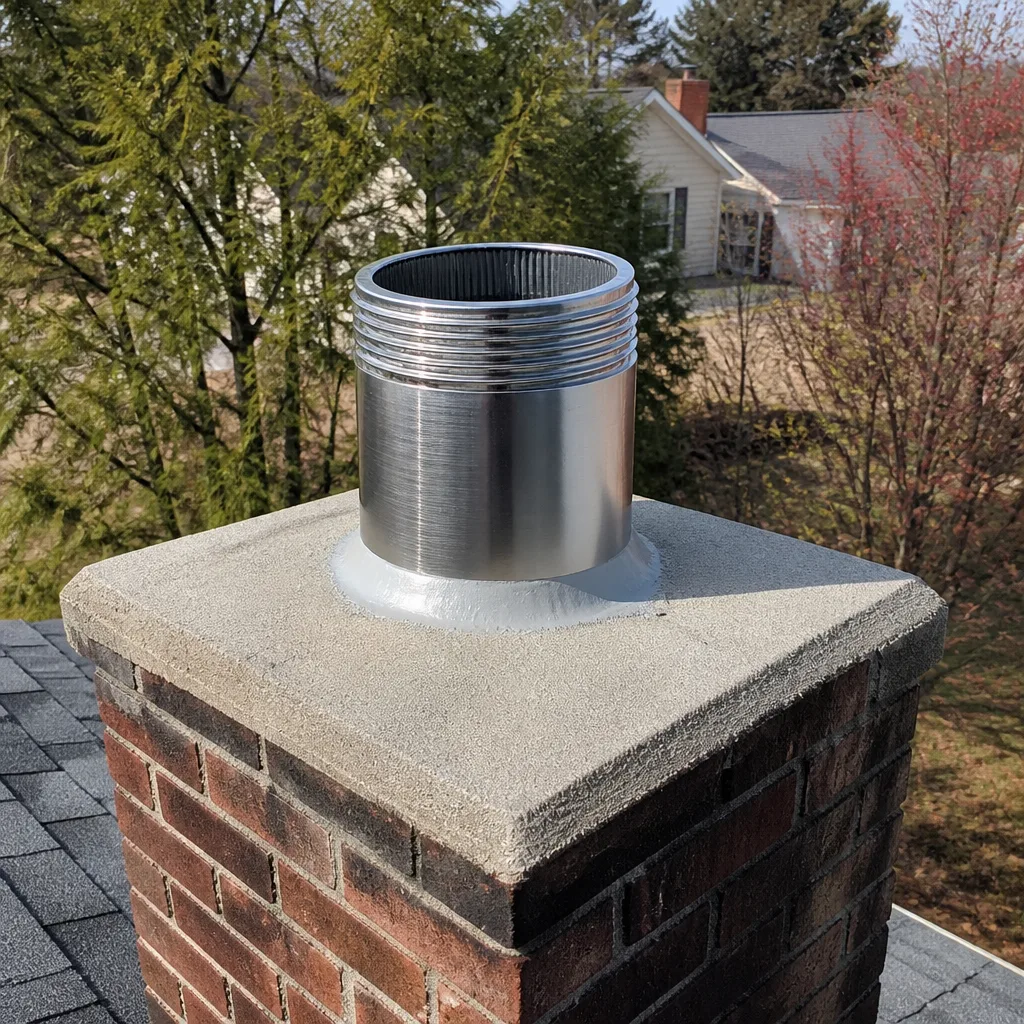 Flue relining
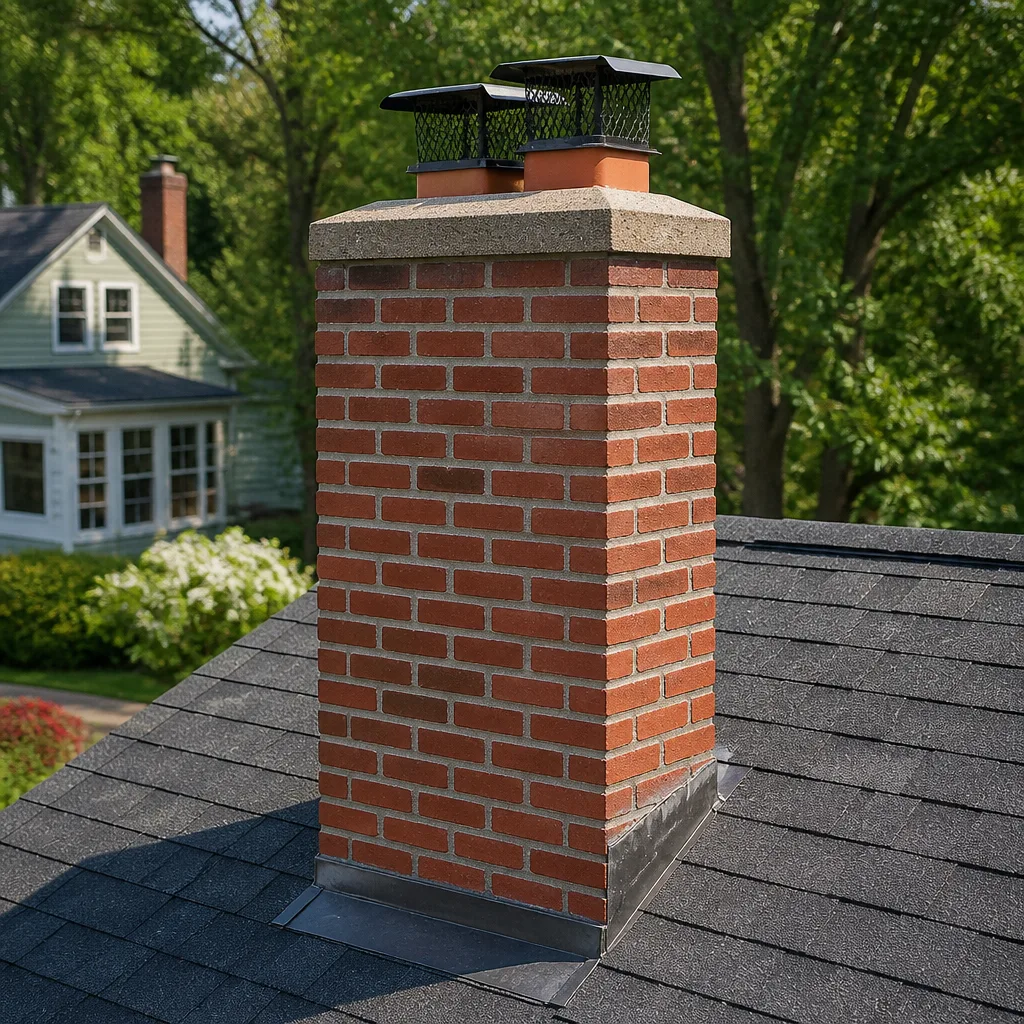 Masonry repair
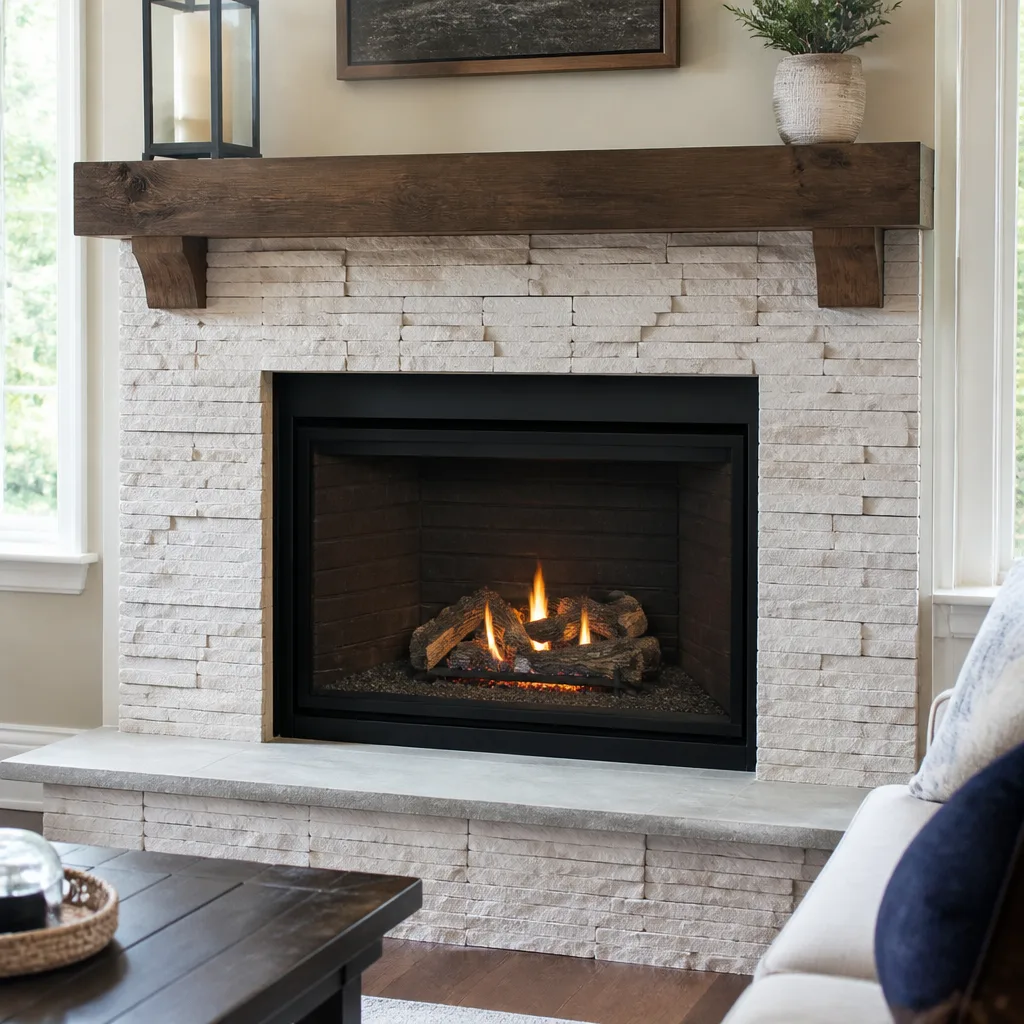 Gas fireplace service
Level 1 sweep and inspection to the NFPA 211 annual standard - flue, crown, cap, and flashing checked and photographed
Chimney sweep logs do not sweep chimneys. They loosen some creosote - which then falls where a brush and vacuum still have to collect it.
Seasonal Chimney Cleaning Care for Energy Corridor: Year-Round Homeowner’s Guide
Most chimney advice assumes a long, cold winter and a six-month burn season. Energy Corridor doesn’t work that way. Our winters are short and mild, which means the fireplace gets used in bursts, and then sits idle for the better part of the year while Gulf Coast humidity goes to work on mortar joints, dampers, and anything else inside the flue. The conventional pre-winter checklist misses the nine months that actually cause the most wear here. This guide walks through what your chimney needs in each season in Energy Corridor, from post-burn creosote removal in spring to waterproofing before hurricane season, so the system stays sound no matter what month it is.
Quick Answer
In Energy Corridor, chimney care is a twelve-month job, not a fall errand. Spring is for clearing creosote before humidity sets in, summer is for exterior protection against rain and heat, fall is for confirming the liner and damper are ready, and winter is for monitoring draft during the burn season. A single annual sweep still fits most Energy Corridor homes because the burn season is short, but the inspection and exterior checks belong on a year-round calendar.
Styles & brands we work with
- Sweep & inspection
- Caps & crowns
- Flue relining
- Masonry repair
- Gas fireplace service
Table of Contents
- Why Energy Corridor Chimney Care Runs on a Different Calendar
- Spring: Clear the Creosote Before the Humidity Arrives
- Summer: Protect Masonry and Crown Before Hurricane Season
- Fall: Confirm the Damper, Liner, and Gas Ignition
- Winter: Mid-Season Draft Monitoring
- How Often Should You Really Sweep in Energy Corridor?
- What a Year-Round Inspection Looks Like
- Common Mistakes to Avoid
Why Energy Corridor Chimney Care Runs on a Different Calendar
The standard chimney care calendar comes from places that burn wood from October through March. In Energy Corridor, a homeowner might light the fireplace on a handful of cold snaps, let it sit for weeks between uses, then shut it down entirely by February. That pattern creates a specific set of problems that northern advice doesn’t address.
When you burn wood, the fire produces creosote and moisture as byproducts. In a cold climate, both get driven up and out quickly because the flue stays hot. In Energy Corridor, a fire often burns cooler and shorter, which means more creosote deposits at lower levels in the flue. Then the burn season ends, and the flue sits closed while the outside air gets hot and humid. That’s the environment where creosote absorbs moisture, mortar softens, steel damper components start to rust, and unused flues become a place for mold and mildew.
So the real division of labor in Energy Corridor looks like this:
- Burn season (roughly winter): monitor draft, watch for smoke rollback, and note any odd smells.
- Post-burn season (spring): remove creosote and soot before humidity can settle into them.
- Long off-season (summer): protect the exterior, crown, and cap from rain and heat, and check for wildlife.
- Pre-season (fall): inspect the flue, damper, and gas components before the first fire.
That’s the framework this guide follows. It also explains why a single annual chimney sweep, done at the right time, holds up in this climate better than a quarterly schedule would. The Chimney Sweep Energy Corridor team frames each visit around what the system actually needs at that point in the year, not a fixed calendar inherited from colder regions.
Spring: Clear the Creosote Before the Humidity Arrives
Spring is the most important sweep window in Energy Corridor, and it’s the one most homeowners skip. Once the burn season winds down, the creosote left in the flue has weeks of warm, humid weather ahead of it. Leaving it there is the worst option available.
Creosote in its softer form is combustible, and it also holds moisture against the flue walls. Over a humid Texas spring and summer, that film can feed into mortar deterioration and, in glazed form, harden into a residue that’s harder to remove later. Removing it early in the season keeps the flue cleaner and extends the life of the masonry.
What we check in spring, in order:
- Post-season sweep. Remove soot, ash, and creosote deposits while they’re still relatively fresh and easier to work with.
- Flue wall condition. Look for softening mortar, cracked tile joints, or an uneven surface that could trap moisture going forward.
- Damper operation. Confirm the damper opens, closes, and seats correctly. A damper that won’t fully close lets humid air in all summer.
- Cap and screen condition. Check for damage from the winter and signs of nesting from spring birds.
- Firebox and hearth. Note any cracks in the firebox brick or gaps at the hearth that could worsen in the off-season.
The sweep also happens to be the best time to document the condition of the flue for the year ahead. If the inspection turns up a damaged but structurally intact flue, one option worth discussing is HeatShield liner resurfacing, which rehabilitates the existing flue rather than requiring a full reliner replacement. That’s a capability not every basic sweep crew offers, and it’s worth confirming that whoever you hire can evaluate it. If the flue is in good shape, spring is the time to say so plainly and move on.
If you haven’t had a spring sweep yet, it’s worth doing before the summer heat sets in. Call (844) 625-7014 to schedule. We answer 24/7. Fast dispatch from 7am to 7pm, Sunday through Friday.
Summer: Protect Masonry and Crown Before Hurricane Season
Summer in Energy Corridor is the season when the exterior of the chimney does the most work, and it’s the season when most of the damage gets done. Heat, humidity, and the rain that comes with hurricane season all attack the same two places: the crown and the cap.
The crown is the concrete or masonry top of the chimney that sheds water away from the flue. When the crown cracks, water runs down the side of the chimney and into the structure. That’s the single most common source of water intrusion we see in Energy Corridor, and it’s almost always preventable with a check in early summer, before the heaviest rain arrives.
The cap, meanwhile, is the metal or masonry cover that keeps rain and animals out of the flue. A missing or damaged screen lets birds and squirrels inside, and spring is exactly when they nest. By summer, that nest is dry tinder sitting on top of your flue.
Summer checklist, in order:
- Crown inspection. Look for visible cracks, spalling, or a crown that’s pulling away from the flue wall.
- Crown repair or refresh. Seal minor cracks before rain season, and replace a crown that has failed outright.
- Exterior masonry check. Look for efflorescence, missing mortar, or soft joints, all signs that water is getting in.
- Cap and screen check. Confirm the cap is intact and seated, and clear any nesting material.
- Flue-top inspection. Look down the flue from above for signs of moisture or pest activity.
This is the work that separates a maintenance-minded specialist from a reactive cleaner. Our chimney cap & crown service is designed to address both in the same visit, so you’re not chasing a leak after the next storm. The materials matter too: professional-grade products from brands like Olympia Chimney and Gelco hold up better under this climate than hardware-store replacements.
If your chimney hasn’t been checked since last fall, this is the month to get it on the calendar. Call (844) 625-7014. We answer 24/7. Fast dispatch from 7am to 7pm, Sunday through Friday.
Fall: Confirm the Damper, Liner, and Gas Ignition
Fall is the inspection season, not the busy season in Energy Corridor. That’s the exact opposite of what most chimney care advice assumes, and it gives you a real advantage: there’s time to address findings before the first cold snap, when every homeowner in the region is trying to book at once.
A fall inspection serves one purpose: confirming the system is ready to burn safely. That means checking the flue and liner for obstruction or damage, confirming the damper operates smoothly after months of sitting, and, for gas fireplaces or inserts, verifying that the ignition system works before the first use.
Here’s what a fall inspection should cover, in order:
- Flue and liner inspection. Check for cracks, gaps, or a missing liner segment that could let heat reach surrounding material.
- Damper test. Open and close fully, confirming smooth operation and a proper seal when closed.
- Smoke chamber and firebox. Look for buildup or damage that would affect draft.
- Gas appliance check. For gas inserts, confirm the ignition sequence, log placement, and venting are as they should be.
- Cap and screen check. Confirm the screen is in place and undamaged after the summer.
Fall is also when a liner problem is easiest to address without pressure. If the flue is intact but worn, we can discuss resurfacing with HeatShield or a flexible stainless liner from DuraFlex, depending on the flue configuration. That’s the benefit of hiring a company that carries the full range of professional materials rather than a generalist who can only recommend what they have on hand.
There’s no cause for alarm if the inspection turns up nothing. That’s a good outcome, and we say so plainly. If it turns up something that can safely wait until spring, we’ll say that too. Call (844) 625-7014 to book a fall inspection before the season is booked out. We answer 24/7. Fast dispatch from 7am to 7pm, Sunday through Friday.
Winter: Mid-Season Draft Monitoring
The burn season in Energy Corridor is short, which makes every fire matter more. If the draft is off, you’ll notice it quickly: smoke that hesitates before going up, a fireplace that struggles to catch, or a faint smoky smell in the house even when the fire is drawing. Those are the signals to watch for in winter.
A draft problem usually traces to one of a few causes: a flue that’s partially blocked, a damper that isn’t opening fully, a cap screen that’s clogged, or a firebox configuration that isn’t working as intended. None of those are worth diagnosing yourself, and some of them, especially flue blockages and liner issues, warrant a trained professional before you use the fireplace again.
Mid-season monitoring, in order:
- Watch the first few fires closely. Note whether smoke rises smoothly or hesitates.
- Check the damper before every use. It’s easy to forget if the fireplace has sat idle.
- Look for creosote growth. If you burn heavily, creosote can build up within a single season.
- Watch for soot or smoke stains on the mantel. These point to a draft problem that needs attention.
If you’re burning heavily and notice these signs partway through the season, a mid-season sweep may be warranted. For most Energy Corridor homes, the burn season is short enough that a single spring or fall sweep handles it. Knowing the difference is part of what an inspection confirms. If the fireplace or firebox itself shows damage, our fireplace repair work covers the repair side of the system, so findings from an inspection don’t need to be handed off elsewhere. One company handles it, from the flue to the crown.
How Often Should You Really Sweep in Energy Corridor?
Annual is the general standard for most homes, and in Energy Corridor that usually holds. But it’s worth knowing why it holds here, because the reasoning changes what you should watch for.
The standard guidance used by the trade is to sweep based on how much you burn, not on a fixed month. A household that burns a cord of wood a year needs a sweep more often than one that lights the fireplace a dozen times. In Energy Corridor, most homes fall into the latter category, and a once-a-year sweep at the right time is generally sufficient.
Where the local picture gets more interesting is what happens in the off-season. Because the burn season is short and the summers are long and humid, the big risk here isn’t creosote volume, it’s moisture damage and deferred exterior maintenance. A home that burns very little can still benefit from an annual inspection that checks the crown, cap, and exterior masonry.
Annual care schedule for a typical Energy Corridor home:
- Spring: post-season sweep and flue inspection.
- Summer: crown, cap, and exterior masonry check; repair as needed before hurricane season.
- Fall: pre-season inspection of flue, damper, and gas components.
- Winter: draft monitoring during use, with a mid-season sweep if you burn heavily.
If you’re ever unsure whether it’s time, a chimney inspection answers it. Our inspections are done in alignment with industry-standard NFPA 211 guidelines, and we document what we find so you can see for yourself.
What a Year-Round Inspection Looks Like
An inspection is the backbone of year-round care in Energy Corridor. It’s also the service that most often gets skipped, because homeowners assume a sweep covers it. A sweep cleans. An inspection looks.
What a thorough inspection covers, and why it matters in this climate:
- Flue and liner. Cracks, gaps, or a missing segment. Damage here is a safety concern, not a cosmetic one.
- Damper. Seating, operation, and rust. Rust is common in Energy Corridor because of the humidity, and a rusty damper often won’t seal.
- Firebox and smoke chamber. Cracks in the brick or mortar that could let heat or gases escape.
- Crown and cap. The two exterior components that protect the whole system from water.
- Exterior masonry. Efflorescence, soft joints, and spalling.
The most useful thing an inspection does is document condition over time. If we see the same crown crack three years running, we know what’s holding. If a liner that was sound last fall now has a gap, we know something changed, and we can act on it. That’s the value of a professional-grade inspection: it produces findings you can look at, not a vague recommendation to spend money.
And if an inspection finds something, we can resolve it. Full repair capability under one roof means no referral runaround, whether the fix is a new cap, a crown repair, or HeatShield liner resurfacing. From the flue to the crown, the same company handles it.
Common Mistakes to Avoid
- Only thinking about the chimney in October. By the time fall arrives, the creosote and moisture from the previous season have already had a full summer to work. Cleaning in spring closes that window.
- Skipping the summer exterior check. A crown crack that goes unnoticed through hurricane season can turn a small repair into structural water damage. The summer check is the cheapest insurance in the whole calendar.
- Assuming a sweep is an inspection. A sweep cleans the flue. An inspection documents the condition of the liner, damper, crown, and firebox. They’re different services, and Energy Corridor homes benefit from both.
- Letting birds nest in the cap. Spring nesting season puts material right on top of your flue. Check the cap screen after spring, before summer turns that nest into tinder.
- Ignoring draft problems in winter. A fireplace that hesitates or backdrafts is telling you something. Don’t push through it, especially if the backup is worse on colder days.
- Using hardware-store parts for cap and crown repairs. Big-box caps and generic crown products don’t hold up in this climate the way professional-grade materials from brands like Gelco or Famco do. The difference shows up in the second and third rainy season.
- Waiting for a full reliner when resurfacing would do. A damaged-but-intact flue doesn’t always need a full liner. HeatShield resurfacing is an option worth confirming is available before you commit to the bigger job.
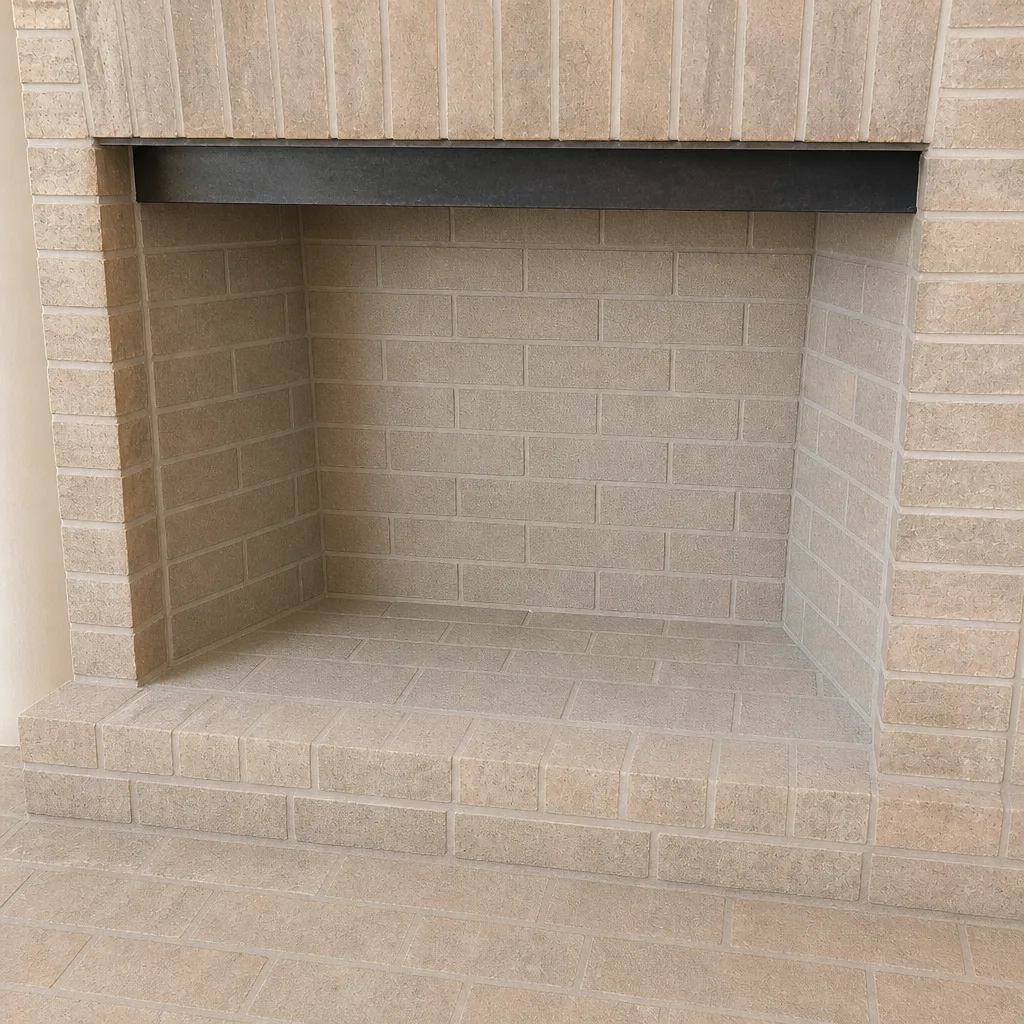
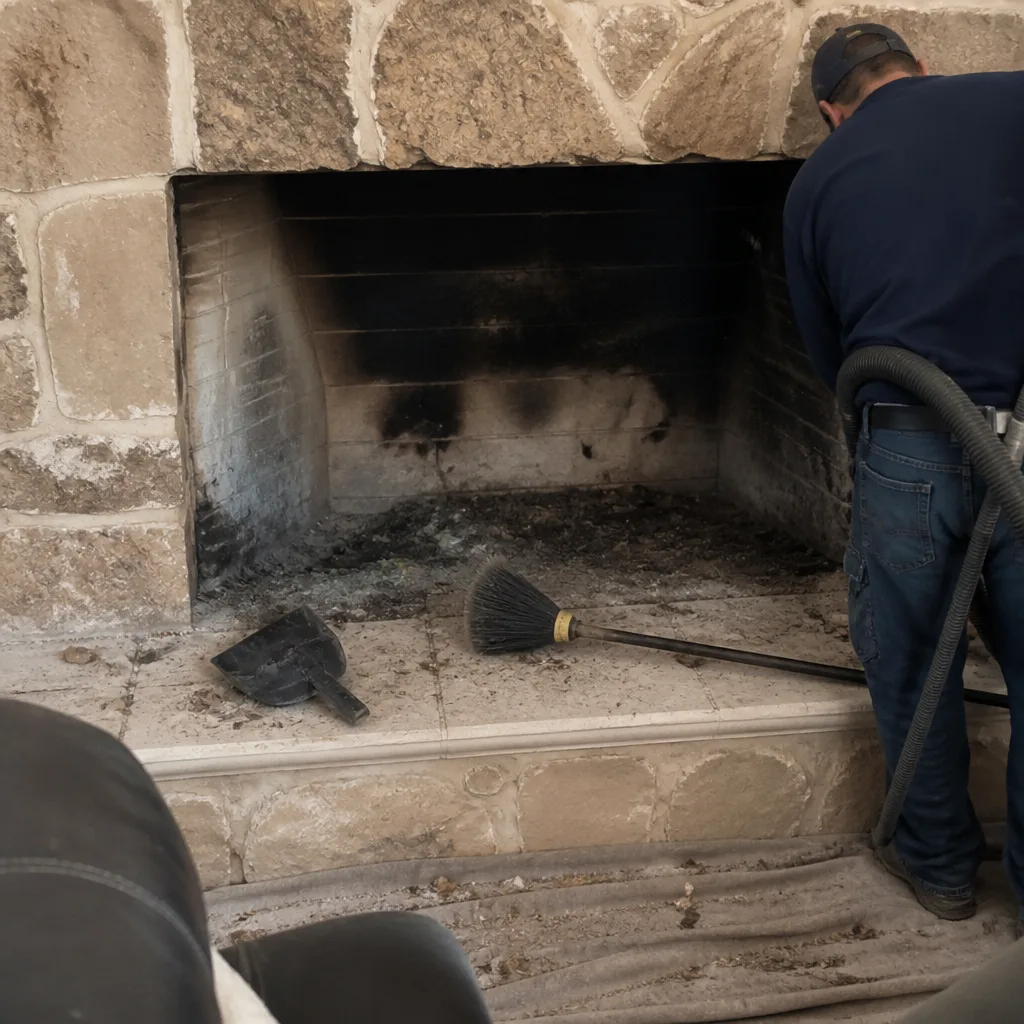
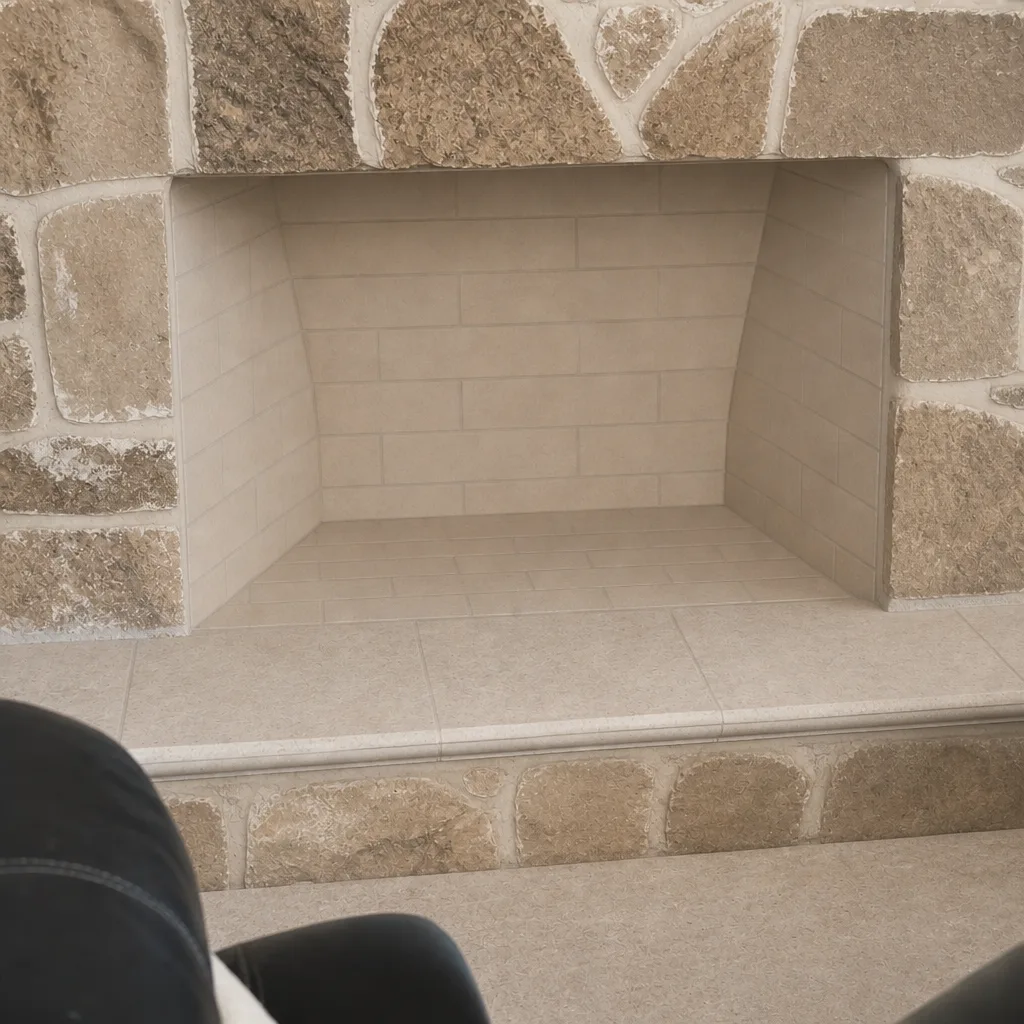
See the difference
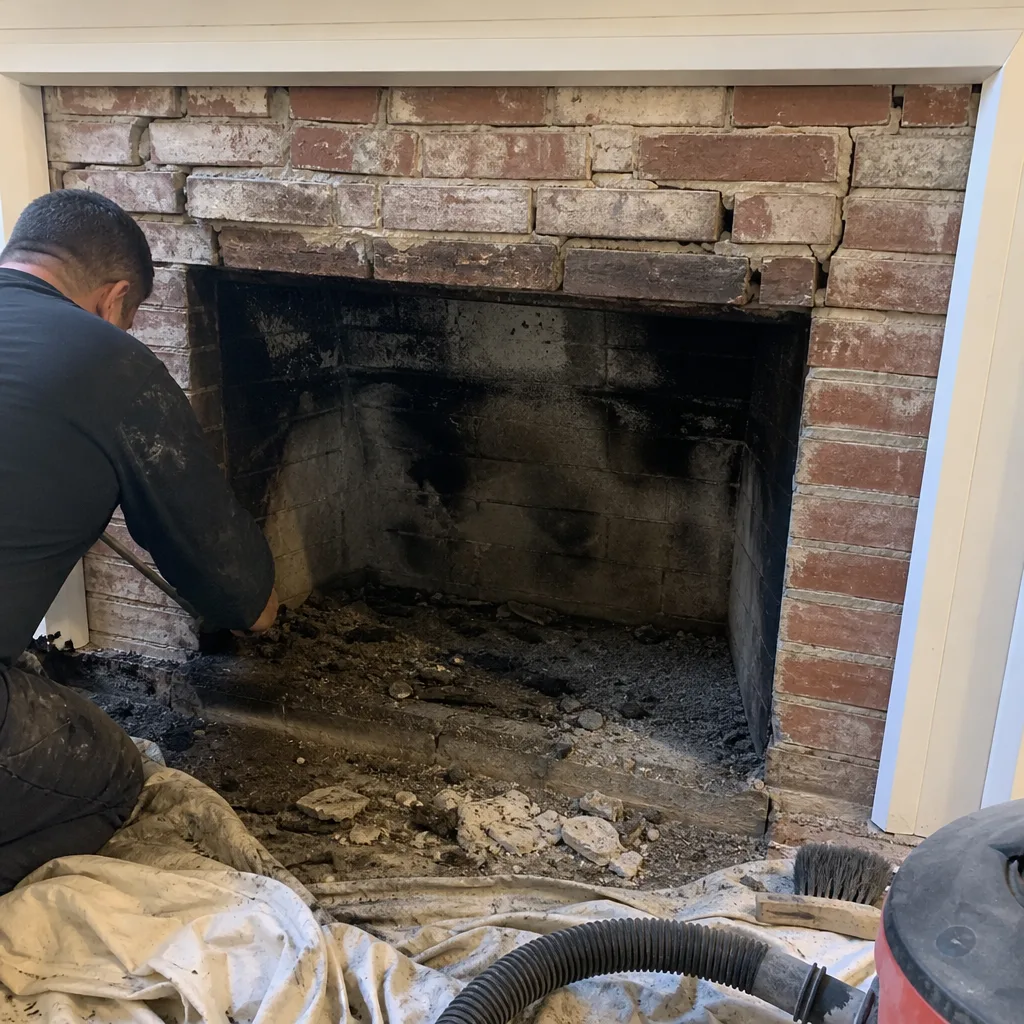 Before
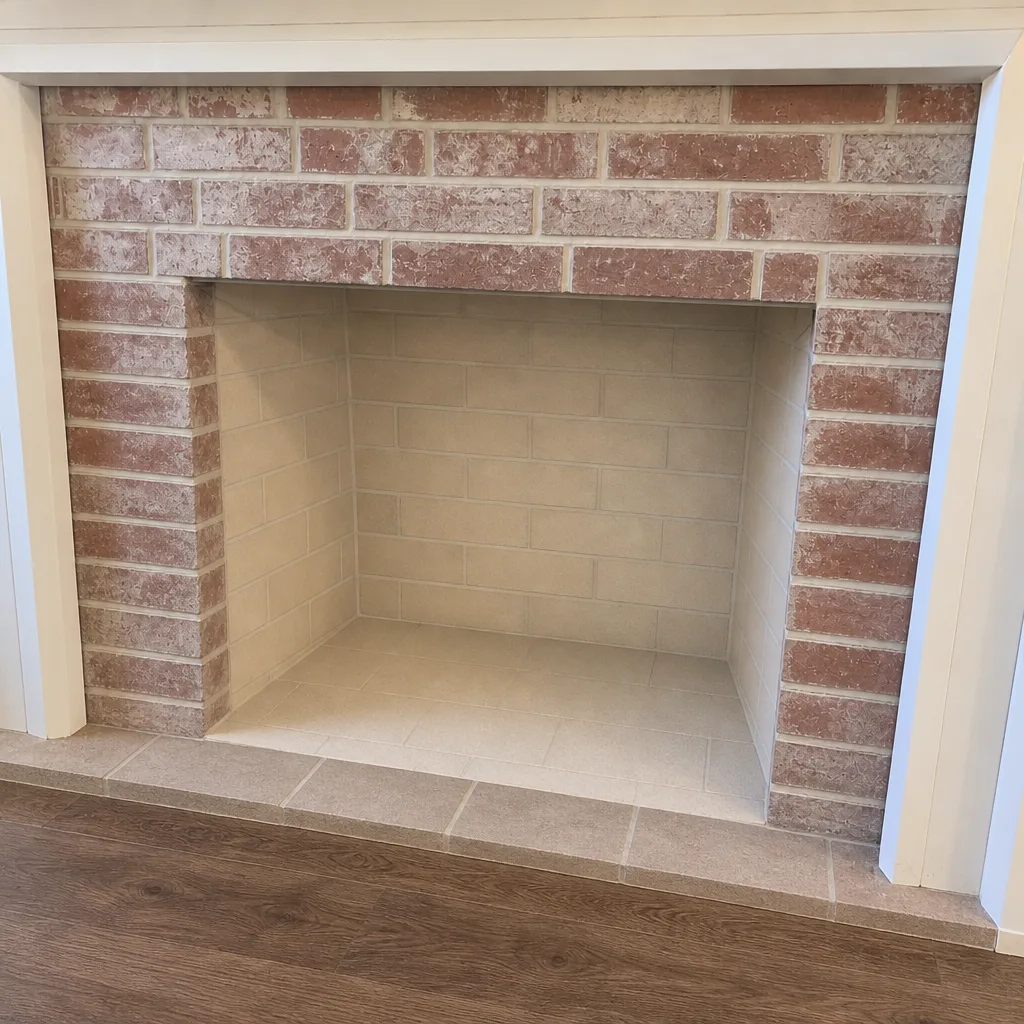 After
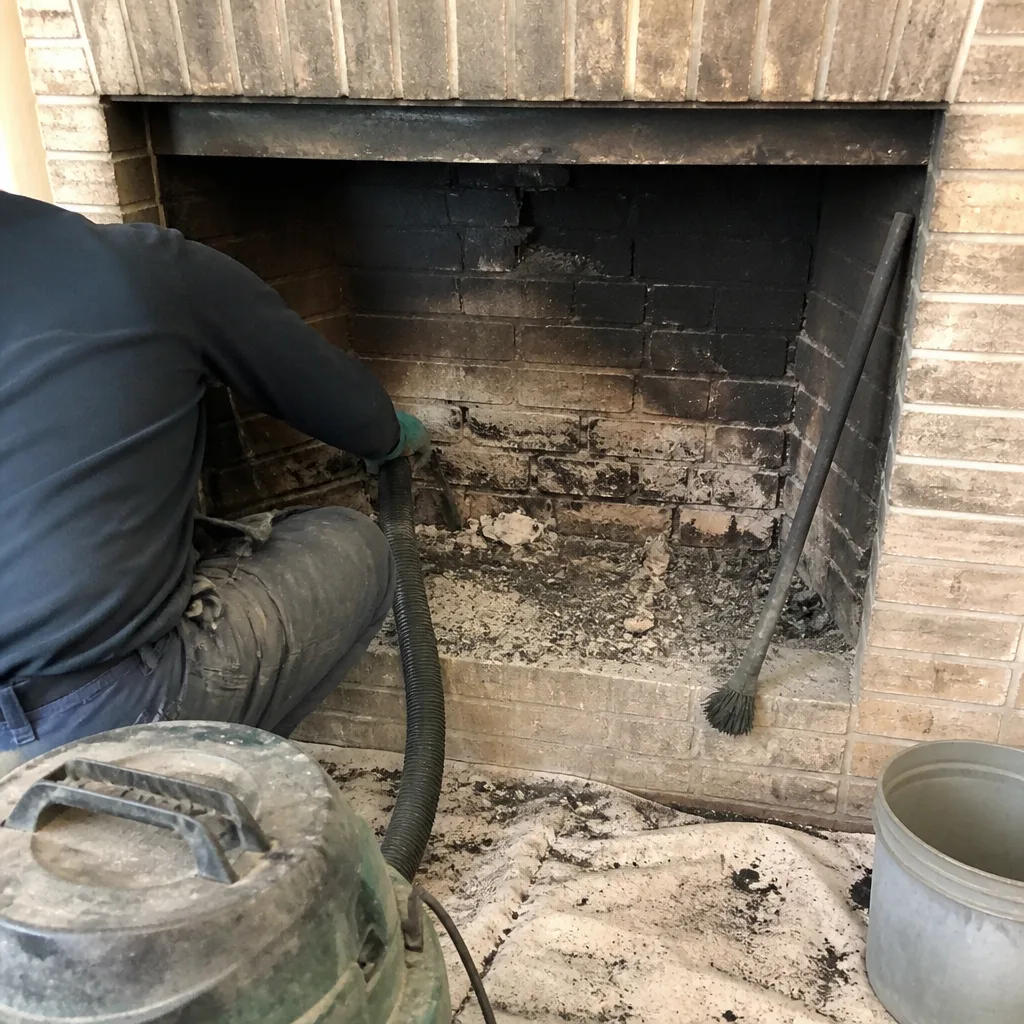 Before
 After
 Before
 After
When to Call a Professional
Some chimney work is routine. Some of it is genuinely dangerous and needs a trained professional. Call us if you’re seeing any of the following:
- A fireplace that smokes into the room, hesitates to draw, or produces a smoky smell after the fire is out.
- Visible cracks in the flue tile, firebox brick, or the crown.
- A damper that sticks, won’t close fully, or shows rust.
- Signs of water intrusion down the chimney, including stains on the ceiling or walls near the chimney.
- Birds, squirrels, or nesting material in the flue or on the cap.
- A gas fireplace or insert that won’t ignite properly, or that smells of gas.
Chimney Sweep Energy Corridor offers free estimates in Energy Corridor. We document what we find, show you the evidence, and tell you plainly when a problem can safely wait. Our technicians have up to 11 years of experience, and we work with professional-grade materials from brands including HeatShield, Gelco, Olympia Chimney, Famco, and Copperfield. Call (844) 625-7014. We answer 24/7. Fast dispatch from 7am to 7pm, Sunday through Friday.
Frequently Asked Questions
Once a year is enough for most Energy Corridor homes, because the burn season here is short and the fireplace typically sees a handful of fires per winter. If you burn heavily or notice draft problems mid-season, a second sweep may be warranted. Call (844) 625-7014 for an exact quote – estimates are free.
Yes. Energy Corridor’s long, humid off-season is when most of the damage happens, because creosote left from the burn season holds moisture against the flue and accelerates mortar deterioration. Removing it in spring and checking the crown and cap before hurricane season does more for your chimney than a pre-winter sweep alone. Call (844) 625-7014 to schedule a summer check.
Creosote builds up and can become combustible, and in this climate the deposits also hold moisture against the flue walls. A blocked or deteriorated flue can let smoke and carbon monoxide back into the house, which is why the sweep isn’t optional even with a short burn season. Call (844) 625-7014 for an inspection before you burn again.
Not always. If the flue is damaged but structurally intact, HeatShield liner resurfacing can restore it without a full reliner replacement. Whether that applies to your chimney depends on the liner’s condition, so an inspection comes first. Call (844) 625-7014 for an exact quote – estimates are free.
Spring and early summer are the quiet months in this climate, which makes them the easiest times to book a sweep or crown repair. Fall is the busy season nationally, and Energy Corridor is no exception. Call (844) 625-7014 to get on the calendar.
Often, yes. A thorough inspection shows the condition of the liner, damper, crown, and firebox, and some findings are clearly cosmetic or minor enough to defer until the next season. We document what we find and say plainly when work can safely wait. Call (844) 625-7014 for an exact quote – estimates are free.
The Bottom Line
Chimney care in Energy Corridor doesn’t follow the northern calendar. The winters are short and mild, which makes the off-season the part that matters most. Sweep in spring to clear creosote before humidity sets in, protect the crown and cap before hurricane season, inspect the flue and damper in fall, and watch for draft problems during the short burn season. Most homes here need a single annual sweep plus an inspection, but the exterior checks belong on the calendar year-round. If you’re not sure where your chimney stands, an inspection will tell you.
Ready to get started? Call (844) 625-7014 for a free estimate. We answer 24/7. Fast dispatch from 7am to 7pm, Sunday through Friday. From the flue to the crown, one company handles it.
Written by the team at Chimney Sweep Energy Corridor.