
Last updated November 24, 2026
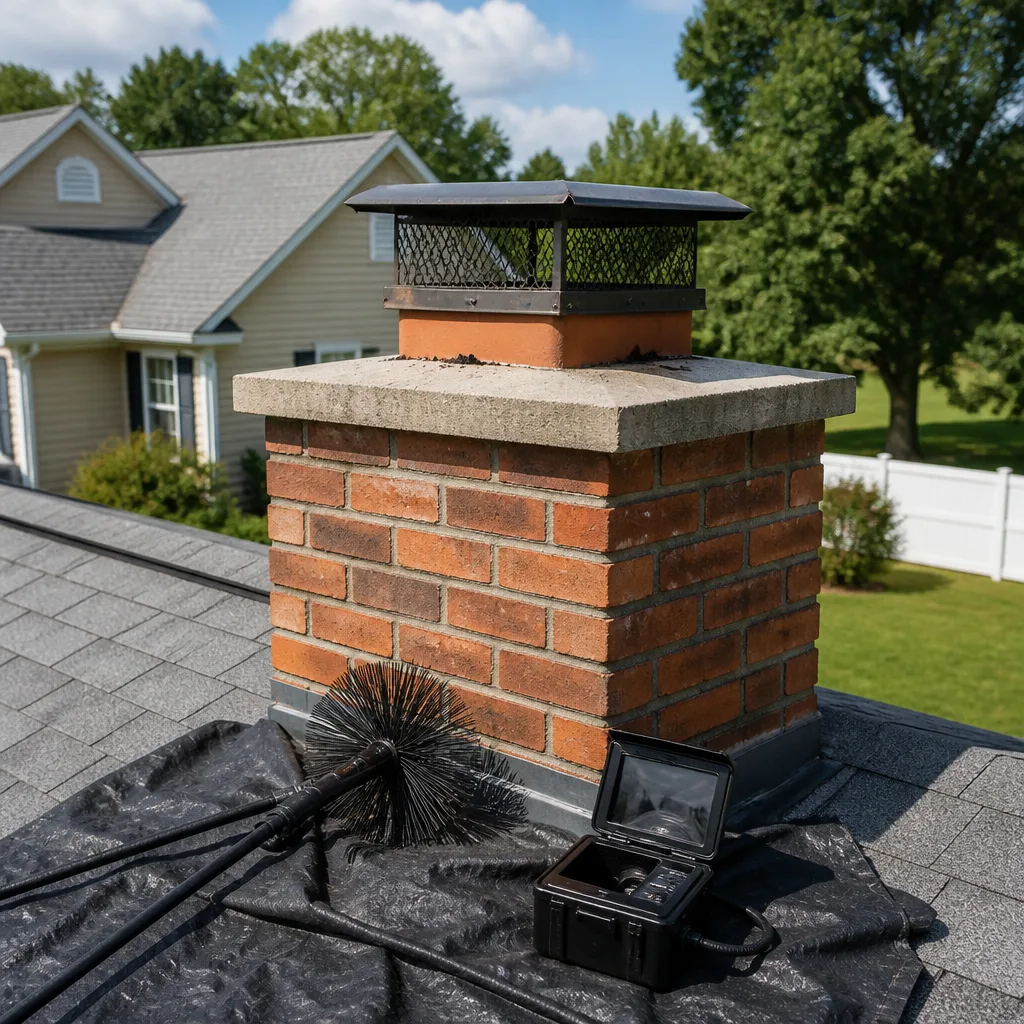 Sweep & inspection
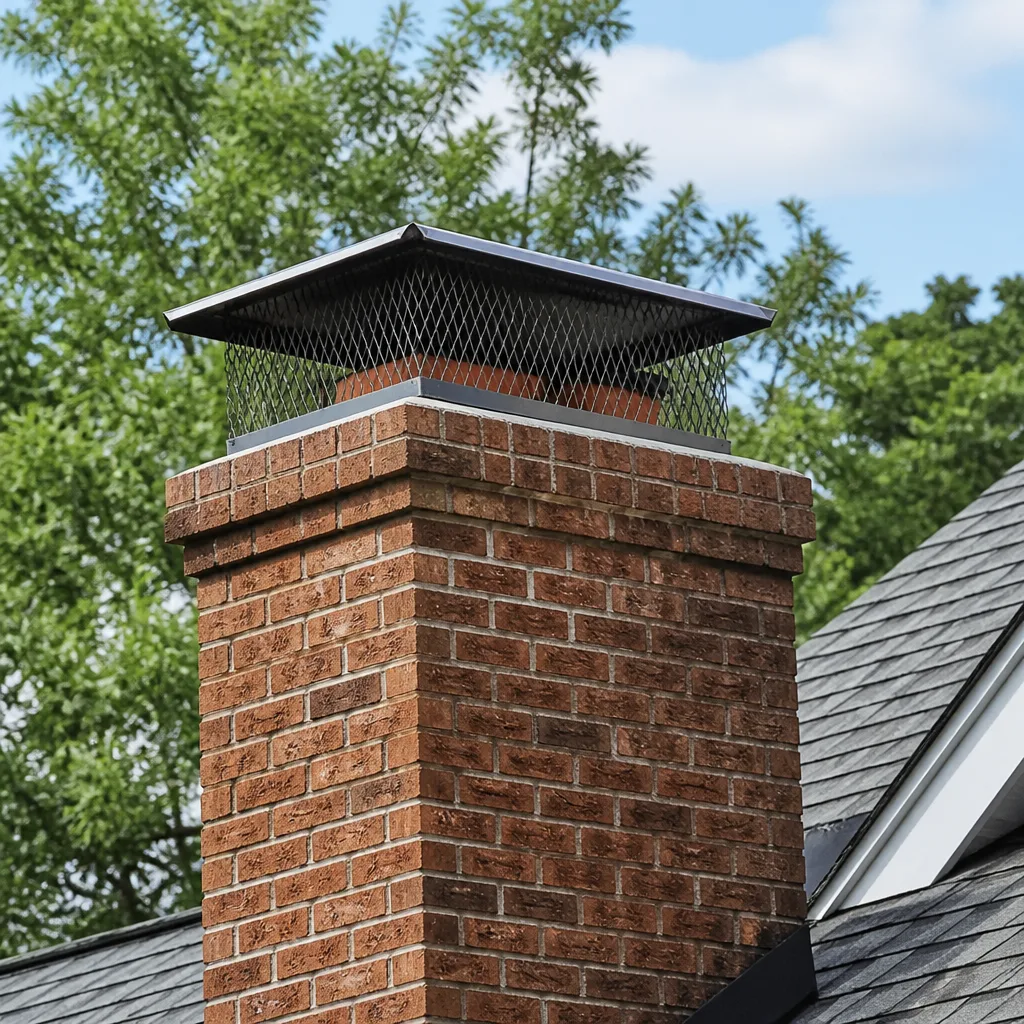 Caps & crowns
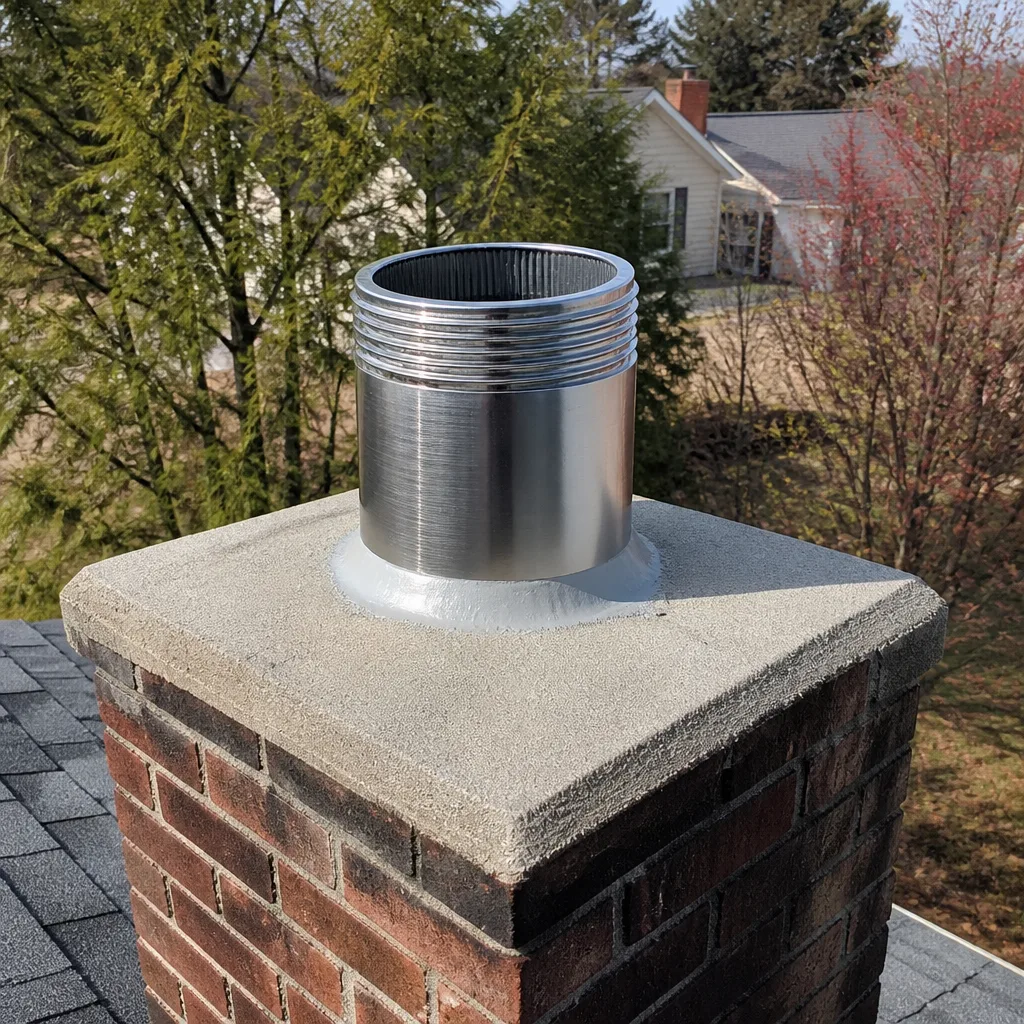 Flue relining
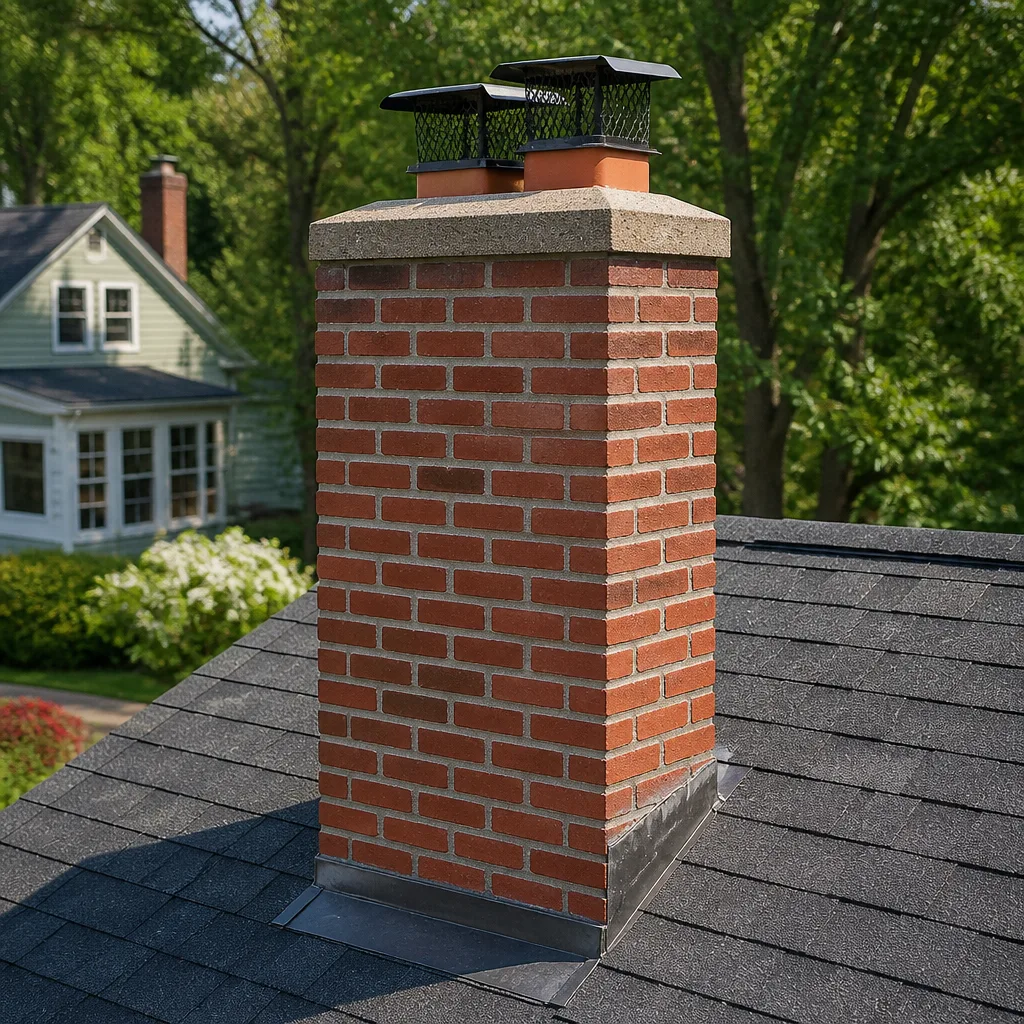 Masonry repair
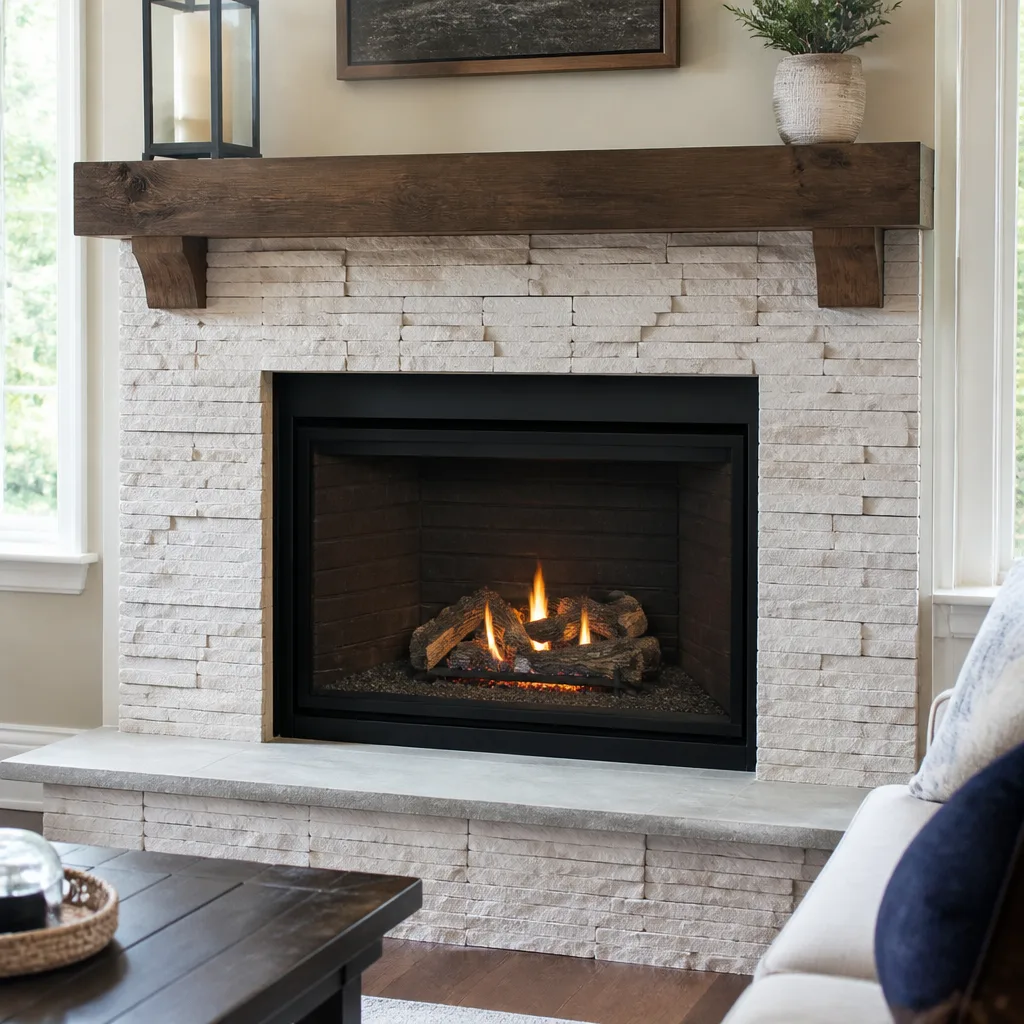 Gas fireplace service
Level 1 sweep and inspection to the NFPA 211 annual standard - flue, crown, cap, and flashing checked and photographed
Chimney sweep logs do not sweep chimneys. They loosen some creosote - which then falls where a brush and vacuum still have to collect it.
The Complete Guide to Chimney Cleaning in Energy Corridor
Most chimney fires don’t start in the middle of a cold snap. They start weeks later, quietly, after a cord of wood that wasn’t quite dry went into a firebox in a humid climate. Here in the Energy Corridor, where the air holds moisture most of the year, creosote doesn’t stage the way the national guides describe. Stage 2 glazing can build faster than a once-a-year brushing schedule anticipates. This guide is about treating the chimney as a system with local variables, not a flue you brush and forget. You’ll learn how humidity changes cleaning frequency, what each inspection level actually covers, and how to read the report a technician hands you.
Quick Answer
Chimney cleaning in Energy Corridor means more than removing soot: it’s a full-system evaluation of the flue, cap, crown, liner and smoke chamber, with sweeping frequency set by how much you burn and how wet the wood is. In this humid subtropical climate, Stage 2 creosote can form faster than a strict annual schedule expects, so many homes here need a mid-season check in addition to the yearly sweep. A proper service ends with a documented inspection so you know exactly what condition the system is in.
Styles & brands we work with
- Sweep & inspection
- Caps & crowns
- Flue relining
- Masonry repair
- Gas fireplace service
Table of Contents
- Why Energy Corridor Humidity Changes Creosote Staging
- Level 1, Level 2, and Level 3 Inspections Explained
- Do Gas Fireplace Chimneys Really Need Cleaning?
- The Full System: What Gets Assessed Beyond the Flue
- How a Professional Sweep Actually Works
- How to Read a Post-Sweep Report
- What Materials Should a Repair Recommendation Name?
- How Often Should You Schedule Service?
Why Energy Corridor Humidity Changes Creosote Staging
Creosote forms when wood smoke cools before it leaves the flue. The cooler and more moisture-laden the air, the more condensate deposits on the chimney walls. In a humid subtropical climate like Houston’s, that process runs differently than it does in a dry mountain town, and the difference matters for how often you clean.
Wood that hasn’t been properly seasoned holds water deep in the grain. When it burns, that water turns to vapor, travels up the flue, and condenses against cooler masonry. The result is a wet, sticky residue that grabs soot and hardens into the glazed Stage 2 creosote that’s hardest to remove and most flammable.
What this means practically for an Energy Corridor home:
- Wood left stacked outdoors absorbs ambient humidity between burns, even when it was dry at purchase.
- Shoulder-season burning (cool mornings, warm afternoons) produces cooler flue temperatures and more condensation.
- Stage 2 glazing can appear after fewer burns than a dry-climate homeowner would experience.
- A single cord of unseasoned wood can be enough to accelerate the staging timeline noticeably.
The takeaway isn’t that you need to burn less. It’s that the calendar isn’t the best measure of when to clean. The measure is what’s actually on the flue walls. That’s why a professional sweep, with a camera and a trained eye, beats a fixed anniversary date. Our technicians have up to 11 years of experience reading exactly this kind of buildup in Gulf Coast conditions.
Level 1, Level 2, and Level 3 Inspections Explained
Not every inspection is the same. The industry standard, NFPA 211, defines three levels, and which one you need depends on what’s changing with the system. Knowing the difference keeps you from paying for more than you need, or less than the situation calls for.
Level 1 Inspection
A Level 1 inspection covers the readily accessible portions of the chimney and fireplace: the firebox, damper, smoke chamber, accessible flue, and the exterior cap and crown from ground level or a ladder. It’s the baseline check that accompanies a routine annual sweep when nothing about the system has changed. If you’ve been burning the same appliance in the same way, this is usually the right level.
Level 2 Inspection
A Level 2 inspection goes further. It includes everything in a Level 1 plus a video camera scan of the entire flue interior, and it’s required whenever the system has changed: a new appliance, a fuel-type change, a chimney that’s been through a chimney fire or seismic event, or a property sale. The camera reveals cracks, gaps in the liner, and offset joints that a visual check from the firebox can’t reach. For an Energy Corridor home that’s just changed hands, a Level 2 is the standard.
Level 3 Inspection
A Level 3 inspection is diagnostic and may involve removing parts of the chimney or adjacent structure to access concealed areas. It’s used when a Level 1 or 2 reveals a problem that can’t be fully assessed otherwise. It’s rare, and it’s never the first step.
A quality chimney sweep tells you which level applies and why before any work begins. If a technician can’t explain the reasoning, ask again.
Do Gas Fireplace Chimneys Really Need Cleaning?
Yes. A gas fireplace burns cleaner than wood, but “clean burn” doesn’t mean no residue. Gas appliances produce water vapor and trace byproducts, and in a humid climate that moisture has nowhere to go but against the interior of the vent. The result is a different kind of buildup than wood soot, but buildup nonetheless.
What accumulates in a gas vent over time:
- Water vapor that condenses on cooler vent surfaces and can promote corrosion of metal liners.
- Dust, lint, and pet hair drawn in with combustion air and deposited on the vent walls.
- Small amounts of residue from the combustion process that collect at joints and terminations.
There’s also the structural angle. Gas vents and the caps over them are exposed to the same weather and the same insect and bird activity as wood chimneys. A nest or a failed cap can obstruct a gas vent just as easily, and a blocked vent on a gas appliance is a carbon monoxide concern, not just an efficiency one. That’s why a gas insert should still be on a regular inspection schedule, even if the sweep itself looks different from a wood-burning job.
If we find something during a gas-appliance inspection, one company handles the resolution, from cap replacement to liner work, without handing you off to someone else.
The Full System: What Gets Assessed Beyond the Flue
The flue is the part everyone thinks of, but it’s one component of a system. A thorough service checks each piece, because a failure anywhere in the chain affects how the whole thing performs. This is the “from the flue to the crown” scope, and it’s why a generalist sweep and a full-system specialist see different things.
Crown
The crown is the concrete or masonry surface at the top of the chimney that sheds water away from the flue. A cracked crown lets water into the chimney structure, where it degrades mortar and can reach the interior. Crown condition is assessed in every full-system service.
Cap
The cap is the cover over the flue opening. It keeps out rain, animals, and debris, and a proper cap with mesh also serves as a spark arrestor. A missing or damaged cap is one of the most common sources of water intrusion, and it’s addressed as part of chimney cap & crown work. If we find a cap problem, we fix it in the same visit rather than sending you elsewhere.
Liner
The liner protects the surrounding structure from heat and byproducts. Cracks, gaps, or deteriorated sections are a safety issue. When a liner is damaged but the flue itself is structurally intact, HeatShield resurfacing can restore it without a full reliner replacement. When a full replacement is the right call, we install DuraFlex flexible liner systems, a premium stainless product line suited to complex flue configurations. The point is that the recommendation is specified, not just “you need a liner.”
Smoke Chamber
The smoke chamber is the tapered area above the damper that funnels smoke into the flue. Its angled surfaces collect creosote and are hard to reach. It’s assessed during the sweep and inspection, and resurfacing is an option when its condition warrants.
Firebox
The firebox takes the direct heat of the fire. Cracked firebrick or deteriorated mortar is common and is a fireplace repair matter. We document its condition during the service.
How a Professional Sweep Actually Works
A professional sweep is a methodical process, not a quick brush. The steps are designed to protect your home, remove what’s actually there, and give you a documented record of the system’s condition. Here’s how a typical Energy Corridor service runs.
- Setup and protection. Drop cloths and containment go down before any equipment comes in, so soot and debris never reach your floors or furniture.
- Assessment before work. The technician inspects the firebox, damper, and accessible flue to see what kind of buildup is present and whether any condition needs to be flagged before sweeping.
- Sweeping. The flue is cleaned with the appropriate brushes and rods for the liner type, working from the bottom or top as the chimney’s configuration allows. As the work progresses, the technician can see how much Stage 1, Stage 2, or Stage 3 creosote is on the walls and adjust the approach.
- Camera inspection. A video scan of the flue interior shows the condition of the liner and any joints, cracks, or gaps. This is where a Level 2 inspection lives, and it’s where real findings come from.
- Exterior check. The cap, crown, and visible exterior are assessed from the roof or ladder, documenting condition and any water intrusion risk.
- Cleanup. Debris is removed and the workspace is left clean.
- Report. You get a written or photo report of what we found and any recommended next steps, with the reason for each recommendation.
That’s the sequence. What makes it valuable is the documentation, and the fact that findings can be resolved by the same company rather than sent off to a referral.
How to Read a Post-Sweep Report
A post-sweep report should tell you three things: what was found, what condition it’s in, and what (if anything) should be done. If a report only says “swept and inspected,” it’s not telling you enough. Here’s how to read one.
1. What was cleaned and how. The report should note the flue, smoke chamber, and firebox, and the type of creosote found. Stage 1 is soot and flaky residue; Stage 2 is hardened and glazed; Stage 3 is heavily glazed and pitted. The stage matters for how urgent the next clean is.
2. Condition of the liner. Any cracks, gaps, or deterioration should be noted, ideally with a camera image. A liner in good condition needs no work; a compromised liner needs a plan.
3. Cap and crown condition. Water intrusion risk is stated plainly. A cracked crown or missing cap is a fix, not a wait-and-see.
4. Firebox condition. Cracked firebrick or mortar should be documented with a repair recommendation.
5. Recommended next steps, with reasoning. This is the part to read closely. Any recommendation should reference the specific component and the material or method proposed. A recommendation to resurface a damaged flue should name HeatShield. A full reliner should name a system like DuraFlex. A repair that names no material is a vague recommendation, and vague is worth questioning.
If anything in the report feels unclear, ask. A good technician will walk you through the images and explain what each finding means.
What Materials Should a Repair Recommendation Name?
Material names are a content check. A recommendation that specifies materials is one that shows trade-level knowledge, and it’s one you can verify. Here’s what should appear, and why it matters.
- HeatShield for liner resurfacing. HeatShield is a specialized ceramic-based material applied to resurface a damaged but structurally intact flue. It’s an alternative to full relining in the right situation, and it’s a capability most general sweep companies don’t offer.
- DuraFlex for full reliner work. When the flue needs a full replacement liner, a flexible stainless system like DuraFlex is the right tool for complex configurations. A recommendation should name it.
- Olympia Chimney for caps and venting components. A professional-grade cap system, not a hardware-store cover, is what keeps water and animals out long term.
- Famco for firebox and structural repair materials. When the firebox or surrounding masonry needs repair, the material matters.
- Copperfield for chimney components. A recognized chimney-industry brand for the specific parts that need replacement.
We work with these brands because they’re used by professional chimney contractors nationwide, and because a recommendation that names them is a recommendation you can actually evaluate. When we document what we find, the material name is the proof that the recommendation is specific to your system rather than a general upsell.
How Often Should You Schedule Service?
The national rule of thumb is an annual sweep, but in the Energy Corridor the schedule deserves a second look. The humidity-driven staging we described earlier means buildup can move faster than a strict yearly cadence accounts for. Here’s a practical framework.
- Regular wood burning (most weeks in season): annual sweep plus a mid-season check in humid conditions.
- Occasional wood burning: annual sweep, with a camera check to confirm buildup hasn’t accelerated.
- Gas fireplace or insert: annual inspection, since gas appliances still accumulate residue and need venting verified.
- New to you home: a Level 2 inspection before first use, regardless of what the seller said.
- After any chimney fire or unusual event: a Level 2 inspection before lighting again.
The safest guide is the report, not the calendar. If the last camera scan showed Stage 2 glazing, your next clean is sooner than twelve months. If it showed light, flaky soot, you have more room. That’s the difference a documented inspection makes, and it’s why we push for the camera scan every time.
Common Mistakes to Avoid
- Following the annual calendar blindly. In this humid climate, Stage 2 glazing can form faster than a twelve-month schedule anticipates. Let the camera scan set the schedule.
- Burning unseasoned wood because it’s what’s on hand. Wet wood produces more water vapor and more condensation, and it’s the single biggest accelerant of creosote staging in a humid market.
- Skipping the gas appliance. Assuming a gas fireplace “doesn’t need cleaning” leaves venting and carbon monoxide risk unchecked. Gas systems need annual inspection too.
- Accepting a vague repair recommendation. A recommendation that doesn’t name the component and the material is a recommendation worth questioning. Ask for the camera image and the product name.
- Ignoring the cap and crown. Water intrusion from a failed cap or cracked crown causes structural damage over time. It’s a fix, not a delay.
- Skipping the inspection on a newly purchased home. A Level 2 inspection before first use is the standard, and it’s cheap protection against unknown condition.
- Hiring a sweep without a documented report. A service that doesn’t leave you with a record of what was found can’t inform the next decision.
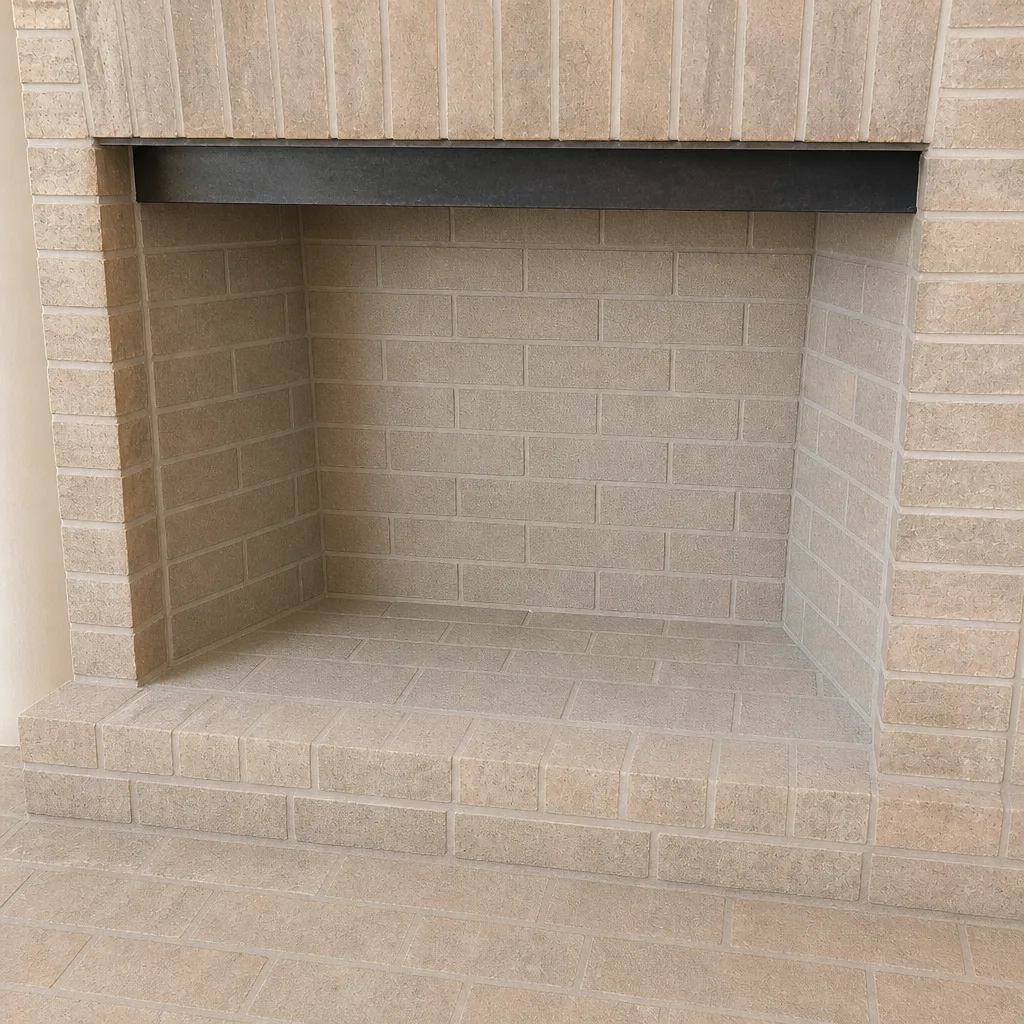
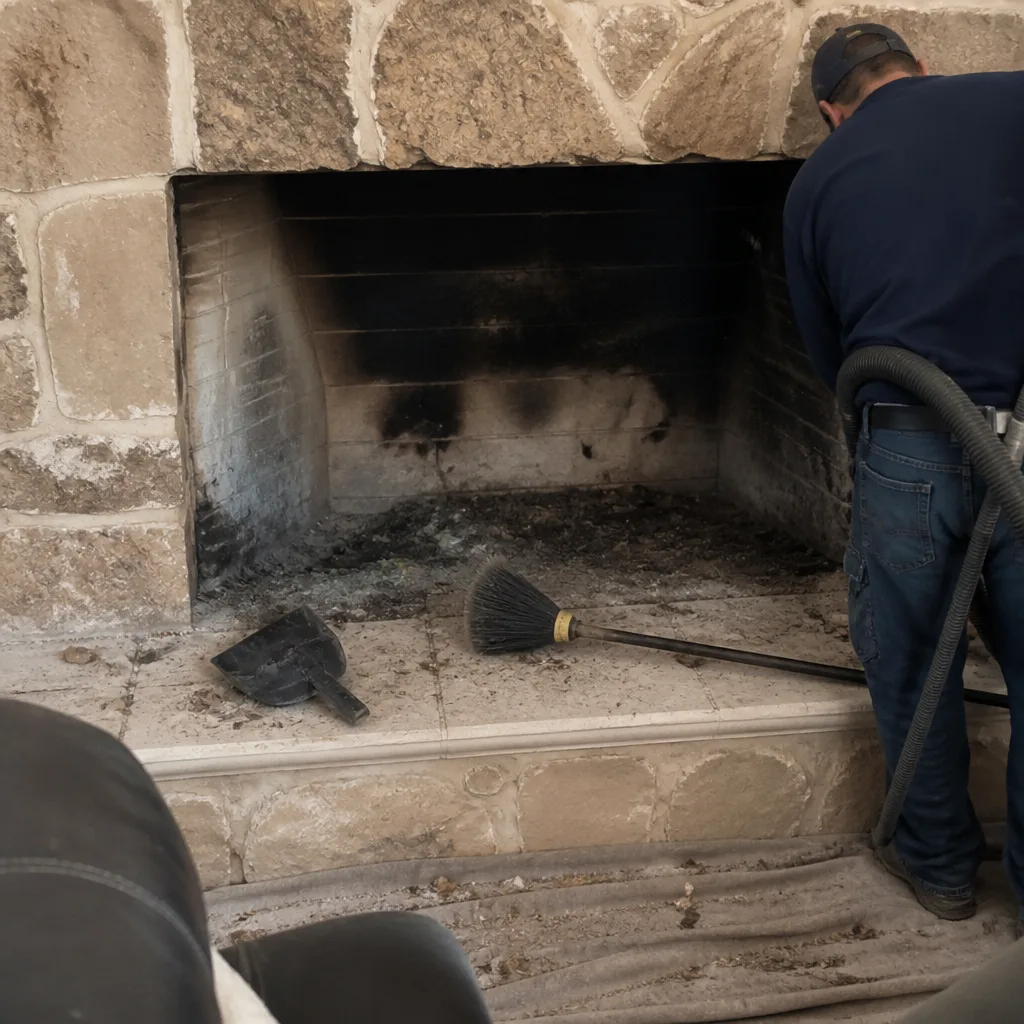
See the difference
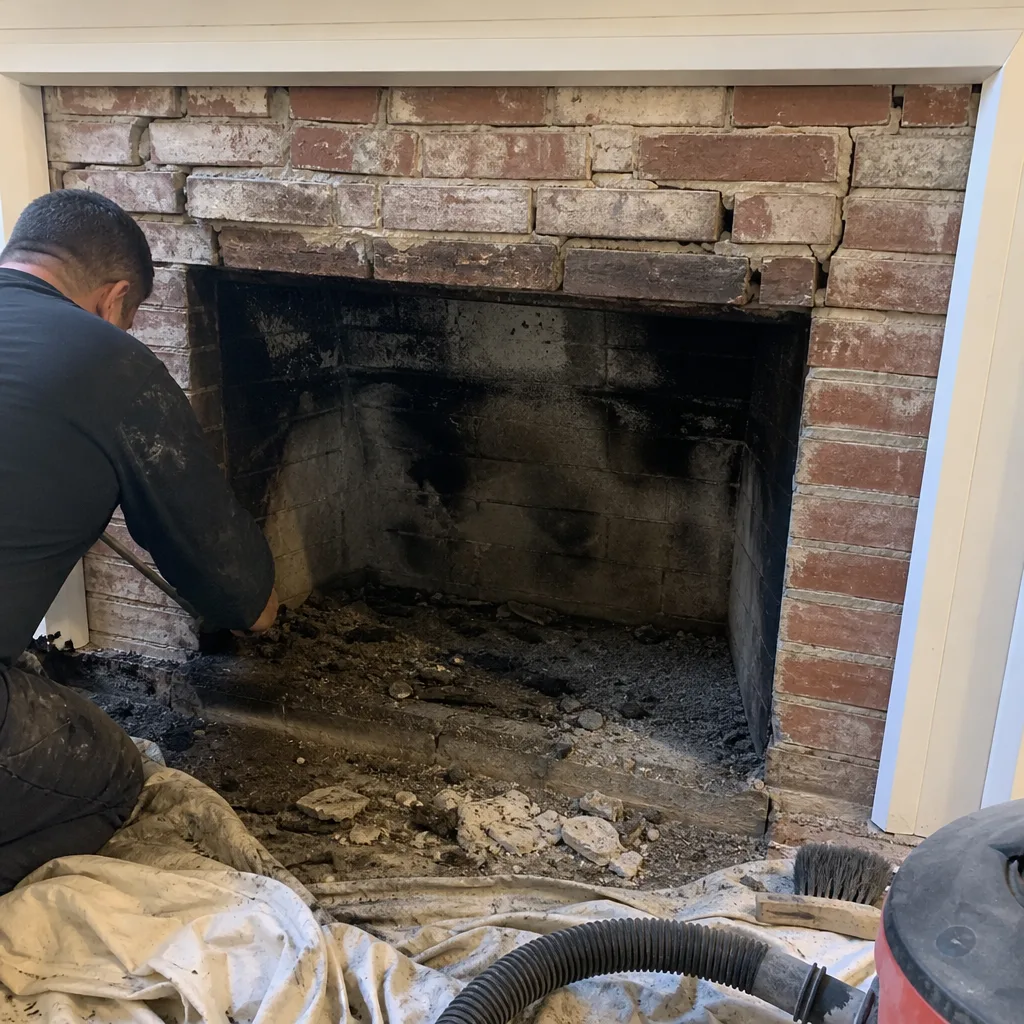 Before
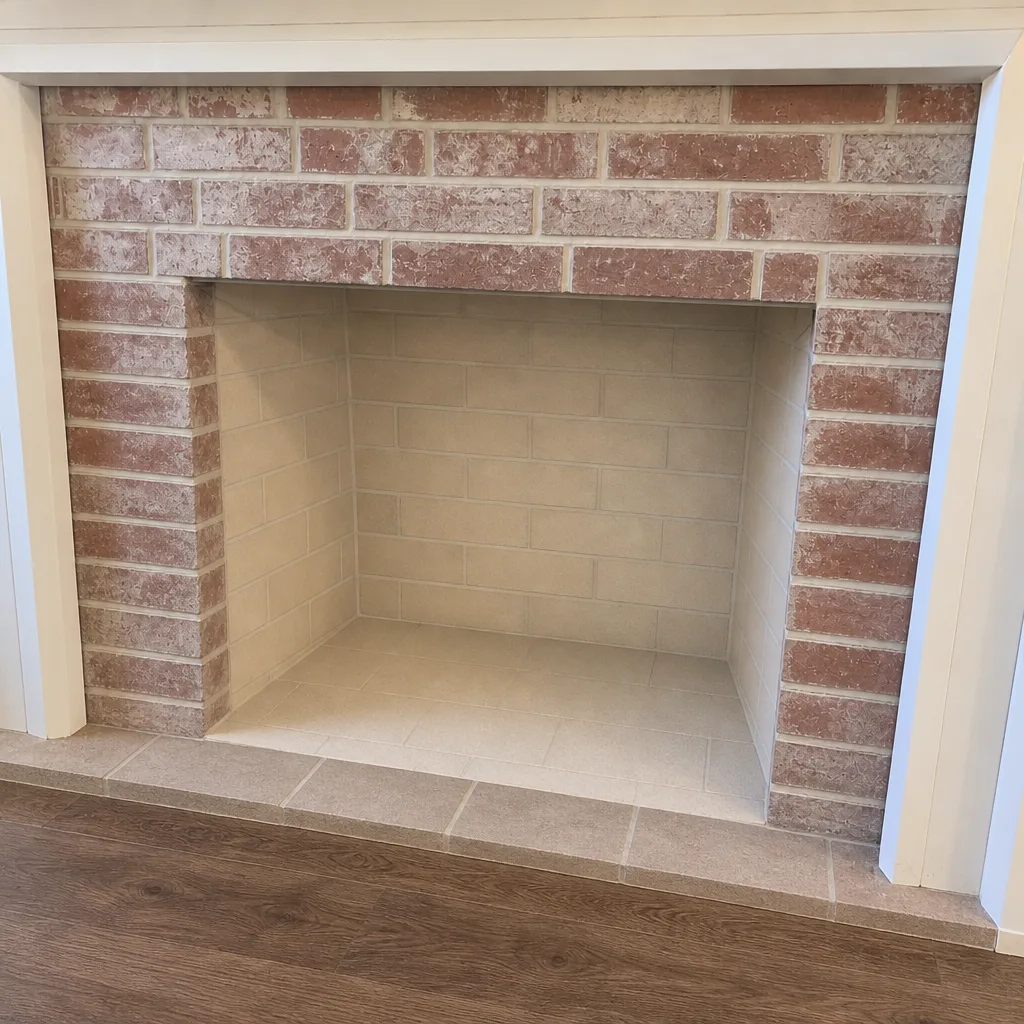 After
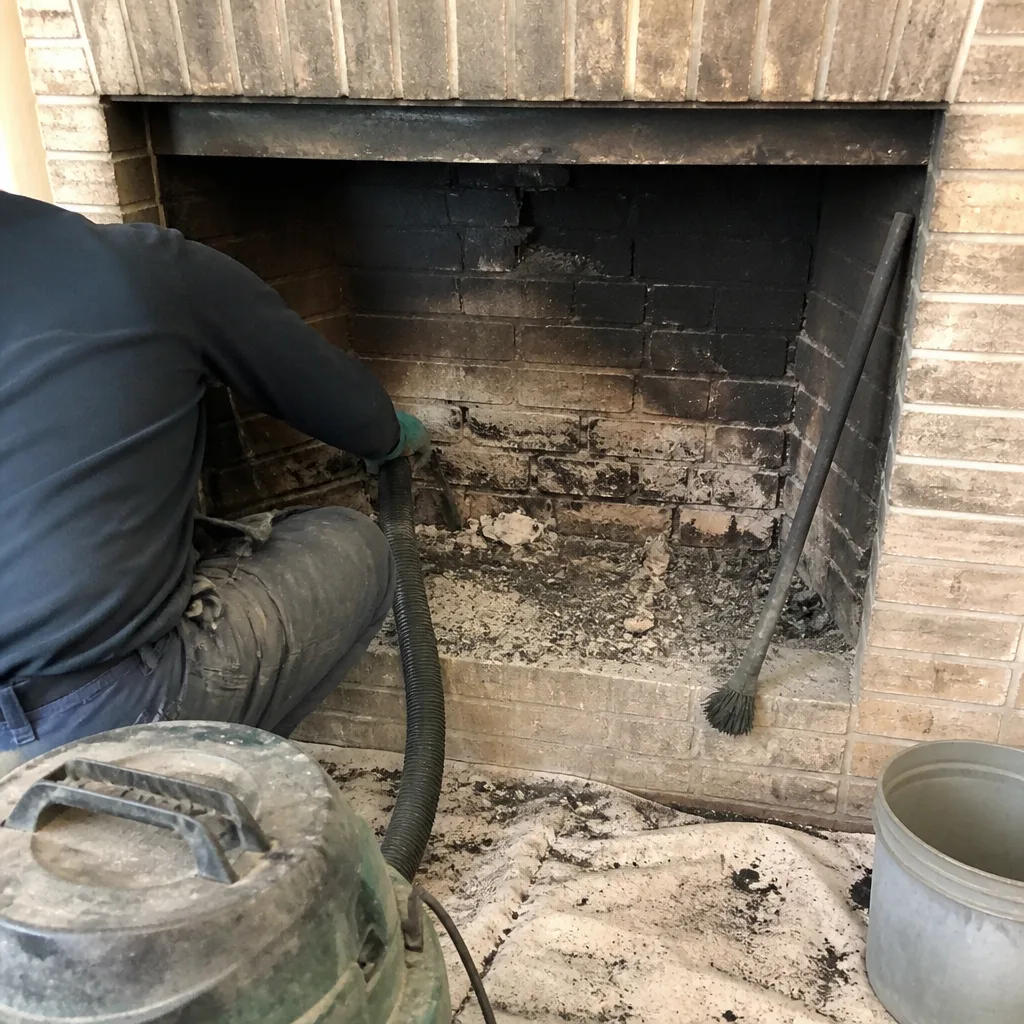 Before
 After
 Before
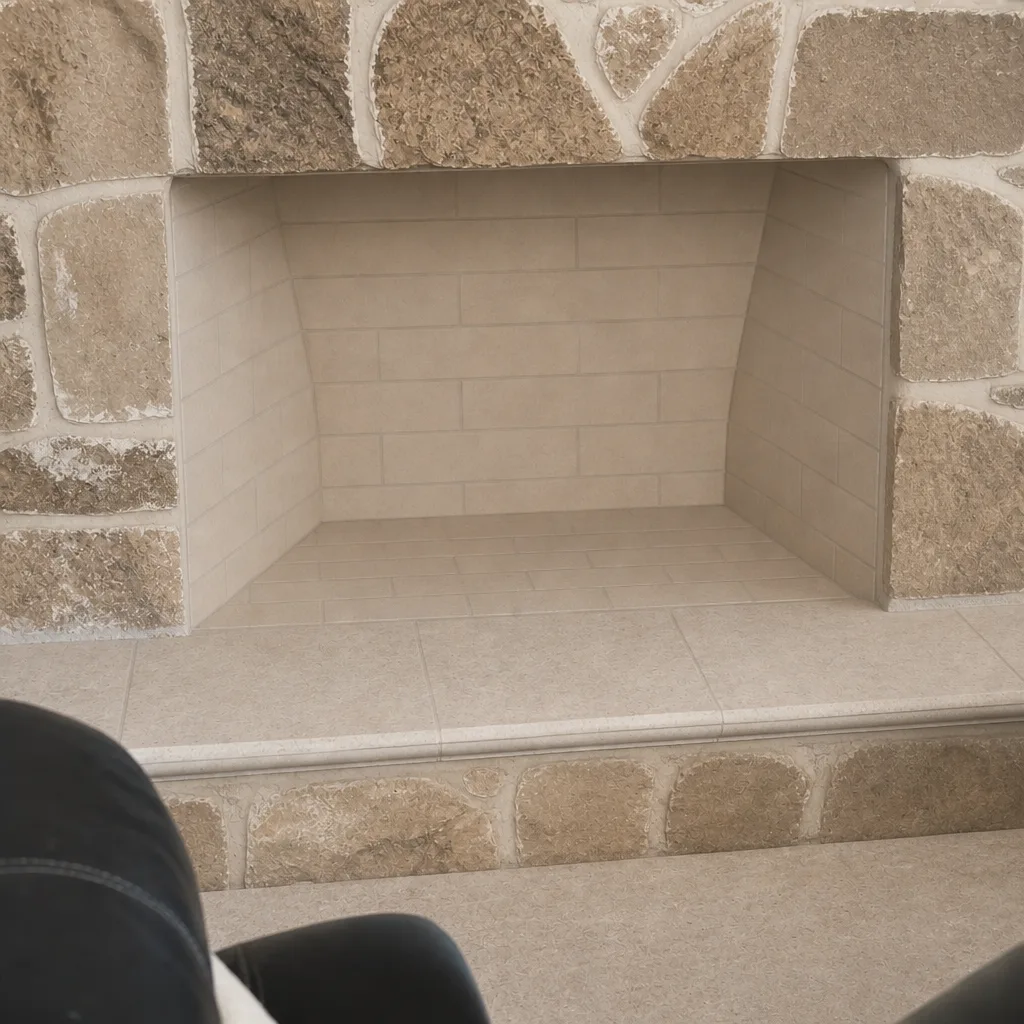 After
When to Call a Professional
Some conditions are routine maintenance and some call for a trained eye now. Call a professional if you smell smoke in the room when the fire is burning, if the fire is hard to start or smoky, if you see cracked or missing firebrick, if the cap is missing or damaged, if you’ve had a chimney fire, or if you’ve just bought the home and the system’s history is unknown. Call before the first burn of the season if it’s been more than a year, and call sooner if a camera scan last time showed heavy buildup. Chimney Sweep Energy Corridor offers free estimates in Energy Corridor. Call (844) 625-7014 to book a documented sweep and inspection. We answer 24/7. Fast dispatch from 7am to 7pm, Sunday through Friday.
Frequently Asked Questions
Chimney cleaning in Energy Corridor is priced per job by a written estimate, so the range depends on your system’s configuration and the buildup present, and the written estimate sets the final price. The estimate is free, and the recommendation is documented so you can see what you’re paying for. Call (844) 625-7014 for an exact quote.
Only if the camera scan shows the liner is compromised. If the flue is structurally intact and the liner is damaged but not failed, HeatShield resurfacing can restore it without full replacement, which is a capability most basic sweep companies don’t offer. We document what we find so the decision is based on images, not a guess. Call (844) 625-7014 for an assessment.
Annual sweeping is the baseline, but in this humid climate Stage 2 creosote can form faster than a twelve-month schedule anticipates, so many homes benefit from a mid-season check. The camera scan sets the actual interval. Call (844) 625-7014 to book a sweep and inspection.
Skipped cleaning lets creosote accumulate past the safe threshold, which raises the risk of a chimney fire and can also lead to moisture damage to the crown, cap, and surrounding masonry over time. The first sign is often a report finding, not a fire, which is why the inspection matters. Call (844) 625-7014 for a documented check before the season starts.
A Level 1 is the routine check when nothing has changed, a Level 2 adds a full video scan and is required after a change (new appliance, sale of the home, chimney fire, or fuel change), and a Level 3 is a diagnostic step used only when a concealed problem needs to be reached. We tell you which level applies and why before work begins. Call (844) 625-7014 to schedule.
Yes. Gas appliances still produce water vapor and residue, and in a humid climate that moisture can condense on vent surfaces and promote corrosion, plus dust and debris can obstruct the vent. Annual inspection is the standard, and we can check it during a routine visit. Call (844) 625-7014.
The Bottom Line
Chimney cleaning in Energy Corridor is a system evaluation, not a brushing. Humidity changes how creosote stages, the inspection level changes what gets found, and the report changes what you decide to do. The camera scan is the difference between a calendar guess and a documented condition. We handle the full range, from routine chimney sweep in Energy Corridor visits through liner resurfacing with HeatShield and full reliner work with DuraFlex, so findings have a resolution without a referral runaround. If you’re ready to see the condition of your system for yourself, call us and we’ll book a written estimate. And if you’re not sure whether now is the time, call anyway and we’ll help you read the signs.
Call (844) 625-7014. We answer 24/7. Fast dispatch from 7am to 7pm, Sunday through Friday.
Written by the team at Chimney Sweep Energy Corridor.