
Last updated November 24, 2026
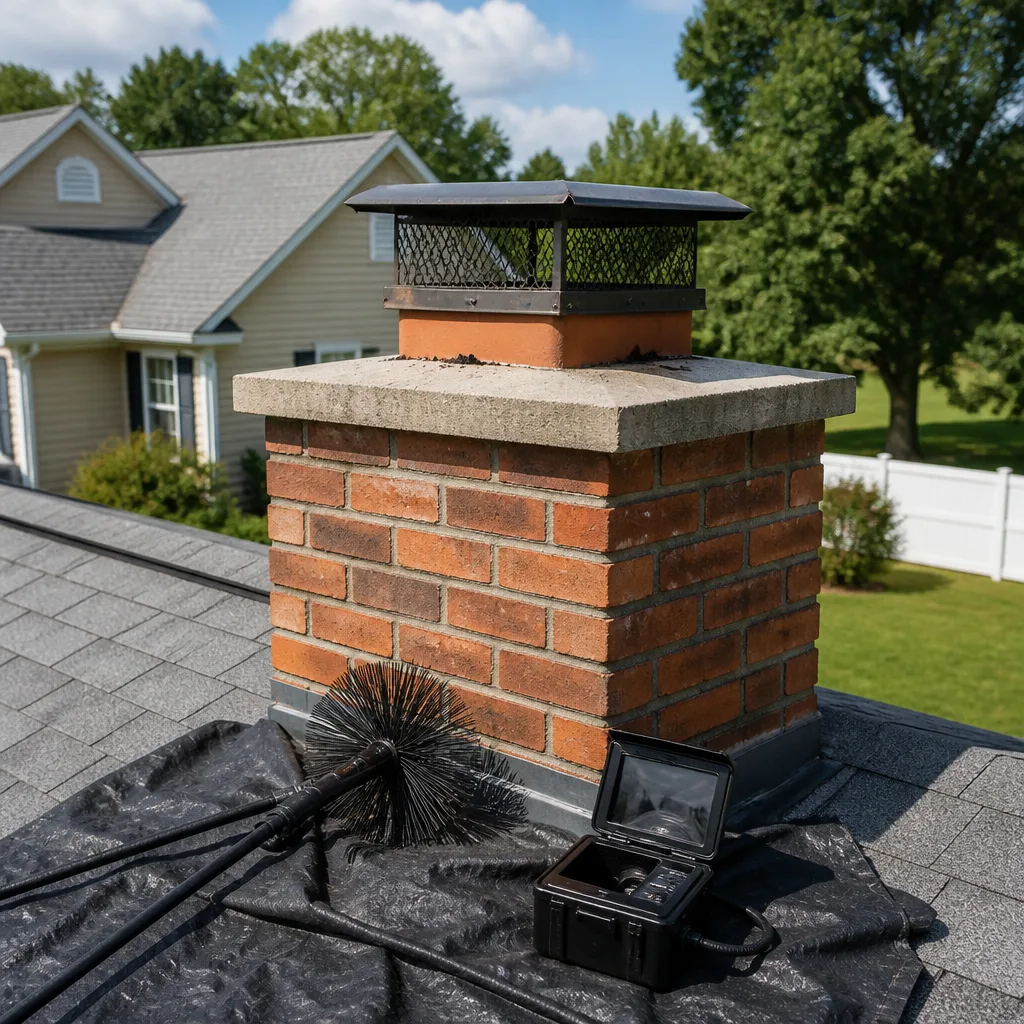 Sweep & inspection
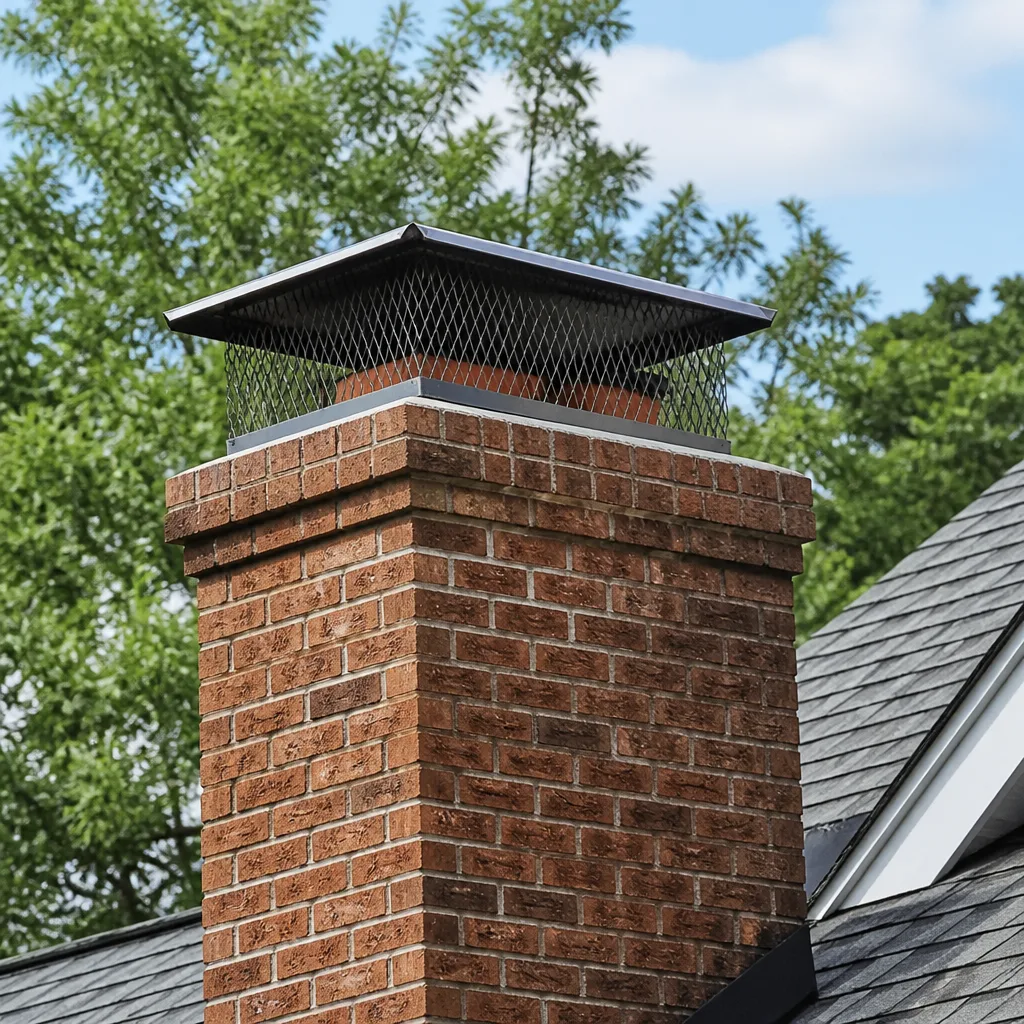 Caps & crowns
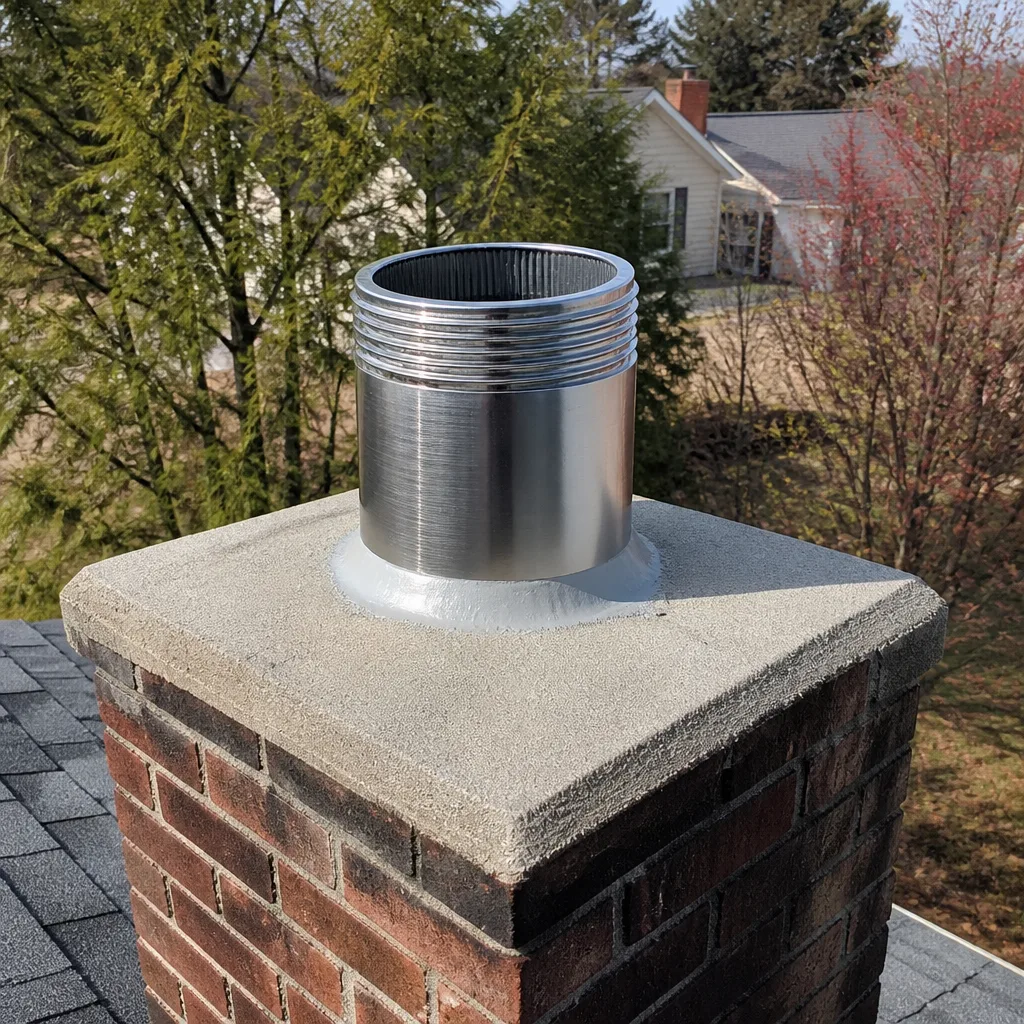 Flue relining
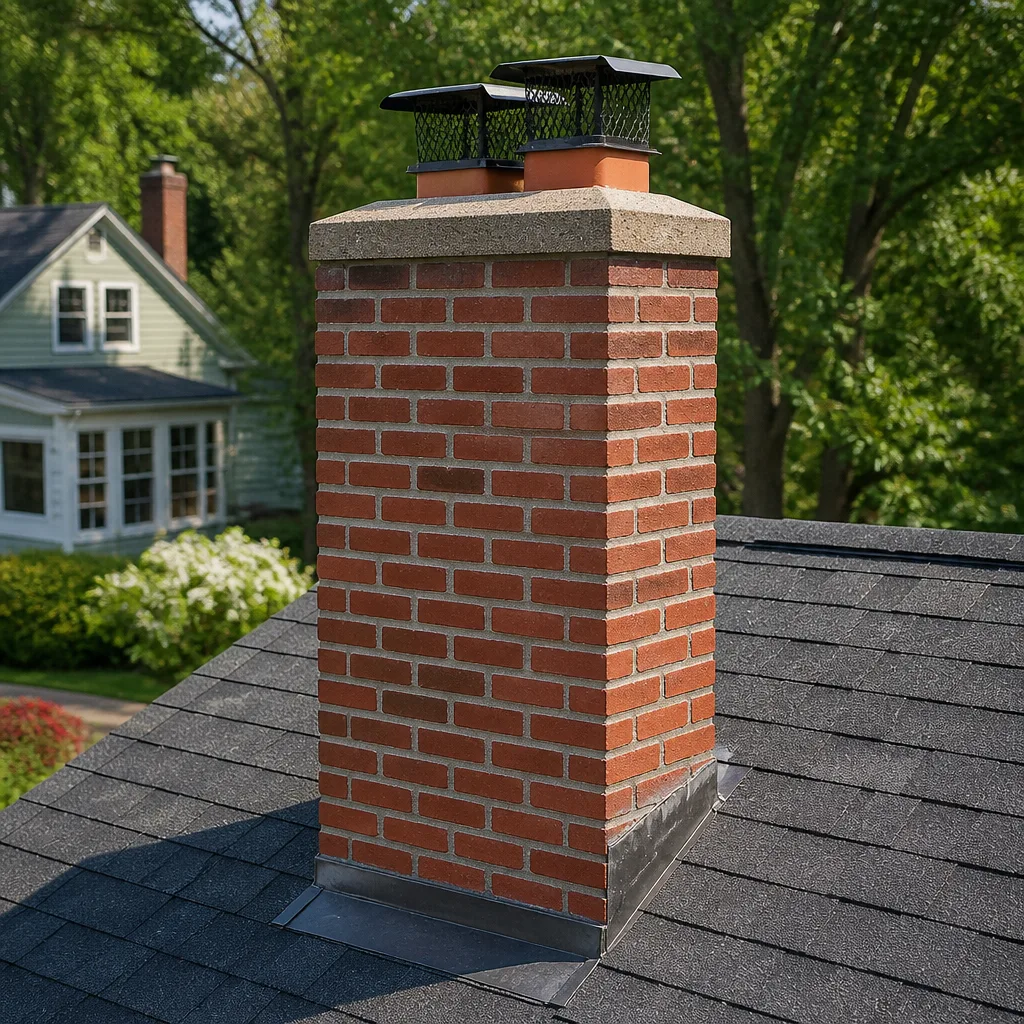 Masonry repair
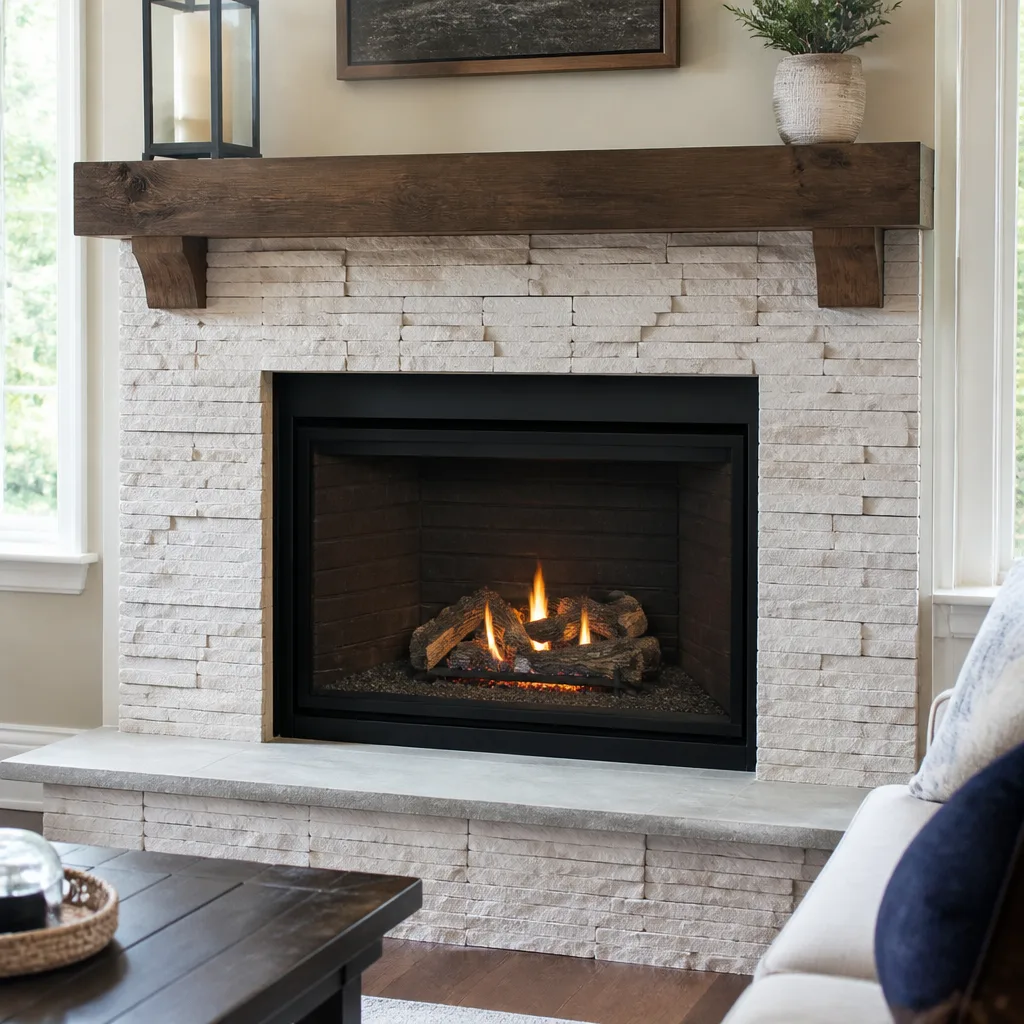 Gas fireplace service
Level 1 sweep and inspection to the NFPA 211 annual standard - flue, crown, cap, and flashing checked and photographed
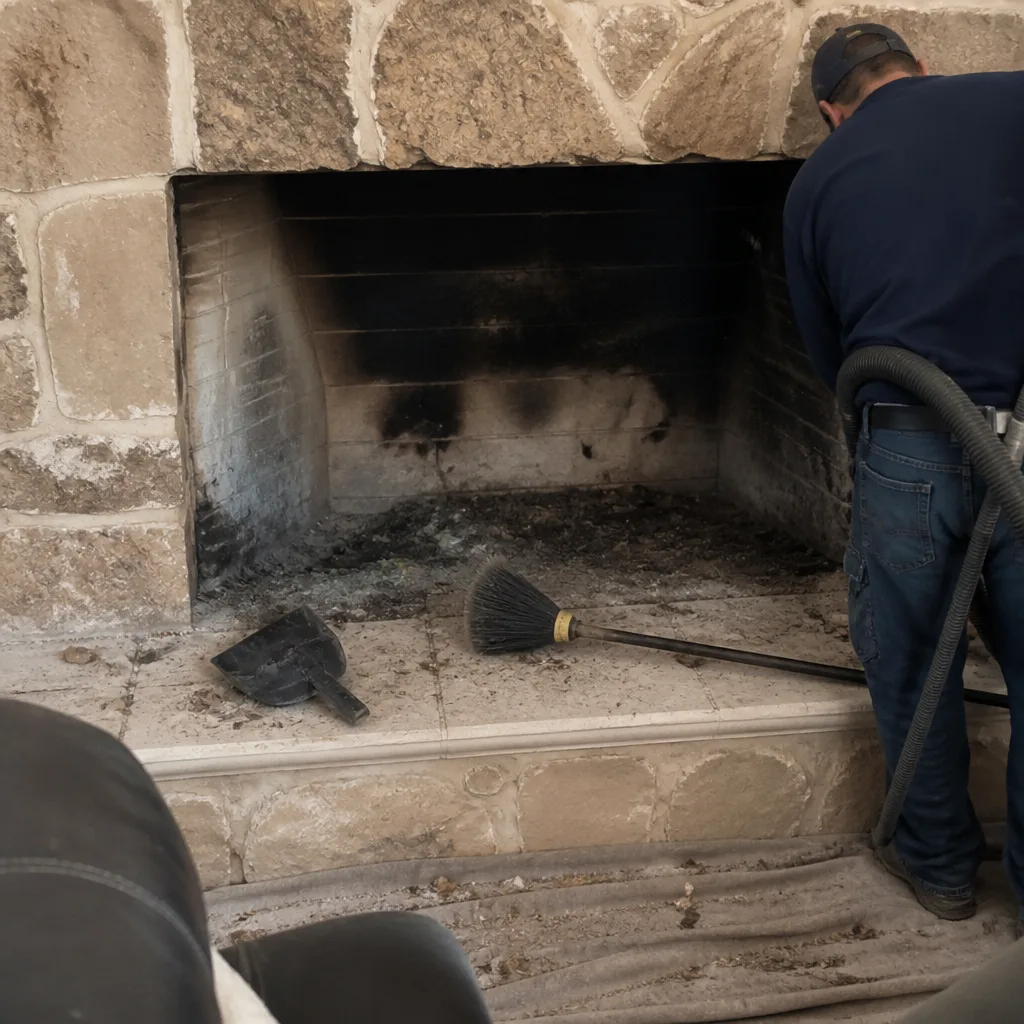
Chimney sweep logs do not sweep chimneys. They loosen some creosote - which then falls where a brush and vacuum still have to collect it.
Chimney Sweep Maintenance Schedule: What to Do and When
The most common mistake we see in Energy Corridor chimney maintenance isn’t neglect of a wood fire. It’s the assumption that a gas fireplace needs no schedule at all. Homeowners who switched to gas logs years ago often stopped booking inspections because “nothing burns,” and that reasoning is exactly backwards. Gas appliances produce water vapor and sulfur compounds, and in a humid climate those byproducts sit against a stainless liner and work on it year-round. Wood smoke does its damage in winter; gas corrosion doesn’t take a season off. What follows is a maintenance calendar built around fuel type, usage, and Gulf weather rather than a generic “call us once a year” line.
Quick Answer
Wood-burning chimneys need a sweep and inspection every year, or sooner once creosote builds past the point a camera shows it’s safe. Gas-log and decorative gas fireplaces still need an annual inspection even though nothing visible burns, because moisture and sulfur compounds corrode liners without producing obvious soot. Build the schedule around three fixed points: a pre-fall inspection before the first burn, a cap and crown check after any Gulf storm, and a summer interior check if you smell anything damp or sour.
Styles & brands we work with
- Sweep & inspection
- Caps & crowns
- Flue relining
- Masonry repair
- Gas fireplace service
Table of Contents
- Why One Schedule Doesn’t Fit Every Chimney
- The Energy Corridor Chimney Calendar, Month by Month
- Inspection Intervals by Fuel Type
- How Usage Frequency Changes Creosote Accumulation
- What a Level 2 Inspection Actually Involves
- What You Can Check Yourself and What You Can’t
- After the Storm: Cap and Crown Checks
- The Summer Odor Problem
Why One Schedule Doesn’t Fit Every Chimney
A chimney maintenance schedule has to answer three questions before it means anything: what burns in the firebox, how often it burns, and what the local climate does to the masonry between fires. Get those wrong and the calendar is just a reminder to spend money.
Start with fuel type, because the byproducts differ. A wood fire leaves creosote and soot, and creosote is the flammable deposit the whole sweeping trade exists to remove. A gas log set leaves almost nothing you can see, but it produces moisture that condenses on a cool flue wall, and it can produce sulfur compounds that attack stainless steel. Decorative gas fireplaces that vent through a direct vent have their own logic entirely. A masonry chimney serving a wood stove is a third category again.
Usage matters as much as fuel. A fireplace used two evenings a week through a mild winter accumulates creosote far more slowly than one that runs daily. The Chimney Sweep Energy Corridor crew treats a lightly used fireplace and a heavily used one on different review cycles for that reason.
Then there’s climate. Energy Corridor winters are short and mild, which means the burn season is compressed. Homeowners tend to burn harder for fewer weeks rather than steadily across five months. That pattern can concentrate creosote faster than a longer, gentler season. And Gulf weather events, which arrive well outside burn season, do real damage to caps and crowns that has nothing to do with fire at all.
The Energy Corridor Chimney Calendar, Month by Month
A calendar is only useful if it maps to real seasons here. Ours runs on the Energy Corridor year rather than a northern template with snow and a hard freeze.
- September and early October – pre-fall inspection and sweep. Book before the first cool evening, not after. The system gets examined and cleaned while there’s no pressure, and any repair the inspection turns up can be completed before you want to use the fireplace.
- October through March – the burn season. Use the fireplace as you normally would. Watch the firebox for heavy soot, listen for a change in how the flue draws, and note any odor that shows up when the fire isn’t lit.
- March and April – end-of-season review. A short check after the last fire of the year catches anything the season wore down, and it’s the natural moment to ask whether a heavier-use year pushed creosote accumulation further than expected.
- May through August – the humid stretch. This is when interior odors show up. Damp, sour or smoky smells in a fireplace that hasn’t been lit in weeks point to moisture moving through the masonry or sitting in the flue. It’s also when a chimney that drafts poorly in summer tells you something the winter fire masked.
- June through November – storm season checks. After any significant Gulf weather event, look at the cap and crown. These are the two components most exposed to wind-driven rain, and they’re the leading source of water intrusion into a chimney.
- Any month – the follow-up. If an inspection at any point flags a liner, crown or cap issue, the repair gets scheduled and documented. Nothing gets recommended that isn’t backed by camera evidence you can look at yourself.
Two fixed points do most of the work: the pre-fall inspection and the post-storm cap and crown check. Everything else is a response to what those two turn up.
Inspection Intervals by Fuel Type
Annual inspection is the baseline most industry guidance lands on, but the reasoning behind each fuel type is where homeowners get surprised.
Wood-burning masonry fireplaces
Annual sweep and inspection, and more often during heavy-use years. Creosote accumulates from the first fire onward, and it accumulates at different rates depending on how hot the fire burns and how dry the wood is. A professional sweep reads the actual deposit rather than guessing at it. If the camera shows a buildup approaching a level that matters, the sweep happens on the evidence, not the calendar alone.
Gas-log sets in a wood-burning firebox
Annual inspection, and here’s why it’s not optional. A vented gas log set burns clean enough to produce very little visible soot, but it produces water vapor. In a humid Energy Corridor summer, that moisture has nowhere useful to go. It condenses on the flue wall, and over multiple seasons it can corrode a stainless liner from the inside, where you’ll never see it. Sulfur compounds from the gas add to the problem. Homeowners who reason “nothing burns, so nothing needs checking” are the ones we find with liner damage that a wood fire would have flagged years earlier through visible deposits.
Decorative gas and direct-vent fireplaces
These get an inspection on a longer cycle, but not zero. The venting is different, the failure modes are different, and the annual check is more about the vent termination, the cap, and the seals than about creosote. Ask specifically what the inspection covers for your unit type so you know what you’re getting.
Wood stoves and inserts
These concentrate heat and can drive creosote formation faster than an open fireplace if the unit is run cool or the wood is damp. They belong on the annual side without exception, and a heavier-use year can justify a mid-season look at the flue.
If you’re not sure which category your system falls into, that’s the first question to settle. Our chimney sweep visit includes a camera inspection and a photo report of what we find, so you’re working from evidence rather than a verbal summary.
How Usage Frequency Changes Creosote Accumulation
Creosote is the residue left when wood smoke cools before it leaves the chimney. How much forms, and how fast, depends on how often you burn, how hot the fire runs, and how dry the wood is. The industry standard most guidance references for inspection and sweeping intervals is NFPA 211, which in plain terms says a chimney needs inspection and cleaning when deposits reach a level that could pose a hazard, and at least annually under typical use. The standard sets the principle; the actual condition of your flue sets the interval.
Here’s what that means in practice:
- Light use, two or three fires a week in season, dry well-seasoned wood, hot fires. Accumulation is slow. An annual sweep and inspection is usually the entire schedule.
- Heavy use, near-daily fires, or dampered-down overnight burns. Accumulation is faster. A mid-season check on the flue can be worth having.
- Damp or unseasoned wood. Produces more smoke and more creosote regardless of how often you burn. This is the single biggest variable a homeowner controls.
- Cool-burning fires kept low for atmosphere. Counterintuitive but real: a smoldering fire sends more unburned material up the flue than a hot one. A fire that’s mostly for show tends to deposit more than a fire that’s working.
In our experience, the usage pattern that produces surprising creosote in Energy Corridor fireplaces is the weekend-warrior pattern: a concentrated burst of burns in a few cold weeks, then weeks of no fire at all. The firebox goes from hot to idle repeatedly, and the deposits that form during the burst don’t get burned off by consistent use afterward.
What a Level 2 Inspection Actually Involves
A Level 2 inspection is a more thorough examination than the basic Level 1 check, and homeowners are often surprised by its scope the first time they’re told they need one. Knowing what triggers it removes the surprise.
Level 1 is the standard annual inspection. It covers the readily accessible portions of the chimney and venting: the firebox, the damper, the visible flue from the top and bottom, the cap, the crown, and the exterior. It’s the right inspection for a chimney with no changes and no problems.
Level 2 goes further. It includes everything in Level 1 plus a video camera scan of the flue interior, and access to areas that require reaching past what’s readily visible. It’s the inspection that can actually see a cracked liner tile or a separated joint, because it looks at the inside of the flue instead of inferring from the outside.
Level 2 is typically triggered by:
- A change in the system: a new appliance, a fuel type change, a liner replacement, or a fireplace converted to gas logs.
- A property transaction, where a buyer or seller needs the chimney documented.
- An operating problem: a draft issue, a smoke problem, or an odor that can’t be explained from the firebox.
- An event: a chimney fire, a storm that damaged the cap or crown, or a visible crack in the masonry.
- Symptoms that suggest an internal problem the naked eye can’t see.
Most fireplace repair jobs that start with “the fire doesn’t draw like it used to” begin with a Level 2 inspection, because the answer is almost always inside the flue. If a liner issue turns up, we look at whether HeatShield resurfacing can extend the life of an otherwise intact flue before we talk about a full reline. We install DuraFlex flexible liner systems where a full reline is the right call, and we work with HeatShield, Gelco, Olympia Chimney, Famco and Copperfield for the rest of the system. The point of naming those brands is that we specify professional-grade materials rather than hardware-store parts, and the inspection findings can be resolved by the same company that found them.
What You Can Check Yourself and What You Can’t
There’s a real line between homeowner checks and work that needs a camera and tools, and knowing where that line sits saves money without creating risk. These are the checks you can legitimately do between professional visits:
- Damper function check. Open and close the damper fully a few times before the season starts. It should move without sticking and should seal when closed. A damper that won’t shut means heat loss and, in summer, a straight path for humid air and pests.
- Cap visual. From the ground, look at the chimney cap. It should be intact, sitting level, and clear of debris. A cap that’s tilted, rusted through at the mesh, or missing entirely is a water-intrusion risk you can spot without climbing anything.
- Smoke chamber smell test. With no fire lit and the damper closed, smell the firebox. A faint soot smell is normal. A damp, sour, or distinctly smoky smell when there’s been no fire in weeks is worth investigating.
- Masonry visual from outside. Look for loose mortar joints, visible cracks, or staining on the exterior of the chimney. From the ground is fine; don’t get on the roof.
- Bird and debris check. With the damper open and a flashlight, look up into the smoke chamber. Any sign of nesting material, leaves, or a stuck animal means a call, not a DIY removal.
What requires professional tools and inspection:
- Anything inside the flue. A camera inspection sees cracked tiles, separated joints, and liner corrosion that no flashlight from the firebox will reveal.
- Creosote levels. Assessing how much creosote is present, and whether it’s at a level that matters, takes a sweep’s eye and tools. Underestimating creosote is the dangerous direction to be wrong in.
- Any work on the crown, cap installation, or masonry repair. This is roof work and structural work, and it’s where water intrusion usually starts.
- Liner assessment. Whether a liner needs resurfacing or replacement is a camera-and-measurement question.
- Anything involving the firebox refractory or the smoke chamber itself. These are the parts of the system where amateur work tends to make the problem worse.
One safety note that matters more than any schedule detail: creosote is flammable, and a chimney fire is a serious event. Never try to assess or remove creosote yourself, and never burn anything in a firebox with a known liner or structural problem. A trained professional handles that work because getting it wrong can mean a fire inside the walls.
After the Storm: Cap and Crown Checks
The cap and crown are the two most common sources of water intrusion into a chimney, and Gulf weather events expose both. A cap consists of the top plate and the mesh, and it does one job: keep rain, animals and debris out of the flue. A crown is the sloped concrete surface at the top of the masonry, and its job is to shed water away from the chimney structure. When either fails, water goes where it shouldn’t.
What to watch for after a significant storm in the Energy Corridor:
- A cap that’s been pushed off-level, dented, or had its mesh torn.
- Cracks in the crown, particularly at the edges or where the crown meets the flue.
- Visible staining on the exterior masonry below the crown, which suggests water is running where it shouldn’t.
- Debris on top of the cap or lodged in the flue from wind-driven material.
- A sudden draft problem after a storm, which can indicate a partially blocked flue.
The reason this matters for the maintenance schedule is that cap and crown damage is silent for most of the year. Water intrusion doesn’t announce itself the way a fire does. It shows up later as interior staining, a damp smell in summer, or masonry deterioration that a pre-fall inspection catches before it gets expensive. Our chimney cap & crown work is a distinct service because it’s a different problem from fire-related maintenance, and it belongs on the calendar whether you burned a single fire last year or not.
The Summer Odor Problem
A fireplace that smells fine all winter can turn distinctly unpleasant in July, and the cause is usually the same mechanism: humid air moving through a chimney that’s been sitting idle, picking up soot and creosote residue along the way. In an Energy Corridor summer, the air holds plenty of moisture, and the chimney is an open column with a damper that may not be sealing well.
The pattern is worth recognizing. A faint soot smell when the fireplace is cold is normal. A pronounced, damp, sour smell that shows up specifically in the hot months, and specifically when there’s no draft moving, points to moisture combining with residue. A poorly sealing damper makes it worse, and a missing or damaged cap lets humid air and rain in directly.
What to do about it:
- Check the damper seals fully. A damper that doesn’t close tight is the first thing to rule out.
- Confirm the cap is intact and the mesh is clear. A missing cap turns the flue into a rain pipe in a summer storm.
- Book a summer inspection if the smell is persistent. It’s often a sign that the flue needs a sweep, or that moisture is moving through masonry that needs attention.
- Don’t mask it with air fresheners or a fireplace cover. The odor is information, and a sealed cover on a flue with moisture problems can make the situation worse.
When nothing is recommended without camera evidence, the answer to “is this serious or can it wait” is a photo report you can look at yourself. Sometimes the answer is that a mid-summer sweep will fix it and nothing else is needed. Sometimes it’s a cap replacement that should have happened after the last storm. We tell you which, and we say plainly when work can safely wait.
Common Mistakes to Avoid
- Skipping inspection because the fireplace is gas. Gas logs produce moisture and sulfur compounds that corrode liners without producing visible soot, so the annual inspection matters more, not less. In a humid climate, that corrosion runs year-round.
- Booking the pre-fall inspection after the first cold snap. By then you’re competing with everyone else in the Energy Corridor who waited, and repairs get squeezed against the start of the burn season. Book in September, not in the first week of cold weather.
- Ignoring the cap and crown until water shows up inside. Cap and crown failure is silent until it isn’t. A post-storm visual check costs nothing and catches the problem before it becomes masonry work.
- Treating a summer odor as cosmetic. A damp, sour smell in July is a signal about moisture or residue, not something to cover up. It’s the cheapest possible moment to investigate.
- Burning damp wood to stretch the supply. Unseasoned wood produces far more creosote than dry wood, and it’s the biggest variable a homeowner controls. It can undo a season’s worth of careful maintenance.
- Assuming annual means “March.” The right interval depends on fuel type and usage. An annual calendar is the floor, not a fixed date, and heavy-use or gas-log systems need to be assessed on what the flue actually shows.
- Letting an inspection finding sit unresolved. One of the advantages of working with a company that covers sweeping, inspection, cap and crown, fireplace repair and chimney repair is that findings get resolved without a referral. A flagged liner or a cracked crown should be scheduled, not filed.
See the difference
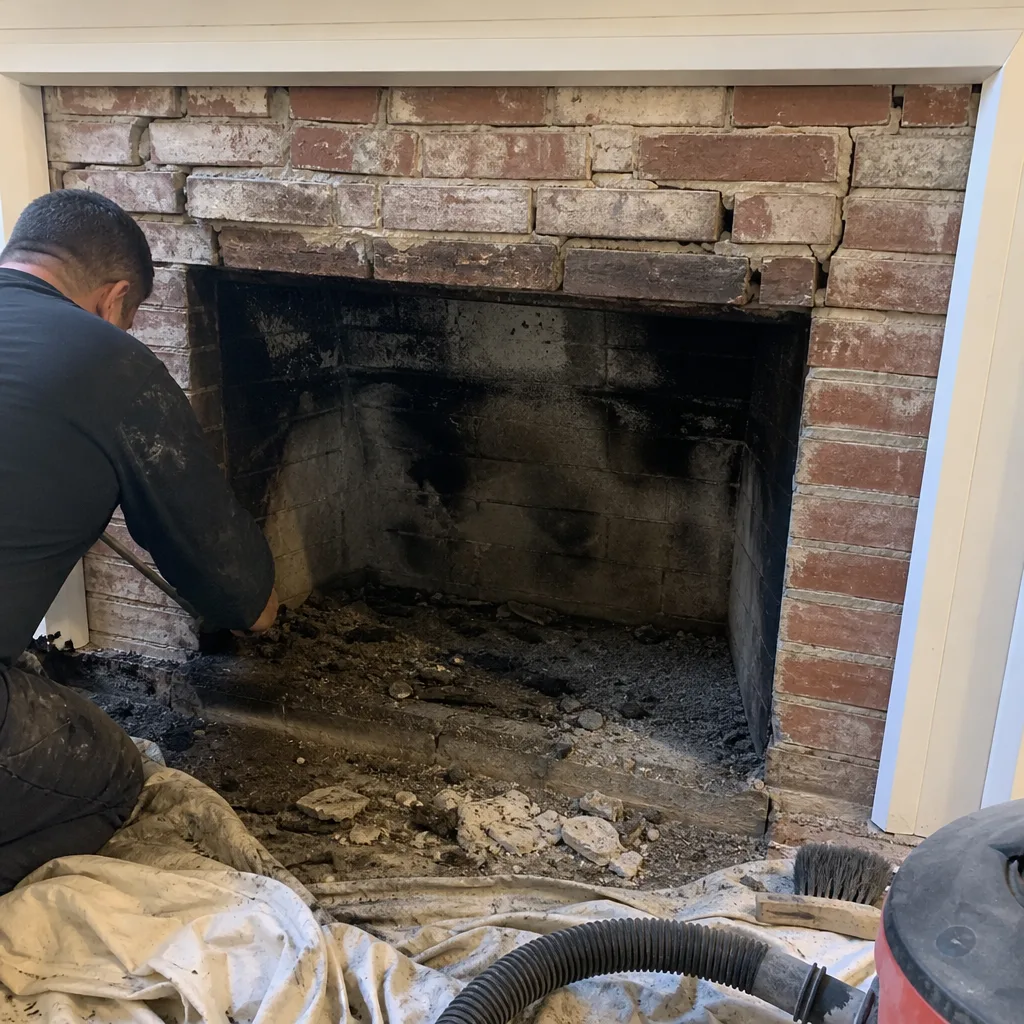 Before
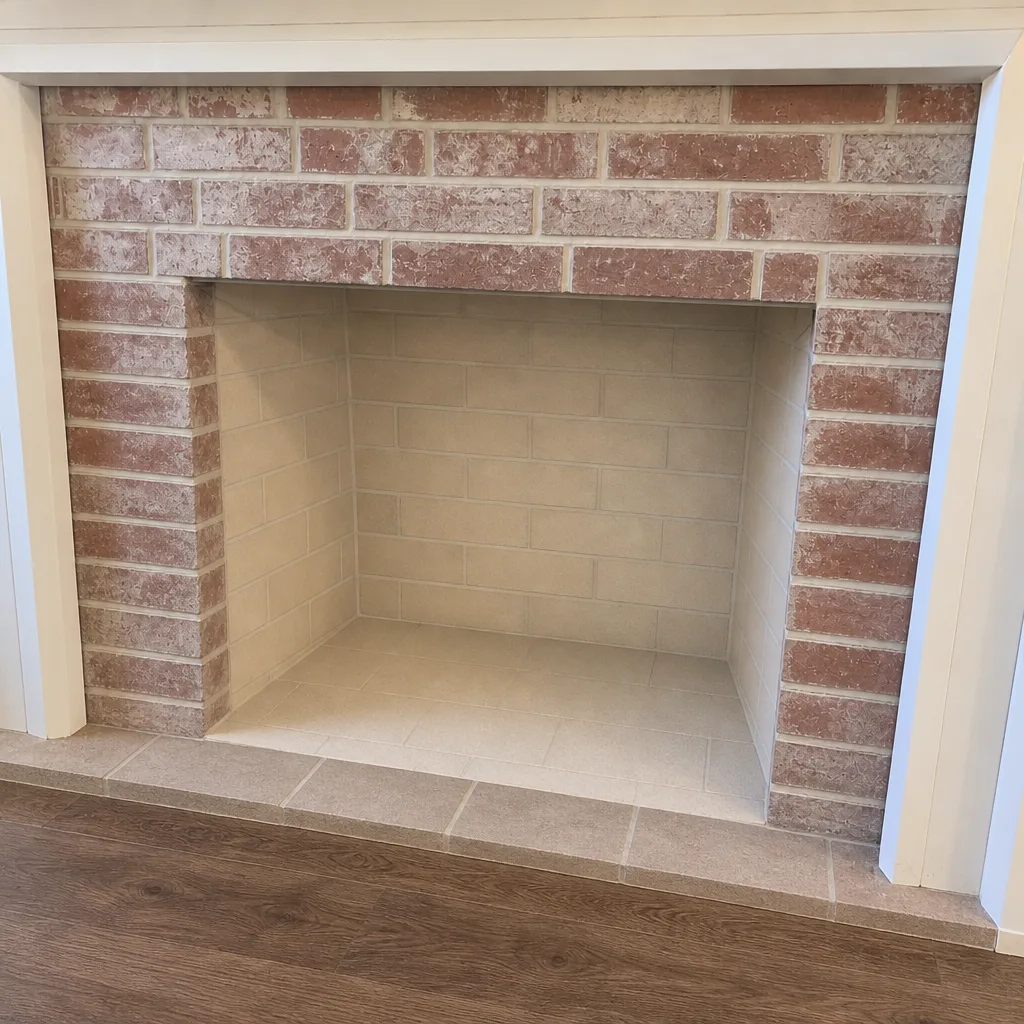 After
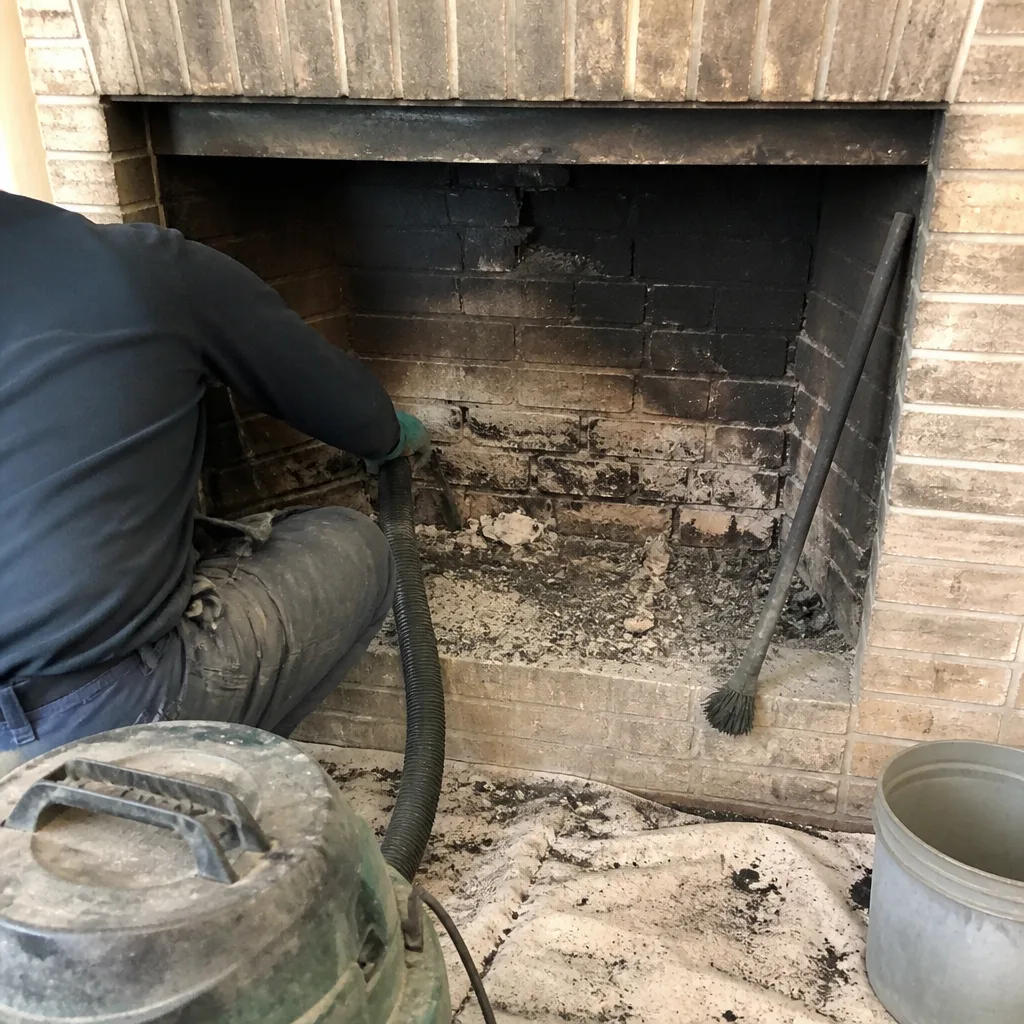 Before
 After
 Before
 After
When to Call a Professional
Call when the calendar reaches its fixed points and when any of these come up: the first burn of the season is approaching and the chimney hasn’t been inspected since last year; a gas fireplace hasn’t been looked at in more than a year because “nothing burns”; a Gulf storm has passed and the cap or crown needs a look; a damp or sour smell shows up in summer; the fire doesn’t draw like it used to; there’s visible staining or a crack in the exterior masonry; or the damper won’t seal. Any sign of nesting material or a blocked flue is an immediate call, not a scheduled one. Our technicians have up to 11 years of experience, and we document what we find so you’re working from a photo report rather than a verbal summary.
Chimney Sweep Energy Corridor offers free estimates in Energy Corridor – call (844) 625-7014. We answer 24/7. Fast dispatch from 7am to 7pm, Sunday through Friday.
Frequently Asked Questions
At least annually if you burn wood, and sooner if an inspection shows creosote at a level that matters. Gas-log fireplaces still need an annual inspection even though nothing visible burns, because moisture and sulfur compounds corrode liners without producing soot. Call (844) 625-7014 for an exact quote – estimates are free.
Resurfacing works when the flue is damaged but structurally intact; a full reline is the right call when the structure itself is compromised. We don’t recommend either without camera evidence you can see for yourself, and we say plainly when work can safely wait. Call (844) 625-7014 for an exact quote – estimates are free.
Creosote keeps accumulating, and you lose the early warning that catches liner corrosion, a cracked crown, or a failing cap before it becomes structural damage. On the gas side, the risk is invisible liner corrosion that only a camera catches. Call (844) 625-7014 for an exact quote – estimates are free.
Yes. A vented gas log set produces water vapor, and in a humid Energy Corridor summer that moisture condenses on the flue wall and can corrode a stainless liner from the inside over multiple seasons. You won’t see it from the firebox. Call (844) 625-7014 for an exact quote – estimates are free.
Before. The pre-fall window in Energy Corridor is September into early October, when the system can be inspected and cleaned without pressure and any repair found can be finished before you want to light a fire. Booking after the first cold snap puts you in the busiest stretch of the year. Call (844) 625-7014 for an exact quote – estimates are free.
Pricing is per job and set by the written estimate, so the exact figure depends on your system, fuel type and condition rather than a flat rate. The estimate itself is free, and the price is agreed before any work is booked. Call (844) 625-7014 for an exact quote – estimates are free.
The Bottom Line
The right maintenance schedule is built around three things: what burns in your firebox, how often it burns, and what the Gulf climate does to your chimney between fires. Wood-burning chimneys need an annual sweep and inspection, more often during heavy-use years. Gas-log fireplaces need an annual inspection even though nothing visible burns, because moisture and sulfur compounds corrode liners where you can’t see them. The fixed points worth calendarizing are the pre-fall inspection in September and the post-storm cap and crown check. Between those, the checks you can do yourself – damper, cap, smell, masonry – are worth doing, and anything that needs a camera is worth booking. Every finding gets documented so you can see the evidence, and nothing gets recommended that the photos don’t support.
Call (844) 625-7014 for a free estimate. We answer 24/7. Fast dispatch from 7am to 7pm, Sunday through Friday.
Written by the team at Chimney Sweep Energy Corridor.