
Last updated November 24, 2026
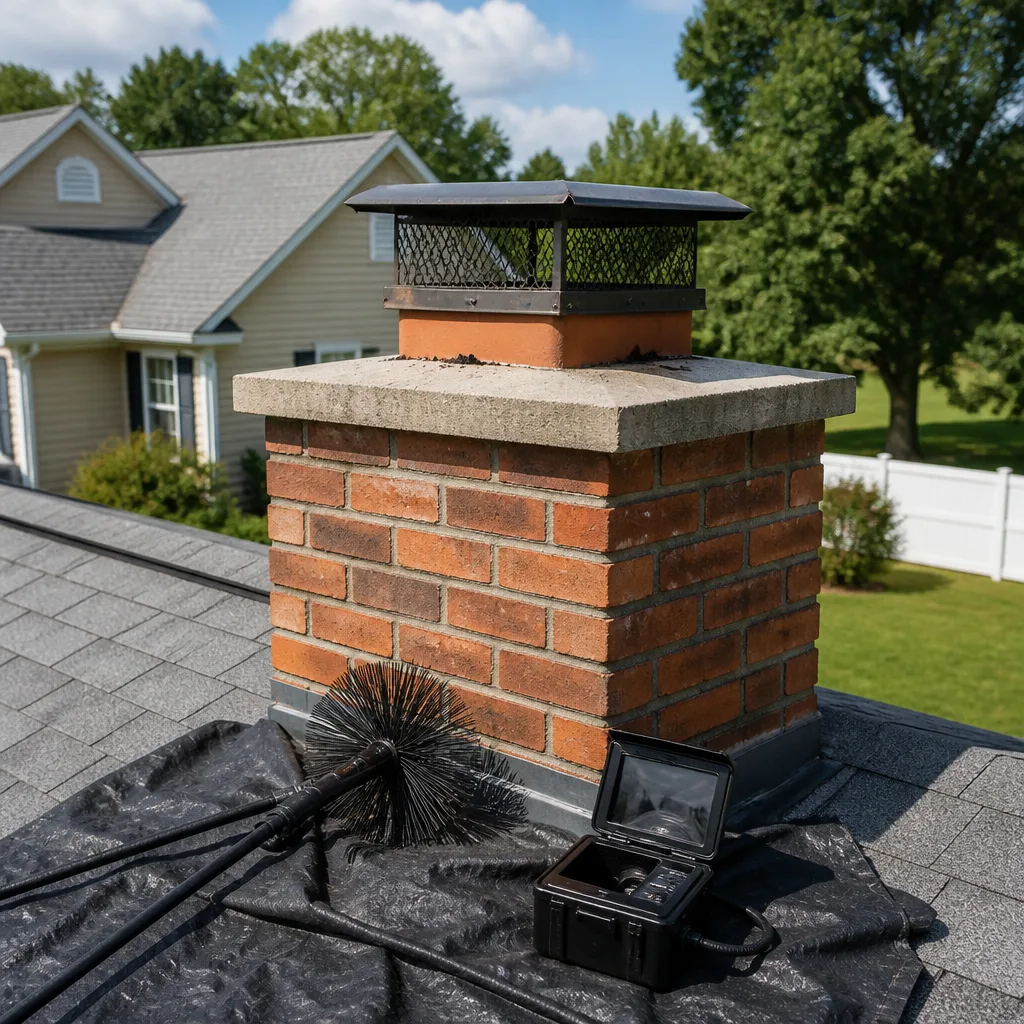 Sweep & inspection
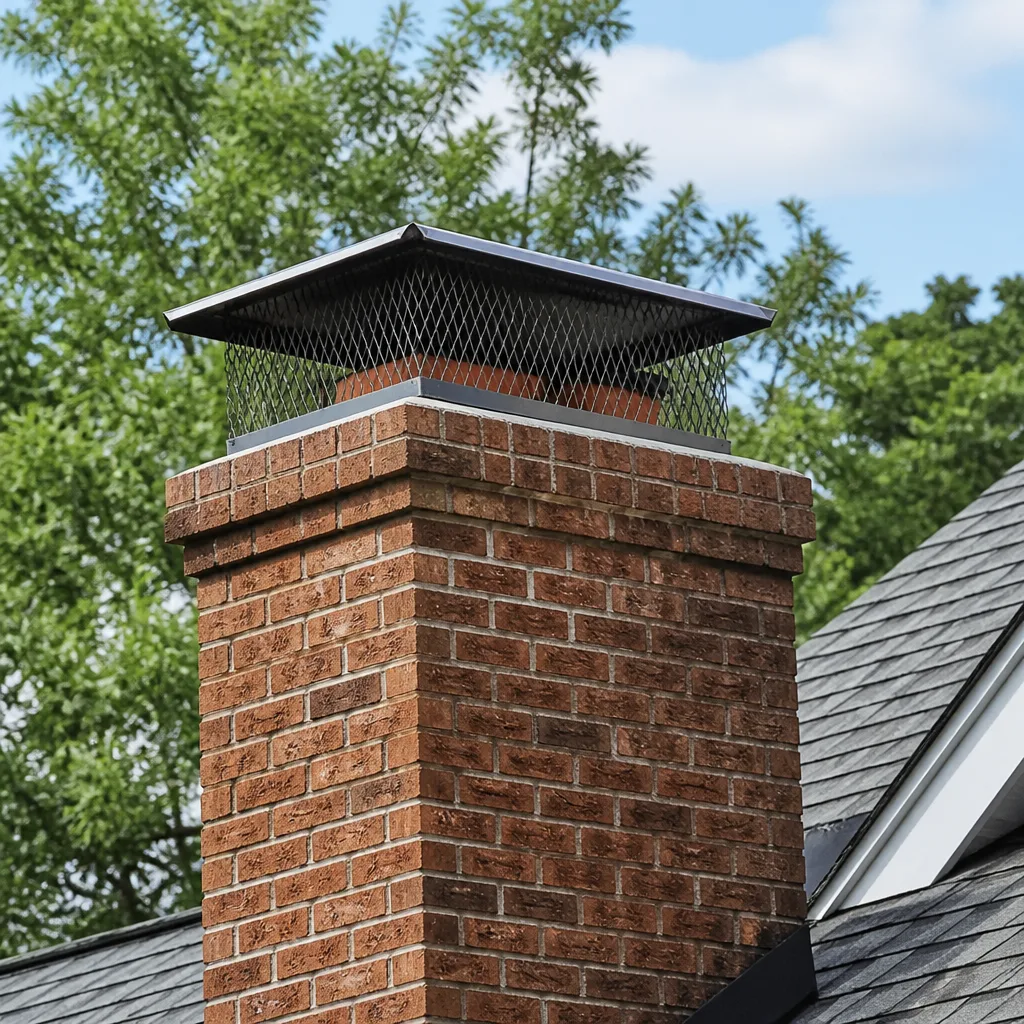 Caps & crowns
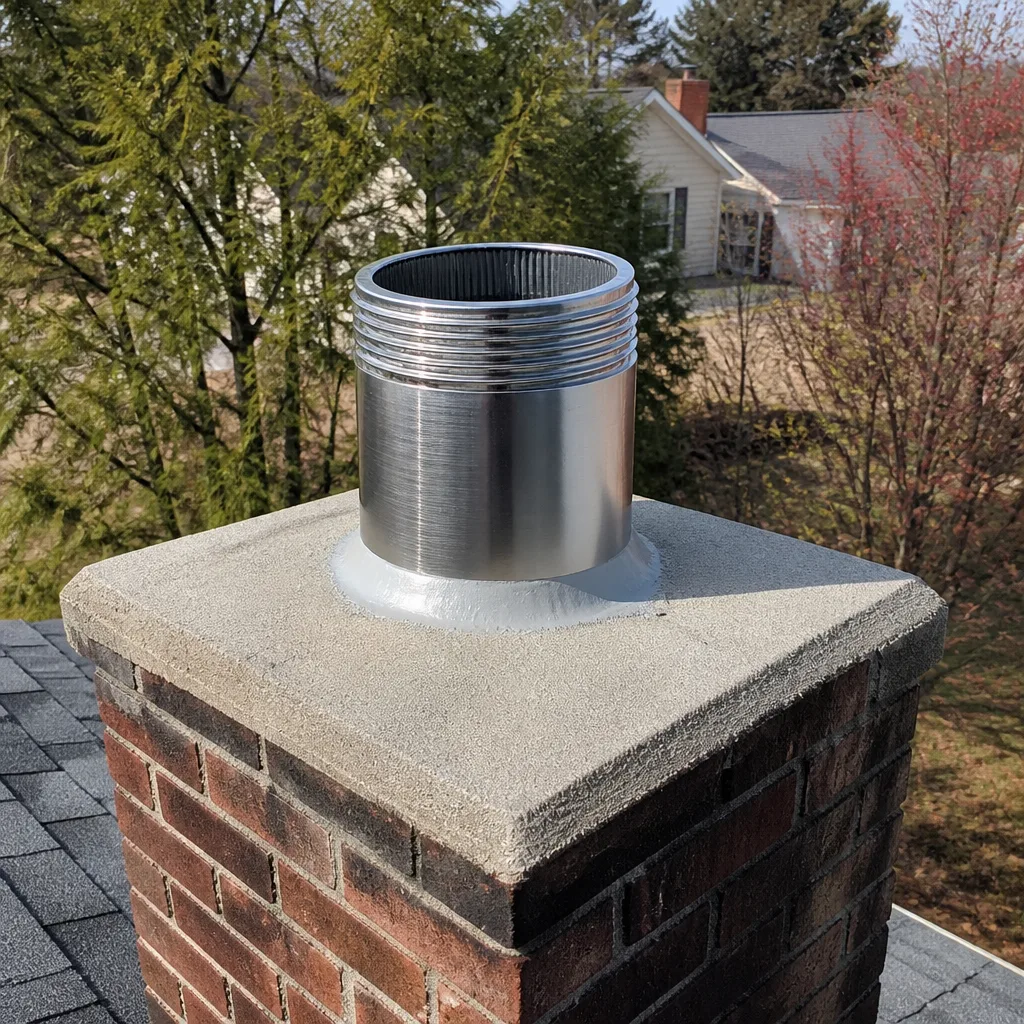 Flue relining
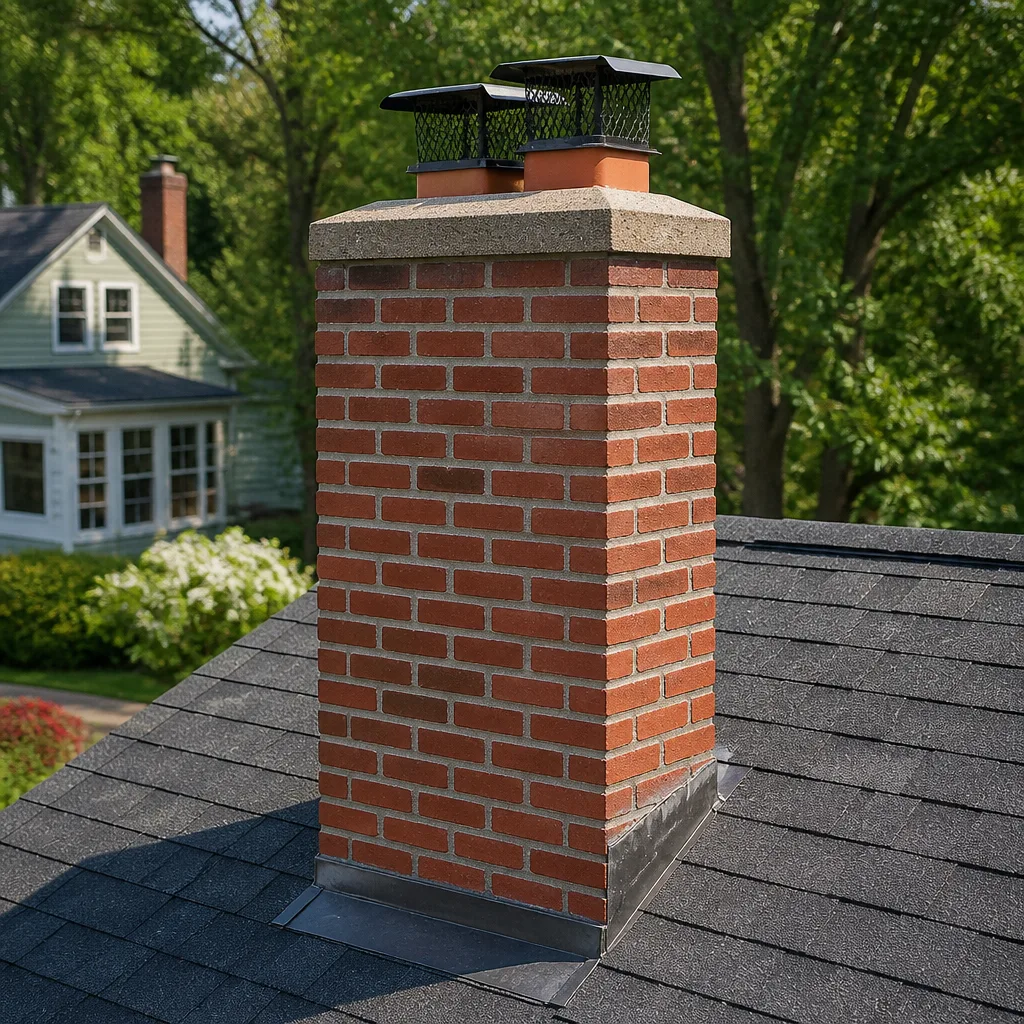 Masonry repair
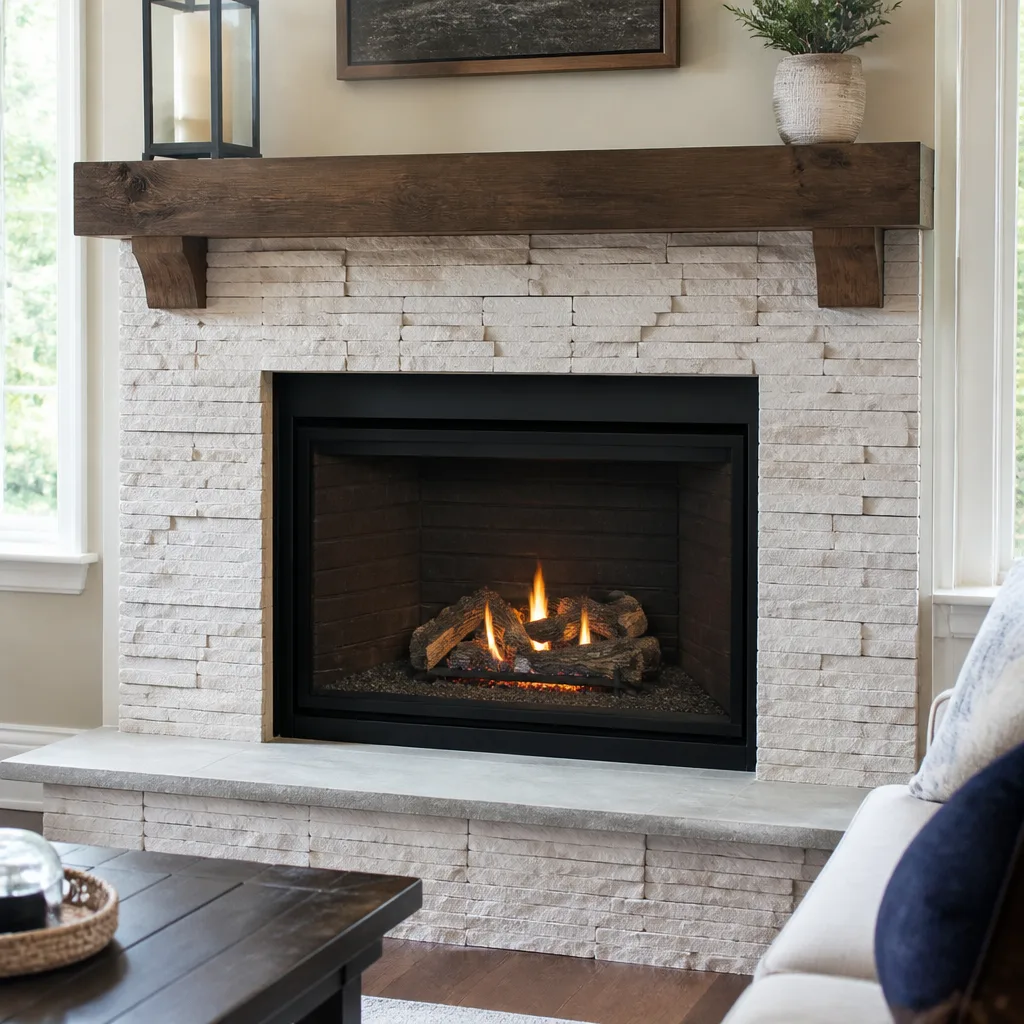 Gas fireplace service
Level 1 sweep and inspection to the NFPA 211 annual standard - flue, crown, cap, and flashing checked and photographed
Chimney sweep logs do not sweep chimneys. They loosen some creosote - which then falls where a brush and vacuum still have to collect it.
Choosing the Right Chimney Cleaning Brand: A Buyer’s Guide for Energy Corridor
When a contractor tells you they’ll “seal your liner,” the answer you get hides a decision that matters more than the invoice total. A generic sealant bought off a hardware shelf and a spec-grade liner resurfacing system are not the same product, not applied the same way, and not built to last the same number of seasons. Most Energy Corridor homeowners have no way to tell one from the other from a line item that reads “liner treatment.” This guide changes that. We’ll walk through the actual product categories inside professional chimney work, the brands that show up in each, and the questions that separate a contractor who specifies materials from one who grabs whatever’s cheapest. You’ll finish knowing how to read an estimate like someone who understands what’s going into the flue.
Quick Answer
The right chimney cleaning brand in Energy Corridor is the one that names its materials by manufacturer and application, not a generic “sealant” or “coating.” Look for contractors who specify products like HeatShield for flue resurfacing, Gelco or Olympia Chimney for caps and components, and Famco for dampers and accessories, and who can explain why that product suits your flue’s condition. Brand transparency is the clearest signal of technical commitment you’ll get before work starts.
Styles & brands we work with
- Sweep & inspection
- Caps & crowns
- Flue relining
- Masonry repair
- Gas fireplace service
Table of Contents
- Why the Brand Behind the Product Matters More Than the Review Count
- The Four Product Categories That Do the Real Work
- How to Ask a Contractor What Brand They’re Using
- HeatShield Explained: What It Is and When It Fits
- Caps, Dampers, and Why Gauge and Mesh Matter
- What Energy Corridor Conditions Mean for Product Choice
- Brand Transparency as a Vetting Tool
Why the Brand Behind the Product Matters More Than the Review Count
Reviews tell you whether someone showed up on time and left the floor clean. They rarely tell you what went into the flue. That gap matters because chimney work is a materials business as much as a labor one. Two contractors can charge similar amounts and use products that behave completely differently five years later.
Professional-grade chimney materials are specified by application. A crown coating built for masonry expansion and contraction is not the same chemistry as a waterproofing sealer applied to brick faces. A liner resurfacing compound rated for a masonry flue carrying a wood fire is not the same as a general-purpose refractory patch. Manufacturers publish the conditions their products are designed for, the temperatures they tolerate, and the substrates they bond to. A contractor working from those spec sheets is doing engineering, not shopping.
That’s the standard we hold ourselves to at Chimney Sweep Energy Corridor. We work with a curated roster of professional chimney-industry brands, including HeatShield, Gelco, Olympia Chimney, Famco, and Copperfield, because those names come with published performance data a homeowner can actually check. When we write an estimate, the product name should be on it. If it isn’t, ask why.
The reverse is also true. A contractor who can’t name a single product they use, or who describes everything as “industrial-grade sealant,” is telling you something. They’re likely sourcing from whatever’s on the shelf at the nearest home center, and that means commodity materials chosen for price, not for your flue’s condition.
The Four Product Categories That Do the Real Work
Chimney work breaks down into four product families. Understanding what each one does lets you follow a contractor’s reasoning and spot when they’re vague on purpose.
1. Creosote removers and sweep-stage chemistry
Creosote builds in three stages, from a light soot to a hardened, glazed layer that’s difficult to remove with a brush alone. Professional sweeps use chemical creosote conditioners and removers to soften glazed deposits so they can be brushed out rather than chipped. These products are formulated for specific stages of buildup. A contractor who mentions a stage-three creosote remover by category is telling you they assessed your flue before choosing a tool.
2. Liner sealants and resurfacing systems
This is where brand choice carries the most weight. Liner resurfacing products are applied to the interior of a masonry flue to rebuild a smooth, heat-resistant surface over deteriorated mortar joints. They’re formulated to bond to masonry, tolerate flue temperatures, and resist the acidic condensation that wood and gas appliances produce. HeatShield is the best-known name in this category. Generic “liner paint” from a hardware store is a different product with a different lifespan, and it’s not engineered for the same conditions.
3. Crown coatings and masonry repair materials
The crown is the concrete cap at the top of the chimney that sheds water away from the masonry. Crown coatings and repair mortars need to flex with the chimney as it expands and contracts in heat and sun. A rigid patch cracks; a flexible crown coating moves with the structure. The brand on the bucket tells you which one you’re getting.
4. Waterproofing sealers
Masonry is porous, and in a humid climate that porosity is a slow path to interior damage. Breathable waterproofing sealers let the masonry release moisture vapor while blocking liquid water from entering. Non-breathable sealers trap moisture inside and can accelerate spalling. Brand and formulation matter here more than most homeowners expect, and a contractor who can name the sealer and explain why it’s breathable is showing you their materials knowledge.
How to Ask a Contractor What Brand They’re Using
You don’t need to become a chimney technician to vet one. You need three questions, asked in the right order, and the willingness to read the answer for what it is.
- “What product are you using for this specific repair, and who makes it?” A prepared contractor answers in one sentence. A vague one pivots to “our standard material” or “a professional-grade product.” That pivot is your answer.
- “Why that product for my flue instead of another?” This is the real test. Product knowledge shows up as reasoning tied to your flue’s condition, material, and appliance type. “It’s what we always use” means they’re not specifying; they’re defaulting.
- “Can you show me the manufacturer’s spec sheet or the product label?” Legitimate manufacturers publish performance data. A contractor who can produce it is sourcing from a supply chain with accountability. If they can’t or won’t, the materials are likely commodity.
- “Will the product name appear on my written estimate?” This is the simplest filter of all. When the estimate is specific, you can verify after the work is done. When it isn’t, you’re trusting a description.
Run these questions past any contractor before you book. In our experience across Energy Corridor homes, the ones who answer cleanly are the ones who arrive with materials already sorted for the job. The ones who don’t tend to answer in adjectives.
HeatShield Explained: What It Is and When It Fits
HeatShield is a liner resurfacing system: an engineered compound applied to the inside of a masonry chimney flue to rebuild deteriorated mortar joints and restore a smooth, continuous surface. It’s designed as an alternative to full relining when the flue structure is intact but the interior surface has broken down.
That distinction is the whole point. A full relining replaces the flue with a new stainless liner. It’s the right move when the existing flue is badly damaged, mis-sized, or structurally compromised. But if the flue is sound and only the interior surface has degraded, resurfacing can restore function without a full replacement. That’s a meaningful difference in scope, and it’s a project most basic sweep companies don’t offer because they don’t carry the material or the training to apply it.
HeatShield has specific applications and limits. It’s rated for particular flue types and conditions, and it’s not the right answer for every damaged chimney. If a contractor proposes resurfacing without first inspecting the flue, that’s a red flag. The material has to match the assessment.
When the flue has deteriorated to the point where resurfacing won’t hold, a DuraFlex flexible liner system is the alternative. DuraFlex is a premium stainless product line built for complex flue configurations, including offsets and bends that straight liner runs can’t handle. Knowing which of these two paths fits your chimney is exactly the kind of decision that requires an inspection-first approach, and it’s why our chimney sweep visits include a camera inspection with a photo report you keep.
Caps, Dampers, and Why Gauge and Mesh Matter
A chimney cap does more work than most homeowners realize. It keeps rain out of the flue, blocks birds and animals, and stops sparks from landing on the roof. The brand and material decide how long it does that work.
Stainless steel is the standard for caps worth keeping. The gauge of the steel determines the cap’s rigidity and how it handles wind and heat cycling. A thinner gauge deforms; a heavier gauge holds its shape for years. The mesh size determines what gets excluded. A mesh that’s too coarse lets small animals and insects through; too fine and it clogs with soot and airflow suffers. Both dimensions have a correct answer for your chimney, and a contractor who can specify a brand and explain the gauge and mesh choice is working from a spec, not a guess.
Gelco and Olympia Chimney both make caps and chimney components that professional contractors source by application. The cap has to be sized to your flue and anchored correctly to the crown. A cap that sits loose, or that’s held down with the wrong fasteners, is a leak waiting to happen.
Dampers work the same way. A top-sealing damper is a manufactured component with a specific design, not a generic piece of hardware, and the brand on the box reflects whether it’s been engineered for a chimney or repurposed from something else. Famco makes dampers and accessories that professional contractors specify when the flue opening calls for them. When we quote dampers or caps, we name the product and explain why it fits. That’s how we handle chimney cap & crown work across Energy Corridor.
What Energy Corridor Conditions Mean for Product Choice
Energy Corridor sits in Houston’s humid subtropical climate, and that has direct implications for which chimney products work here. The summers are long, warm, and humid. Winters are mild, with few hard freezes. That combination shapes how masonry behaves and how fast it deteriorates.
The biggest consequence is moisture. Humidity means masonry stays damp much of the year, which means waterproofing product choice matters more here than in drier markets. Breathable sealers that let masonry dry out are the correct choice for this climate. Non-breathable sealers trap moisture inside the brick and mortar, and in a humid environment that trapped moisture drives spalling and interior deterioration. When a contractor quotes a waterproofing sealer in Energy Corridor, ask whether it’s breathable. If they don’t know, they’re guessing.
The mild winter matters too. Because there’s less freezing and thawing, the primary damage mechanism here is moisture intrusion from rain and humidity rather than freeze expansion. That’s why the cap and crown are so important: they’re the first line of defense against water getting into the masonry in the first place. Crowns that shed water correctly and caps that keep rain out of the flue prevent most of the damage a contractor would otherwise be repairing. Maintenance-minded specialists lead with cap and crown work for exactly this reason.
Wood-burning appliances in this climate also tend to sit unused for long stretches. Summer dormancy, combined with humidity, is a recipe for slow moisture damage to the crown and masonry that doesn’t announce itself until something fails. Annual inspection catches it while it’s still small.
Brand Transparency as a Vetting Tool
Here’s what we’ve learned working in this trade: the contractor who names their materials is almost always the contractor who understands the system. Brand transparency isn’t a marketing gimmick. It’s a proxy for how the whole job gets approached.
A contractor who can specify HeatShield by name understands what conditions it’s rated for and when resurfacing is the wrong call. One who names Gelco or Olympia Chimney for caps understands gauge and mesh. One who names Famco for dampers understands that a damper is a component, not a commodity. And a contractor who can name DuraFlex for complex flue configurations understands that flexible liners solve problems rigid ones can’t.
Compare that to a contractor who uses generic descriptions. “Professional-grade sealant” tells you nothing about whether it will still be doing its job in three years. It’s the same language a homeowner could use about anything. If the contractor can’t be specific, the materials likely aren’t either.
There’s an honest way to use this as a filter. Ask one question: “What brand and product are you using, and why that one?” If the answer names a product and references your flue, you’re working with someone who thinks in systems. If it references weather, timing, or price without naming a product, look elsewhere. The same standard applies to fireplace repair work, where the wood-to-metal and masonry contact points both depend on materials specified correctly.
Common Mistakes to Avoid
- Accepting a generic sealant description. A “professional-grade sealer” quote tells you nothing about whether the product is designed for your flue’s material, temperature range, or climate. Ask for the name and the spec, or move on.
- Confusing a chimney cleaning brand with a chimney system brand. A company name isn’t the same as a materials brand. A pleasant brand identity on a truck says nothing about what’s going into your flue.
- Skipping the camera inspection before any repair quote. In a humid climate like Energy Corridor’s, flue damage can hide behind a thin surface of soot. A repair recommendation without a camera report you can see is a recommendation you can’t verify.
- Treating the cap as an accessory. In this climate, the cap is a functional component. Too-thin gauge steel and the wrong mesh size mean water intrusion and animal problems down the road.
- Assuming resurfacing and relining are the same job. HeatShield resurfacing restores a structurally intact flue. Full relining replaces one that’s beyond resurfacing. Quoting the wrong one is a materials mismatch, not a preference.
- Choosing a contractor on price alone without knowing the materials. Two quotes at similar totals can hide materials that differ dramatically in lifespan and performance. Compare what’s specified, not just the bottom line.
- Booking a sweep without asking what happens after. If the inspection finds damage, you want a contractor who can fix it rather than one who hands you a referral. One company handling the whole job avoids the handoff.
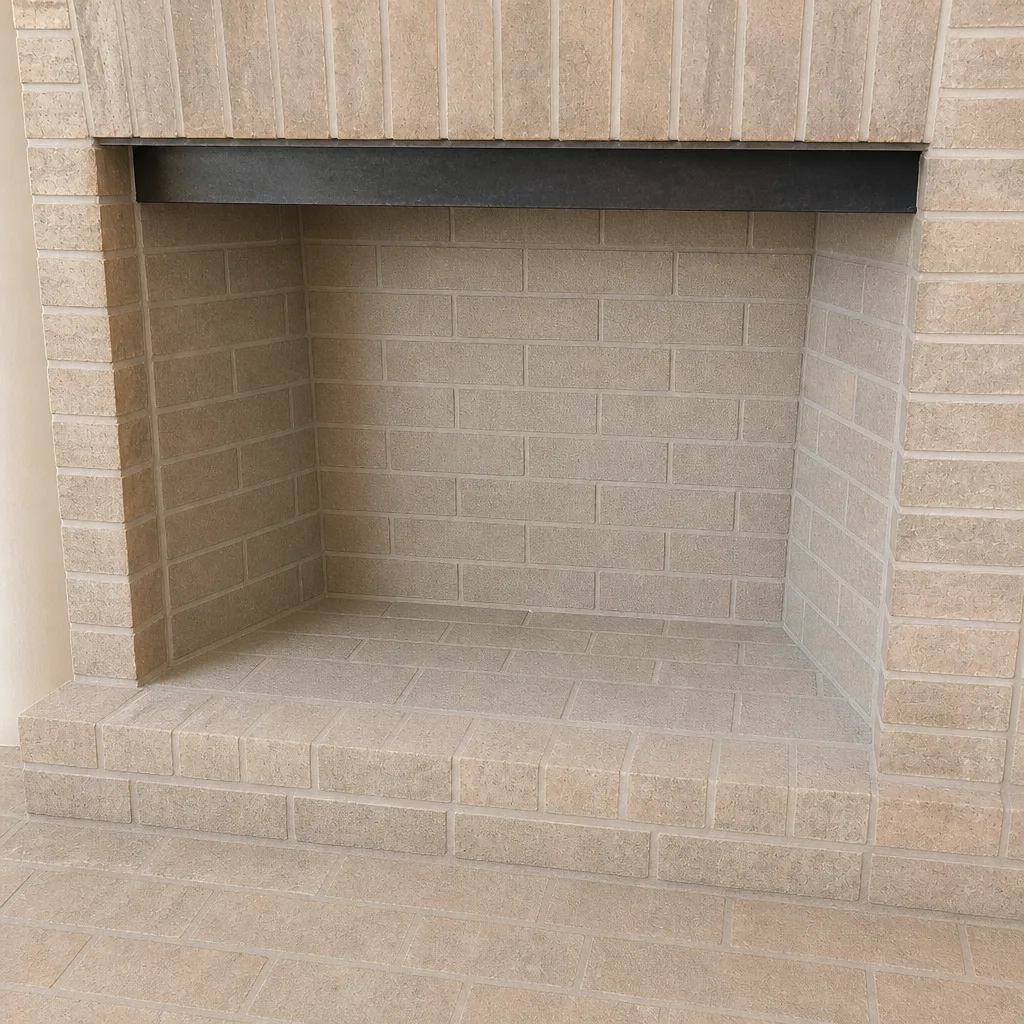
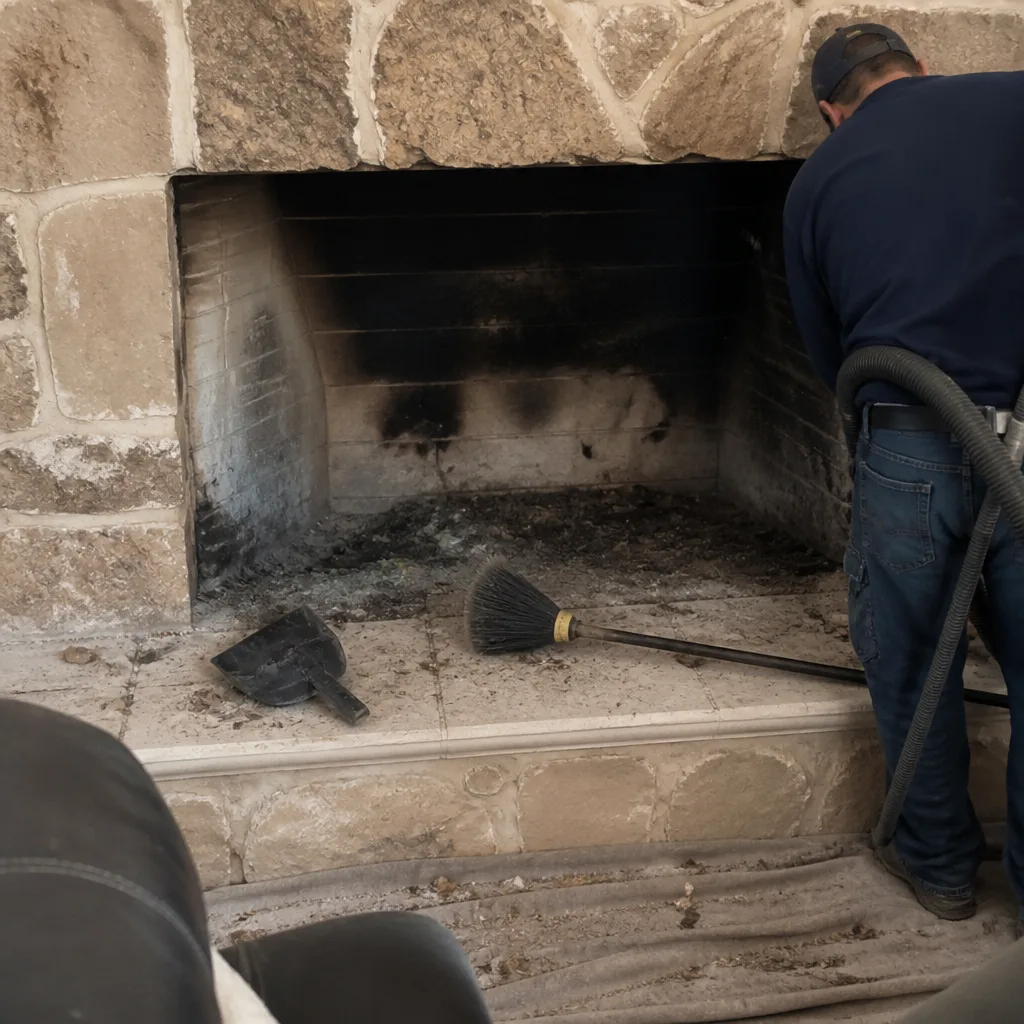
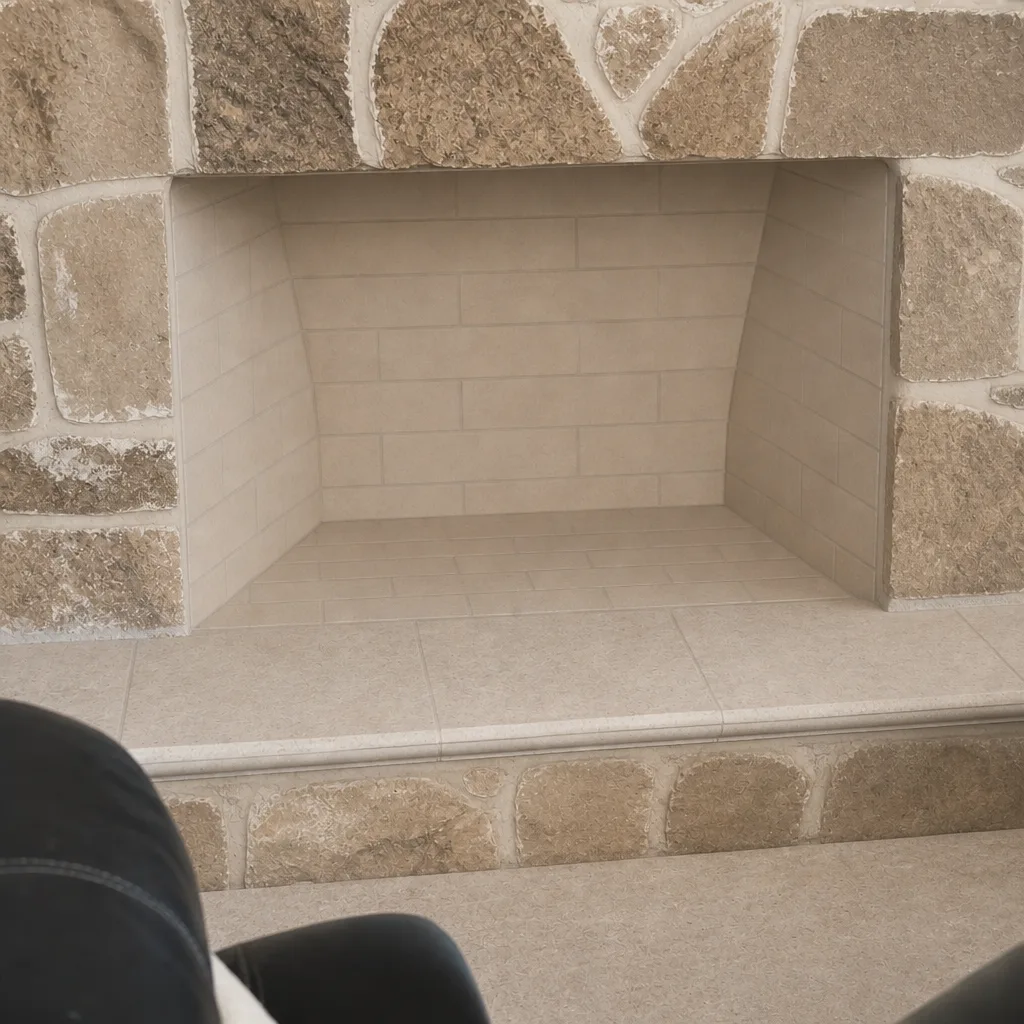
See the difference
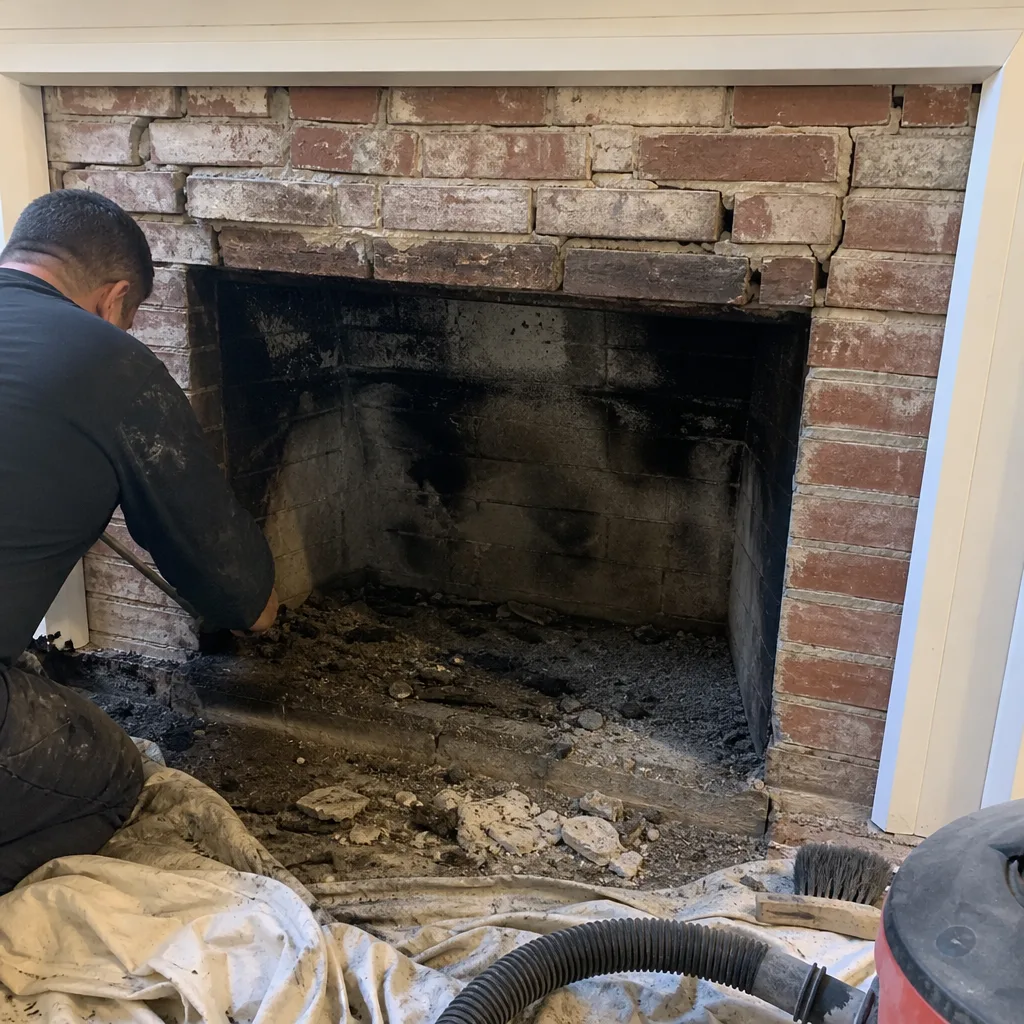 Before
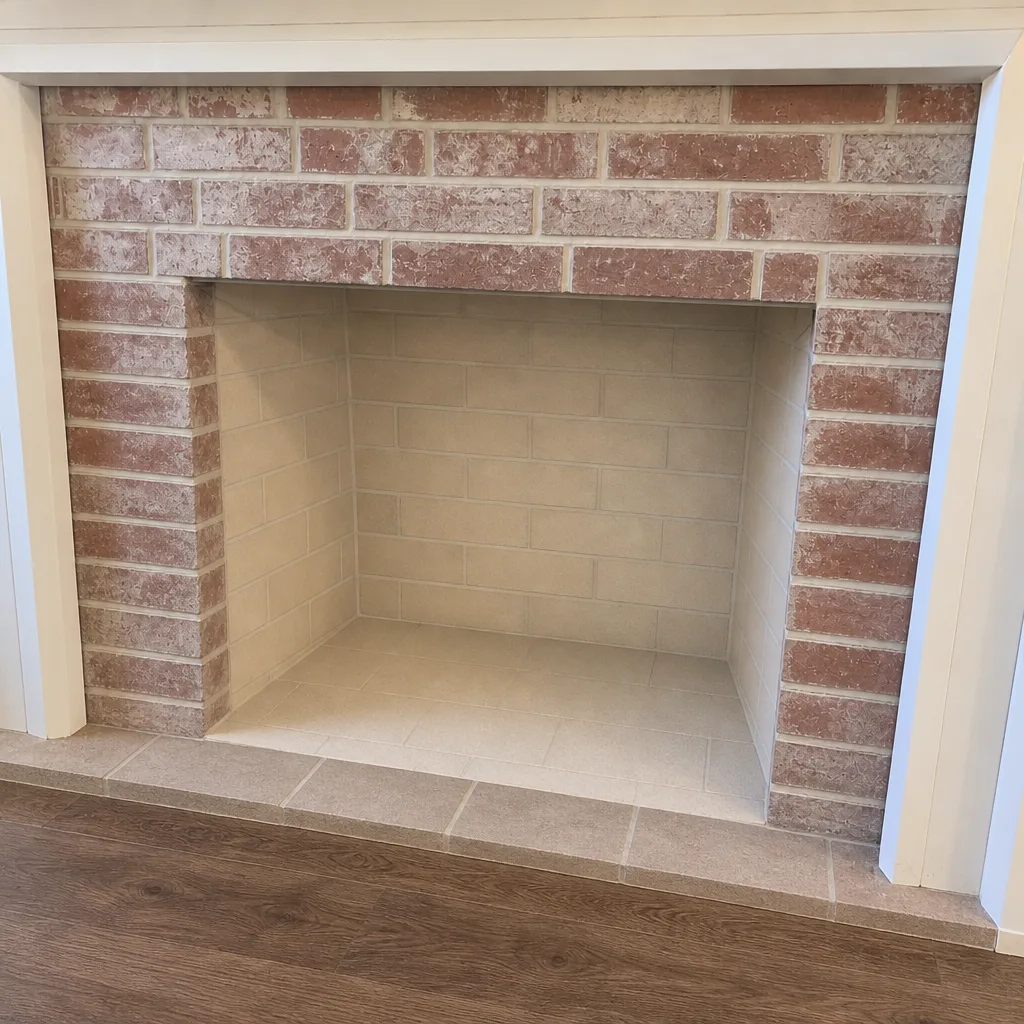 After
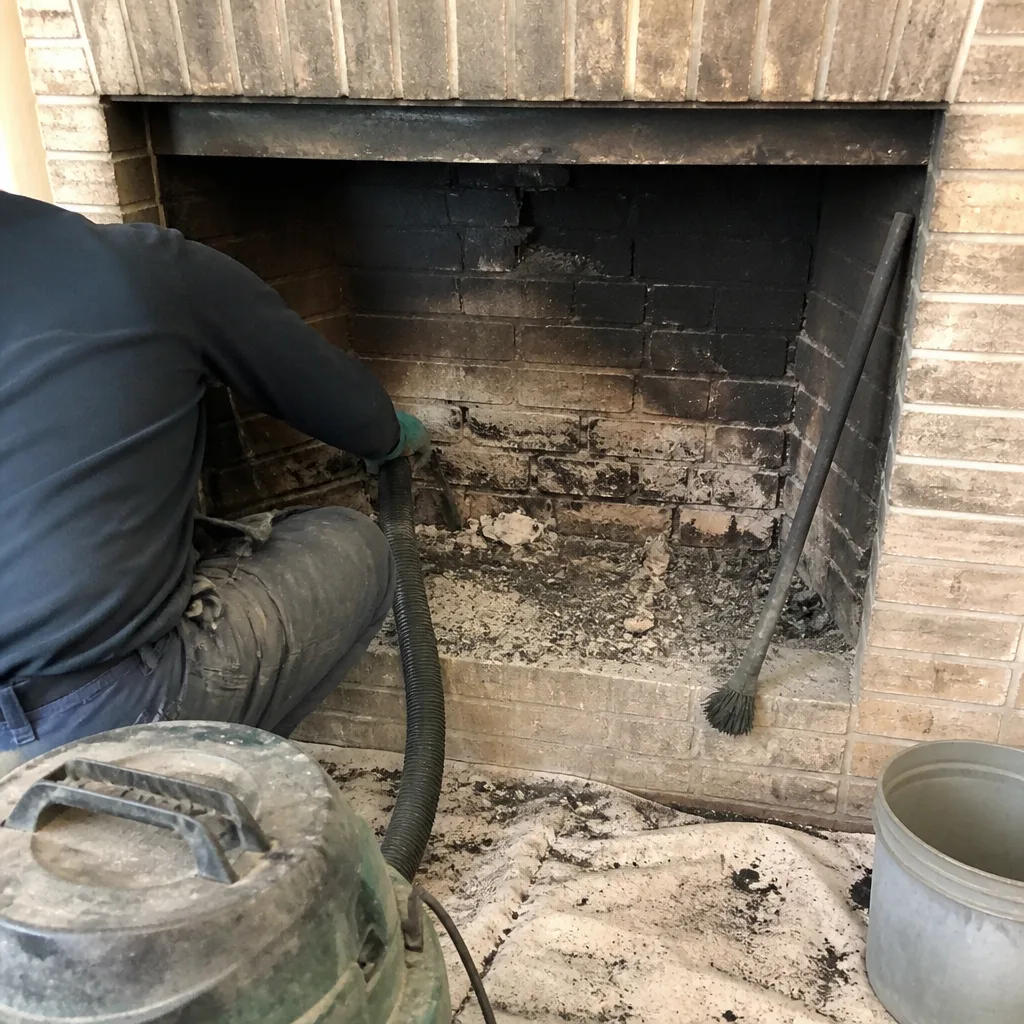 Before
 After
 Before
 After
When to Call a Professional
Some chimney issues are simple, and some can be honestly told to wait. The ones that can’t wait involve creosote buildup, structural damage to the flue, or a crown that’s cracked and letting water into the masonry. A flue choked with glazed creosote is a fire risk, and no amount of “a good burn” clears it. A cracked crown in our humid climate drives moisture damage that gets more expensive with every wet season. And any time you notice a strong creosote smell, smoke coming back into the room, or animals moving into the flue, that’s a professional visit, not a project for a weekend.
We’re honest about which repairs can safely wait and which can’t. If the inspection finds only minor surface wear, we’ll tell you and let you plan. If the flue interior has deteriorated past resurfacing, a DuraFlex liner is the durable answer. And if you’re not sure what you’re looking at, a chimney inspection is a low-cost way to find out. Chimney Sweep Energy Corridor offers free estimates in Energy Corridor. Call (844) 625-7014. We answer 24/7. Fast dispatch from 7am to 7pm, Sunday through Friday.
Frequently Asked Questions
Professional chimney contractors source from dedicated manufacturers who publish performance data for specific applications. HeatShield for liner resurfacing, Gelco and Olympia Chimney for caps and components, Famco for dampers and accessories, and DuraFlex for flexible stainless liner systems are all common names in the trade. The common thread is that each brand publishes what the product is designed for, so you can check the spec yourself. Call (844) 625-7014 for an exact quote. Estimates are free.
Ask the contractor to name the brand and product they plan to use and explain why it fits your flue. A contractor working from professional supply will answer in one sentence. A vague answer, or one that leans on “professional-grade” without a name, means you can’t verify what’s being installed. The written estimate should name the product, and the contractor should be able to produce the manufacturer’s spec sheet on request. Call (844) 625-7014 for an exact quote. Estimates are free.
HeatShield is worth it when the flue structure is intact and only the interior surface has deteriorated. It restores the flue without a full replacement, which is a smaller job with less disruption. It is not the right answer for a badly damaged or mis-sized flue, where a DuraFlex liner is the correct choice. The right decision comes from a camera inspection, not a sales pitch. Call (844) 625-7014 for an exact quote. Estimates are free.
A chimney cap in this climate needs to hold its shape through heat cycles and year-round humidity, which means a heavier stainless gauge rather than a lightweight one. The mesh should be fine enough to keep small animals and insects out but open enough to maintain flue draft. Brand matters because manufactured caps from Gelco or Olympia Chimney are sized for purpose, not adapted from generic hardware. Call (844) 625-7014 for an exact quote. Estimates are free.
Yes, if you use a breathable waterproofing sealer that lets masonry moisture escape while blocking rain intrusion. In a humid climate like Energy Corridor’s, a non-breathable sealer can trap moisture inside the brick and accelerate spalling. Ask the contractor which sealer they’re using and confirm it’s breathable before work is booked. Call (844) 625-7014 for an exact quote. Estimates are free.
The flue should be inspected annually for a chimney in seasonal use, and inspected any time you notice smoke backup, a strong creosote smell, or a damaged cap or crown. In this climate, spring and fall visits catch moisture damage before the next burning season. A camera inspection with a photo report gives you a record of what the flue looked like at the time. Call (844) 625-7014 for an exact quote. Estimates are free.
The Bottom Line
The brand a contractor specifies tells you more about their technical commitment than any review, because professional-grade chimney materials are chosen by application, not by price. HeatShield for flue resurfacing, Gelco and Olympia Chimney for caps, Famco for dampers, and DuraFlex for flexible liner work are all names that come with published performance data you can verify. In Energy Corridor’s humid climate, that specificity matters: breathable sealers, correctly gauged stainless caps, and inspection-first repair recommendations are what keep a chimney working. Ask for the product name. Read the spec. Call (844) 625-7014 for a free estimate, and we’ll document what we find before we recommend anything.
Written by the team at Chimney Sweep Energy Corridor.